The High-Stakes Race for Permitting Reform: Navigating the Intersection of AI, National Security, and Public Sentiment

As the Senate prepares for a pivotal recess ahead of the looming midterm elections, a bipartisan coalition of lawmakers is engaged in a frantic, high-stakes effort to finalize a comprehensive permitting reform package. The legislation, long viewed as the "holy grail" of energy policy, aims to overhaul the labyrinthine federal review process that critics argue has become the primary bottleneck for American energy independence and economic competitiveness. While the urgency of the bill is underscored by an unprecedented surge in electricity demand—driven by the rapid expansion of artificial intelligence and high-performance computing—the path to passage is fraught with political peril. Lawmakers find themselves walking a razor-thin line, attempting to streamline infrastructure construction while avoiding a public relations backlash regarding the very data centers that are fueling the nation’s power hunger.
The Legislative Impasse: A Chronology of Stalled Progress
The current push for permitting reform is the latest chapter in a multi-year saga of legislative frustration. For nearly a decade, energy policy experts and industry leaders have warned that the existing federal framework—characterized by overlapping agency jurisdictions, exhaustive environmental impact statements, and perpetual litigation—is incompatible with the modern pace of technology.
In 2024, the Energy Permitting Reform Act represented the most significant attempt to break this cycle. Despite successfully navigating the committee process, the bill ultimately collapsed before reaching a full floor vote, a victim of partisan squabbling and an inability to reconcile the competing priorities of renewable energy advocates and fossil fuel proponents.
The current effort, which gained significant momentum throughout the summer of 2026, has seen the highest-ranking members of both the Senate Energy and Natural Resources Committee and the Environment and Public Works Committee engaged in intense, closed-door negotiations. Despite these efforts, reports surfaced in late September 2026 indicating that the bipartisan group would delay the finalization of the bill until after the November elections, citing the need for further clarity on how the current administration intends to handle wind and solar project approvals.
The Data Center Dilemma: An Unpopular Catalyst
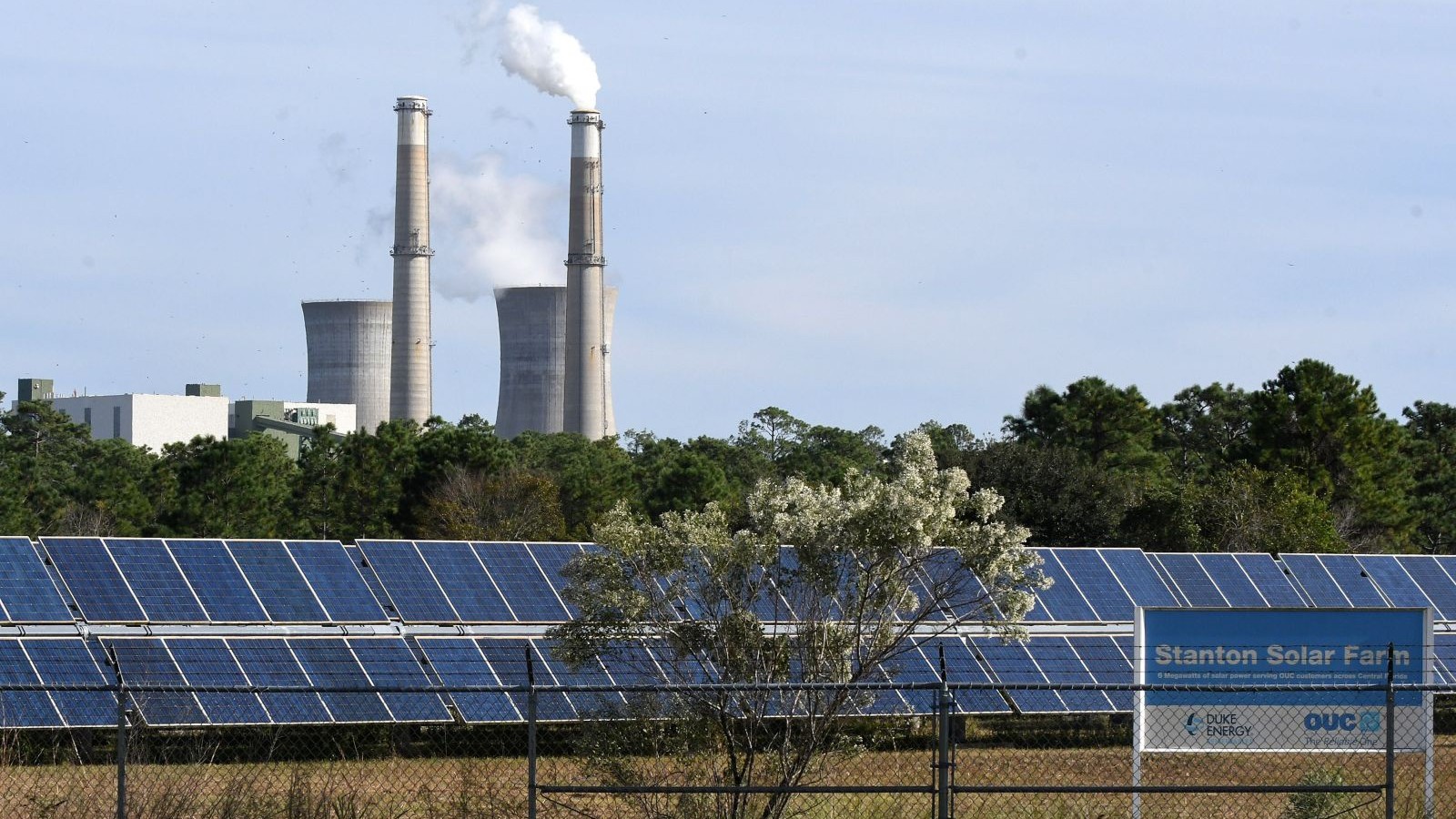
The primary engine behind the renewed legislative fervor is the massive, rapid deployment of data centers across the United States. These facilities, essential for the maintenance of the generative AI boom and cloud infrastructure, are energy-intensive. According to recent projections from the U.S. Energy Information Administration (EIA), natural gas remains a dominant power source for these facilities, even as solar and battery storage systems accounted for nearly 80 percent of new utility-scale power capacity additions in the U.S. in 2026.
However, the political optics of prioritizing data centers are increasingly precarious. Public opinion research, most notably from the D.C.-based firm Redbud Consulting, indicates that "data center" has become a toxic phrase among the electorate. Polling consistently shows that voters across the political spectrum—Republicans, Democrats, and Independents alike—harbor deep skepticism toward the construction of these facilities in their local communities.
This has created a "political bind" for incumbents. Legislators recognize that building out transmission lines, pipelines, and power plants is vital for long-term economic health. Yet, framing these infrastructure projects as "data center enablers" triggers immediate local opposition. Consequently, the debate has shifted, with proponents now focusing on "clean energy expansion" and "grid reliability" rather than the specific technological needs of Big Tech.
Economic and Strategic Imperatives
The argument for reform is frequently tied to the broader geopolitical rivalry with China. During the Clean Energy Week conference in Washington, D.C., in September 2026, a consensus emerged among energy stakeholders and lawmakers: the United States is currently "fighting an energy war with one hand tied behind its back." The concern is that if the U.S. remains unable to scale its power grid, it will cede its leadership in the AI sector and advanced manufacturing to competitors who face fewer regulatory hurdles.
Senator Rick Scott (R-FL) and other proponents of the bill have frequently invoked the specter of a rising China to build support for the measure. They argue that while foreign adversaries are rapidly expanding their energy capacity, the U.S. remains shackled by "a mountain of red tape." Despite the intensity of this rhetoric, analysts note that the "China card" has lost some of its efficacy with the average voter, who is more concerned with immediate impacts such as rising utility bills and local land use.
Public Sentiment and the Cost-of-Living Factor
While legislators focus on macroeconomic indicators, the public is focused on the household budget. Polling data suggests that 70 percent of respondents have experienced an increase in their energy bills over the past year. This economic anxiety has created a window of opportunity for politicians to frame permitting reform as a tool for cost reduction. By streamlining the path for lower-cost energy sources—specifically solar and natural gas—lawmakers hope to demonstrate that the bill will ultimately lead to lower, more stable energy prices for consumers.
This public sensitivity has also influenced legislative action in the House of Representatives. In September 2026, the House passed a bill that would encourage states to shift the financial burden of new energy generation onto the data centers themselves, rather than the average ratepayer. While this bill is currently stalled in the Senate, its existence serves as a clear signal that federal lawmakers are acutely aware of the potential for a populist backlash against corporate-led infrastructure expansion.
The Path Forward: Challenges to Implementation
The draft text of the current Senate compromise remains non-public, but industry experts anticipate it will contain three core components:
- Truncated Environmental Reviews: Reducing the scope and duration of environmental impact assessments required by the National Environmental Policy Act (NEPA).
- Regulatory Relief: Loosening specific requirements under the Clean Water Act and the Endangered Species Act as they pertain to large-scale transmission projects.
- Litigation Shielding: Establishing firmer legal standards to make permits less susceptible to post-issuance challenges by environmental groups or community organizations.
The success of these reforms hinges on delicate negotiations between environmentalists, who fear the erosion of bedrock protections, and industry groups, who argue that the current system is "constipated" and incapable of delivering necessary infrastructure.
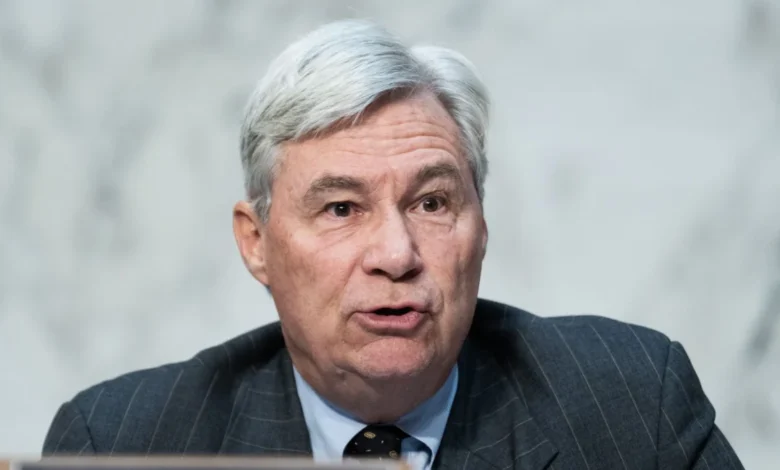
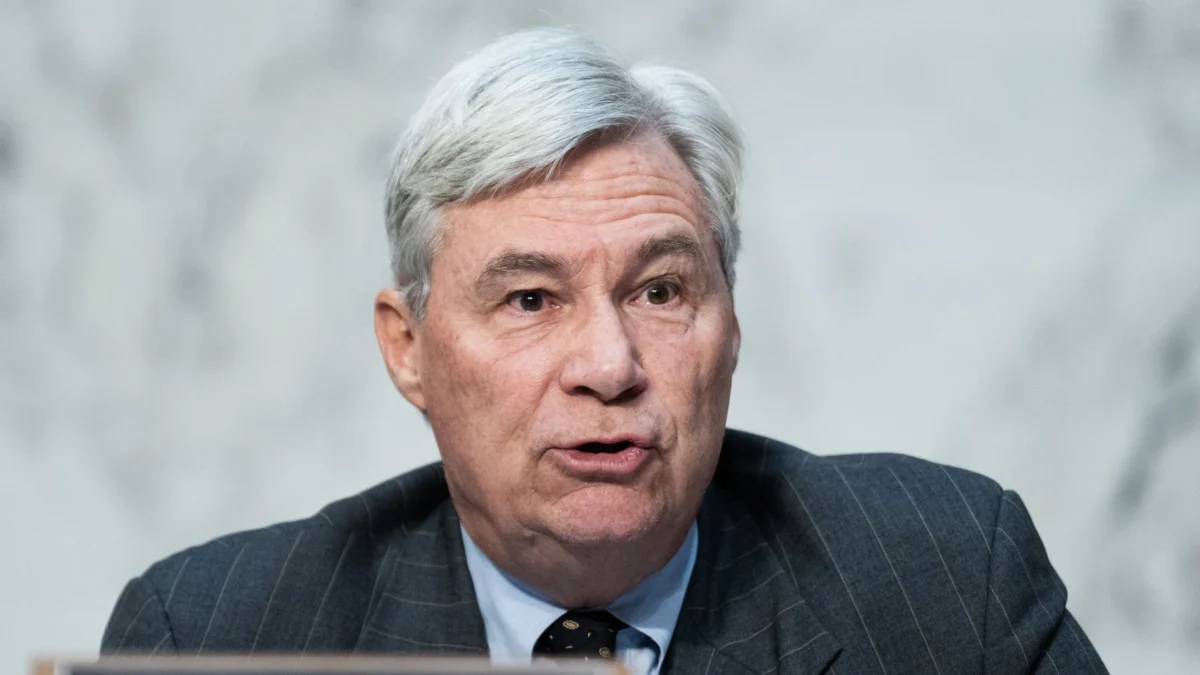
Senator Sheldon Whitehouse (D-RI), a key negotiator on the Environment and Public Works Committee, has emphasized that while the goal is progress, the "return to regular order" for renewable projects must be clearly defined. The Biden-Harris era legacy, and the uncertainty surrounding how a future administration might exercise executive power over permitting, remain significant sticking points.
As the Senate breaks for the midterms, the fate of the permitting reform bill remains tied to the broader outcome of the elections. Should control of Congress shift, the legislative agenda for 2027 will likely be reset, potentially forcing the current group of negotiators to start from scratch. For now, the energy sector waits in a state of suspended animation, caught between the urgent necessity of a modern grid and the gridlock of a deeply divided, election-year Washington. The ultimate test for this legislation will be whether it can successfully bridge the gap between national strategic interests and the localized concerns of a skeptical American public.
Related posts: