The Toxic Legacy of Militarization: How Dieldrin and Strategic Expansion are Reshaping the Future of Guam

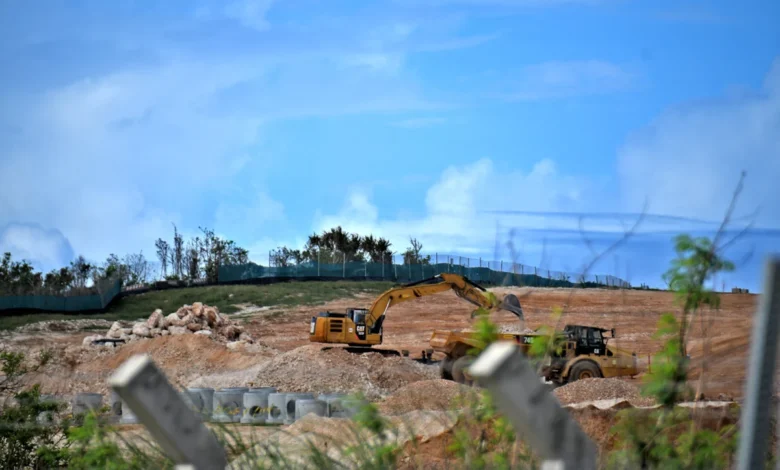
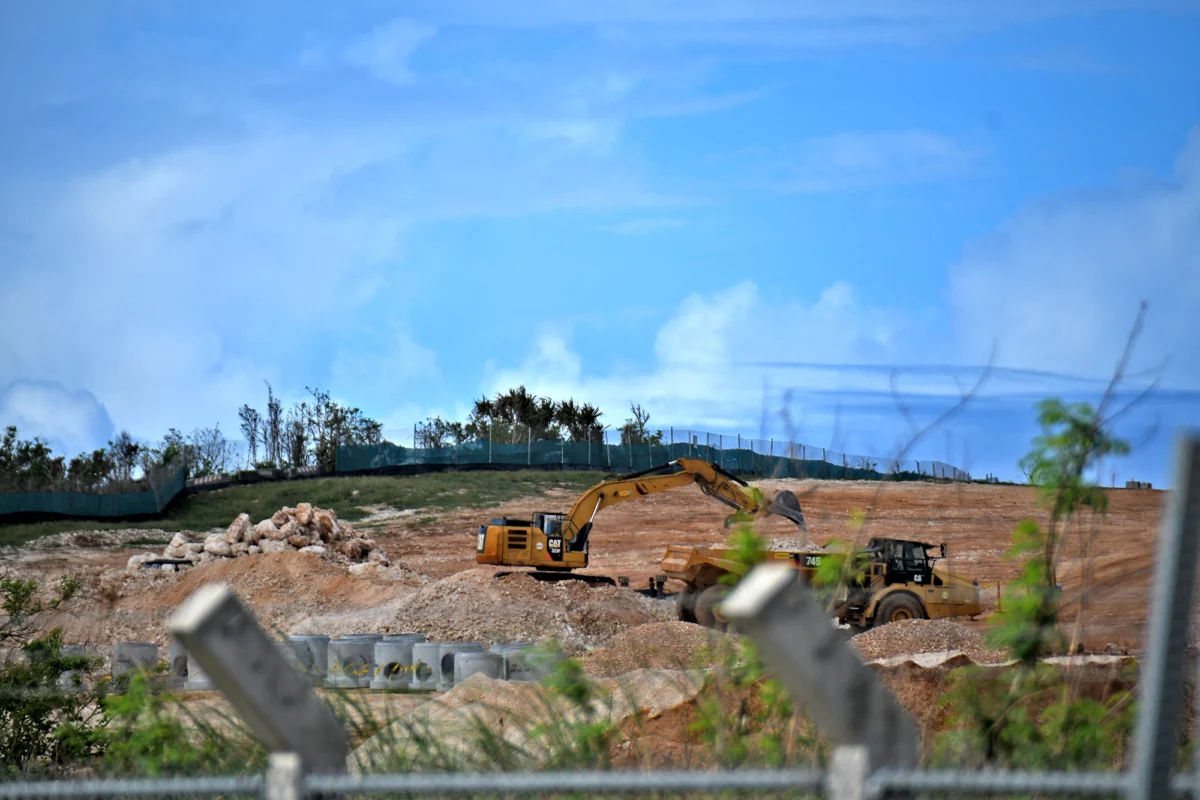
Leevin Camacho was brushing his teeth in his Yigo home last fall when a frantic call from his mother shattered his morning routine. She had received an emergency notice from the local water authority: the well serving their community was contaminated. The subsequent digital flyer was blunt, marked by the ominous, bold-capitalized instruction: DO NOT DRINK. The notice warned of severe health risks, including a heightened probability of liver damage and a link to cancer. As Camacho stood in his bathroom, watching his young children brush their teeth with the very water flagged as toxic, the gravity of the situation transformed from a civic concern into a profound personal crisis.
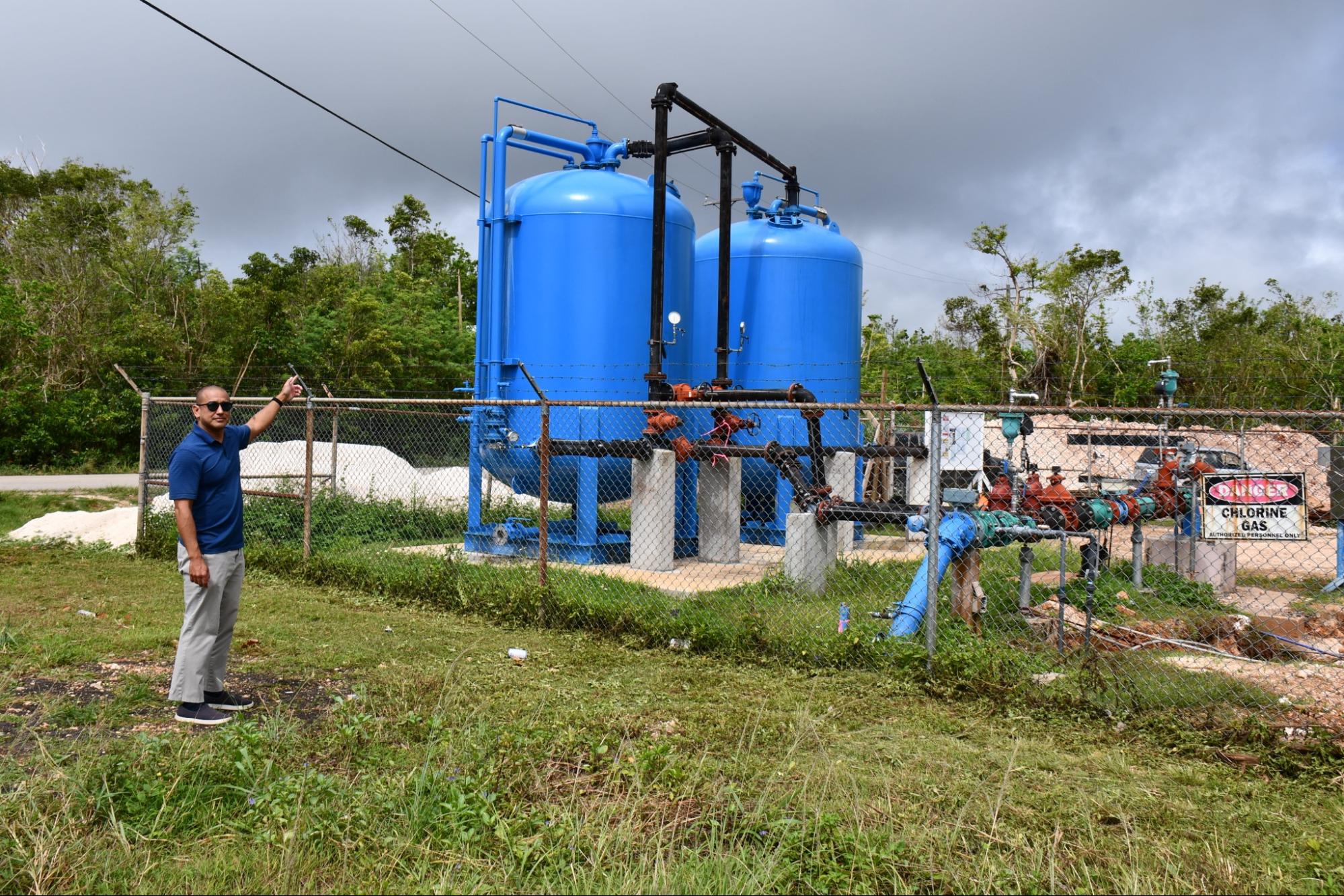
His investigation into the contaminant, dieldrin, revealed a disturbing reality. A potent organochlorine insecticide banned by the United States in 1987, dieldrin is a persistent environmental pollutant known to bioaccumulate in human tissue. Records indicate that high levels of this chemical have been detected in the Yigo well since at least 2008. For families like the Camachos, the realization that they had been cooking with and drinking tainted water for nearly two decades was not just a failure of infrastructure; it was a testament to the long-standing, often invisible, environmental costs of Guam’s status as a U.S. military stronghold.
A History of Strategic Occupation
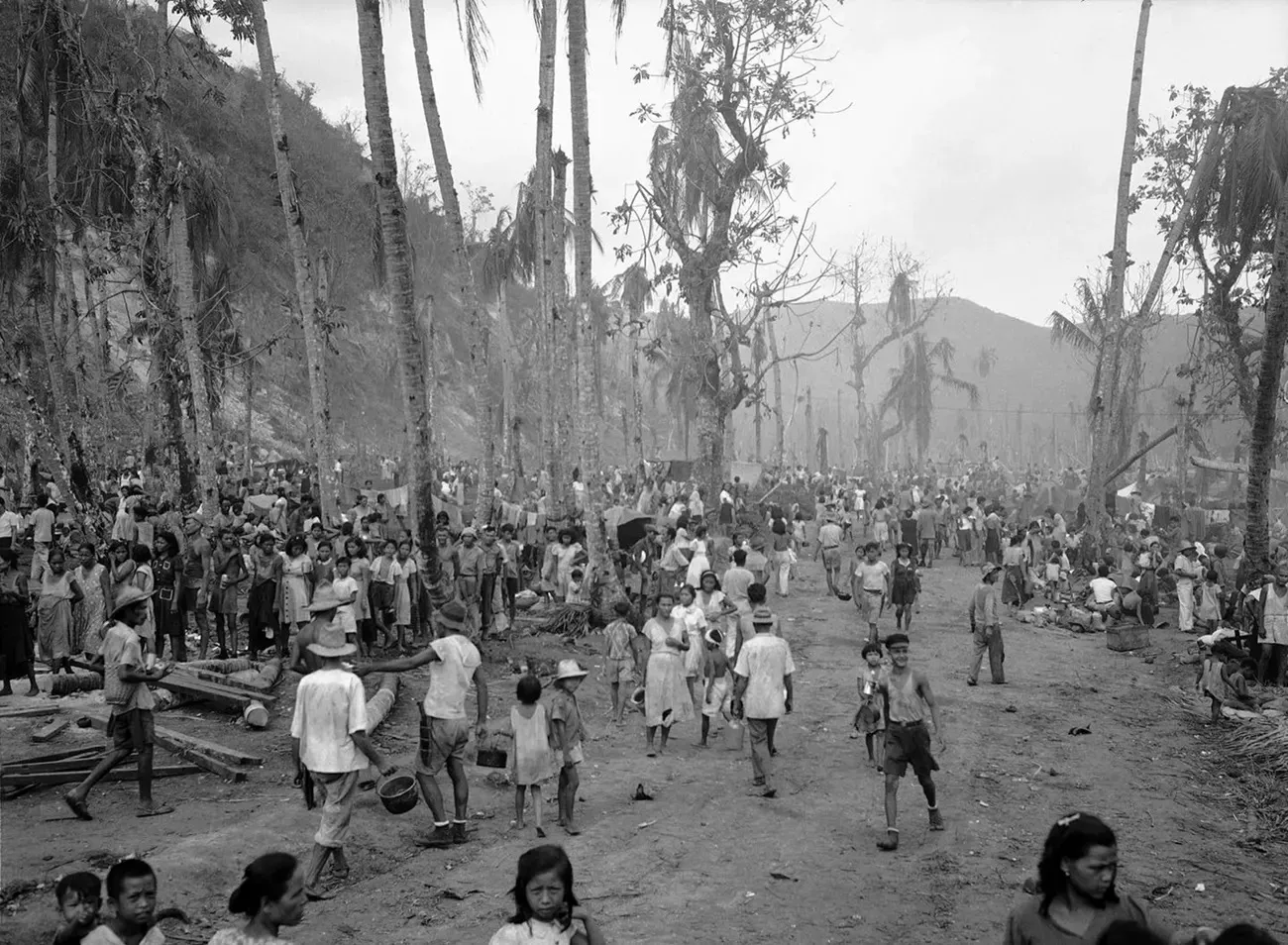
The presence of the U.S. military on Guam is not a recent development, but its intensity has shifted significantly over the last century. Following the U.S. acquisition of the island from Spain in 1898, the island became a critical node in Pacific naval operations. During World War II, the island was occupied by Japan, leading to a brutal three-year period of forced labor and violence for the indigenous CHamoru people. When U.S. forces reclaimed the island in 1944, the narrative of "liberation" became deeply woven into the island’s cultural identity.
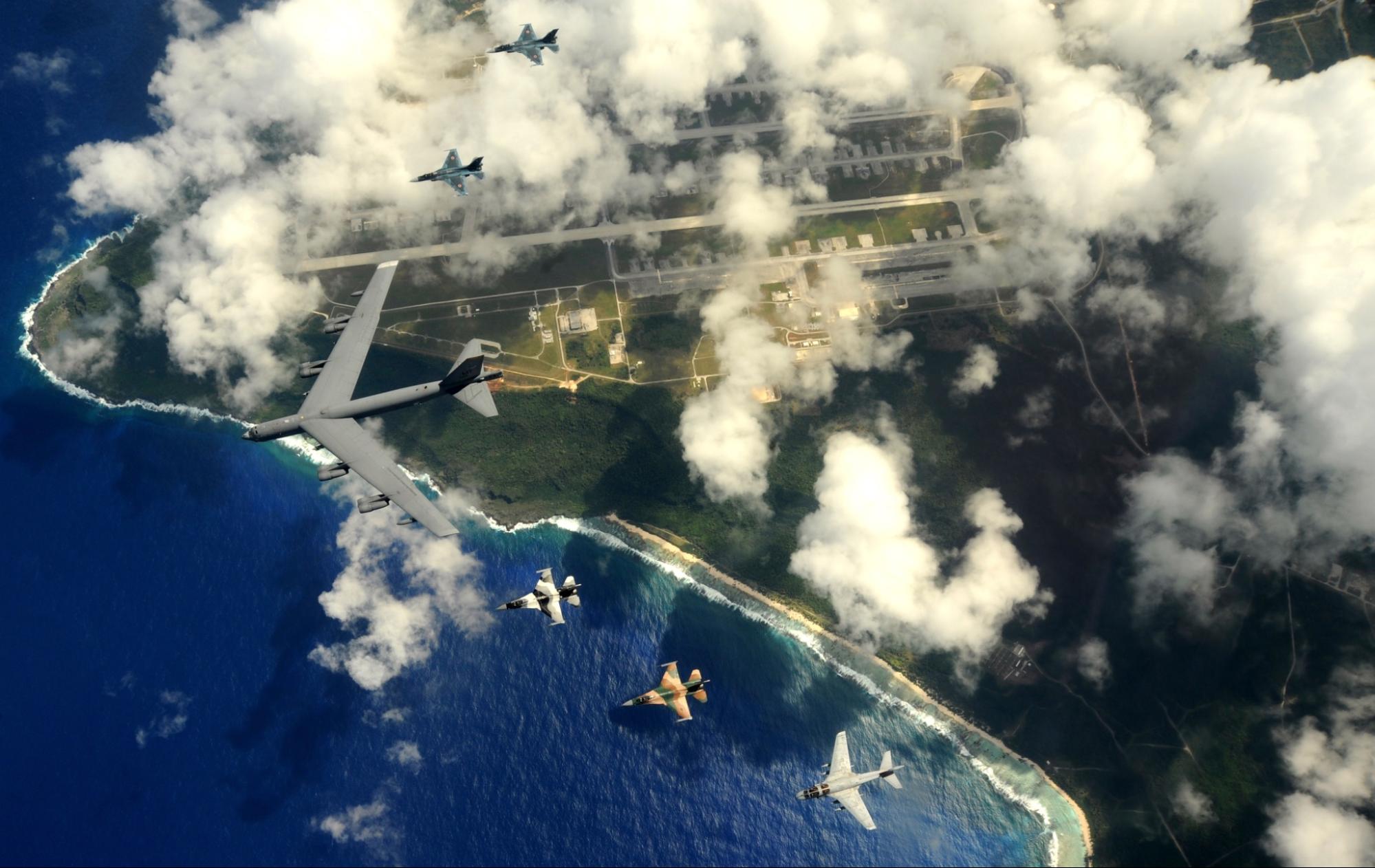
However, the post-war era ushered in a massive land grab. The U.S. military seized approximately two-thirds of Guam to construct airfields, barracks, and logistical hubs. For many residents, including Camacho’s own grandparents, the loss of ancestral land was framed as the necessary price of freedom. Today, the military still controls roughly 25 percent of the island, dictating everything from traffic patterns to access to natural resources. The current buildup, designed to counter growing geopolitical tensions in the Indo-Pacific, is merely the latest chapter in a century-long transformation of the island into a military-first territory.
The Dieldrin Crisis and Institutional Accountability
The contamination in Yigo is currently the focal point of a burgeoning legal and environmental struggle. The U.S. Air Force base adjacent to the Yigo well has identified dieldrin as a "chemical of concern" since 1993, yet the connection between the base’s historical use of the pesticide and the civilian water supply remains a subject of intense scrutiny. Local officials are working with the Department of Defense to trace the source, though investigators caution that because dieldrin was once widely used in agricultural and pest control applications, proving liability will be a complex, multi-layered process.
Rear Admiral Brett Mietus, commander of Joint Region Marianas, has maintained that the military is committed to environmental compliance. In statements provided to reporters, Mietus emphasized that the Pentagon invests heavily in meeting U.S. environmental standards while balancing the urgent necessity of defending the island from advanced missile threats. Critics, however, argue that "compliance" is a lagging metric that fails to address the intergenerational health impacts of chemicals that have been in the groundwater for decades. For residents of Yigo, the disconnect between the military’s high-tech defensive mission and their inability to provide basic, safe drinking water is a glaring contradiction.
The Economics of the Military Buildup
The military’s presence on Guam is a double-edged sword. Economically, the infusion of billions of dollars in federal spending—ranging from construction projects to operational logistics—has undeniably fueled the island’s GDP. One in nine Guam residents serves in the armed forces, and local economists often cite the military as a primary driver of stability. Governor Lou Leon Guerrero has frequently advocated for a cooperative approach, arguing that if the military buildup is inevitable, the focus should be on leveraging that presence to improve local infrastructure, such as power grids and hospitals.
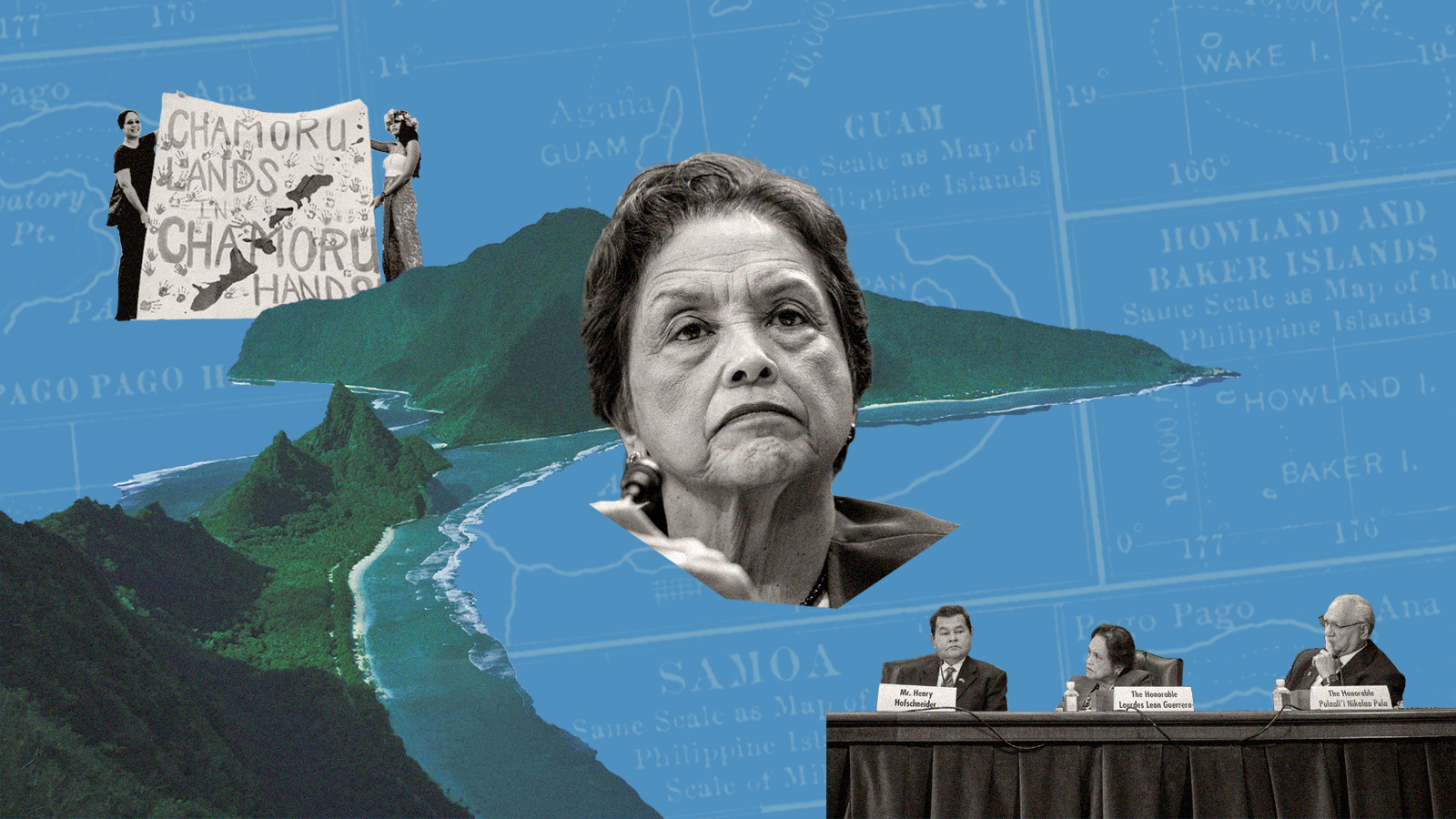
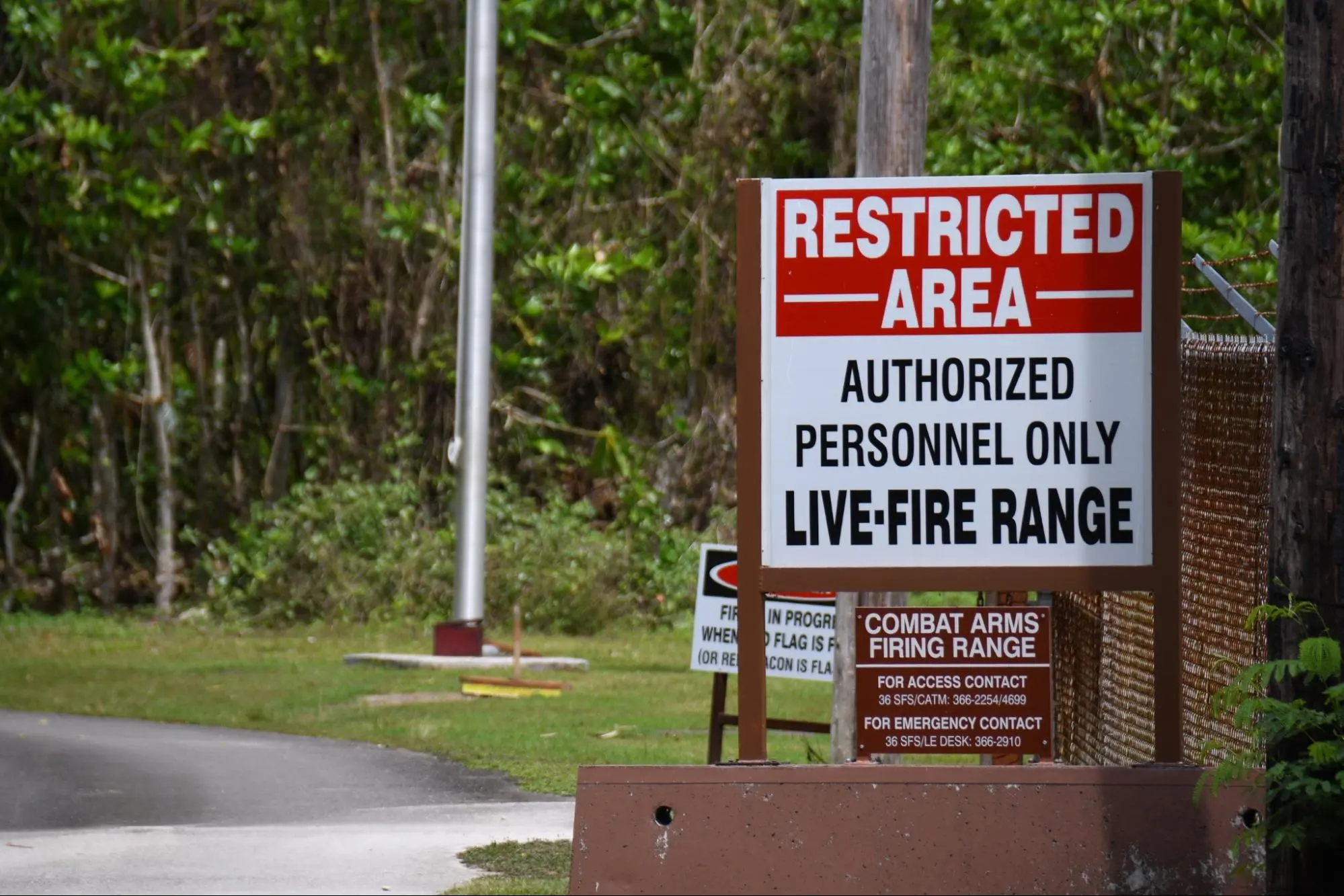
However, this economic "opportunity" comes with inflationary pressure. As the military population grows—projected to reach nearly 30,000 personnel and dependents by 2037—the cost of living has skyrocketed. Median home prices have more than doubled since 2010, effectively pricing many locals out of their own communities. The construction of the new Marine Corps Base Camp Blaz and the expansion of missile defense sites have accelerated this shift, turning large swaths of the northern landscape into restricted zones that prioritize military readiness over local residential needs.
Environmental Degradation and Cultural Loss
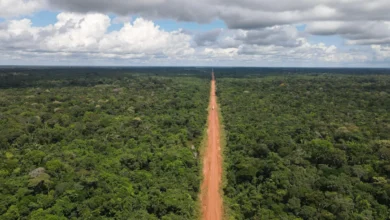
The physical landscape of Guam is undergoing a rapid metamorphosis. Indigenous leaders and environmental advocates point to the destruction of limestone forests, the dredging of protected reefs, and the potential for increased seismic and chemical pollution as irreversible damages. The construction of new machine-gun ranges near the Guam National Wildlife Refuge has drawn legal fire from community groups like Prutehi Guåhan, who argue that the military is sacrificing endangered species and sacred sites to meet its strategic goals.
Beyond Guam, the "strategic vision" of the Department of Defense is extending into the Federated States of Micronesia and Palau. The proposal to develop seaports and airfields on the island of Yap, for instance, has sparked fears of similar environmental and cultural disruption. The potential disturbance of 1,000-year-old graves and the dredging of marine protected areas illustrate the "collateral damage" that often accompanies the expansion of military infrastructure. For the indigenous populations of these islands, the concern is not just about the loss of land, but the loss of sovereignty and the risk of being transformed into a battlefield in a hypothetical conflict between the U.S. and China.
Legal Frontiers and the Quest for Accountability
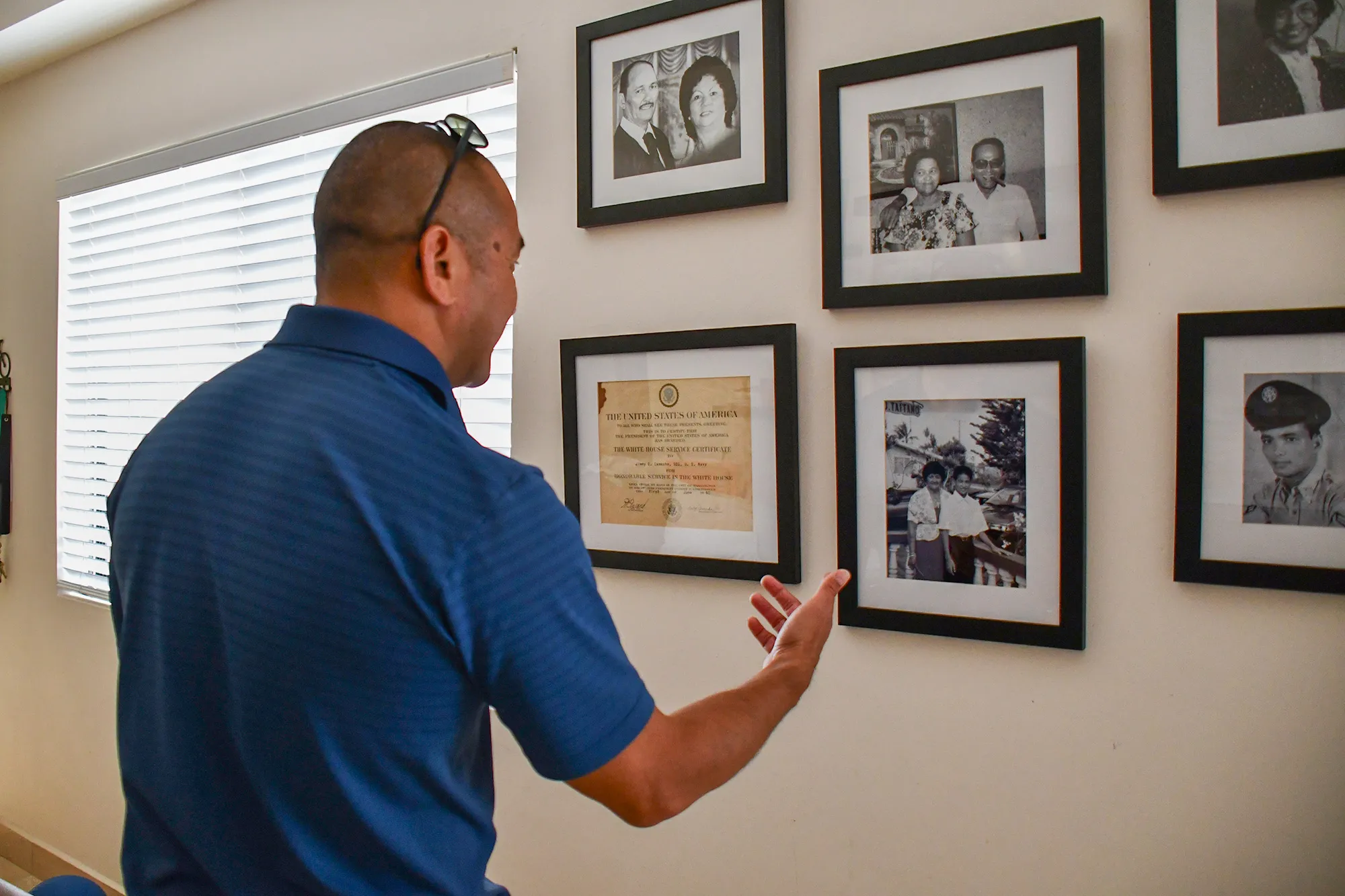
Leevin Camacho’s shift from a corporate-minded lawyer to a fierce advocate for environmental justice mirrors the broader sentiment of many Guam residents. His work, including a landmark lawsuit regarding the Ordot Dump that reached the U.S. Supreme Court, proved that the military could be held to account for legacy pollution. The resulting $48.9 million settlement was a watershed moment, demonstrating that persistent litigation can force federal agencies to address decades of neglect.
Currently, Camacho’s firm is managing over 700 claims against local and federal authorities regarding the Yigo water contamination. These legal battles serve as a warning to the Department of Defense: the people of Guam are no longer willing to accept the role of a "sacrifice zone." Whether through legal action or political pressure, there is a growing demand for the right to "free, prior, and informed consent" regarding any project that alters the island’s ecosystem or threatens the health of its citizens.
Looking Toward the Future
As the U.S. military continues to position Guam as the "tip of the spear" in its Indo-Pacific strategy, the tension between national security and local sustainability remains unresolved. The military argues that its presence is a deterrent against aggression; residents argue that the presence itself creates a target and leaves them vulnerable to both the threats of war and the toxicity of peace-time operations.
For Leevin Camacho and many others, the path forward is not necessarily the removal of the military, but a total restructuring of the relationship. It requires a departure from the "real estate" mentality—where the island is treated as a static asset for the Pentagon—toward one that recognizes the human, cultural, and environmental rights of the people who call the island home. As Camacho noted, leaving is not an option. For the residents of Guam, the future is tied to the land and the water, and the fight to keep them clean is, ultimately, a fight for the survival of their culture and their children’s future. The coming decade will determine whether that future is one of coexistence or one defined by the same patterns of exploitation that have defined the last hundred years.