San Francisco City Attorney David Chiu Files Lawsuit Against Trump Media Over Truth API Paid Subscription Service

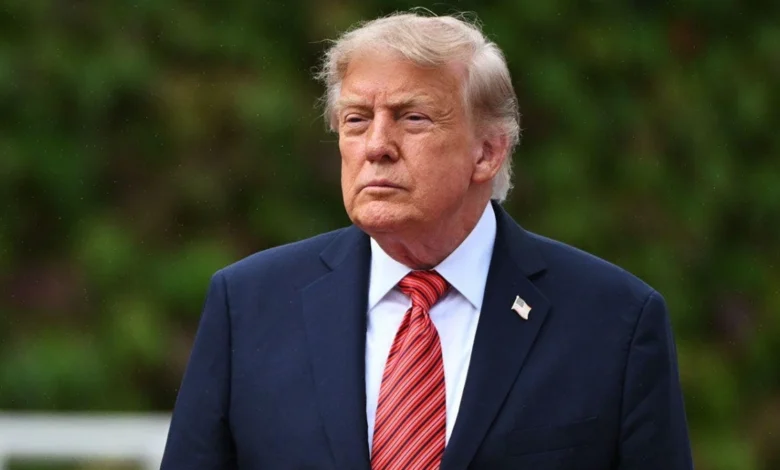
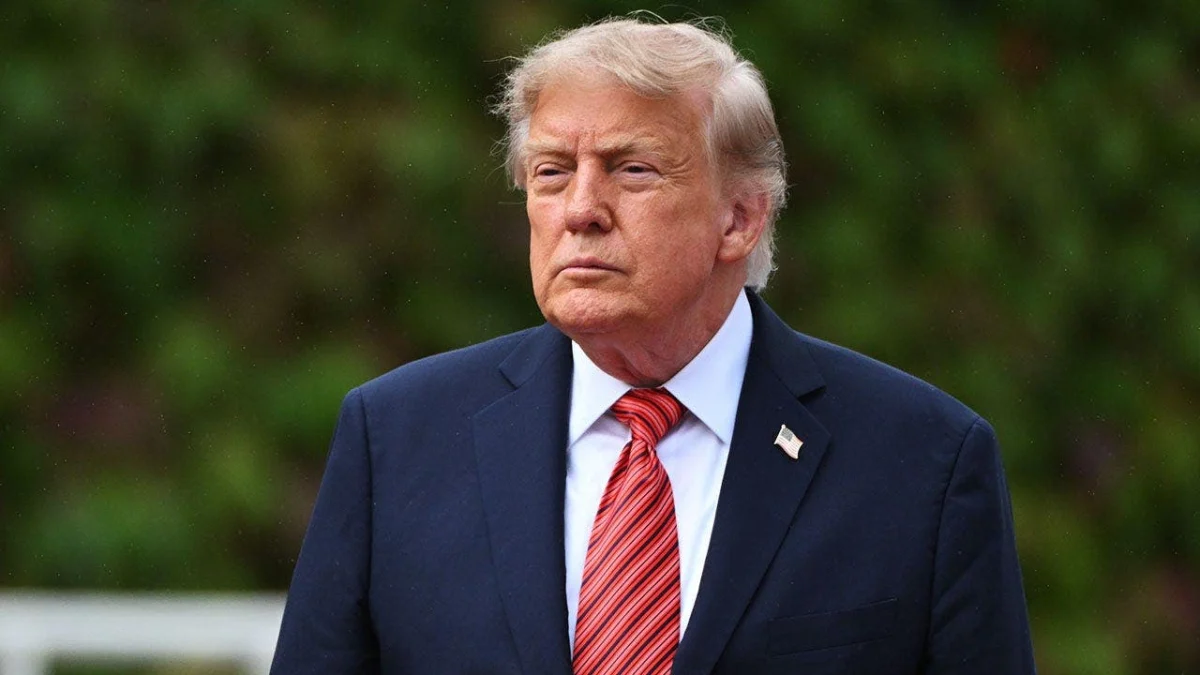
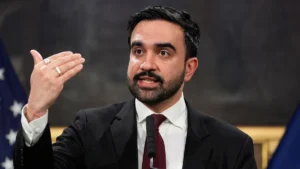
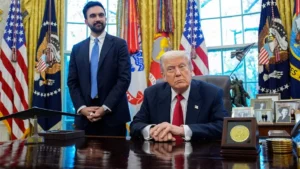
The intersection of modern digital media, high-frequency finance, and executive governance has entered a new and contentious legal arena. President Donald Trump’s social media enterprise, Trump Media & Technology Group, is facing a rigorous legal challenge brought forth by San Francisco City Attorney David Chiu. The lawsuit targets the company’s exclusive Truth API subscription service, which grants high-paying institutional clients microsecond-level early access to communications and official statements originating from high-profile accounts on the platform, including that of the president himself.
The legal action, filed in California state court, invokes the state’s Unfair Competition Law (UCL). City officials argue that the premium service functions as an exclusive, pay-to-play marketplace, allegedly giving deep-pocketed Wall Street firms and high-frequency trading outfits an unfair structural advantage over everyday retail investors. As regulatory bodies and legal scholars scrutinize the monetization of digital political discourse, the case highlights growing anxieties regarding the blurred lines between public government communication, private corporate profit, and market equity.
The Mechanics of the Truth API Controversy
At the center of the litigation is the Truth API product, a commercial data-streaming service introduced by Truth Social. While standard users access the platform through traditional applications and web browsers free of charge, the API tier is tailored specifically for sophisticated quantitative trading entities and financial analysis firms.
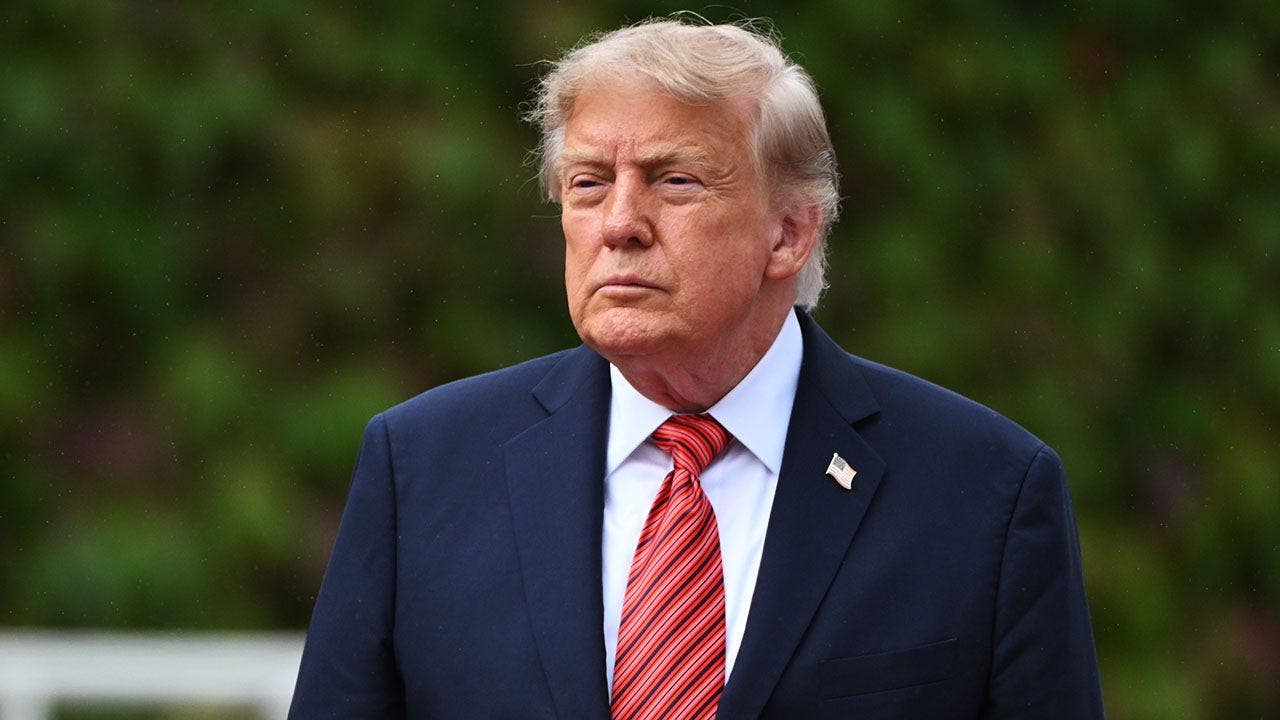
According to municipal filings and public statements from the San Francisco City Attorney’s Office, the subscription carries a steep monthly price tag ranging from $60,000 to $100,000. In exchange for this substantial financial commitment, subscribers receive data feeds streamed at speeds designed to bypass standard network delays. Because statements posted by the president and other major political figures frequently carry significant economic weight—capable of swaying currency valuations, defense stocks, international trade sentiment, and broader equities markets—the ability to process these statements microseconds before the general public offers a distinct financial edge.
City Attorney David Chiu emphasized the gravity of these mechanics during a press briefing, characterizing the setup as a direct mechanism for privileged information access. Municipal prosecutors contend that by monetizing priority access to statements that often double as official executive communications or policy signals, the platform creates an unlevel playing field reminiscent of insider trading pipelines, albeit operating within the largely unregulated frontier of social media data licensing. Furthermore, the lawsuit underscores that President Trump maintains a substantial ownership stake in Trump Media, estimating his holding at approximately 41%. Consequently, critics argue that the financial proceeds generated by the API directly benefit the nation’s chief executive, raising profound structural and ethical questions.
Chronology and Concurrent Legal Challenges
The rollout of the Truth API service and the subsequent legal fallout have unfolded rapidly over a compressed timeline:
- August 1: Trump Media officially rolls out the Truth API tier, positioning the product as a high-speed data stream for institutional clients and financial analysts.
- Late August: Financial analysts and legal watchdogs begin raising alarms regarding the ethical implications of monetizing early access to market-moving political statements.
- Monday: The city of San Francisco officially files its lawsuit in California court, seeking injunctive relief under the Unfair Competition Law to block the service and levy civil penalties. Concurrently, a coalition of former federal prosecutors and investigative agents submits an amicus curiae court brief backing a separate legal challenge against the platform.
- Tuesday: City Attorney David Chiu holds a formal press conference detailing the municipality’s legal arguments, emphasizing the dangers of pay-to-play government communications and market manipulation.
The San Francisco lawsuit is not isolated. It runs parallel to a separate constitutional challenge filed by non-profit organizations including The Intercept and the Freedom of the Press Foundation. That distinct legal action approaches the controversy through a constitutional lens, alleging that the tiered access model infringes upon fundamental First and Fifth Amendment protections by commodifying public discourse and granting preferential treatment to elite corporate entities over ordinary citizens and independent journalists.
Corporate and Institutional Responses
In the wake of the legal filings, representatives for Trump Media & Technology Group issued a sharp rebuttal. Dismissing the municipality’s legal arguments, a corporate spokesperson criticized the framing of the lawsuit and the motivations driving local officials.
"The people of California should outsource their future lawsuits to AI chatbots who, unlike the left-wing activists masquerading as attorneys who filed this lawsuit, will grasp the basic distinction between public and nonpublic information," the Trump Media spokesperson said in a statement provided to digital media outlets.
The corporate defense hinges primarily on the legal distinction between genuinely nonpublic proprietary information—such as confidential corporate earnings reports or unreleased regulatory decisions—and public statements broadcast on an open social media network. Trump Media maintains that because the posts are ultimately destined for the public domain, making them available via an accelerated, paid technical pipeline does not constitute insider trading or the distribution of illicit nonpublic material.
Meanwhile, federal entities have largely distanced themselves from the private corporate dispute. White House spokespersons referred all inquiries regarding the platform’s commercial operations directly to Trump Media and The Trump Organization. Representatives for The Trump Organization and the San Francisco City Attorney’s Office have faced heavy media scrutiny as the litigation proceeds through preliminary procedural hurdles.

Broader Implications for Markets, Ethics, and Governance
The legal showdown between San Francisco and Trump Media touches upon foundational questions concerning the digitalization of modern governance and the commercialization of political speech. As digital platforms increasingly serve as the primary medium through which leaders communicate policy shifts, trade positions, and regulatory threats, the mechanisms governing the dissemination of that information take on systemic importance.
Financial market experts have long warned about the systemic risks associated with speed-based advantages in trading environments. High-frequency trading firms routinely invest millions of dollars in fiber-optic infrastructure and server colocations to shave milliseconds off their trade execution times. When integrated with real-time political announcements, these technological capabilities can trigger automated buy or sell orders across major stock indices before human traders or traditional newsrooms have even parsed the text of a statement.
Ethical watchdogs note that the monetization of executive communications elevates the stakes regarding potential conflicts of interest. While previous administrations operated under strict protocols designed to separate official communications from private commercial enterprises, the modern landscape features executive figures directly tied to publicly traded media corporations. This structural convergence of political authority and corporate enterprise creates unprecedented challenges for regulatory bodies such as the Securities and Exchange Commission (SEC) and the Federal Communications Commission (FCC), neither of which has yet established definitive rules governing the API reselling of executive social media feeds.
As the litigation proceeds in California courts, the outcome could establish a critical legal precedent. If municipal authorities successfully apply unfair competition statutes to social media data licensing, platforms across the technological spectrum may be forced to reevaluate how they distribute high-value content to institutional clients. Conversely, a dismissal of the lawsuit would affirm the legal autonomy of digital networks to package and sell data streams under existing commercial frameworks. Regardless of the judicial verdict, the controversy underscores the urgent need for a comprehensive examination of how digital communications, financial markets, and political power intersect in the twenty-first century.