The Intersection of Hip-Hop Culture and Geopolitical Polarization in the Modern Music Industry

The music industry has long served as a mirror to the societal fractures of its time, yet few moments have highlighted the volatile intersection of pop culture and international conflict as sharply as the recent controversy surrounding the North American leg of Ed Sheeran’s "Mathematics" tour. The situation, which resulted in the removal of rapper Macklemore from the tour’s supporting lineup, underscores a deepening divide among artists, industry executives, and fans regarding the ongoing war in Gaza and the responsibilities of public figures to navigate these complex, often irreconcilable narratives.
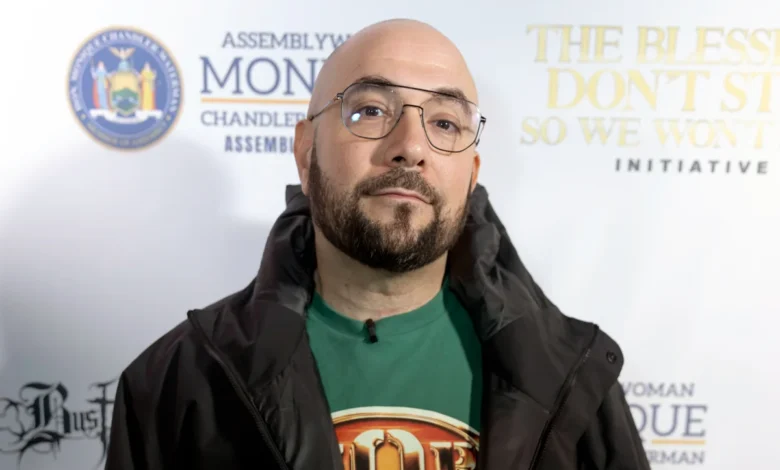
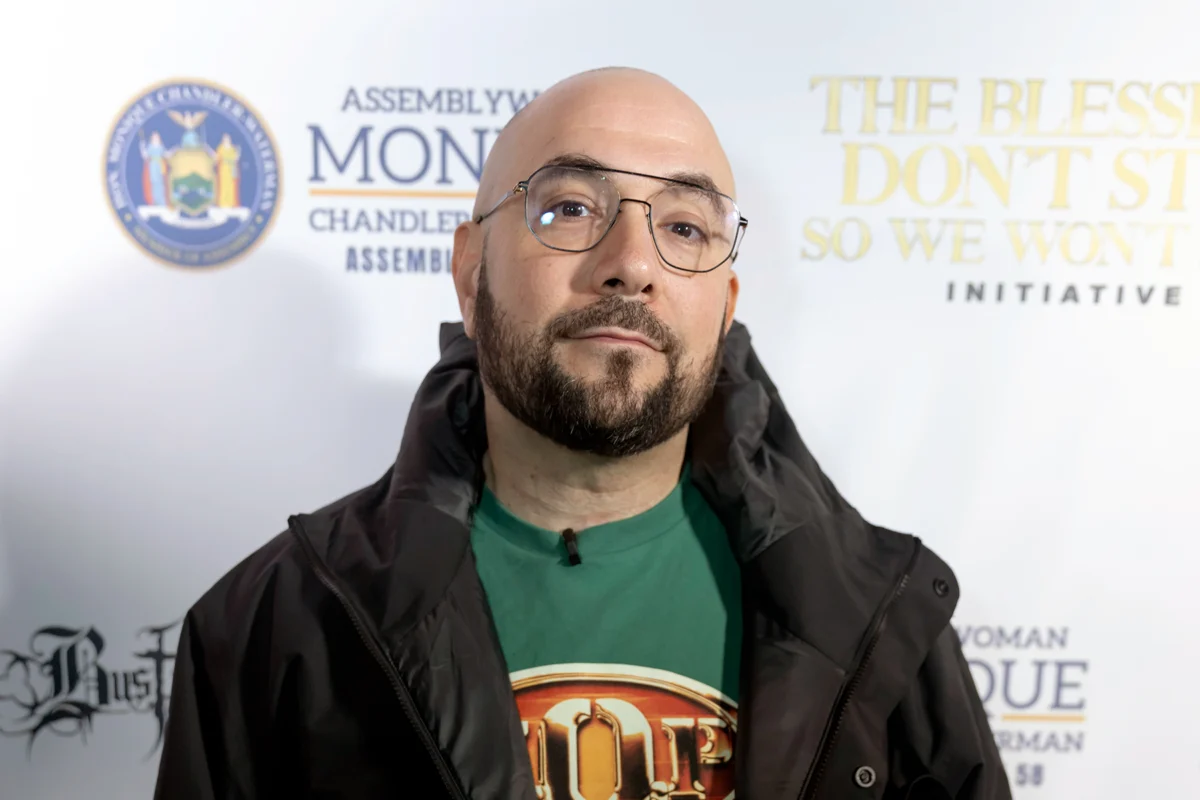
At the center of this discourse is Peter Rosenberg, a prominent radio personality and co-host of the Ebro Laura Rosenberg Show. Rosenberg, who has navigated a long career in hip-hop, finds himself at a unique vantage point: a Jewish voice within a genre that has historically embraced diverse political expression, yet is now grappling with heightened tensions regarding antisemitism, Zionism, and the humanitarian crisis in the Middle East.
Chronology of the Conflict
The tension escalated in the wake of the October 7, 2023, Hamas-led attacks on Israel and the subsequent military response in Gaza. While these tensions had been simmering for decades, the public discourse within the entertainment industry reached a boiling point in late 2024.
Macklemore, a vocal proponent of the "Free Palestine" movement, utilized his platform during the tour to advocate for his political positions. This advocacy prompted a swift reaction from stakeholders associated with the tour, most notably Robert Kraft, the New England Patriots owner and businessman whose Gillette Stadium hosted dates on the tour. Kraft publicly condemned Macklemore’s onstage rhetoric, characterizing it as hate speech. This intervention catalyzed a cascading series of events: the cancellation of Macklemore’s appearances, the resignation of members of Sheeran’s backing band in solidarity with the rapper, and a broader public debate regarding the boundaries of artistic expression versus corporate risk management.
The Evolution of Antisemitism and Public Discourse
Industry observers note that the climate for Jewish figures in media has shifted significantly since the mid-2020s. Peter Rosenberg, who rose to prominence at Hot 97, recalls a time when his identity as a Jewish man in the hip-hop community was viewed as a curiosity or a point of novelty rather than a target of animosity. However, he points to a marked shift following the high-profile antisemitic rhetoric employed by Ye (formerly Kanye West) starting in 2022.

The normalization of antisemitic tropes—ranging from conspiracy theories about media control to the glorification of historical figures like Adolf Hitler—has created an environment where Jewish professionals in the music space feel increasingly isolated. Rosenberg argues that the current atmosphere makes it nearly impossible to have nuanced conversations, as the internet’s "all-or-nothing" approach to discourse drowns out the rational center.
Data and Societal Context
The rise in reported hate crimes provides a sobering backdrop to these cultural debates. According to FBI data and various human rights monitoring groups, incidents of both antisemitism and Islamophobia have surged to historic highs in the United States since October 2023. This atmosphere of fear and heightened sensitivity explains why corporate entities, such as stadium owners and concert promoters, have become increasingly risk-averse, often choosing to terminate artist relationships rather than mediate disputes over political messaging.
Economically, the music industry is witnessing a "politicization of the stage." Historically, artists were granted a wide berth for political activism. Today, however, the integration of venue ownership—often by high-net-worth individuals with their own political foundations—means that an artist’s speech is now directly linked to the commercial viability of a tour. The Macklemore incident serves as a case study in how contractual obligations and private ownership of performance spaces can effectively serve as a form of "soft censorship."
Contrasting Perspectives: The "Two-Thing" Reality
A recurring theme among observers is the failure of modern discourse to hold two seemingly contradictory truths: that the atrocities committed on October 7 against Israeli civilians were acts of terror, and that the subsequent military campaign in Gaza has resulted in a humanitarian catastrophe that necessitates international outcry.
Rosenberg’s perspective reflects a growing movement of Jewish intellectuals who are distancing themselves from the policies of the current Israeli government while remaining deeply connected to their cultural heritage. He suggests that the refusal to acknowledge Palestinian suffering in the name of Jewish security, or conversely, the refusal to acknowledge the trauma of October 7 in the name of pro-Palestinian solidarity, creates a vacuum that is filled by extremists on both sides.
The Role of Corporate Responsibility
The intervention of figures like Robert Kraft in the Macklemore dispute has sparked a debate about the role of venue owners in policing content. Critics argue that when powerful stakeholders use their influence to silence artists, they inadvertently confirm the very tropes they seek to combat—namely, the idea that a small, elite group controls the narrative in Hollywood and the music industry.

Rather than silencing dissent, some industry analysts suggest that a more productive path forward would involve direct engagement. Had there been a forum for dialogue—where the artist could explain his position and stakeholders could express their grievances—the outcome might have been one of resolution rather than exclusion. Instead, the current "cancellation" model has only served to deepen the polarization, turning a musical tour into a battleground for global politics.
Broader Implications for the Industry
The long-term implications for the music business are significant. Artists are now navigating a landscape where their personal political beliefs are subject to the vetting of venue owners, sponsors, and a polarized fan base. This is likely to lead to two outcomes:
- Artist Self-Censorship: To ensure tour stability, artists may become more cautious about their public statements, leading to a sanitization of pop culture.
- Bifurcation of the Industry: We may see a rise in "ideological touring circuits," where artists choose to play at venues that align with their specific political viewpoints, further fragmenting the audience.
The situation surrounding the Sheeran tour acts as a microcosm of a much larger struggle. The core issue, as articulated by many in the industry, is the erosion of the "rational middle." When every statement is parsed for political alignment, and when every artist is forced to take a side in a multi-generational conflict, the capacity for art to act as a bridge is significantly diminished.
A Call for Nuance
As the industry moves forward, there is a clear demand for a more robust framework for handling political speech in the arts. While no single approach will satisfy all parties, the current trend of reactive cancellations is clearly unsustainable. It places the burden of geopolitical resolution on the shoulders of pop stars and private citizens, while the complex, substantive work of diplomacy remains stalled.
For individuals like Rosenberg, the path forward involves continuing to speak, to listen, and to challenge the binary narratives that define the current era. "We should be capable of holding two things at the same time," he notes. Whether the broader music industry—and the society it serves—is capable of adopting that same standard remains to be seen. The case of Macklemore and the "Mathematics" tour serves as a stark reminder that in an era of global connectivity, the consequences of our silence, and our speech, have never been more consequential.
Related posts: