Reviving the Magdalena: How AmaWaterways Reopened Colombia’s Historic River Trade Through Cultural Tourism

The resurgence of river cruising along Colombia’s historic Magdalena River marks a significant milestone in modern South American tourism. For the first time in over six decades, passenger vessels are navigating the brown, winding waters that once served as the primary commercial and cultural highway of the nation. This revival, spearheaded by luxury river cruise line AmaWaterways with its twin ships the AmaMelodia and the AmaMagdalena, offers travelers an unprecedented window into remote river communities, traditional craftsmanship, and regions largely untouched by international mass tourism.
A Historic Return to the Magdalena River
For generations, the Magdalena River was the lifeblood of Colombia, facilitating trade, passenger travel, and cultural exchange between the Caribbean coast and the interior. The golden age of steamship travel, famously immortalized in Gabriel García Márquez’s seminal novel Love in the Time of Cholera, depicted a romantic era of transit that ultimately faded into memory by the mid-20th century. As railways and highways developed, commercial passenger navigation on the river effectively ceased for roughly 60 years.
The modern reintroduction of passenger sailing by AmaWaterways bridges a decades-long gap in Colombia’s tourism infrastructure. Operating itineraries between Cartagena and Barranquilla, contemporary vessels like the AmaMelodia glide unhurriedly past rural landscapes and small river settlements. Unlike the heavily trafficked waterways of Europe, such as the Danube or the Rhine, the Magdalena remains an exclusive frontier of slow travel, where the only passing vessel is frequently a sister ship.

Craftsmanship and Community Engagement
A central pillar of the new Magdalena River itineraries is direct, respectful engagement with local artisans and indigenous craft communities. Excursions extending beyond the riverbanks immerse travelers in traditions that have endured for generations, providing economic support and global visibility to regional creators.
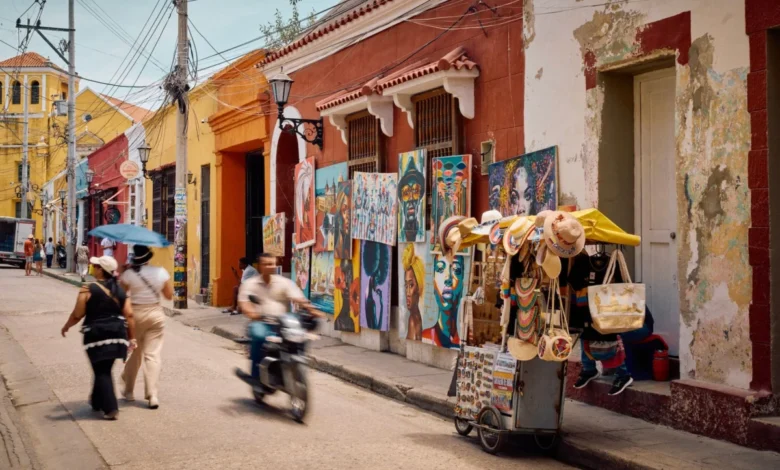
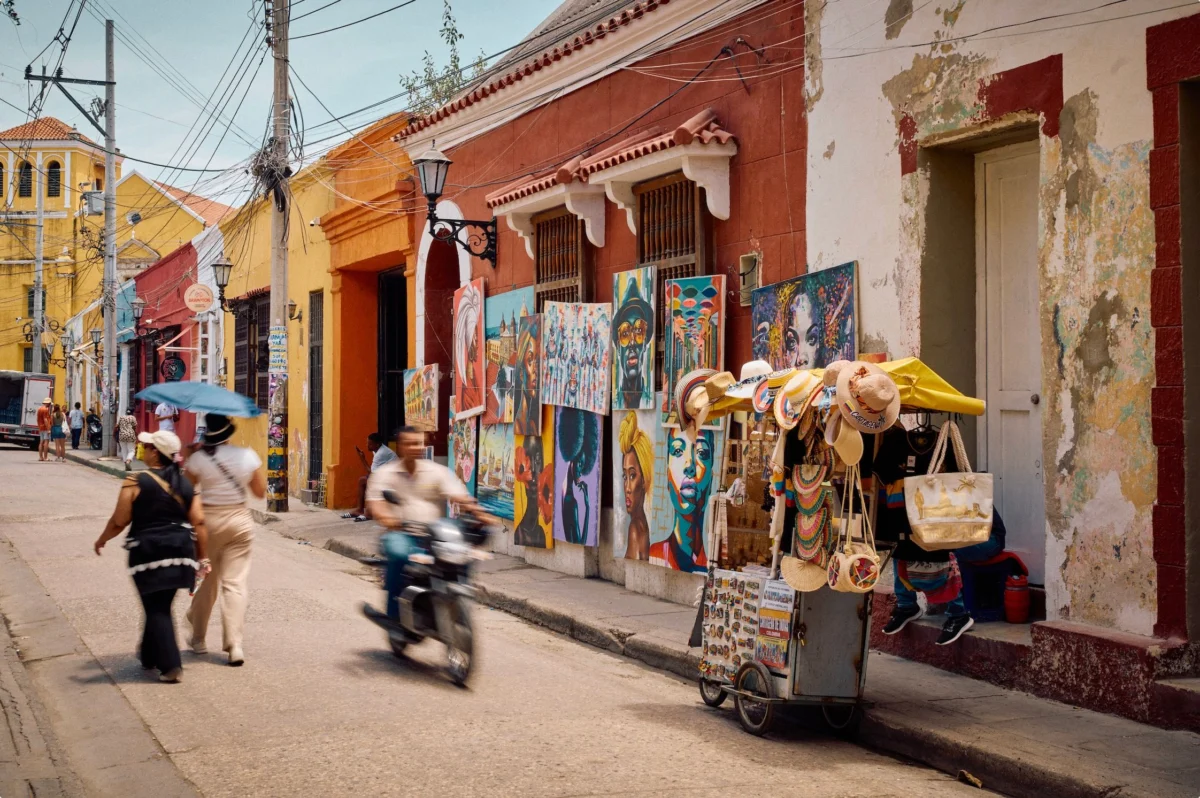
In Usiacurí, a town located approximately an hour outside Barranquilla, skilled artisans weave intricate goods from the local iraca palm. The labor-intensive process involves submerging cut and dried palm fronds in boiling water, introducing powder pigments to achieve vibrant hues, rinsing them with cold water, and hanging them out to dry before braiding them into bags, hats, fans, and jewelry. Similar artisan economies thrive in towns like Mompox, a UNESCO World Heritage site renowned for its delicate silver and gold filigree work, where artisans twist precious metal threads into lacelike formations using open flames.
According to Beno Atan, AmaWaterways’ managing director for Colombia, the development of these shore excursions required five years of meticulous scouting and relationship-building. Atan’s initial exploratory trips involved navigating the river via locally rented boats, engaging directly with village residents, and understanding local commerce to ensure sustainable tourism practices.
Infrastructure Challenges and Cultural Adaptations
Bringing luxury cruise ships to the Magdalena River necessitated substantial infrastructural investments. Because many historic river settlements were never designed to accommodate modern vessels, AmaWaterways engineered custom docking bridges—such as the one constructed at Mompox—to facilitate safe passenger disembarkation.

However, natural and geographical constraints have occasionally required itinerary adjustments. For instance, initial plans to include the village of El Banco—widely celebrated as a historical capital of cumbia, Colombia’s traditional percussive folk music and dance—were abandoned due to the river’s complex, winding approach to the port. To preserve the cultural connection, the cruise line arranged for local musicians and performers to travel by bus to meet the ship, bringing traditional instruments like the stout two-headed bass tambora and the upright tambor alegre directly to the passengers.
In place of El Banco, itineraries were expanded to include Santa Barbara de Pinto, an unassuming fishing village. Here, local infrastructure was similarly adapted with a newly constructed dock to accommodate the dimensions of the AmaMelodia. Interactions in villages like Santa Barbara de Pinto highlight the delicate balance between tourism development and local economies. River guides, such as local experts Eric, Camila, and Mateo, serve as linguistic and cultural liaisons, helping village artisans price their handmade goods—ranging from hand-rolled tobacco to intricately woven fishing nets—fairly for an international market.
Economic and Tourism Implications
The introduction of luxury river cruising to the Magdalena River represents a broader shift in global tourism toward immersive, culturally focused exploration. By channeling high-end travelers into rural Colombian municipalities, operators are stimulating local micro-economies and creating alternative revenue streams for artisans, musicians, and small business owners.
At the same time, the initiative underscores the logistical complexities of introducing modern passenger fleets to developing waterways. Balancing environmental preservation, community consent, and infrastructural expansion remains critical to the long-term viability of the region. As international interest in Colombia’s interior grows, the success of the Magdalena River itineraries may well serve as a blueprint for sustainable heritage tourism in South America.

Priced starting at $3,299 for seven-day sailings, AmaWaterways’ "Magic of Colombia" routes offer a glimpse into a world previously accessible only through literature and historical archives. By weaving modern travel luxury with centuries-old local traditions, the voyage does more than transport passengers from port to port; it reconnects contemporary travelers with a vital, enduring chapter of Colombia’s cultural heritage.