House Democrats Split as Leadership Helps Republicans Block Al Green’s Impeachment Resolution Against President Trump

WASHINGTON — Divisions within the Democratic caucus erupted in the U.S. House of Representatives on Tuesday as dozens of lawmakers crossed party lines to join Republicans in shelving an impeachment resolution targeting President Donald Trump. The legislative maneuver successfully bypassed a direct floor vote on the impeachment measure itself, exposing a deep strategic fault line among congressional Democrats as they navigate a high-stakes midterm election cycle.
The resolution, introduced by outgoing Representative Al Green, D-Texas, centered on the controversial fatal shootings of two U.S. citizens earlier this year by federal immigration personnel. Green’s decision to force a privileged resolution compelled lawmakers to take a public stand on a politically volatile subject that party leadership has actively sought to sideline. When the dust settled, the House voted 232 to 147 to table the measure. The tally revealed an unusual alignment: 18 House Democrats voted directly with the Republican majority to kill the resolution, while 46 voted "present." Nearly 150 Democrats voted against tabling, favoring a substantive vote on the articles of impeachment.
The vote underscores the delicate balancing act facing the Democratic Party. While progressive activists and parts of the anti-Trump base demand aggressive legislative accountability, moderate and independent voters—whose support is critical ahead of the November midterms—tend to prioritize cost-of-living concerns, economic stability, and everyday kitchen-table issues.
The Mechanics of the Tabling Vote
Under House rules, a privileged resolution concerning matters of constitutional privilege or the conduct of federal officials must be considered by the chamber within two legislative days. However, the majority party or allied members can utilize a motion to table, which effectively kills the resolution without requiring a definitive "yes" or "no" vote on the merits of the underlying charges.
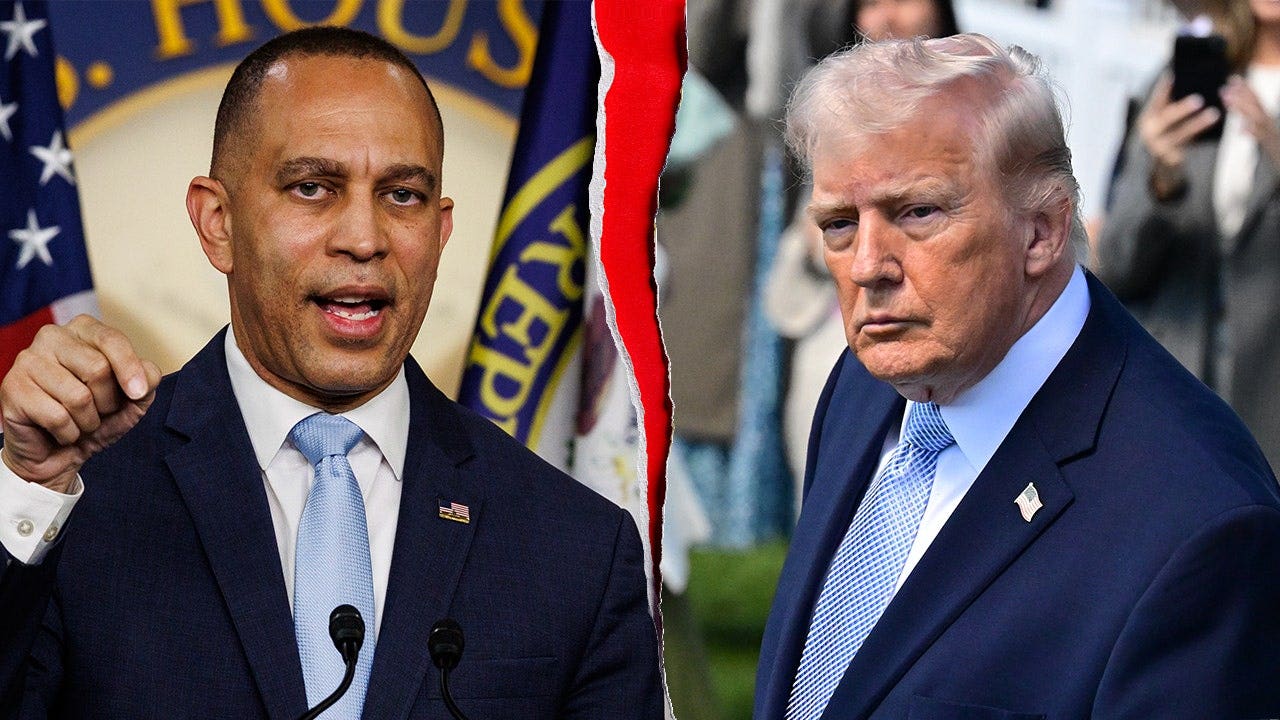
Republicans, holding the majority in the House, moved quickly to introduce and support the tabling motion. They were joined by a notable bloc of 18 Democrats who opted to end the debate immediately. Meanwhile, 46 members chose the "present" option—a parliamentary designation used to abstain from taking a definitive side. Among those voting "present" was House Minority Leader Hakeem Jeffries, D-N.Y., alongside his primary leadership team.
By choosing to vote "present," Democratic leadership managed to avoid a polarized floor fight that could alienate centrist voters while simultaneously allowing the Republican-led tabling motion to succeed without official Democratic obstruction of the GOP’s floor control.
Leadership Rationale and Official Responses
Following the vote, House Democratic leadership issued a joint statement defending their parliamentary stance. They argued that the push for impeachment bypassed the rigorous, methodical investigative processes traditionally required to build a constitutional case against a sitting president.
"Impeachment traditionally requires a comprehensive investigative process, the collection and review of thousands of documents, an exacting scrutiny of the facts, the examination of dozens of key witnesses, congressional hearings, sustained public organizing, and the marshaling of the forces of democracy to build a broad national consensus," the leadership statement read. "None of that serious work has been done, with the Republican majority focused solely on rubber-stamping Donald Trump’s extreme agenda."
The statement concluded by emphasizing the party’s primary electoral messaging: "Accordingly, we will again vote ‘present’ on the motion to table the impeachment resolution as we continue our fight to make life more affordable for everyday Americans, while committing to holding the administration accountable using every tool available to us beginning on day one."
In stark contrast, Representative Green delivered a fiery rebuke of his party’s leadership on the Capitol steps, maintaining that moral and constitutional imperatives transcend political strategy. Green argued that delaying action out of electoral caution amounts to tacit defense of executive overreach.
"They will acknowledge that what the president is doing is impeachable, but they would have us wait. Well, the Constitution doesn’t have a wait clause in it," Green told reporters. "I believe that there are some Republicans and Democrats who are considering voting to protect the president. If they’re not considering protecting him, that will be the effect of what they will do when they vote to either table or they vote to send this to a committee for further investigation."
Background and Chronology of Impeachment Efforts
Tuesday’s showdown is part of a recurring intraparty drama led by Green, who has repeatedly utilized privileged resolutions to challenge presidential authority despite opposition from his own party’s leadership structure.
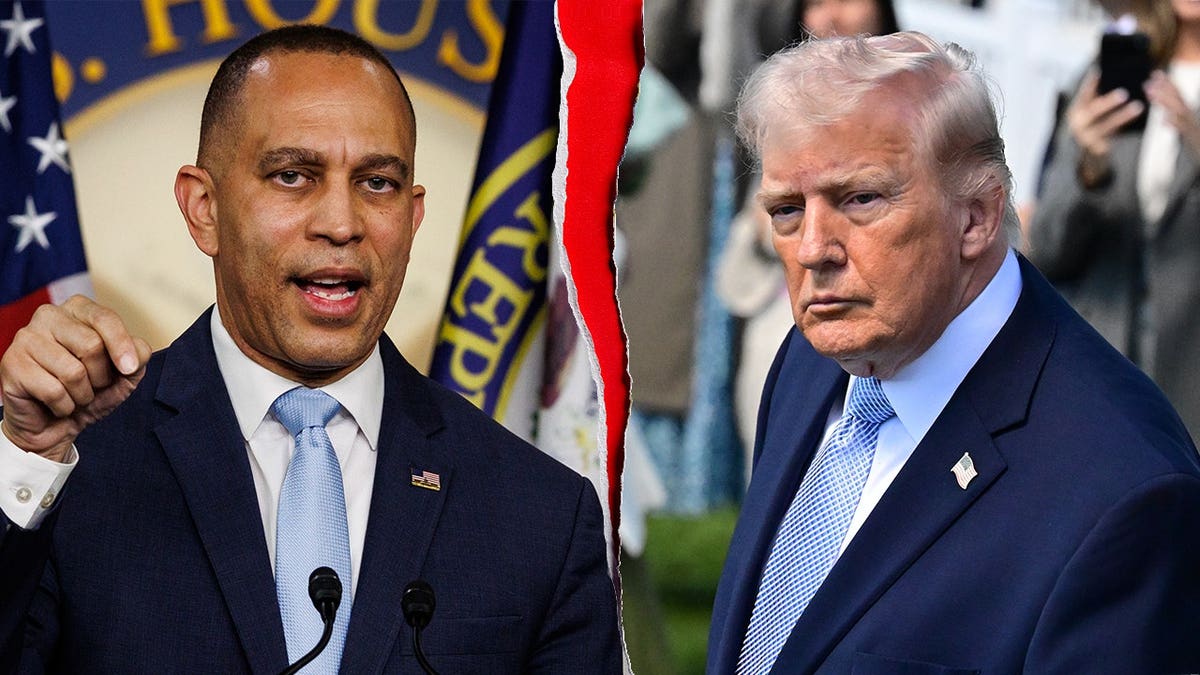
The friction between Green and the Democratic establishment dates back several years. In June 2025, Green forced a similar floor-wide vote on an impeachment resolution targeting President Trump. On that occasion, 128 Democrats broke with progressives to vote alongside Republicans to table the measure, demonstrating that the appetite for rapid impeachment proceedings remains deeply constrained within the broader caucus.
The core of Green’s latest resolution stems from an escalation of tensions surrounding federal immigration enforcement operations earlier in the year. The tragic deaths of two U.S. citizens during operations conducted by federal immigration personnel served as the primary catalyst for the articles of impeachment. Green argued that the incidents constituted a severe abuse of executive power and a violation of constitutional rights, demanding immediate congressional intervention.
However, mainstream Democratic strategists have consistently warned that repeated, unsuccessful impeachment attempts against Trump risk energizing conservative turnout while distracting from the party’s economic platform. With control of Congress hanging in the balance ahead of the November midterms, national party leaders have sought to keep the legislative focus anchored firmly on inflation, healthcare costs, housing affordability, and job creation.
Political Implications and the Fate of Party Rebels
The vote also highlights a broader cultural and ideological shift within the Democratic Party. For Representative Green, the vote may mark the final chapter of his legislative career in the halls of Congress. Green was among several veteran progressive and establishment Democratic incumbents who suffered primary election defeats earlier this year, casualties of an increasingly restless left-wing base demanding generational turnover and heightened confrontation.
Political analysts note that the split vote on Tuesday encapsulates the central dilemma confronting modern congressional minorities. While ideological purists argue that moral clarity requires utilizing every available legislative mechanism to contest executive actions, pragmatists argue that institutional credibility and electoral viability depend on selective, evidence-based oversight rather than symbolic, pre-ordained protest votes.
As the legislative session moves forward, the rift exposed by Green’s resolution demonstrates the ongoing struggle within the Democratic caucus to balance the demands of its grassroots activists with the strategic pragmatism required to win competitive congressional districts. While leadership successfully neutralized Tuesday’s resolution, the underlying tensions over accountability, executive authority, and electoral strategy are expected to remain a defining feature of Washington politics through the November midterms and beyond.