Department of Homeland Security and New York Times Clash Over FBI Investigation Policy Amid Heightened Scrutiny of Immigration Enforcement

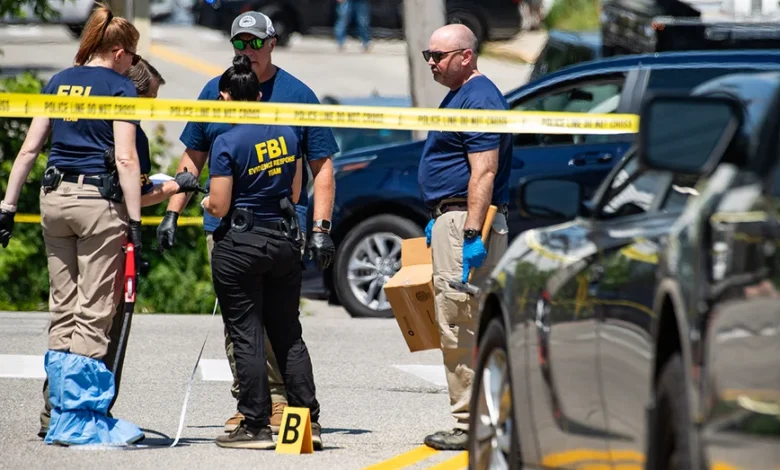
A significant journalistic dispute has erupted between the Department of Homeland Security (DHS) and The New York Times, focusing on the highly sensitive issue of federal oversight in confrontations involving Immigration and Customs Enforcement (ICE) officers. The disagreement centers on a New York Times report alleging that federal agents across the country had been informed that the Federal Bureau of Investigation (FBI) would no longer investigate incidents involving ICE officers. DHS vehemently denied these claims, labeling the reporting as "false" and asserting that the established relationship between DHS and the Department of Justice (DOJ) regarding investigations into assaults on federal officers remains unchanged. This contention unfolds against a backdrop of intensified public scrutiny of immigration enforcement operations, particularly following recent fatal shootings involving ICE agents.
The controversy highlights the intricate dynamics between government agencies and the press, especially when reporting touches upon law enforcement accountability and public trust. At its core, the dispute questions the mechanisms of oversight for federal agents, with The New York Times suggesting a potential shift that would drastically reduce external scrutiny of ICE, effectively allowing the agency to investigate itself in critical incidents. DHS, conversely, insists that the integrity of inter-agency investigations is fully intact, emphasizing a commitment to prosecuting those who assault law enforcement to the fullest extent of the law.
The Genesis of the Dispute: A Report and a Swift Rebuttal
The New York Times published an article detailing what it described as an internal directive communicated to federal agents nationwide. The report claimed that these agents were recently informed that the FBI would cease its investigations into confrontations with immigration agents. This alleged policy alteration carried significant implications, as such FBI investigations sometimes yield crucial evidence that could be used to prosecute DHS agents implicated in violent encounters. The article posited that if enacted, such a policy would "sharply limit law enforcement scrutiny of immigration agents," fundamentally altering the landscape of accountability and potentially leaving ICE to police its own ranks. This concern resonates deeply within civil liberties communities and among advocates for greater transparency in law enforcement.
The Department of Homeland Security was quick to respond, utilizing its official social media channels to issue a stark denial. "This is FALSE," DHS declared, in a message that underscored the gravity of the accusation. The agency elaborated, stating unequivocally that "the relationship between DHS and [the Justice Department] in investigating assault on federal officer cases has NOT changed, and [the FBI] will continue to investigate in accordance with agency policy." This immediate and public refutation aimed to quash the narrative presented by The New York Times, reassuring the public and federal personnel that established protocols for investigating federal officer assaults remain robust. Furthermore, DHS reiterated the administration’s firm stance: "This administration has been clear, anyone who assaults law enforcement will be prosecuted to the fullest extent of the law." This statement sought to reaffirm the government’s commitment to protecting its officers while also implying that investigations into potential misconduct would continue unimpeded.
The New York Times Stands by Its Reporting
In the face of DHS’s strong denial, Danielle Rhoades Ha, a spokesperson for The New York Times, affirmed the outlet’s confidence in its journalism. Responding to inquiries, including from Fox News Digital, Rhoades Ha stated, "We’re confident in the accuracy of our reporting, which revealed that Federal agents around the country were told in recent days that the F.B.I. would no longer investigate confrontations with immigration agents." This unwavering stance indicates that The New York Times believes its sources within the federal government provided accurate information regarding a perceived or communicated shift in policy, regardless of official denials.
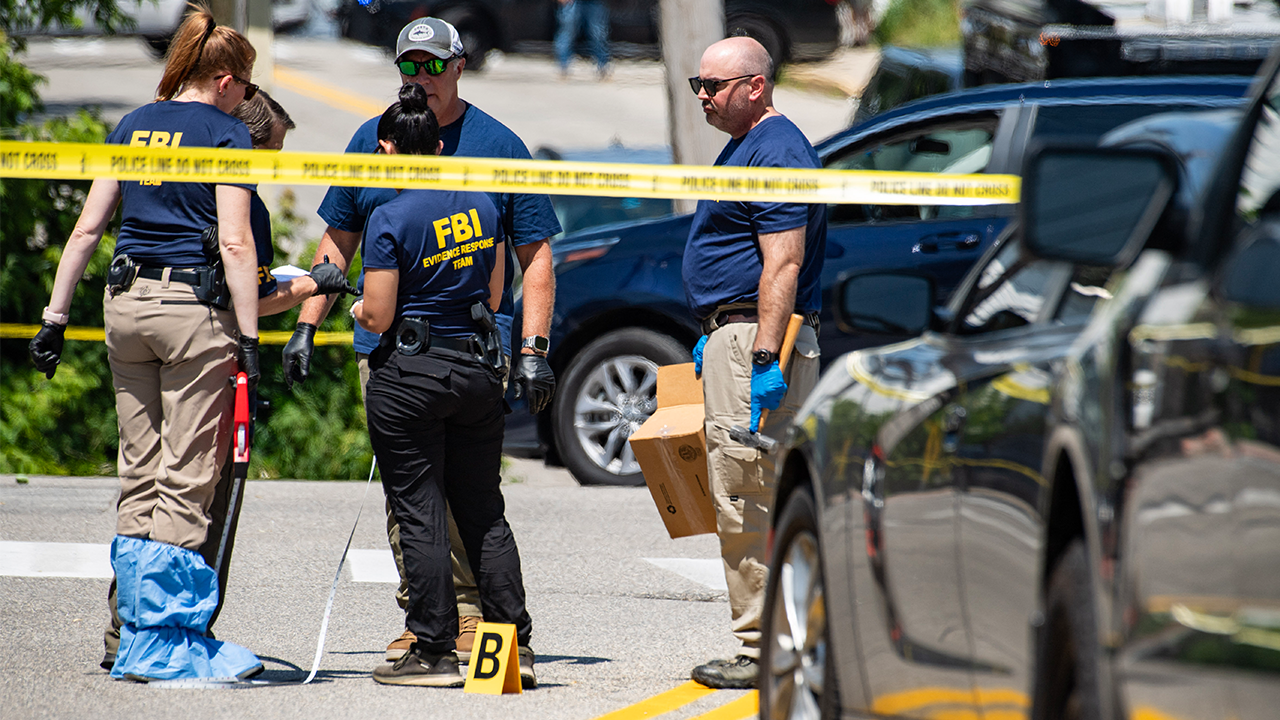
Crucially, Rhoades Ha also pointed out a detail within The New York Times’ original article that adds a layer of complexity to the dispute: the story "included a joint statement from the Justice Department and Department of Homeland Security denying that such a change would be enacted." This inclusion is significant. It suggests that The New York Times was aware of the official position denying any policy shift even as it reported on internal communications suggesting otherwise. This journalistic approach, presenting both the alleged internal communication and the official denial, positions the article as a report on a perceived internal directive or instruction that was contradicted by formal agency policy, rather than a simple assertion of a new official policy. It frames the issue as a potential disconnect between ground-level understanding among agents and the stated policies of top leadership.
Understanding the Inter-Agency Investigative Framework
To fully grasp the implications of this dispute, it’s essential to understand the traditional roles and relationships among the Department of Homeland Security, the Department of Justice, the FBI, and ICE.
- Department of Homeland Security (DHS): Created in the wake of 9/11, DHS is a massive cabinet department with a broad mission to protect the United States from a variety of threats. It oversees numerous agencies, including ICE.
- Immigration and Customs Enforcement (ICE): A component agency of DHS, ICE is responsible for enforcing immigration laws, investigating transnational crime, and ensuring border security. ICE operations often involve direct encounters with individuals, sometimes leading to confrontations.
- Department of Justice (DOJ): The principal law enforcement arm of the U.S. government, the DOJ is responsible for enforcing federal laws, representing the U.S. in legal matters, and providing legal advice to the President and executive departments. It oversees the FBI.
- Federal Bureau of Investigation (FBI): As the primary investigative arm of the DOJ, the FBI investigates federal crimes, including assaults on federal officers. Its role as an independent investigative body is critical for maintaining impartiality and public trust when allegations of misconduct or criminal activity involve other federal agencies.
Historically, when a federal officer, including an ICE agent, is involved in a shooting or a significant use-of-force incident that results in injury or death, or when an officer is assaulted in the line of duty, the FBI is typically called in to conduct an independent investigation. This practice is crucial for several reasons:
- Impartiality: An external investigation by the FBI helps ensure objectivity, preventing potential conflicts of interest that might arise if the agency employing the officer (e.g., ICE or DHS) were to investigate itself.
- Public Trust: Independent investigations foster greater public confidence in the integrity of law enforcement and the justice system.
- Legal Scrutiny: FBI investigations gather evidence that can be used by federal prosecutors from the DOJ to determine if criminal charges are warranted against individuals who assaulted officers, or against officers themselves in cases of excessive force.
The New York Times’ report, therefore, touched upon a fundamental pillar of federal law enforcement accountability. Any perceived shift away from FBI involvement would represent a significant change in how serious incidents involving ICE agents are handled, potentially raising concerns about transparency and fairness.
Recent Incidents Fueling Scrutiny and Protests
The dispute between DHS and The New York Times is not occurring in a vacuum; it is deeply intertwined with recent events that have intensified public and media scrutiny of immigration enforcement. The original article specifically mentions that the alleged policy shift comes as the Trump administration "draws mounting criticism over killings at the hands of federal officers."
Indeed, the month preceding this dispute saw two fatal shootings involving ICE officers:
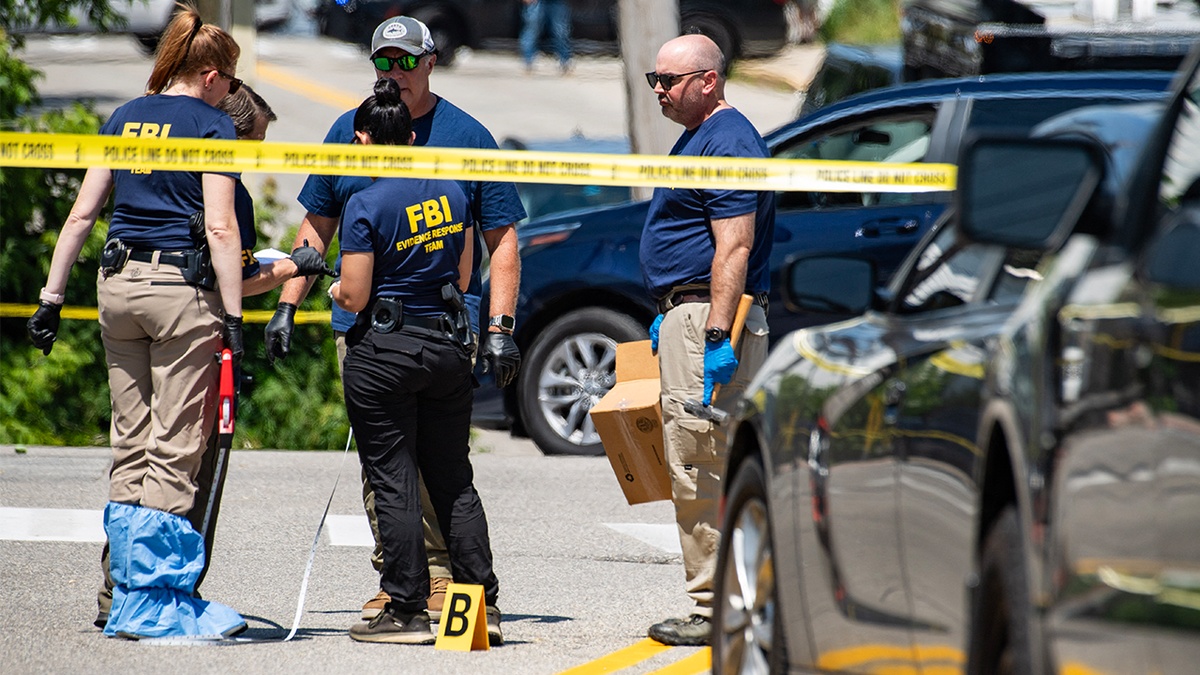
- Maine Incident (July 13, 2026): In Biddeford, Maine, an individual identified as Joan Sebastian Guerrero, a 26-year-old man from Colombia, was killed in a shooting involving ICE agents. The circumstances surrounding the shooting sparked immediate local and national protests. Images from the scene showed a car with multiple bullet holes in the windshield, indicating a violent confrontation.
- Texas Incident (Early July 2026): Prior to the Maine incident, an ICE agent in Houston, Texas, shot and killed a Mexican man during an operation. While fewer details were immediately available in the original article, this incident further fueled public outrage and demands for accountability.
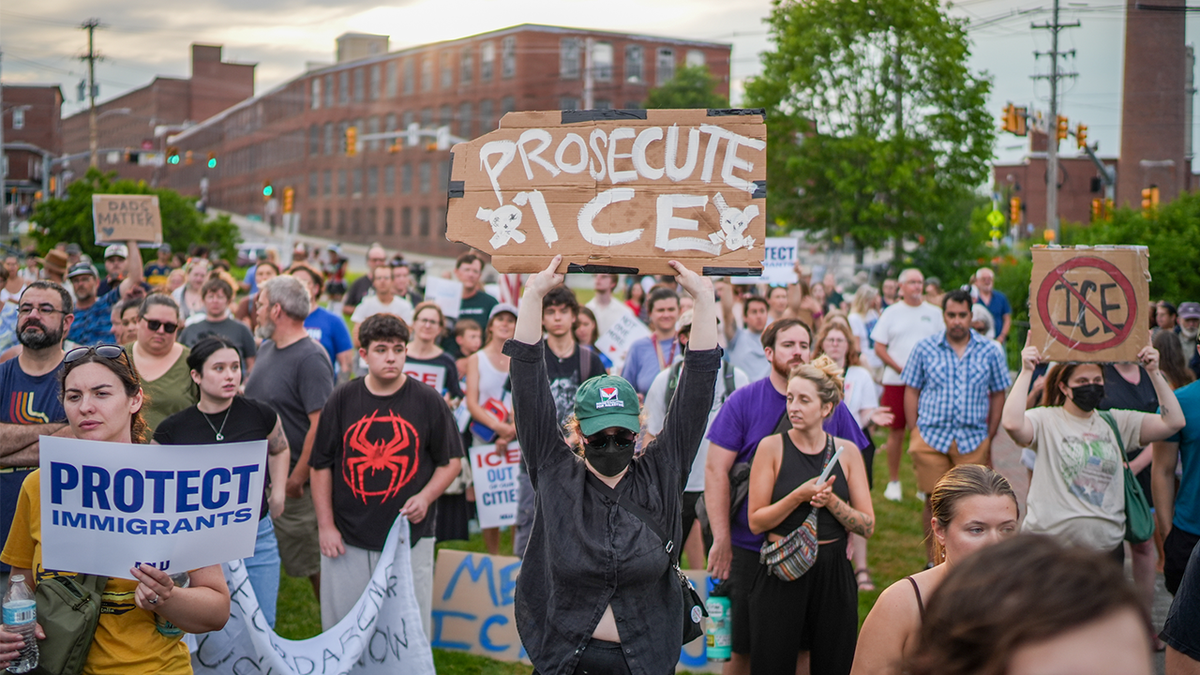
These fatal encounters led to renewed protests against immigration enforcement operations, with activists and civil rights groups calling for investigations and reforms. The incidents underscore the high-stakes nature of ICE operations and the critical need for transparent and independent oversight when force is used. In response to these incidents and the broader wave of criticism, DHS, meanwhile, has drawn attention to a reported increase in attacks on federal law enforcement officers in the line of duty, arguing for the necessity of strong protections and enforcement capabilities for its personnel. This dual narrative — public demand for accountability versus agency concern for officer safety — forms the tense backdrop against which the media dispute unfolded.
The Accountability Debate: Internal vs. External Investigations
The heart of The New York Times’ concern, and indeed a broader debate in criminal justice, revolves around the efficacy and impartiality of internal versus external investigations for law enforcement agencies.
-
Arguments for External Investigations (like FBI involvement):
- Objectivity: An external body is less likely to be influenced by internal agency culture, loyalty, or pressure, leading to a more objective assessment of facts.
- Credibility: Public trust is often higher when an independent agency investigates potential misconduct, especially in high-profile or controversial cases.
- Thoroughness: External investigators may bring fresh perspectives and methodologies, potentially uncovering details that internal investigations might overlook or downplay.
- Legal Standards: FBI investigations adhere strictly to federal legal standards, which are critical for potential prosecutions.
-
Arguments for Internal Investigations (often supplemented by external review):
- Specialized Knowledge: Agency investigators may possess specialized knowledge of their own operations, tactics, and unique challenges, which can be valuable.
- Efficiency: Internal investigations can sometimes be conducted more quickly, allowing for quicker resolution or corrective action.
- Morale: Some argue that allowing an agency to handle its own affairs can maintain officer morale and a sense of internal responsibility, though this is often balanced against the need for accountability.
The New York Times’ contention that a policy change would "effectively leaving the agency to investigate itself" taps into a long-standing criticism leveled against various law enforcement bodies, from local police departments to federal agencies. Critics argue that when an agency investigates itself, there is an inherent conflict of interest that can lead to a lack of transparency, insufficient disciplinary action, or a perception of cover-up, eroding public trust. The suggestion that evidence gathered in FBI investigations could be used to prosecute DHS agents involved in violent encounters further highlights the critical role of external oversight in holding individual officers accountable.
Inter-Agency Dynamics and Public Trust
The exchange between DHS and The New York Times also sheds light on the complex dynamics of inter-agency cooperation and the broader challenge of maintaining public trust in government institutions. The immediate, strong denial from DHS underscores the perceived threat to its operational credibility posed by The New York Times’ report. For a federal agency, an accusation of weakening accountability mechanisms, especially amidst heightened public criticism, can be damaging.
The joint DHS-DOJ statement, reaffirmed to Fox News Digital, emphasizes that the agencies are "partners in addressing crime and upholding the rule of law, while securing the safety and security of American communities." This statement seeks to project a united front, assuring the public that the federal government’s commitment to justice and security remains unwavering and that internal investigative protocols are robust. However, the very public nature of the dispute—with DHS using social media to label the report "FALSE" and The New York Times standing firm on its sources—illustrates a breakdown in communication or, at the very least, a significant difference in interpretation of internal directives and official policy.
Such disagreements can have several implications:
- Erosion of Public Confidence: When government agencies and major news outlets clash so directly over fundamental facts, it can sow confusion and erode public confidence in both institutions. Citizens may struggle to discern the truth, leading to increased skepticism.
- Impact on Agency Morale: Perceived attacks on an agency’s integrity, whether from media or political figures, can impact the morale of its personnel. Conversely, concerns about a lack of accountability can also demoralize those committed to ethical service.
- Policy Debate: The incident reignites the ongoing policy debate about law enforcement oversight, the balance between protecting officers and ensuring accountability, and the role of independent investigations in a democratic society.
- Media Scrutiny: The event reinforces the critical, albeit sometimes contentious, role of the press in scrutinizing government actions and holding powerful institutions accountable. It also highlights the challenges media outlets face in verifying sensitive information, particularly when official channels contradict anonymous or internal sources.
Conclusion: An Ongoing Battle for Narrative and Trust
The standoff between the Department of Homeland Security and The New York Times over the FBI’s role in investigating confrontations with ICE officers represents more than just a factual disagreement. It is a microcosm of broader tensions surrounding immigration enforcement, law enforcement accountability, and the delicate balance between national security and civil liberties. While DHS has categorically denied any change in policy, and the DOJ has echoed this denial, The New York Times remains steadfast, suggesting that internal communications among agents indicated otherwise.
The timing of this dispute, coming on the heels of two fatal ICE-involved shootings and amidst increased protests against immigration enforcement, amplifies its significance. It underscores the public’s heightened demand for transparency and independent oversight of federal agents. The debate over whether federal agents would effectively be "investigating themselves" touches on core principles of justice and accountability that are vital for maintaining public trust in government institutions. As both sides hold their ground, the incident highlights the complex challenges of information dissemination, official communication, and the critical role of independent journalism in a highly polarized environment. The ultimate resolution, whether through further clarification, internal review, or continued public discourse, will undoubtedly shape perceptions of federal law enforcement accountability for years to come.
Related posts: