The Odyssey Achieves Monumental $264 Million Global Debut, Redefining Box Office Potential for R-Rated Epics

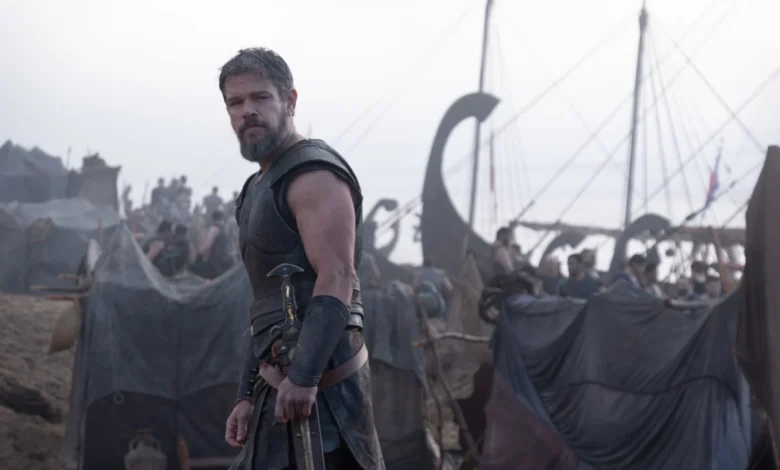
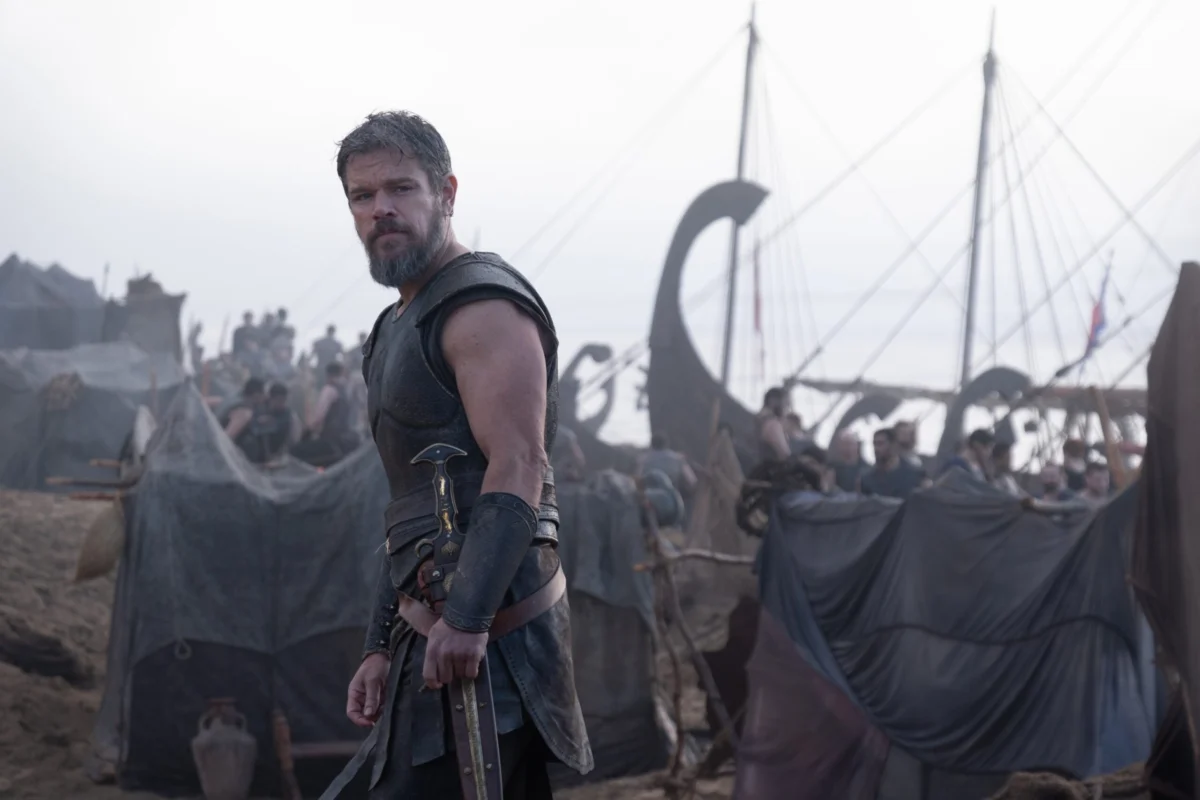
The cinematic landscape has been dramatically reshaped by the thunderous arrival of Universal Pictures’ "The Odyssey," a sprawling R-rated sword and sandal epic that has stormed the global box office, amassing an astounding $264 million in its opening weekend. This colossal debut, detailed in the latest episode of the "Daily Variety" podcast, marks not only a significant triumph for Universal but also a powerful testament to the enduring directorial brand of Christopher Nolan and the continued relevance of large-format cinema, particularly IMAX, which accounted for over half of the weekend’s impressive receipts.
The success of "The Odyssey" arrives at a pivotal moment for the exhibition industry, which has been navigating a complex post-pandemic recovery. For IMAX, in particular, the film’s performance offers a much-needed surge, with the premium large-format screens contributing more than 50% of the film’s opening weekend revenue. This symbiotic relationship underscores the growing importance of visually immersive experiences in drawing audiences back to theaters.
A Testament to Nolan’s Midas Touch
The anticipation for "The Odyssey" was palpable, fueled by Nolan’s directorial pedigree and his track record of delivering critically acclaimed and commercially successful blockbusters. As the follow-up to his 2023 historical drama "Oppenheimer," which itself garnered immense critical praise and box office success, "The Odyssey" was positioned to capitalize on the director’s established fanbase. While a strong opening was widely predicted, the sheer magnitude of the $264 million global debut has surpassed even the most optimistic projections, demonstrating the film’s remarkable ability to resonate with audiences worldwide.
The film’s substantial $250 million production budget, coupled with its R-rating and ambitious genre, presented a significant gamble. However, as Rebecca Rubin, a reporter for Variety and a guest on the "Daily Variety" podcast, eloquently stated, Christopher Nolan is arguably the singular director in Hollywood today capable of commanding such a budget for an R-rated epic and justifying the studio’s investment. "What’s most impressive is the fact that this movie had such a big opening weekend for an R-rated sword and sandal epic," Rubin remarked. "Christopher Nolan is really the only director who could pull something like this off at the budget that he did and justify the spend from the studio. He has really solidified himself as a brand at the box office, and he’s one of the very, very rare directors today who can get people to go out to the movies just because he is putting out a new film. It doesn’t even matter what the genre is, what type of film it is. People just want to see whatever he is making next."
Nolan’s unique ability to transcend genre and demographic barriers has positioned him as a rare auteur whose name alone acts as a powerful marketing engine. In an era where franchise fatigue and intellectual property dominance often dictate box office success, Nolan’s original projects, or those based on less universally known material, continue to draw massive crowds, a phenomenon that speaks volumes about the trust and admiration he has cultivated with moviegoers.
Demographic Breakdown: Bridging Generational Divides
Beyond the headline figures, the demographic data from "The Odyssey’s" opening weekend offers fascinating insights into the film’s broad appeal. While the genre might traditionally skew towards older male audiences, "The Odyssey" has demonstrated a remarkable ability to attract a diverse viewership. Rubin highlighted that approximately 55% of the opening weekend audience comprised men, a figure not entirely unexpected for a historical epic. However, the revelation that a significant portion of this audience was younger than typically associated with this genre is particularly noteworthy.
"People have been joking that it’s the quintessential dad movie," Rubin observed. "But what was pretty significant to me is that 50% of audiences were between the ages of 18 and 34, which means he really got the younger crowds in there. If this was in the hands of a different director, I think it could be a movie that skewed much older. Love Matt Damon – he is more of a Gen X star. A lot of the cast is millennials, and so they might not have gotten that younger crowd. But [Nolan] really did incentivize all audiences to go. That is the difference between having a decent opening weekend and a phenomenal opening weekend – he was able to get all ages. I think is going to really help the film in the coming weeks."
This ability to engage younger demographics is crucial for the long-term financial viability of any film. The 18-34 age bracket represents a key consumer group for entertainment, and their enthusiastic reception of "The Odyssey" suggests that Nolan’s storytelling, coupled with the film’s visual spectacle, transcends generational preferences. The film’s cast, which includes a mix of established stars and newer talent, likely played a role, but it is Nolan’s directorial vision that appears to have been the primary magnet, proving that compelling narratives and masterful filmmaking can indeed bridge the gap between generations.
IMAX: A Crucial Ally in the Box Office Arena
The significant contribution of IMAX to "The Odyssey’s" opening weekend revenue cannot be overstated. The premium large-format experience has consistently proven its value in attracting audiences willing to pay a premium for enhanced visual and auditory immersion. For a film like "The Odyssey," with its grand scale, intricate set designs, and breathtaking cinematography, the IMAX format offers an unparalleled viewing experience.
The fact that IMAX accounted for over 50% of the film’s opening weekend takings underscores a growing trend: audiences are seeking out premium cinematic events that justify the trip to the theater. This is particularly true for visually ambitious films that leverage the full capabilities of advanced projection and sound technologies. The synergy between Nolan’s directorial ambition and IMAX’s technological prowess has created a powerful formula for success, demonstrating that the right film, presented in the right format, can still command immense audience attention and financial returns.
This success for IMAX also bodes well for the broader cinema exhibition industry, signaling that the demand for high-quality, immersive movie-going experiences remains strong. As studios continue to invest in spectacle-driven films, exhibitors who can offer cutting-edge viewing technologies will likely see continued growth.
Background and Context: The Journey to "The Odyssey"
The development of "The Odyssey" has been a closely guarded secret, with details emerging only in the months leading up to its release. Inspired by ancient Greek mythology, the film reportedly reimagines the epic journey of Odysseus, the king of Ithaca, as he strives to return home after the Trojan War. While specific plot details remain under wraps, early marketing materials have hinted at a visually stunning and action-packed rendition of the legendary tale, featuring vast landscapes, formidable adversaries, and profound thematic explorations of courage, resilience, and the human spirit.
Christopher Nolan, known for his complex narratives and ambitious cinematic scope, has reportedly approached the source material with his signature intellectual rigor and visual flair. His previous works, such as "Inception," "Interstellar," and "Dunkirk," have consistently pushed the boundaries of filmmaking, earning him a reputation as one of the most innovative directors of his generation. "The Odyssey" represents a departure into a more fantastical and mythological realm, yet it is precisely this willingness to explore new territories that has captivated audiences and critics alike.
The film’s production was a global undertaking, with principal photography reportedly spanning multiple continents, utilizing a combination of practical effects and cutting-edge visual technology. The scale of the production itself has been a topic of discussion, with reports suggesting a significant investment in recreating ancient worlds and staging elaborate battle sequences. This commitment to tangible spectacle, a hallmark of Nolan’s filmmaking, has clearly paid dividends in drawing audiences to experience the film on the biggest screens possible.
Chronology of Success: From Announcement to Box Office Dominance
While the precise timeline of "The Odyssey’s" development remains proprietary information for Universal Pictures, its path to the box office can be broadly outlined:
- Early Development and Announcement: Rumors of Christopher Nolan’s interest in adapting classic epics likely circulated for some time before Universal Pictures officially announced the project, tentatively titled "The Odyssey," several years ago. This initial announcement would have generated significant buzz within the film industry and among cinephiles.
- Casting and Pre-Production: The announcement of a star-studded cast, likely featuring a blend of established Hollywood veterans and rising talents, would have further amplified anticipation. Pre-production would have involved extensive research, script development, and the scouting of filming locations.
- Principal Photography: Filming is understood to have commenced approximately two years prior to its release, involving a massive logistical operation across various international locations. The secrecy surrounding the production would have been paramount, with Nolan’s team known for their meticulous planning and control over information dissemination.
- Post-Production and Visual Effects: The extensive post-production phase, including the integration of visual effects, sound design, and editing, would have been crucial in bringing Nolan’s vision to life. This period would have also seen the creation of the film’s initial trailers and promotional materials.
- Marketing Campaign Launch: A carefully orchestrated marketing campaign, likely beginning six to nine months before the release date, would have gradually unveiled glimpses of the film, focusing on its epic scale, compelling narrative, and Nolan’s directorial prowess. The trailers would have strategically highlighted the film’s suitability for premium formats like IMAX.
- World Premiere and Early Reviews: The film’s world premiere, likely at a major film festival or a dedicated event, would have provided the first critical reactions. Nolan’s films typically receive a mixture of critical acclaim and intense discussion, and "The Odyssey" was no exception.
- Global Release and Box Office Triumphs: The film’s release in theaters worldwide, commencing with its opening weekend, has resulted in the phenomenal $264 million debut. This initial success is a strong indicator of the film’s potential to become a major box office hit throughout its theatrical run.
Broader Impact and Implications: The Future of Epic Cinema
The resounding success of "The Odyssey" carries significant implications for the future of filmmaking and the exhibition industry.
Firstly, it reaffirms the enduring power of original, auteur-driven cinema. In an era dominated by sequels, reboots, and established franchises, "The Odyssey" demonstrates that audiences are still eager to embrace ambitious, original stories helmed by visionary directors. Christopher Nolan’s brand recognition and his proven ability to deliver captivating narratives have created a unique market advantage, proving that a director’s vision can be as powerful a draw as any established intellectual property.
Secondly, the film’s performance highlights the critical role of premium theatrical experiences. The substantial revenue generated by IMAX screenings underscores the demand for immersive, high-quality cinematic events. As studios continue to invest in visually spectacular films, exhibitors that can offer state-of-the-art technology will remain essential partners in driving box office success. This could encourage further investment in IMAX and other premium large-format technologies, as well as a renewed focus on the overall theatrical experience.
Thirdly, "The Odyssey’s" ability to transcend traditional genre demographics, particularly by engaging younger audiences, is a significant achievement. This suggests that compelling storytelling and masterful filmmaking can overcome perceived genre limitations. Nolan’s success in attracting a broad age range, from younger viewers to older cinephiles, indicates a universal appeal that bodes well for the film’s longevity at the box office and its potential to become a cultural touchstone.
Finally, the film’s R-rating, which often poses a challenge for broad audience appeal, did not hinder its monumental opening. This suggests that when a film offers sufficient artistic merit and compelling content, audiences are willing to embrace mature themes and content. It opens the door for studios to consider more ambitious and adult-oriented projects, provided they are executed with the same level of quality and directorial vision.
In conclusion, "The Odyssey" is more than just a box office hit; it is a cinematic event that has redefined expectations for epic storytelling and the power of directorial vision in the modern era. Its spectacular debut is a testament to the enduring appeal of grand narratives, immersive experiences, and the undeniable talent of Christopher Nolan, promising an exciting future for ambitious filmmaking and the theatrical experience.
Listen to the full discussion on the "Daily Variety" podcast on iHeartPodcasts, Apple Podcasts, Variety’s YouTube Podcast channel, Amazon Music, Spotify, and other podcast platforms.