Protections For Nesting Gulls Among Other Uniquely Californian Headaches Delayed Repairs To Santa Cruz Wharf

Santa Cruz Wharf’s Gull Dilemma: Navigating Repairs Amidst Protected Wildlife and Bureaucratic Stasis
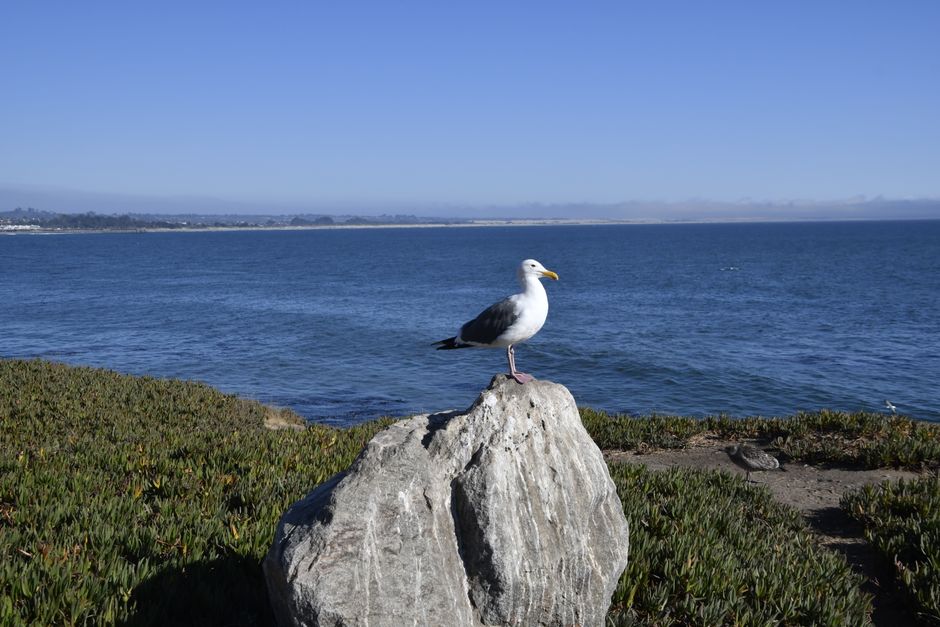
Delayed repairs to the Santa Cruz Wharf, a vital economic and cultural hub, have become entangled in a complex web of regulatory protections for nesting California gulls, juxtaposed against the mounting frustration of stakeholders and the increasing threat of further structural degradation. This protracted situation highlights a uniquely Californian challenge: balancing ecological preservation with the urgent need for infrastructural maintenance and economic revitalization. The California gull (Larus californicus) enjoys protected status under various environmental regulations, including potentially the Migratory Bird Treaty Act and state-level wildlife protection laws. While these protections are designed to safeguard vulnerable avian populations, particularly during their critical nesting and breeding seasons, their application in this specific context has demonstrably stalled crucial renovation efforts. The Santa Cruz Wharf, a historic landmark and a significant contributor to local tourism and commercial fishing, requires substantial and ongoing repairs. These are not minor cosmetic fixes but essential structural interventions necessary to ensure its safety, functionality, and long-term viability. However, initiating and executing these repair projects requires navigating a labyrinthine permitting process, one that is heavily influenced by the presence of these protected birds and their nesting habits.
The core of the conflict lies in the timing and methodology of repair work. Construction activities, by their very nature, involve noise, disruption, and potential disturbance to nesting sites. Environmental reviews, mandated to assess the potential impact on protected species, are rigorous and often require mitigation strategies. For nesting gulls, this typically translates into restrictions on construction during specific periods of the year to avoid disrupting their breeding cycle, which usually spans several months. This temporal constraint, while ecologically sound, creates significant logistical hurdles for construction timelines. Contractors and project managers are forced to either halt work entirely during the nesting season or implement costly and time-consuming alternative methods to minimize disturbance, such as specialized netting or careful scheduling to avoid active nests. Furthermore, the very act of repairing the wharf might necessitate actions that inadvertently impact gull habitats. For instance, working on pilings below the high-water mark could disturb nesting birds that have established territories in adjacent structures or on the wharf itself. The identification and mapping of active nests become paramount, and any work in proximity to these areas requires meticulous planning and adherence to strict protocols. This adds layers of complexity and cost to an already intricate repair project.
The economic ramifications of these delayed repairs are substantial and multifaceted. The Santa Cruz Wharf is not merely a tourist attraction; it is a working waterfront that supports a vibrant fishing industry, numerous restaurants, shops, and charter boat operations. Deteriorating infrastructure can lead to reduced accessibility, safety concerns for both patrons and businesses, and a diminished aesthetic appeal, all of which can negatively impact revenue streams. Businesses operating on the wharf face uncertainty regarding their operating environment and potential closures or limitations due to ongoing construction or the fear of further damage. The fishing community, reliant on the wharf for dockage, ice, and market access, experiences disruptions that can affect their livelihoods. Beyond the direct economic losses, there’s the broader impact on the city’s tourism sector, which is a significant driver of local employment and tax revenue. The visual deterioration of the wharf, coupled with potential safety hazards, can deter visitors, leading to a ripple effect throughout the local economy. The longer repairs are postponed, the more severe the underlying structural issues can become, potentially escalating the cost of future repairs and increasing the risk of catastrophic failure.
Bureaucratic inertia and the complexities of inter-agency coordination further exacerbate the problem. Securing the necessary permits for a project of this scale involves multiple government bodies, from local planning departments and county agencies to state and federal environmental protection agencies and wildlife authorities. Each of these entities has its own set of regulations, review processes, and timelines. The process of obtaining a single permit can involve extensive environmental impact assessments, public comment periods, and negotiations over mitigation measures. When these processes are layered on top of each other, and further complicated by the presence of protected species, the overall project timeline can stretch into years, if not decades. This often leads to a cyclical pattern: repairs are planned, but the nesting season arrives, necessitating a pause; the nesting season ends, but the necessary permits are still being processed; the permits are finally granted, but the next nesting season is fast approaching, leading to another interruption. This stop-and-start approach is inefficient, costly, and demoralizing for all involved.
The regulatory framework surrounding protected species, while well-intentioned, can sometimes create unintended consequences when applied to complex urban or semi-urban infrastructure projects. The California gull, while not as critically endangered as some other species, is a protected bird. Its populations, particularly along the coast, have adapted to human-dominated environments, and the Santa Cruz Wharf represents a prime nesting ground due to its elevated structures and proximity to food sources. The challenge lies in finding pragmatic solutions that acknowledge the ecological significance of these birds without paralyzing essential infrastructure projects. This might involve exploring innovative mitigation techniques that are less disruptive to construction, such as carefully managed relocation of nests in extreme cases, or investing in proactive research to understand gull behavior and nesting patterns in order to better integrate construction schedules.
The "uniquely Californian" aspect of this dilemma stems from the state’s progressive environmental ethos and its diverse coastal ecosystems, which are home to numerous species with varying levels of protection. California has a long history of enacting robust environmental legislation, and its agencies are often at the forefront of developing and enforcing wildlife protection measures. While this commitment to conservation is commendable, it can also create significant regulatory hurdles for development and maintenance projects, especially in ecologically sensitive areas like the coast. The Santa Cruz Wharf situation is a microcosm of this broader tension. The state grapples with how to foster economic growth and maintain critical infrastructure while simultaneously upholding its commitment to protecting its rich biodiversity.
Solutions, while elusive, are being explored. There have been discussions and proposals for more adaptive management strategies, which would allow for greater flexibility in construction scheduling based on real-time ecological monitoring. This could involve employing environmental consultants who are skilled in both construction logistics and wildlife biology to conduct ongoing assessments of gull nesting activity and adjust work plans accordingly. Furthermore, investing in long-term, non-disruptive maintenance strategies for the wharf, rather than relying on reactive repairs, could help mitigate the need for extensive construction during sensitive periods. This might include regular inspections, preventative treatments, and smaller, more frequent interventions that are less likely to trigger major regulatory reviews.
The public perception of the issue also plays a role. Many residents and visitors are unaware of the intricate regulatory processes that are delaying repairs, attributing the wharf’s deteriorating condition solely to mismanagement or lack of funding. Educating the public about the environmental considerations, the complexities of the permitting process, and the economic implications of inaction is crucial for fostering broader understanding and support for potential solutions. Ultimately, the Santa Cruz Wharf’s predicament serves as a stark reminder that environmental protection and infrastructural needs are not mutually exclusive but require thoughtful, collaborative, and innovative approaches to ensure the long-term health of both ecological systems and vital community assets. The current impasse, characterized by protected gulls and bureaucratic stalemates, underscores the urgent need for a more integrated and pragmatic approach to managing California’s invaluable coastal infrastructure in harmony with its protected wildlife. The economic vitality of Santa Cruz and the structural integrity of its iconic wharf hinge on finding a resolution that respects both the natural world and the pressing demands of human development.