Tag Non Custodial Wallets
Non-Custodial Wallets: Mastering Self-Sovereign Digital Asset Management
Non-custodial wallets represent a fundamental paradigm shift in how individuals interact with and manage their digital assets, particularly cryptocurrencies. Unlike custodial wallets, where a third party holds your private keys, non-custodial solutions grant you absolute control and responsibility over your funds. This essay will delve into the intricacies of non-custodial wallets, exploring their core functionalities, benefits, drawbacks, and best practices for secure management, all while adhering to SEO principles for maximum discoverability.
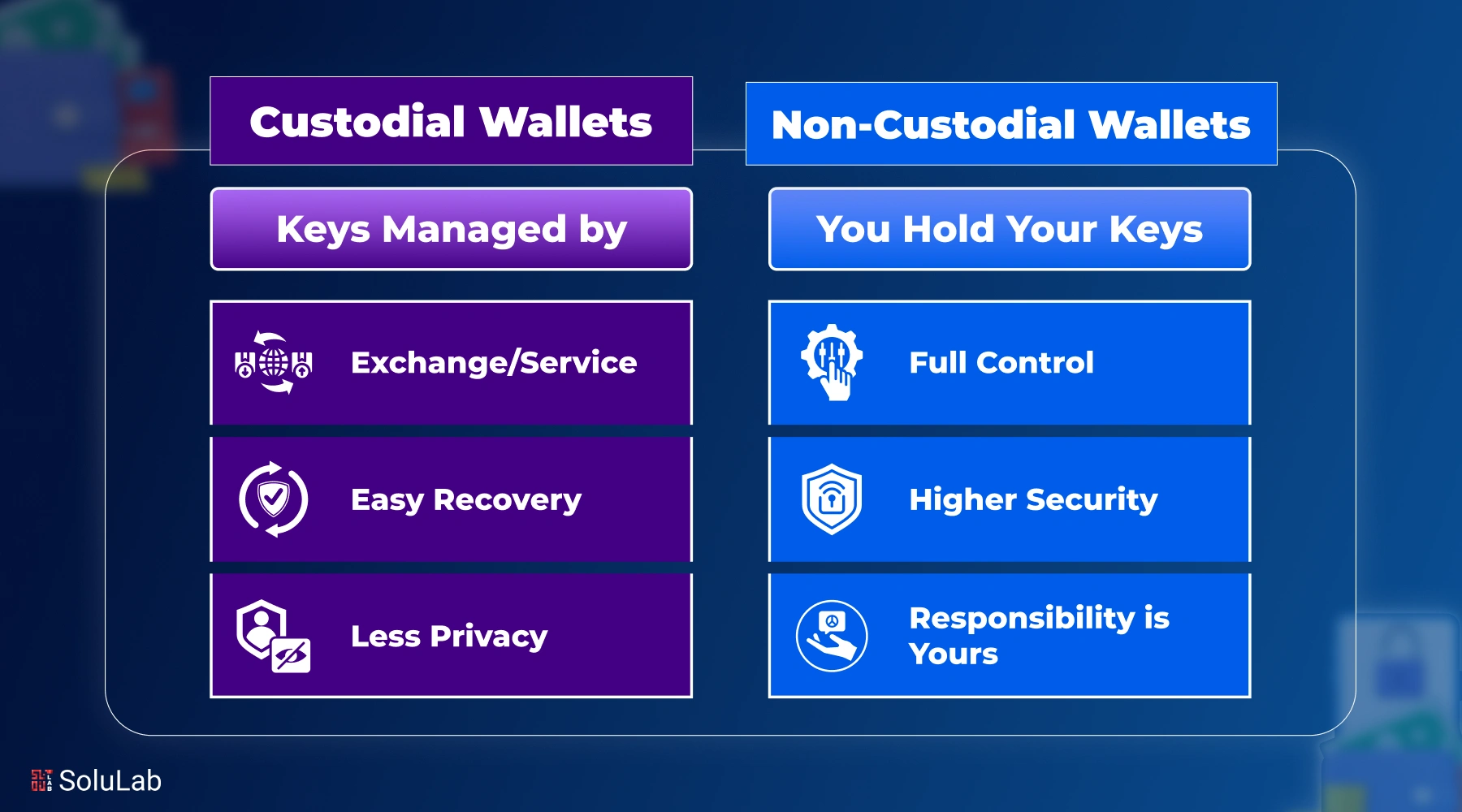
The defining characteristic of a non-custodial wallet is the direct user control over private keys. These keys are the cryptographic secrets that grant access to and authorize transactions from a specific blockchain address. In a non-custodial setup, these keys are generated and stored exclusively on the user’s device or a secure medium they control. This contrasts sharply with custodial services, such as cryptocurrency exchanges, where the platform manages the private keys on behalf of its users. This delegation of key management to a third party, while offering convenience, introduces a single point of failure and reliance on the security and solvency of that entity. The inherent principle of "not your keys, not your crypto" is the bedrock upon which non-custodial wallets are built. This direct ownership empowers users with financial sovereignty, a core tenet of decentralized finance (DeFi) and blockchain technology.
Understanding the different types of non-custodial wallets is crucial for users to select the solution best suited to their needs and risk tolerance. These can be broadly categorized into hardware wallets, software wallets, and paper wallets, each with distinct advantages and disadvantages. Hardware wallets are dedicated physical devices, often resembling USB drives, specifically designed for storing private keys offline. Their primary advantage lies in their robust security, as private keys are never exposed to an internet-connected device. Transactions are signed on the hardware wallet itself, and only the signed transaction is broadcast to the network. This makes them highly resistant to online threats such as malware and phishing attacks. Examples include Ledger and Trezor. Software wallets, on the other hand, are applications that can be installed on personal computers, smartphones, or as browser extensions. They offer greater accessibility and ease of use for frequent transactions. These can be further divided into desktop wallets, mobile wallets, and web wallets. Desktop wallets, like Exodus or Electrum, provide a comprehensive suite of features but are tied to a specific computer. Mobile wallets, such as Trust Wallet or Coinbase Wallet (in its non-custodial iteration), offer convenience for on-the-go transactions. Web wallets, while often convenient, can pose greater security risks if the provider’s servers are compromised, blurring the lines with custodial solutions if not carefully managed. Paper wallets, the simplest form, involve printing your public and private keys onto a piece of paper. While offering complete offline storage, they are susceptible to physical damage, loss, or theft and require careful handling for secure use.
The advantages of adopting a non-custodial wallet are manifold and directly address common concerns within the digital asset space. Foremost is enhanced security. By retaining control of private keys, users eliminate the risk of exchange hacks or platform failures leading to the loss of their assets. This self-custody model fosters a sense of financial empowerment and independence. Secondly, non-custodial wallets provide unrestricted access to digital assets. Users are not beholden to the operational hours or withdrawal limits of third-party platforms. This freedom is particularly valuable for active traders, DeFi participants, and individuals requiring immediate access to their funds. Thirdly, they offer greater privacy. While blockchain transactions are public, the direct association of a wallet address with a verified identity is not inherent. Non-custodial wallets, by design, promote pseudonymity. Finally, the interoperability and accessibility to a broader range of decentralized applications (dApps) are significant. Many DeFi protocols and Web3 services are designed to interact directly with non-custodial wallets, enabling users to stake, lend, borrow, and participate in decentralized governance.
However, the inherent decentralization and self-sovereignty of non-custodial wallets come with significant responsibilities and potential drawbacks. The most critical is the user’s sole responsibility for safeguarding their private keys and recovery phrases. Loss of these credentials means permanent loss of access to the associated digital assets. There is no customer support to reset passwords or recover lost keys. This places a substantial burden on the user to implement robust security practices. Another drawback is the potential for user error. Accidental deletion of wallet files, misplacing recovery phrases, or sending funds to the wrong address are all irreversible mistakes that can result in significant financial losses. The learning curve associated with understanding private keys, recovery phrases, and network fees can also be a barrier for novice users. Furthermore, recovering access to a non-custodial wallet can be a complex and sometimes stressful process, especially if the recovery phrase is not readily available or has been compromised. The responsibility for managing network transaction fees, which can fluctuate significantly, also falls on the user.
Implementing best practices for non-custodial wallet security is paramount to mitigating the inherent risks and fully realizing the benefits of self-custody. The cornerstone of security is the diligent management of the recovery phrase, also known as the seed phrase or mnemonic phrase. This alphanumeric string is the master key to your wallet and should never be stored digitally in any form, nor should it be shared with anyone. Physical backups on durable materials, such as metal plates, stored in multiple secure, offline locations are highly recommended. Avoid storing the recovery phrase on cloud storage, email, or in photos on your phone.
The choice of wallet type should align with the user’s investment strategy and risk tolerance. For significant holdings and long-term storage, hardware wallets are the gold standard due to their offline nature and robust security features. For smaller, more frequently transacted amounts, a reputable mobile or desktop software wallet can be suitable, provided robust security measures are in place. Whichever wallet type is chosen, ensuring it is from a reputable provider and has a strong track record is essential. Always download wallet software from official sources to prevent the installation of malware-laden imitations.
Regularly updating wallet software is another critical security measure. Developers frequently release updates to patch vulnerabilities and improve security. Keeping your software current is akin to patching your operating system to protect against new threats. When conducting transactions, double-checking recipient addresses is an absolute necessity. Even a single misplaced character can lead to irreversible loss. Utilizing the "test transaction" method for larger amounts, by sending a very small sum first to confirm the address is correct, can be a prudent step.
Furthermore, strong password hygiene is vital, even for software wallets that also employ recovery phrases. Use unique, strong passwords for all associated accounts and consider employing a password manager. Enabling two-factor authentication (2FA) for any associated online accounts, such as those used to purchase cryptocurrency, adds an extra layer of security. Phishing attacks are a pervasive threat, so users must remain vigilant. Be wary of unsolicited emails, messages, or websites that request your private keys or recovery phrase. Legitimate wallet providers will never ask for this information.
For users engaging with DeFi and Web3 applications, understanding the permissions granted to smart contracts is crucial. When connecting your non-custodial wallet to a dApp, carefully review the permissions requested. Granting excessive or unnecessary permissions can expose your assets to risk. Regularly reviewing and revoking unnecessary permissions is a good practice. For advanced users, consider employing multi-signature wallets. These wallets require multiple private keys to authorize a transaction, adding a significant layer of security, particularly for institutional investors or shared funds.
The long-term implications of non-custodial wallets extend beyond individual asset management. They are a foundational element of a truly decentralized internet and financial system. By fostering self-sovereignty, these wallets empower individuals to participate directly in the digital economy without intermediaries. As the blockchain ecosystem matures, the user experience of non-custodial wallets is continuously improving, making them more accessible to a wider audience. Education remains key. As more individuals embrace non-custodial solutions, a deeper understanding of the underlying technology and the associated responsibilities will become increasingly important. The shift towards self-custody represents a significant step in the evolution of financial freedom and digital ownership.