The Rise of Heat Pump Cooperatives How Group Buying is Slashing Costs Amid Federal Policy Shifts



For many homeowners, the transition from traditional fossil-fuel heating to modern electric alternatives is often stalled by a single, formidable barrier: the initial price tag. In Boston, Marie Tai experienced this financial friction firsthand when she began investigating how to cool her 1,000-square-foot, two-bedroom condominium. Her existing window air-conditioning units were failing to combat increasingly intense summer heatwaves, leaving her 16-year-old cat, Mittens, in distress. Despite her background as the head of finance and administration at Harvard University’s Project Zero, Tai found herself stymied by contractor quotes ranging from $28,000 to $40,000 for a heat pump installation—a price she considered excessive for a residence of that size.
Tai’s situation is emblematic of a growing national trend where the desire for climate-resilient, energy-efficient housing clashes with high market entry costs. However, her story reached a turning point when she discovered the Laminar Collective, a local startup specializing in heat pump demand aggregation. By joining a "group-buy" initiative, Tai secured a ductless minisplit system for $20,000. When combined with an $8,500 state rebate through the Mass Save program and zero-percent interest financing over eight years, the project became financially viable. Today, Tai has eliminated her reliance on heating oil, saved approximately $1,300 in annual energy costs, and enjoys significantly improved indoor air quality.
The Mechanics of Demand Aggregation
The concept of group buying, often referred to as demand aggregation or collective bargaining, operates on a simple economic principle: bulk purchasing power. By organizing dozens or hundreds of homeowners into a single purchasing bloc, organizations can negotiate lower prices from manufacturers and installers. This model, frequently compared to purchasing in bulk at a warehouse club rather than buying individual items at a retail outlet, typically yields savings of 10% to 20% for the consumer. In monetary terms, this often translates to a reduction of $3,000 to $6,000 per installation.
These initiatives are structured to benefit both the consumer and the contractor. For the homeowner, the program provides a vetted list of installers, standardized pricing, and a sense of community security. For the contractor, the model drastically reduces "soft costs"—the expenses associated with marketing, lead generation, and sales consultations. According to DR Richardson, CEO of Elephant Energy, participating in these programs can save a company roughly $300 per project in administrative and marketing overhead alone.
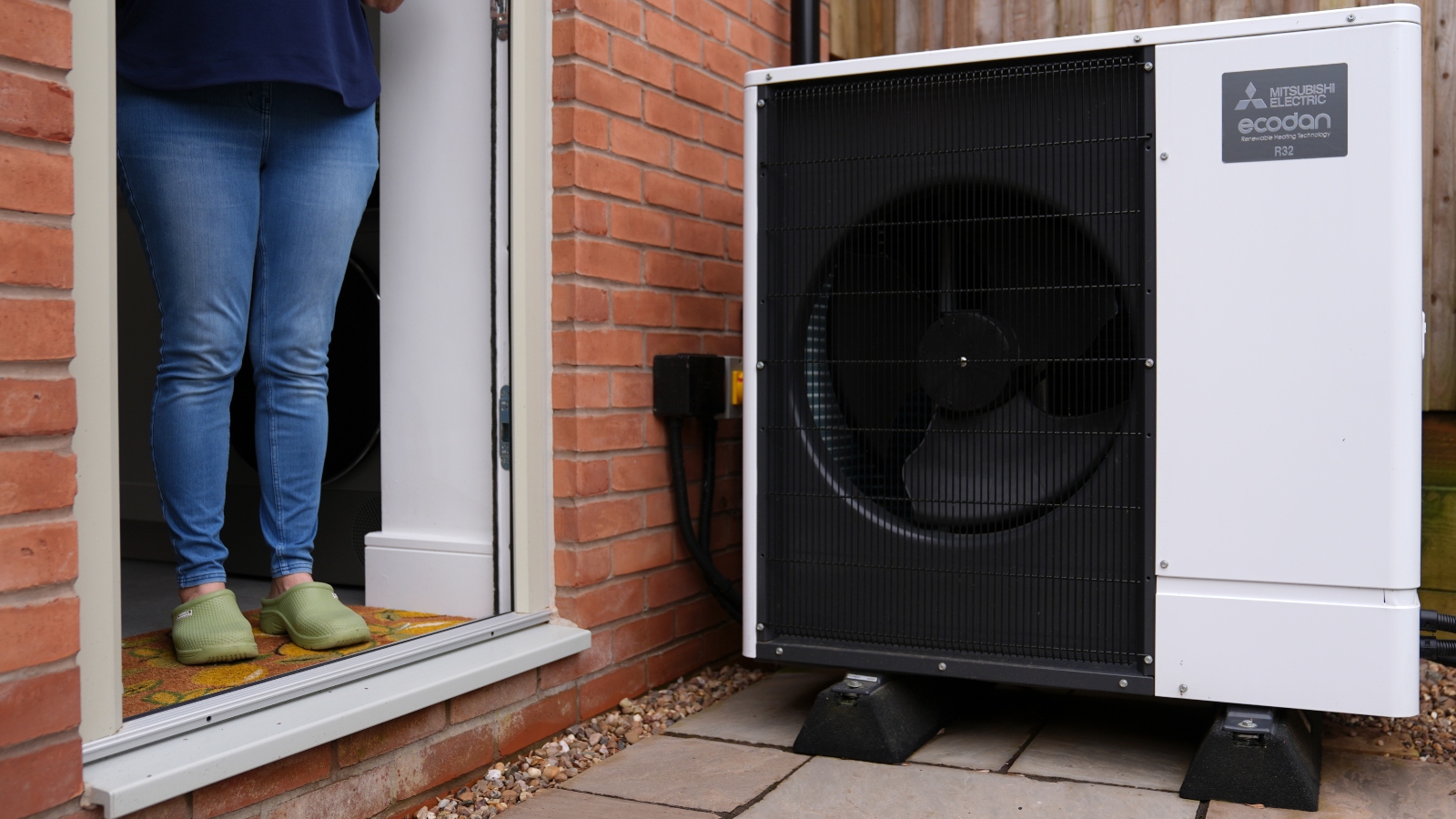
Furthermore, group buys help stabilize the volatile seasonal demand that plagues the heating, ventilation, and air conditioning (HVAC) industry. Most HVAC companies experience extreme spikes in business during the first major heatwave of summer or the first freeze of winter, leading to scheduling backlogs and staffing challenges. Group-buy programs allow contractors to schedule installations during "shoulder seasons" or slower periods, ensuring a steady stream of revenue and better utilization of their labor force.
A Chronology of the Collective Model
The application of collective bargaining to home energy is not a new phenomenon, but its focus on heat pumps represents a significant evolution in the electrification movement.
- 2007–2015: The model gains traction in the solar industry. Organizations like Solar United Neighbors begin organizing "solar co-ops," helping thousands of households install rooftop panels by leveraging group discounts.
- 2016–2022: As heat pump technology improves—particularly for cold-climate performance—nonprofits and startups begin experimenting with adding these appliances to existing solar group buys.
- 2023: International companies like iChoosr, which had already seen success with bulk-purchasing programs in the United Kingdom and the Netherlands, officially launch dedicated heat pump initiatives in the United States. In partnership with Solar United Neighbors, they pilot programs in the Colorado Front Range and the Washington, D.C., metro area.
- 2024: The model expands rapidly. iChoosr reports that over 5,100 U.S. homeowners have utilized their "Switch Together" platform for solar, batteries, or heat pumps. New programs are announced for Houston, Dallas, Chicago, and Northern Arizona.
The Political and Regulatory Catalyst
The surge in interest for group-buying programs arrives at a critical juncture for U.S. energy policy. While the 2022 Inflation Reduction Act (IRA) initially provided a robust framework for electrification incentives, the current federal landscape has become increasingly complex and, in some cases, restrictive.
The Trump administration has moved to dismantle several key pillars of the previous administration’s green energy agenda. Notably, a $2,000 federal tax credit specifically for home heat pumps was eliminated by a Republican-led Congress last year. Furthermore, the Department of Energy recently signaled that it would no longer permit federal home energy-efficiency rebates to be utilized by homeowners seeking to switch from natural gas to electric systems.
These policy shifts have created a "rebate vacuum" in many jurisdictions, making state-level incentives and private-sector solutions like group buys essential for maintaining the momentum of the energy transition. In states like Massachusetts and California, robust state-funded rebates continue to provide a buffer against federal rollbacks. However, in states with less aggressive climate goals, the 10% to 20% discount provided by collective bargaining may be the only factor keeping heat pumps competitive with traditional gas furnaces.

Supporting Data: The Financial Logic of Electrification
While the upfront cost remains high, data from electrification advocacy groups like Rewiring America and the New York Times’ Upshot analysis suggest that heat pumps are almost always the more economical choice over the lifespan of the appliance.
- Installation Costs: A whole-home heat pump installation typically ranges from $17,000 to $30,000. Without group-buy discounts or rebates, the payback period can be over a decade.
- Operational Savings: For homeowners switching from electric resistance heating, propane, or oil, the savings are immediate. In Marie Tai’s case, the $1,300 annual saving represents a significant return on investment, effectively paying for the system’s net cost in less than ten years.
- Maintenance and Longevity: Because heat pumps provide both heating and cooling, they replace two separate systems (a furnace and an AC unit), potentially halving the long-term maintenance requirements and replacement cycles.
Beyond the balance sheet, the health and environmental implications are substantial. Heat pumps do not burn fuel on-site, eliminating the risk of carbon monoxide leaks and reducing indoor concentrations of nitrogen dioxide and particulate matter. For Tai, this manifested as a noticeable improvement in her allergy symptoms, a common anecdotal report among those who transition from forced-air gas or oil systems to filtered heat pump units.
Industry and Government Reactions
The success of these programs has prompted a variety of responses from stakeholders across the energy sector. Shreyas Sudhakar, CEO of the California-based contractor Vayu, notes that while emergency replacements (where a furnace dies in mid-winter) will always be the core of the HVAC business, group buys are the future for proactive homeowners. "To be able to have some guaranteed revenue that is on the books and can fill downtime is really valuable," Sudhakar said.
Local governments are also beginning to see demand aggregation as a tool for meeting municipal carbon-reduction goals. Cities like Denver have actively promoted group-buy programs, recognizing that they cannot reach their climate targets if electrification remains a luxury available only to the wealthy. By partnering with organizations like iChoosr or local nonprofits, city leaders can offer their constituents a vetted path to decarbonization that carries the "seal of approval" of the local government.
Fred Wu, director of community engagement for iChoosr, emphasizes that local government involvement is the primary catalyst for expansion. "The first thing we need is a local government that wants to bring this to their constituents," Wu explained. These partnerships provide the credibility necessary to overcome consumer skepticism regarding "too-good-to-be-true" pricing.

Future Outlook and Implications
As the group-buying model matures, it is likely to expand beyond simple equipment discounts. Future iterations may include neighborhood-scale "geothermal microgrids" or integrated "smart home" packages that combine heat pumps with solar arrays, battery storage, and electric vehicle charging stations.
The broader implication of the group-buy movement is the democratization of climate technology. By transforming a complex, high-stakes individual purchase into a streamlined community event, these programs are lowering the psychological and financial barriers to entry. For Marie Tai, the experience was more than just a financial transaction; it was an act of empowerment. After successfully navigating the process, she shared her experience with her neighbors, several of whom have since followed suit.
In an era of political volatility and fluctuating federal support, the rise of heat pump cooperatives suggests that the path to a zero-emission future may not be paved solely by top-down mandates, but by neighbors banding together to secure a more affordable and sustainable way of life. The "Costco model" of climate action is proving that even in a challenging economic climate, there is strength—and significant savings—in numbers.
Related posts: