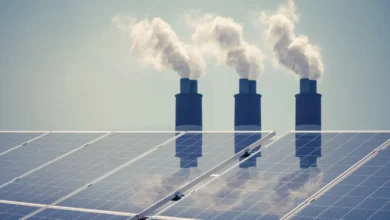
The Invisible Threat: Why Wildfire Smoke is a Looming Public Health Emergency for Pregnant People and Infants

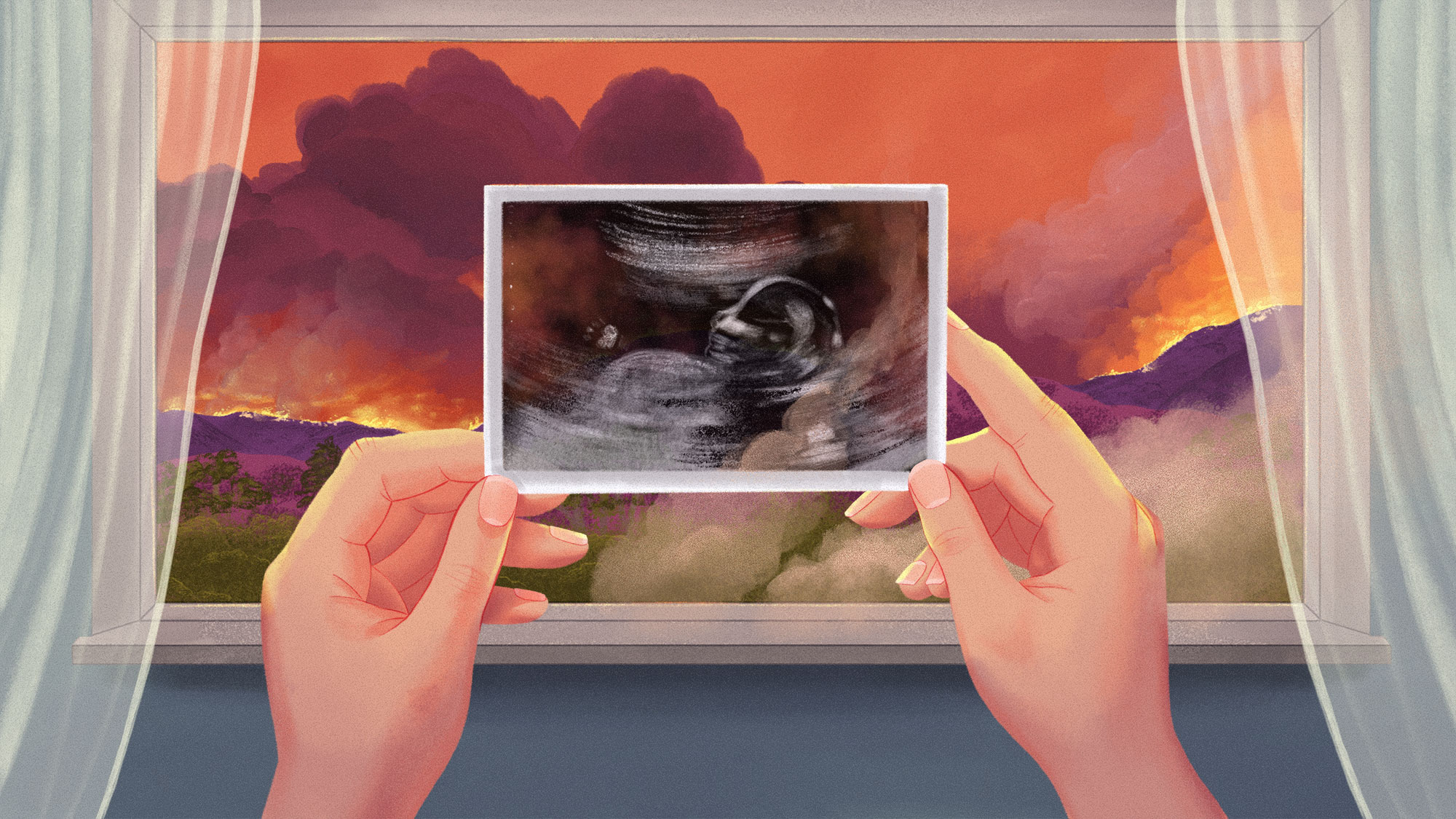
As urban sprawl continues to push residential boundaries into the world’s most combustible wilderness areas, a silent and poorly understood public health crisis is unfolding in the lungs and wombs of the population. On the east coast of Australia and the west coast of the United States, two of the planet’s most densely populated wildfire hotspots, millions of people are now living through a new era of "dynamic" fires. These blazes are no longer confined to remote forests; they are incinerating synthetic materials, vehicles, and buildings, producing a toxic chemical cocktail that far exceeds the danger of traditional wood smoke. Despite the increasing frequency of these events, public health systems remain remarkably ill-prepared, particularly regarding the guidance and protection offered to pregnant individuals and their developing infants.
The Shifting Landscape of Urban Fire Risk
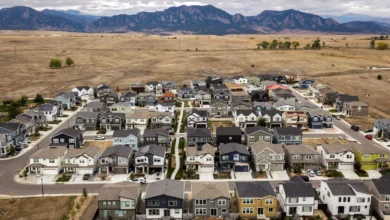
For decades, wildfires were viewed as a peripheral threat to city dwellers—a tragedy that happened "somewhere else." However, the convergence of climate change, prolonged droughts, and the expansion of the wildland-urban interface has brought the fire to the doorstep of major metropolises. In the United States, the 2023 Canadian wildfires blanketed 100 million people in hazardous pollution, reaching as far south as New York and Washington, D.C. In early 2025, the Los Angeles area was decimated by fires that destroyed approximately 13,000 residential properties and killed 31 people.
This shift from "wilderness fire" to "urban fire" has profound implications for air quality. When a fire moves from a forest into a suburb, it stops burning just wood and begins burning plastics, treated lumber, household chemicals, and electronics. This produces a mix of pollutants, including heavy metals and synthetic particulates, that are significantly more toxic than vegetation-based smoke. Research now indicates that wildfire smoke may be up to 10 times more harmful to human health than the compounds found in car exhaust.
Chronology of a Crisis: Australia’s Black Summer
The scale of this environmental disaster was perhaps most vividly illustrated during Australia’s "Black Summer" of 2019-2020. The crisis was preceded by years of record-breaking drought that left the landscape desiccated. By the winter of 2019, fires were already flaring in Queensland and northern New South Wales—a season that typically remains quiet.
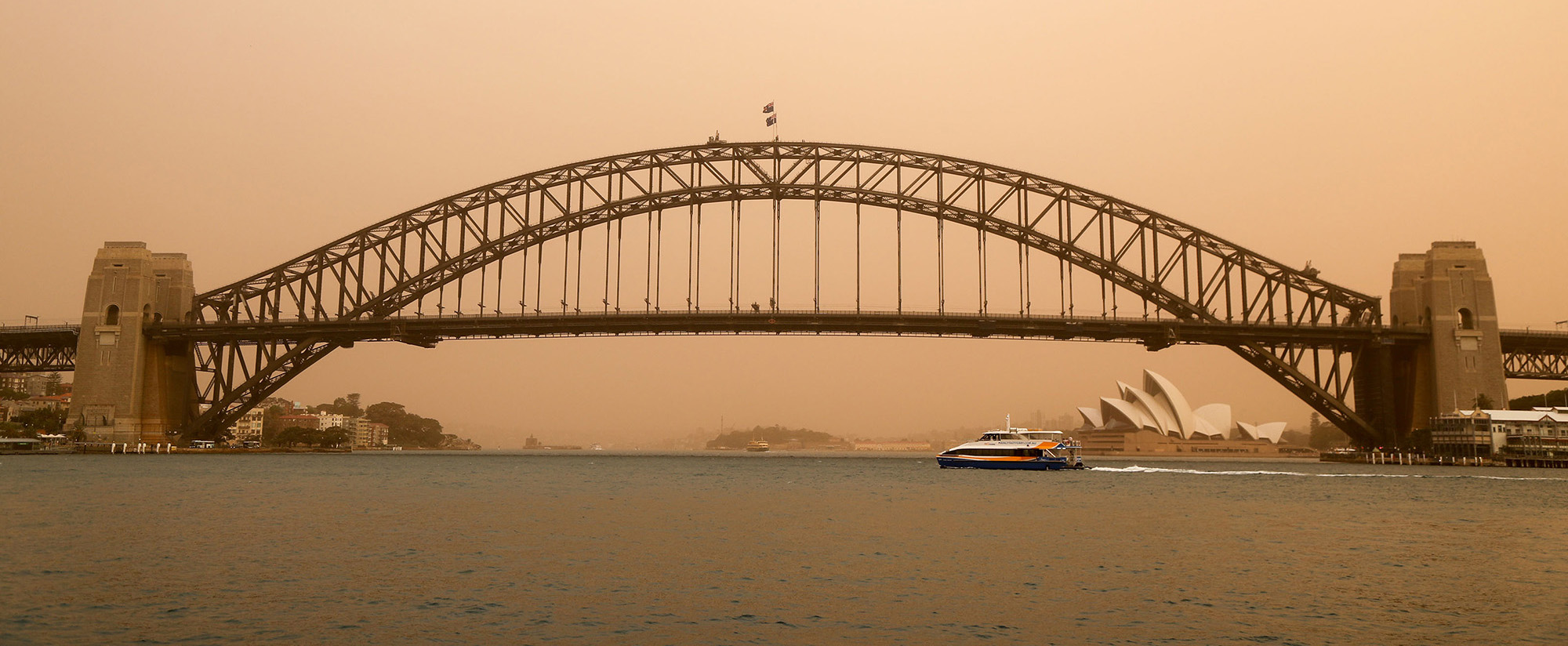
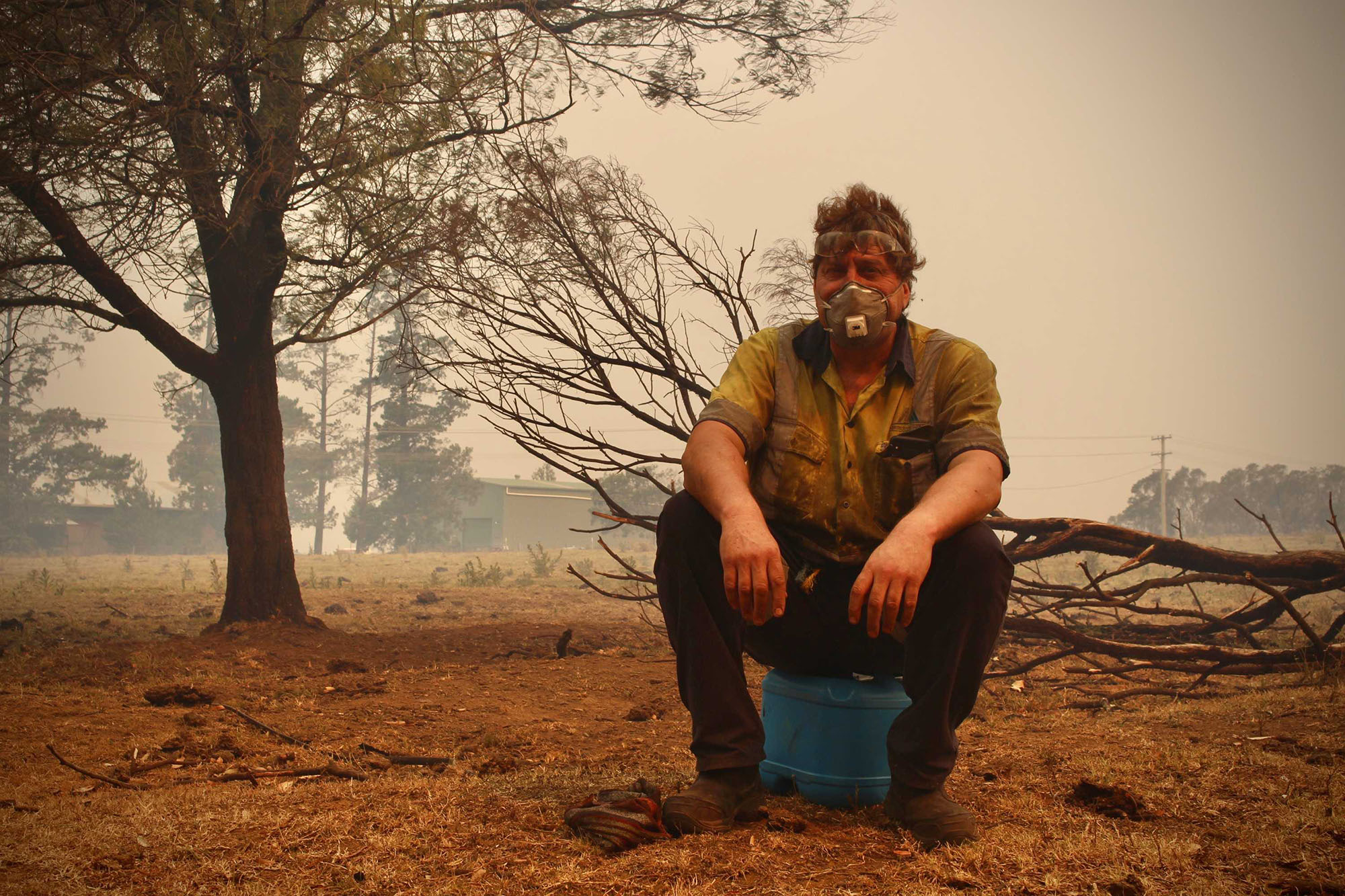
By the spring and summer of 2019-2020, the situation escalated into a national catastrophe. Strong winds and dry lightning strikes sparked hundreds of blazes across southeastern Australia. Temperatures crested at 120 degrees Fahrenheit (49 degrees Celsius) in some regions, and more than two-thirds of the Australian population was exposed to smoke or flames. In Canberra, the nation’s capital, the air quality index (AQI) reached a staggering 5,000 on New Year’s Day 2020. To put this in perspective, any reading above 300 is considered hazardous.

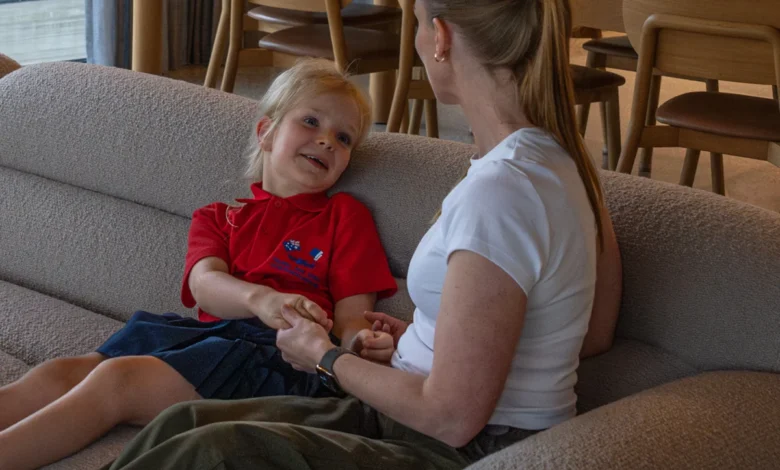
During this period, pregnant women like Anneke French, a nurse at Canberra Hospital, were left to navigate the crisis with minimal guidance. French, then in her third trimester, was told simply to "stay indoors." Despite her medical background, she could find no specific protocols for protecting her unborn child from the pervasive stench and visible blue bands of smoke that eventually penetrated the hospital’s sterile environments. At 35 weeks, French suffered a placental abruption—a life-threatening condition usually associated with physical trauma or chronic smoking—resulting in an emergency cesarean and a premature, underweight baby.
The Biological Toll: How Smoke Affects the Womb
The vulnerability of a fetus to air pollution is a matter of physiological mechanics. Fine particulate matter, known as PM2.5, consists of particles so small they can bypass the body’s natural filters in the nose and throat, traveling deep into the lungs and entering the bloodstream. From there, these particles can migrate across the placenta and into placental tissue itself.

Research from the University of Canberra and other global institutions suggests that this exposure triggers systemic inflammation, clotting, and blood vessel damage in the mother. When the mother’s lung function is compromised, it restricts the flow of oxygen and essential nutrients to the fetus during critical developmental windows. The long-term consequences of this exposure are only now being quantified.
Supporting data from recent epidemiological studies highlights several key risks:

- Preterm Birth and Low Birth Weight: A 2024 study in the southwestern U.S. confirmed a direct link between wildfire particulate matter and higher risks of premature delivery.
- Respiratory and Skin Conditions: Anecdotal and cohort evidence suggests that children exposed to wildfire smoke in utero have higher rates of asthma and eczema.
- Neurodevelopmental Risks: Two 2024 studies from California hospital systems found a novel connection between wildfire smoke exposure during pregnancy and increased rates of autism diagnoses in children.
The Toxicity of the Urban Burn: The Los Angeles Experience
In January 2025, the Eaton Fire near Pasadena, California, underscored the unique dangers of urban wildfires. Unlike forest fires, the Eaton Fire consumed schools, warehouses, and commercial zones. Residents who evacuated, such as Irene Farr and her 11-month-old daughter Azul, returned to find a landscape covered in toxic ash.
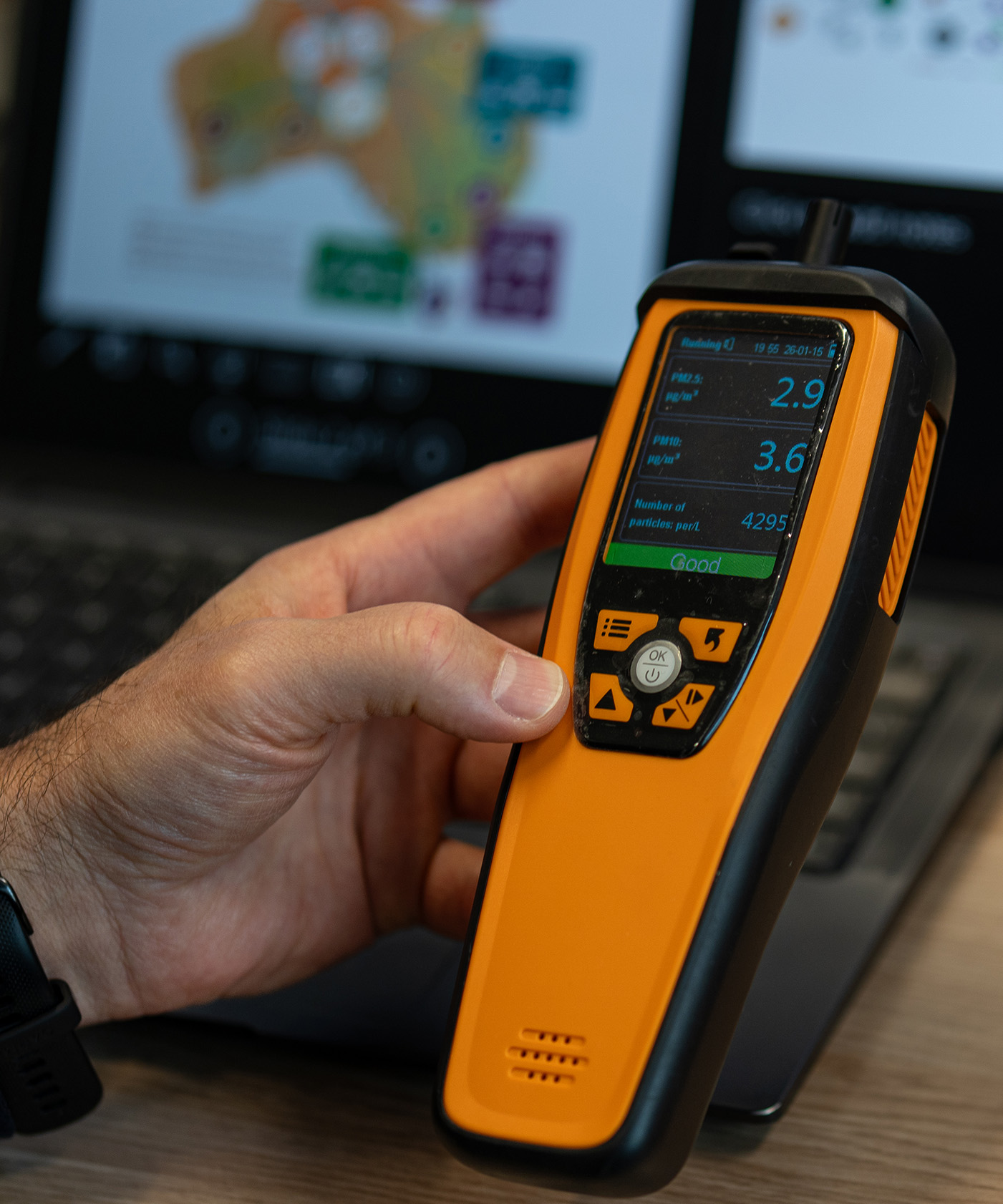
Researchers like Mike Kleeman from the University of California, Davis, conducted air sampling in the burn zones and found hexavalent chromium—a highly carcinogenic industrial byproduct—at levels 200 times higher than normal. Standard air monitoring stations, which are designed to measure routine urban smog, are often not equipped to detect these specific toxins. Furthermore, many of these stations were destroyed by the fires they were meant to monitor, creating a "data blackout" during the height of the crisis.
Political Inaction and the Research Gap
Despite the clear and present danger, the official response to wildfire smoke as a public health threat has been characterized by significant funding gaps and a lack of standardized research protocols. In the aftermath of the Black Summer, the Australian federal government committed only AU$5 million for bushfire-related health research—a sum experts describe as "barely scratching the surface." For comparison, a single large-scale epidemiological study in the U.S. can cost upwards of $3 million.
In the United States, wildfire smoke is often classified by the Environmental Protection Agency (EPA) as a "natural exceptional event," which exempts it from certain Clean Air Act regulations. This classification treats smoke as a temporary byproduct of disaster rather than a chronic, recurring public health threat that requires permanent infrastructure and policy changes.
The Trump administration’s 2026 reorganization plan, which includes the closure of 57 of the 77 Forest Service research stations, further threatens the ability of scientists to understand fire risk and smoke behavior. This reduction in resources comes at a time when the American West is experiencing some of its warmest winters and most severe droughts on record, priming the landscape for even more frequent blazes.
Analysis of Implications and Necessary Reforms
The lack of standardized data collection is perhaps the greatest hurdle to protecting the public. Currently, scientists use a patchwork of satellite imagery, computer modeling, and ground sensors to measure "smoke exposure." Without a universal standard—similar to the global air quality guidelines established by the World Health Organization in 1987—it is difficult for researchers to share data and reach the unequivocal findings necessary to prompt legislative change.

To address this looming crisis, medical professionals and researchers are calling for several immediate reforms:
- Clinical Protocols for Pregnancy: Obstetricians require specific, data-driven guidelines to advise pregnant patients on when to evacuate and how to use high-grade filtration (like N95 masks) effectively.
- Hospital Infrastructure: Leading obstetricians, such as Dr. Stephen Robson, advocate for "smoke citadels" within hospitals—protected areas with advanced air filtration where surgeries and births can occur without the risk of outdoor pollution.
- Biological Repositories: Governments must fund the collection and study of placental tissue and blood samples during and after fire events to track long-term health outcomes.
- Urban Monitoring Networks: Cities need specialized sensors capable of detecting heavy metals and synthetic toxins released during urban burns, not just standard PM2.5.
Conclusion
The stories of mothers in Canberra and Los Angeles are no longer isolated incidents; they are the first ripples of a global health wave. As climate change increases the frequency of "unprecedented" heat waves and droughts, wildfire smoke is becoming a permanent fixture of the human environment. Without a concerted effort to fund research and standardize public health responses, the "toxic legacy" of these fires will continue to be written in the health records of the next generation. For parents like Anneke French, the lack of answers is the most enduring injury. As she watches her daughter Margot struggle with asthma, the question remains: what was in the air before she was even born, and how will it affect the rest of her life?