Texas Solar Generation Set to Surpass Coal in Historic Shift for the Lone Star States Power Grid

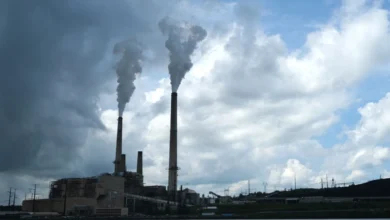
The energy landscape in Texas is undergoing a profound transformation as solar power prepares to overtake coal as a primary source of electricity generation. For the first time in the history of the state’s independent power grid, the sun is poised to provide more energy to homes and businesses than the carbon-heavy legacy of coal-fired plants. This shift, occurring in the heart of a state long synonymous with fossil fuel production, represents a pivotal moment in the American energy transition. According to recent projections from the U.S. Energy Information Administration (EIA), the market managed by the Electric Reliability Council of Texas (ERCOT) is expected to see solar output reach 78 billion kilowatt-hours (kWh) by 2026, significantly eclipsing the 60 billion kWh forecast for coal.
This trajectory is not merely a statistical anomaly but the result of a multi-decade evolution in market design, technological advancement, and geographic advantage. While Texas has historically been the nation’s leading producer of oil and gas, it has quietly become the most aggressive theater for renewable energy expansion. Developers are currently adding more solar capacity in Texas than in any other state, including traditional leaders like California. As the state’s coal fleet continues to age and face unfavorable economics, the rapid ascent of solar is redefining the reliability and cost-structure of the ERCOT grid.
The Historical Evolution of the Texas Power Market
To understand how Texas reached this inflection point, one must look back at the regulatory decisions made in the late 1990s. In 1999, the Texas Legislature passed Senate Bill 7, which deregulated the state’s electricity market. This move was designed to break up the monopolies of traditional utilities and foster a competitive environment where private generators could compete on price and efficiency. Unlike other states where energy transitions are often driven by legislative mandates or "Clean Energy Standards," the Texas transition has been largely fueled by market competition.
In the early 2000s, this competitive framework initially benefited the wind industry. The state invested billions in the Competitive Renewable Energy Zones (CREZ) transmission lines, which moved wind power from the gusty plains of West Texas to the high-demand urban centers of Dallas, Houston, and San Antonio. This infrastructure set the stage for the current solar boom. As the cost of photovoltaic (PV) panels plummeted over the last decade, developers found that the same transmission corridors and "open-access" grid rules made Texas an ideal environment for large-scale solar farms.
The decline of coal in Texas began in earnest during the mid-2010s. Several large coal-fired units, such as the Big Brown and Monticello plants, were retired because they could no longer compete with the low cost of natural gas and the zero-marginal-cost production of wind and solar. By 2024, the combination of wind and solar had already surpassed coal generation on a national level, but Texas is now moving into a phase where solar alone is ready to claim the silver medal behind natural gas.
Analyzing the Data: Solar’s Rapid Ascent
The data provided by the EIA and energy think tanks like Ember highlights a clear and accelerating trend. In 2023, solar output in Texas beat coal on a monthly basis from March through August—the hottest months of the year when demand is highest. In 2024, that dominance is expected to expand to ten months of the year, covering the period from March through December. By 2026, the gap will widen further, with solar projected to generate 18 billion kWh more than coal annually.
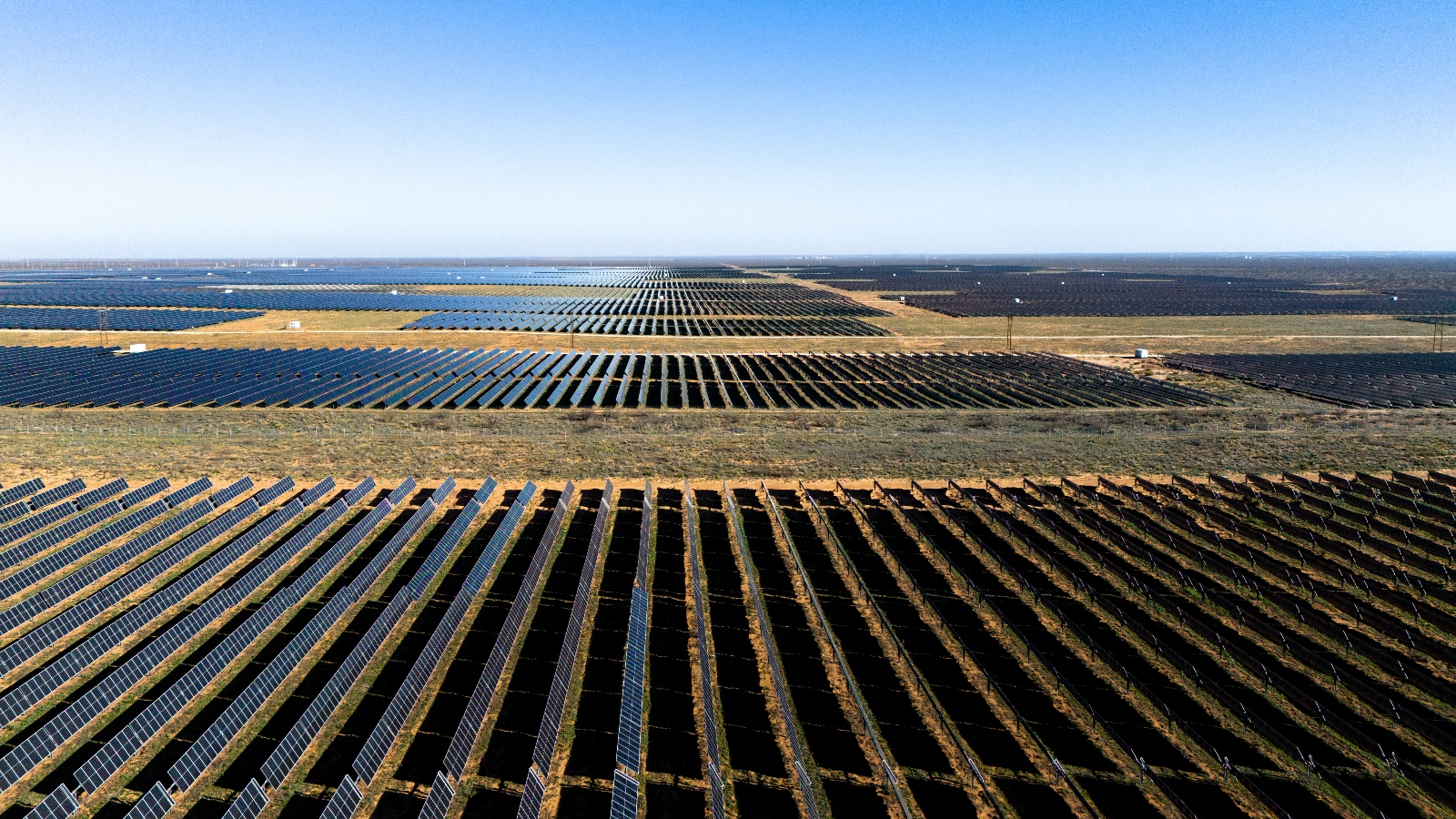
Looking further ahead to 2027, the EIA expects ERCOT to produce 99 billion kWh of solar power, a 27 percent increase from the 2026 forecast. This growth rate is staggering when compared to the stagnant or declining figures for coal. The primary driver is the sheer volume of capacity being connected to the grid. Texas currently has tens of gigawatts of solar in the interconnection queue. These projects are attractive to investors because solar production profiles align closely with Texas’ peak demand periods—hot summer afternoons when air conditioning use surges.
While coal plants are designed for "baseload" power—running consistently at a steady rate—they lack the flexibility to ramp up and down quickly in response to price fluctuations. In contrast, solar provides cheap energy exactly when the market price of electricity tends to be highest. This economic reality has made coal plants increasingly "uneconomic," leading to lower capacity factors and eventually, decommissioning.
Political Friction and Federal Policy Contrasts
The surge of solar in Texas stands in stark contrast to the energy narratives often promoted at the federal level. The Trump administration and its allies have frequently championed a policy of "energy dominance" centered on the revival of the coal industry. Federal efforts have included attempts to provide subsidies to struggling coal plants under the guise of national security and grid resilience. The Department of Energy has, at various times, explored using emergency powers to keep aging coal facilities operational, often at a significant cost to taxpayers.
Furthermore, administrative hurdles at the federal level have occasionally slowed renewable progress on public lands. The Department of the Interior has faced criticism for blocking or delaying wind and solar developments that intersect with federal jurisdictions. However, because the vast majority of Texas land is privately owned and the ERCOT grid is largely exempt from federal oversight (specifically from the Federal Energy Regulatory Commission, or FERC), Texas has been able to bypass much of this federal friction.
Texas leaders have maintained a "maverick" approach to energy, prioritizing a free-market system that resists federal intervention. This independence has allowed the state to prove a point that contradicts some federal rhetoric: renewable energy can flourish without being forced by climate mandates, provided the market rules allow it to compete fairly. The success of solar in a deep-red state suggests that the energy transition is being driven by "dollars and cents" as much as it is by environmental policy.
Addressing Grid Reliability and the Role of Storage
A common critique of solar energy, often echoed by proponents of fossil fuels, is its intermittency. Critics argue that because the sun does not shine 24 hours a day, solar cannot replace the reliability of a coal plant. However, the Texas experience is demonstrating how a modern grid can manage this variability through diversification and technological integration.
ERCOT manages the evening ramp—the period when the sun goes down and demand remains high—through a diverse portfolio of assets. This includes natural gas "peaker" plants, nuclear energy, and a rapidly expanding fleet of utility-scale batteries. Texas has recently overtaken other states in the speed of its battery storage deployment. These batteries soak up excess solar power during the middle of the day and discharge it during the critical sunset window.
In the summer of 2023, Texas experienced record-breaking heatwaves that pushed the grid to its limits. During these periods, solar power was credited with preventing rolling blackouts. By providing a massive influx of power during the hottest hours, solar kept prices from spiraling out of control and ensured that the grid had sufficient reserves. This real-world performance has softened the opposition to renewables among some grid operators, who now view solar as a vital tool for summer reliability.
Lessons for Other States and the Path Forward
The Texas model offers several lessons for other states, particularly those with ambitious climate goals that have struggled to build infrastructure quickly. Many "blue" states face significant bottlenecks in permitting and grid interconnection, often taking a decade or more to bring new solar projects online. Texas, with its more relaxed land-use regulations and streamlined "right to connect" policies, has shown that it is possible to build at the speed required by the energy transition.
Policy experts suggest that other regions could benefit by:
- Reforming Interconnection Queues: Reducing the time it takes for new projects to get approval to plug into the grid.
- Reducing Deference to Incumbents: Ensuring that legacy utilities cannot use their market power to block new, cheaper competitors.
- Investing in Transmission: Building the "highways" for electricity that allow power to move from rural areas of high production to urban areas of high consumption.
- Market-Based Incentives: Using competitive auctions or price signals to encourage the deployment of batteries and other firming technologies.
As Texas moves toward 2027, the gap between solar and coal will likely become an unbridgeable chasm. The transition is not without its challenges—ERCOT still faces questions about long-term winter reliability and the need for more dispatchable thermal backup—but the direction of travel is clear. The "Lone Star State" is proving that even in a region built on the back of the coal and oil industries, the economic advantages of the sun are becoming too great to ignore.
In conclusion, the rise of solar over coal in Texas is a landmark event in American energy history. It signifies a shift from a fuel-based energy economy to a technology-based one. As the solar fleet continues to expand and battery technology matures, the Texas grid will serve as a global case study for how a deregulated, competitive market can facilitate a rapid and large-scale transition to clean energy. The sun is indeed rising on a new era for Texas power, leaving the era of coal in the shadows of the past.