5 Learned Managing Internal Project
Mastering Internal Project Management: Five Essential Learnings for Enhanced Efficiency and Impact
Effective management of internal projects is a cornerstone of organizational success, driving innovation, streamlining operations, and fostering a culture of continuous improvement. While often less visible than client-facing initiatives, internal projects are critical for building robust infrastructure, developing new internal tools, implementing process changes, and cultivating employee skills. The complexities of internal project management lie in navigating diverse stakeholder needs within the organization, often with competing priorities and limited resources. Successfully completing these projects requires a deliberate and strategic approach, informed by practical lessons learned. This article distills five key learnings that are paramount for any organization aiming to elevate its internal project management capabilities, ensuring projects are delivered on time, within budget, and to the satisfaction of internal stakeholders, ultimately contributing to the company’s strategic objectives and operational excellence.
The first fundamental learning centers on the absolute necessity of robust stakeholder identification and continuous engagement. Internal projects, by their nature, involve a broader and often more diffuse set of stakeholders than external ones. This includes not just the direct sponsors or decision-makers, but also end-users of new systems or processes, IT departments responsible for infrastructure, HR for training and change management, finance for budgeting and resource allocation, and various departmental heads whose workflows might be impacted. Failure to identify all relevant stakeholders early on can lead to misaligned expectations, resistance to change, scope creep, and ultimately, project failure or underutilization. The learning here is to move beyond a perfunctory list and to actively map out the influence and interest of each stakeholder. This involves understanding their individual needs, concerns, and expectations regarding the project’s outcome and impact. Once identified, proactive and consistent communication becomes paramount. This isn’t simply about sending out status updates; it’s about establishing clear channels for feedback, actively soliciting input, and addressing concerns promptly and transparently. Regular, tailored communication, using the preferred methods of different stakeholder groups, builds trust and fosters a sense of ownership. For instance, for end-users, hands-on demos and feedback sessions are invaluable. For senior leadership, concise executive summaries highlighting key milestones, risks, and ROI are crucial. Implementing a stakeholder matrix, which categorizes stakeholders by their power and interest, can be a powerful tool for tailoring communication and engagement strategies. This upfront investment in understanding and engaging with internal stakeholders prevents downstream issues, ensures buy-in, and significantly increases the likelihood of a project being adopted and championed within the organization. Without this, even technically brilliant projects can falter due to internal politics or a lack of user adoption.
The second critical learning emphasizes the importance of clearly defined scope and rigorous scope management throughout the project lifecycle. Internal projects are particularly susceptible to scope creep, often driven by the availability of internal expertise or a desire to “just add this one small feature.” Without a meticulously defined scope, documented in a clear project charter or statement of work, the project’s objectives become blurry, leading to an amorphous target that is difficult to hit. This learning dictates that the initial scope definition phase must be thorough, involving in-depth discussions with stakeholders to capture all essential requirements and deliverables. Key performance indicators (KPIs) and success criteria should be explicitly stated and agreed upon, providing measurable benchmarks for project completion. Once the scope is frozen, any proposed changes must undergo a formal change control process. This process should involve a thorough assessment of the impact of the proposed change on the project’s timeline, budget, resources, and overall objectives. Documenting each change request, its rationale, and its approved or rejected status is non-negotiable. This prevents informal requests from derailing the project and ensures that all modifications are consciously considered and approved by the relevant authorities. The learning here is that scope is not a static entity but a dynamic one that requires constant vigilance. Implementing a robust change management process, including change request forms, impact assessments, and change control boards, is essential. This discipline guards against the “scope creep monster,” ensuring that the project stays focused on its original goals and delivers the intended value without succumbing to feature bloat or endless iterations that drain resources and delay delivery. A well-defined and managed scope acts as the project’s compass, guiding it through the complexities of internal organizational dynamics.
The third vital learning focuses on the indispensable role of realistic resource allocation and proactive risk management. Internal projects frequently compete for limited resources – human capital, budget, and technology. A common pitfall is underestimating the time, effort, and expertise required, leading to overloaded teams, missed deadlines, and compromised quality. The learning here is to conduct a comprehensive resource assessment during the planning phase, identifying not only the explicit needs for the project but also accounting for existing workloads and potential conflicts. This involves detailed task breakdown and estimation, incorporating buffer time for unforeseen issues. Furthermore, it requires securing explicit commitments for resources from relevant department heads, ensuring that project team members are not over-allocated. Simultaneously, proactive risk management is not an afterthought but an integral part of the planning and execution process. This involves identifying potential risks – such as technology failures, changes in organizational priorities, key personnel leaving, or unexpected dependencies – early in the project. For each identified risk, the learning is to assess its probability and potential impact, and then to develop mitigation and contingency plans. Mitigation strategies aim to reduce the likelihood of a risk occurring, while contingency plans outline the steps to take if a risk materializes. This proactive approach allows teams to be prepared for challenges, rather than being caught off guard. The learning is to foster a risk-aware culture where potential problems are openly discussed and addressed before they escalate. Regular risk review meetings, where the project team collectively analyzes and updates the risk register, are crucial. By diligently managing resources and proactively addressing risks, organizations can significantly improve the predictability and success rate of their internal projects, ensuring that valuable internal initiatives are not derailed by avoidable obstacles.
The fourth crucial learning highlights the necessity of effective communication and collaboration strategies tailored for internal teams. Unlike external projects where communication might be more formal and structured with clients, internal projects often benefit from and sometimes rely on a more fluid and dynamic exchange of information. The learning is to establish a clear communication plan that outlines the frequency, channels, and responsible parties for disseminating project information. This plan should cater to different communication needs: regular team stand-ups for immediate progress updates, project management software for task tracking and documentation, email for formal announcements, and informal channels like instant messaging or quick in-person discussions for resolving minor queries or fostering team cohesion. Collaboration tools are equally important. Implementing shared platforms for document management, task assignment, and real-time collaboration on deliverables ensures that all team members have access to the latest information and can work together seamlessly, regardless of their physical location or departmental affiliation. The learning here is to actively foster an environment of transparency and open dialogue within the project team and with relevant stakeholders. This means not only sharing information but also actively listening to feedback, encouraging diverse perspectives, and resolving conflicts constructively. For internal projects, where team members often have pre-existing working relationships, leveraging this familiarity while maintaining professional project boundaries is key. This learning emphasizes that effective communication and collaboration are not just about information flow; they are about building a cohesive and motivated project team that feels informed, valued, and empowered to contribute to the project’s success.
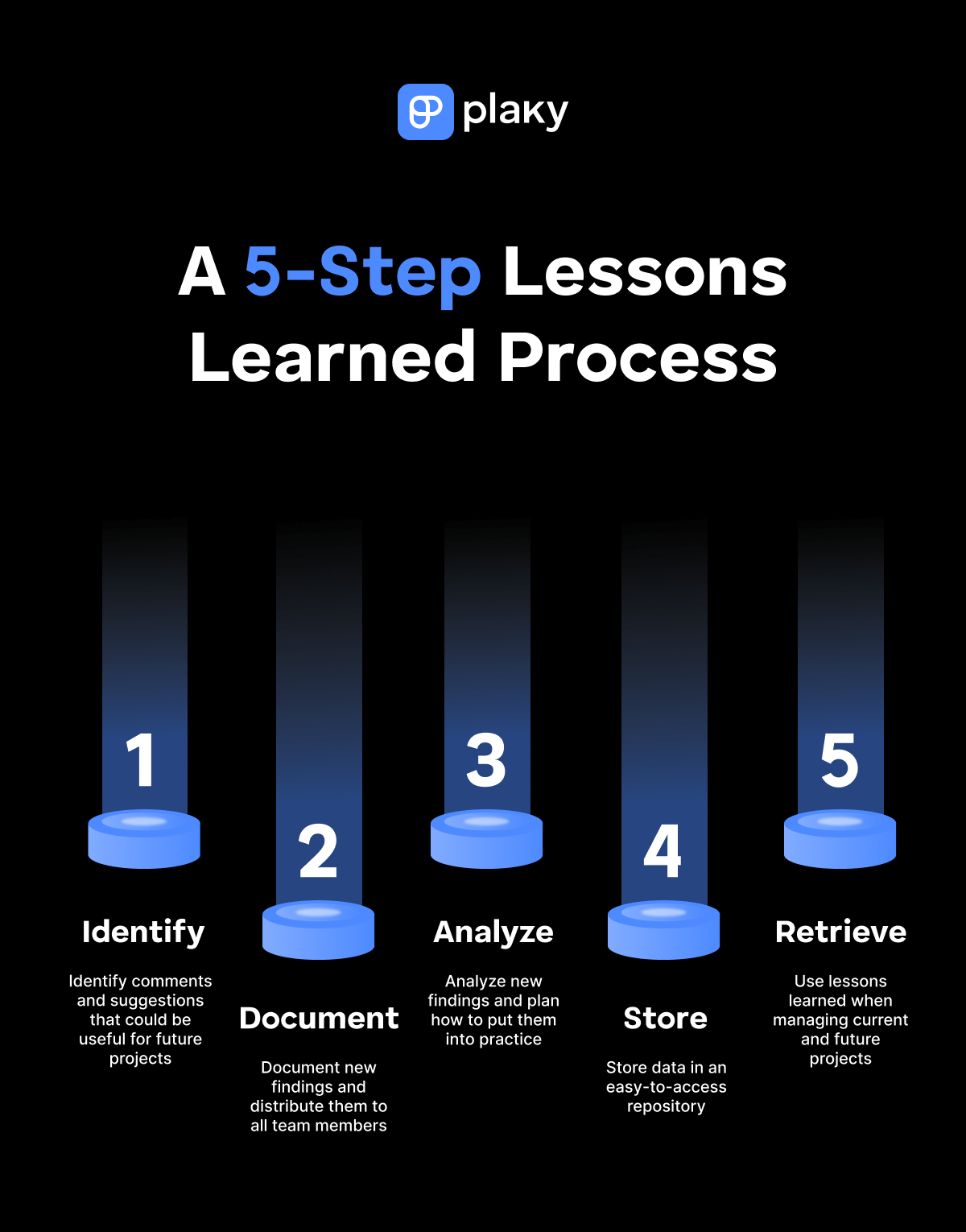
The fifth and final pivotal learning underscores the critical importance of post-project evaluation and knowledge capture. Far too often, internal projects, upon completion, are simply closed without a formal process to review their performance or document the lessons learned. This represents a significant missed opportunity for organizational growth and improvement. The learning here is to implement a structured post-project review, or a "lessons learned" session, involving the project team and key stakeholders. This session should critically assess what went well, what could have been improved, and why. It’s an opportunity to analyze project outcomes against initial objectives, evaluate budget and timeline adherence, and identify any unexpected challenges or successes. The true value lies in capturing this knowledge in a retrievable format. This could involve creating a formal lessons learned document, updating project management templates, or incorporating new best practices into the organization’s standard operating procedures. The learning is to make this a repeatable and ingrained process, not a one-off exercise. By systematically capturing and disseminating the insights gained from each internal project, organizations can continuously refine their project management methodologies, avoid repeating past mistakes, and replicate successful strategies. This fosters a culture of continuous learning and improvement, ensuring that each project contributes not only to its immediate objectives but also to the long-term enhancement of the organization’s project management maturity and overall operational effectiveness. This disciplined approach transforms completed projects into valuable learning assets for future endeavors.