Extreme Cold Climate Change Poll
Extreme Cold Snap: Understanding the Paradox of Climate Change and its Impact
The increasing frequency and intensity of extreme cold events, often referred to as "polar vortex outbreaks" or "Arctic blasts," present a perplexing paradox within the broader narrative of global warming. While the planet’s average temperature is undeniably rising, numerous regions are experiencing record-breaking and devastatingly cold winters. This phenomenon is not an indictment of climate change but rather a complex consequence of it, driven by alterations in atmospheric circulation patterns, particularly the behavior of the stratospheric polar vortex. The scientific consensus points to the melting of Arctic sea ice and the warming of the Arctic region at a rate significantly faster than the global average – a process termed Arctic amplification – as a primary driver behind these increasingly severe cold snaps. This amplification weakens the temperature gradient between the Arctic and mid-latitudes, destabilizing the jet stream. The jet stream, a high-altitude band of wind that typically acts as a boundary, keeping frigid Arctic air locked in the polar regions, becomes more erratic and prone to "wavier" patterns. When these waves amplify, they allow lobes of extremely cold air to plunge southward into regions unaccustomed to such temperatures, leading to the dramatic cold snaps that disrupt lives, economies, and ecosystems. Understanding this intricate relationship is crucial for effective climate adaptation and mitigation strategies.
The physical mechanisms underpinning these extreme cold events are multifaceted and have been the subject of intense scientific research. The stratosphere, the layer of the atmosphere above the troposphere where weather occurs, plays a pivotal role. During winter, a strong, stable polar vortex forms, characterized by a swirling mass of extremely cold air encircling the North Pole, driven by a significant temperature difference between the pole and lower latitudes. This vortex is usually contained by a powerful jet stream in the upper atmosphere. However, as the Arctic warms disproportionately due to Arctic amplification, this temperature gradient weakens. This weakening can lead to destabilization of the stratospheric polar vortex, causing it to become distorted, elongated, or even split into multiple smaller vortices. When the polar vortex weakens or splits, the jet stream that encircles it also becomes more meridional (north-south) rather than zonal (east-west). This "wavy" jet stream allows frigid Arctic air, which is normally confined to high latitudes, to surge southward into mid-latitude regions. The greater the amplitude of these jet stream waves, the more extreme the southward excursions of cold air, resulting in the severe cold snaps that have become increasingly prevalent. Furthermore, research suggests that changes in snow cover extent in Eurasia and the Siberian region can also influence atmospheric circulation and contribute to the southward push of Arctic air.
The observable impacts of these extreme cold events are far-reaching and profoundly disruptive. Economically, the consequences can be devastating. Infrastructure, particularly that not designed for such severe conditions, is highly vulnerable. Power grids can become overloaded due to increased demand for heating, leading to widespread blackouts that can last for days, crippling businesses and residential life. Transportation networks are severely affected, with flight cancellations, road closures due to ice and snow, and disruptions to freight movement impacting supply chains and leading to shortages of essential goods. Agriculture is particularly susceptible; crops that are not adequately protected can be destroyed by frost and freezing temperatures, leading to significant financial losses for farmers and impacting food security. For example, unseasonal frosts can damage fruit blossoms, jeopardizing entire harvests. Livestock are also at risk, requiring additional feed and shelter to survive extreme cold, increasing operational costs for farmers and potentially leading to animal losses.
Beyond economic disruptions, the human toll of extreme cold snaps is substantial. Public health is a major concern, with increased risks of hypothermia and frostbite, particularly for vulnerable populations such as the elderly, infants, and individuals experiencing homelessness. The strain on healthcare systems intensifies, as hospitals deal with an influx of cold-related illnesses and injuries. Many cold-related deaths are indirectly caused by factors such as carbon monoxide poisoning from improper use of heating devices during power outages, or from pre-existing medical conditions exacerbated by the cold. Socially, these events can lead to isolation and hardship, with communities struggling to cope with disrupted services and the inability to access essential supplies. The psychological impact of prolonged periods of extreme cold and isolation should also not be underestimated.
Ecological systems are also significantly impacted by these extreme cold events. Native flora and fauna are adapted to specific temperature ranges, and sudden, intense cold snaps can push them beyond their resilience thresholds. Plants that have already budded or are in their early stages of growth can be killed by frost, disrupting natural cycles and potentially impacting plant populations for years to come. Migratory birds, often caught off guard by sudden cold fronts, can face starvation and disorientation. Animals that rely on specific food sources may find them inaccessible due to ice and snow cover. Moreover, the thawing and refreezing cycles associated with these events can disrupt soil structure and hydrology, impacting the health of terrestrial ecosystems. In aquatic environments, unusually cold temperatures can lead to fish kills and alter the delicate balance of freshwater and marine ecosystems. The long-term consequences for biodiversity and ecosystem functioning can be profound and require careful monitoring and conservation efforts.
The scientific community is actively engaged in refining climate models to better predict and understand the complex interplay between Arctic amplification and mid-latitude extreme weather. Sophisticated climate models are increasingly incorporating finer resolutions and more accurate representations of atmospheric processes, including stratospheric dynamics and ocean-atmosphere interactions. Researchers are employing advanced statistical techniques and machine learning algorithms to identify patterns and drivers of these extreme cold events. The goal is to improve the accuracy of seasonal and sub-seasonal forecasts, allowing for more effective preparedness and response strategies. Understanding the teleconnections between remote Arctic processes and weather patterns in lower latitudes is a key area of research, as is investigating the role of other factors such as the El Niño-Southern Oscillation (ENSO) and the Madden-Julian Oscillation (MJO) in modulating the impact of a weakened polar vortex. This ongoing research is critical for developing robust climate projections and informing policy decisions.
Mitigation and adaptation strategies are essential in addressing the challenges posed by extreme cold climate change. Mitigation, focused on reducing greenhouse gas emissions, remains the paramount long-term solution. Transitioning to renewable energy sources, improving energy efficiency, and implementing carbon capture technologies are crucial steps in slowing down Arctic warming and its cascading effects. However, given the inertia of the climate system, adaptation measures are also imperative. This includes investing in climate-resilient infrastructure, such as strengthening power grids, improving insulation in buildings, and developing early warning systems for extreme weather events. For agriculture, this involves promoting drought and cold-tolerant crop varieties, implementing protective measures like greenhouses and frost blankets, and developing diversified farming systems. Public health preparedness is vital, requiring robust emergency response plans, accessible warming centers, and public awareness campaigns on cold weather safety. Community-level planning, focusing on mutual aid and support networks, can also enhance resilience during prolonged cold snaps.
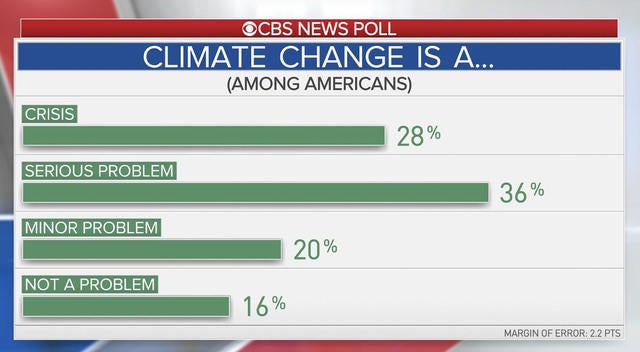
The perception of climate change as solely a warming phenomenon needs to be re-evaluated to incorporate the reality of increasing extreme cold events. This nuanced understanding is critical for public engagement and policy development. When communities experience severe cold snaps, it can be tempting to dismiss climate change. However, acknowledging the scientific explanation of how a warming Arctic can lead to colder winters elsewhere fosters a more informed and constructive dialogue. Educators and communicators play a vital role in bridging this knowledge gap, explaining the complex mechanisms in an accessible manner. Governments and international organizations must prioritize funding for research into these phenomena and invest in adaptation measures that acknowledge the dual nature of climate change impacts. By fostering a comprehensive understanding of the paradox of extreme cold within global warming, societies can better prepare for and respond to the multifaceted challenges of a changing climate. The investment in robust climate science, early warning systems, and resilient infrastructure is not just a matter of addressing a current threat, but a crucial undertaking for ensuring long-term societal well-being and environmental stability in the face of an increasingly unpredictable climate.