Teachers Union Leaders Warn Trump Funding Cuts Could Devastate Special Ed
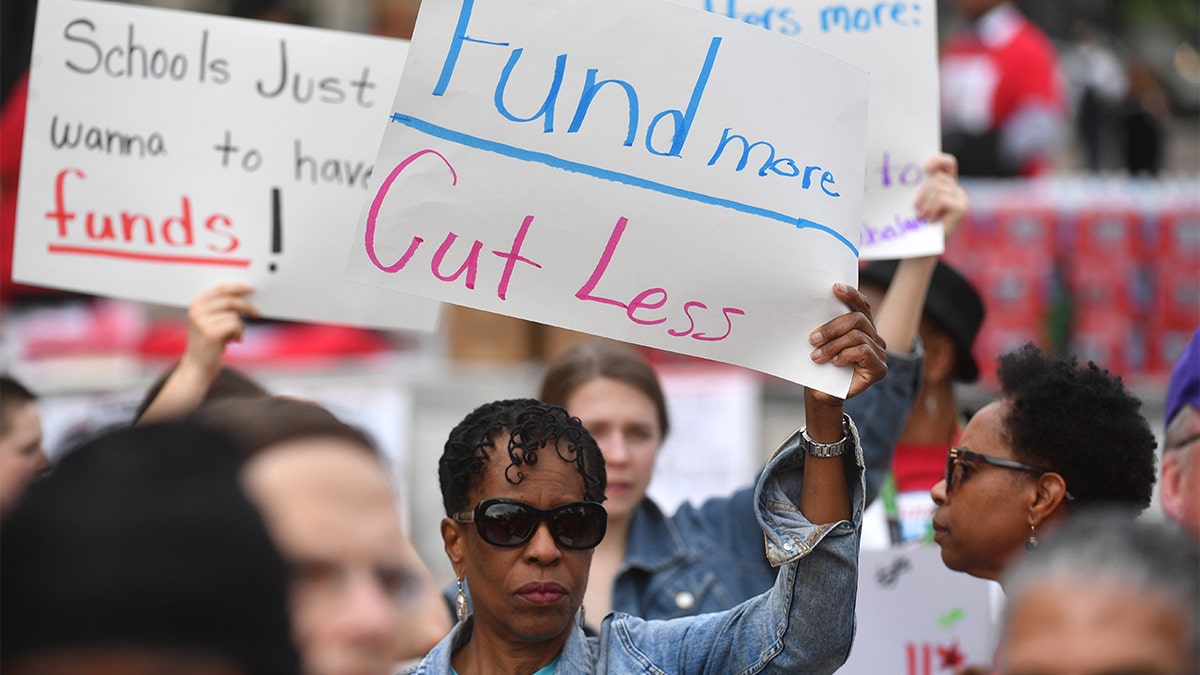

Teachers Union Leaders Warn Trump Funding Cuts Could Devastate Special Education
The specter of proposed federal funding cuts under the Trump administration looms large over the landscape of special education, threatening to dismantle essential programs and services that support millions of students with disabilities. Leaders from prominent teachers unions have issued dire warnings, asserting that such reductions in federal investment will have a devastating, cascading effect on the quality of education and the well-being of vulnerable children. These cuts, if enacted, are not merely budgetary adjustments; they represent a fundamental disinvestment in the nation’s commitment to providing equitable access to education for all students, regardless of their learning needs. The Individuals with Disabilities Education Act (IDEA), the cornerstone legislation guaranteeing these rights, relies heavily on federal funding to supplement state and local efforts. Without adequate federal support, the burden on already stretched state and local budgets will become unsustainable, forcing difficult decisions that will inevitably impact the services students receive.
The core of the concern lies in the direct correlation between federal funding and the resources available to schools for special education. IDEA mandates that public schools provide a Free Appropriate Public Education (FAPE) to all eligible children with disabilities. This mandate includes a wide array of services, such as specialized instruction, speech therapy, occupational therapy, physical therapy, psychological services, assistive technology, and individualized education programs (IEPs). These services are not optional; they are legally required and critical for students to access the general curriculum and reach their full potential. When federal funding is reduced, schools are forced to make agonizing choices. This often translates into fewer specialized teachers, psychologists, aides, and therapists. It can also mean longer waiting lists for assessments and services, reduced therapy sessions, outdated or insufficient assistive technology, and overcrowded special education classrooms. The impact on individual students is profound. A child who relies on speech therapy to communicate may experience a delay in their development if sessions are cut back. A student who needs a specialized aide to navigate the classroom may find themselves without adequate support, leading to frustration, disengagement, and academic regression.
Union leaders have been vocal in highlighting the underfunding of IDEA since its inception. While the federal government has never fully funded the 40% per-pupil funding commitment stipulated in the law, recent proposals suggest a significant step backward. These cuts are particularly alarming given the rising identification of students with disabilities and the increasing complexity of their needs. The economic realities faced by many school districts, exacerbated by the ongoing impact of the COVID-19 pandemic, mean that any reduction in federal aid will be felt acutely. Schools are already grappling with teacher shortages, rising operational costs, and the need for increased mental health support for all students. Adding to these pressures with federal funding cuts to special education is, according to union representatives, an abdication of responsibility and a direct threat to the educational futures of a significant portion of the student population.
The ramifications extend beyond the immediate classroom. Special education services are not just about academic instruction; they are about fostering independence, social-emotional development, and preparing students for post-secondary success, whether that be further education, vocational training, or community integration. When these vital services are curtailed, the long-term consequences can be severe. Students may struggle to develop essential life skills, leading to increased reliance on social services later in life. The economic and social costs of inadequate special education support ripple outward, impacting families, communities, and the broader society. Teachers unions, as the frontline advocates for educators and, by extension, for the students they serve, are sounding the alarm because they witness these impacts firsthand. They see the dedication of teachers working with limited resources, the struggles of parents seeking adequate support for their children, and the potential for bright futures to be dimmed by insufficient investment.
Furthermore, the proposed cuts threaten to exacerbate existing inequities within the special education system. Schools in low-income communities often have fewer local resources to draw upon. They are therefore more reliant on federal funding to provide comprehensive special education services. Reductions in federal aid will disproportionately harm students in these districts, widening the achievement gap and perpetuating cycles of disadvantage. Union leaders emphasize that special education is not a luxury or an optional add-on; it is a fundamental right and a critical component of a just and equitable education system. The federal government’s role in ensuring this right is protected and adequately funded is paramount.
The rhetoric surrounding potential budget cuts often frames them as necessary measures for fiscal responsibility. However, union leaders argue that this perspective is shortsighted and ultimately more costly. Investing in early intervention and comprehensive special education services can significantly reduce the need for more intensive and expensive interventions later in life. Providing students with the support they need to succeed academically and develop essential life skills is an investment in their future productivity and well-being, which benefits society as a whole. The long-term costs of neglecting these needs—in terms of increased healthcare costs, social support systems, and lost economic potential—far outweigh the perceived short-term savings of funding cuts.
Union leaders are mobilizing to counter these proposed cuts through various avenues. They are engaging in advocacy efforts, meeting with lawmakers, and raising public awareness about the critical importance of special education funding. They are also working to educate parents and communities about the potential impact of these reductions, empowering them to advocate for their children. The message from teachers unions is clear: defunding special education is not an option. It is a betrayal of the nation’s commitment to its most vulnerable students and a direct assault on the principles of equal opportunity and educational justice. The fight to protect special education funding is a fight for the future of millions of children and for the integrity of the public education system.
The debate over federal funding for special education is a complex one, but the core arguments presented by teachers union leaders are compelling and grounded in the realities of classroom practice. They highlight the legal mandates, the practical needs of students, the potential for exacerbating inequities, and the long-term economic and social consequences of underinvestment. As budgetary decisions are debated, the voices of those on the front lines of education – the teachers and their unions – deserve to be heard and heeded. Their warnings about the devastating impact of Trump’s proposed funding cuts on special education are not hyperbole; they are a call to action to protect the rights and futures of students with disabilities. The continued advocacy of these leaders is essential to ensure that the promise of IDEA is not hollowed out by fiscal austerity, but rather strengthened and fully realized for every child. The integrity of special education services hinges on sustained and robust federal investment, a principle that teachers unions are tirelessly defending.