Grow Your Own Green The Ultimate Guide To Planning And Growing Cannabis At Home

Grow Your Own Green: The Ultimate Guide to Planning and Growing Cannabis at Home
Successfully cultivating cannabis at home requires meticulous planning and a deep understanding of the plant’s needs. This guide provides a comprehensive roadmap for aspiring growers, covering everything from legal considerations and site selection to nutrient management and harvesting. Prioritizing a controlled environment, whether indoors or outdoors, is paramount for consistent results. Indoor cultivation offers superior control over light, temperature, humidity, and CO2 levels, minimizing the risk of pests and diseases. Outdoor growing, while potentially yielding larger harvests, is subject to environmental fluctuations and requires careful site selection to maximize sunlight and minimize risks. Regardless of the chosen method, thorough research into local regulations regarding home cultivation is the absolute first step. Laws vary significantly by jurisdiction, and understanding these is crucial to avoid legal repercussions.
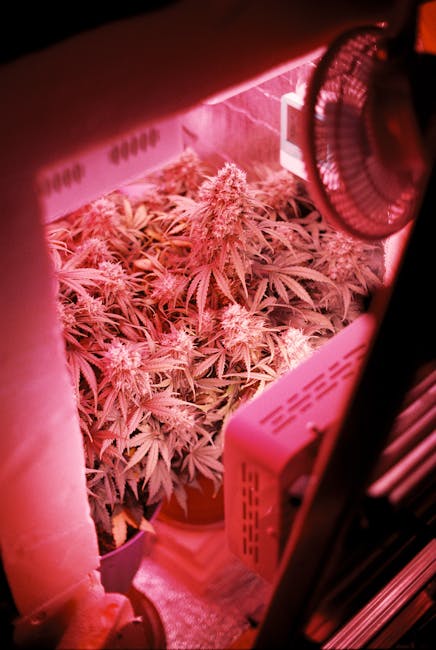
Selecting the appropriate growing space is a critical decision with long-term implications. For indoor grows, consider a dedicated grow tent, a repurposed closet, or a spare room. Key factors include adequate ventilation to prevent heat and humidity buildup, lightproofing to prevent light leaks during the dark cycle, and a sturdy structure capable of supporting grow lights and ventilation equipment. The space should also be easily accessible for watering, nutrient application, and general maintenance. Outdoor cultivation demands careful site selection. Ideal locations receive at least six to eight hours of direct sunlight daily. Consider wind exposure, water access, and proximity to potential pests or wildlife. Soil quality is also a significant factor; amending poor soil with compost and other organic matter will be necessary. Regardless of location, ensuring privacy and security is essential.
Choosing the right genetics is fundamental to achieving desired outcomes. Cannabis strains come in three primary types: Indica, Sativa, and Hybrids. Indicas are generally associated with a more relaxing, body-centric effect and shorter flowering times. Sativas are known for their uplifting, cerebral effects and longer flowering periods. Hybrids offer a combination of traits from both. Beyond these broad categories, consider factors like yield potential, terpene profiles (which contribute to aroma and flavor), cannabinoid content (THC and CBD levels), and resistance to common pests and diseases. Seed banks and dispensaries offer a vast array of feminized seeds, regular seeds, and clones. Feminized seeds are genetically predisposed to produce female plants, which are the only ones that produce buds. Regular seeds produce both male and female plants, requiring growers to identify and remove males before they pollinate the females. Clones are cuttings from a mother plant, ensuring genetic consistency.
The vegetative stage is characterized by rapid growth and the development of foliage. During this phase, plants require a light cycle of 18 hours of light and 6 hours of darkness. They also need an abundance of nitrogen for healthy leaf development. Nutrient solutions for the vegetative stage are typically higher in nitrogen and lower in phosphorus and potassium. The pH of the nutrient solution is critical for nutrient uptake. For soil grows, a pH range of 6.0-7.0 is generally recommended, while hydroponic systems often require a pH of 5.5-6.5. Water requirements during the vegetative stage will vary based on plant size, environmental conditions, and the type of growing medium. Overwatering can lead to root rot, while underwatering stresses the plant. Monitoring soil moisture is key.
The flowering stage is initiated by reducing the light cycle to 12 hours of light and 12 hours of darkness. This change signals to the plant that it is time to reproduce and produce flowers (buds). During flowering, plants require different nutrient ratios, with increased levels of phosphorus and potassium to support bud development. Nitrogen requirements decrease. Maintaining optimal temperature and humidity levels becomes even more critical to prevent mold and mildew on developing buds. Temperatures typically range from 70-85°F (21-29°C) during the light cycle and slightly cooler during the dark cycle. Humidity levels should ideally be between 40-50%. Adequate airflow is essential to prevent stagnant air and the spread of pathogens.
Nutrient management is a cornerstone of successful cannabis cultivation. Cannabis plants require a spectrum of macronutrients (nitrogen, phosphorus, potassium) and micronutrients (calcium, magnesium, sulfur, iron, etc.). These nutrients can be supplied through organic amendments in soil or via pre-mixed nutrient solutions in hydroponic or soilless systems. Understanding the plant’s needs at different stages of growth is crucial. Over-fertilization can lead to nutrient burn, characterized by yellowing or browning leaf tips, while under-fertilization results in stunted growth and pale leaves. Regular monitoring of nutrient levels, pH, and electrical conductivity (EC) or total dissolved solids (TDS) in water-based systems is recommended. Many growers use pH meters and EC/TDS meters to ensure optimal nutrient delivery.
Watering techniques are critical and vary based on the growing medium. In soil, allow the top inch or two of soil to dry out between waterings. When watering, saturate the soil until runoff occurs, then allow it to drain fully. Avoid letting plants sit in standing water. For soilless mediums like coco coir or perlite, plants may require more frequent watering as these mediums drain more quickly. Hydroponic systems require precise water management, often through automated pumps and reservoirs. The quality of the water itself is also important; tap water can contain chlorine or other substances that may need to be removed through filtration or by letting it sit for 24 hours.
Lighting is perhaps the most significant investment for indoor growers and a critical factor for outdoor success. For indoor cultivation, high-intensity discharge (HID) lights, such as Metal Halide (MH) for vegetative growth and High-Pressure Sodium (HPS) for flowering, have been traditional choices. However, Light Emitting Diode (LED) grow lights are gaining popularity due to their energy efficiency, lower heat output, and customizable light spectrums. The intensity and spectrum of light directly influence plant growth and bud development. For outdoor growing, maximizing natural sunlight is key. Growers may use reflective materials or strategically position plants to capture more light.
Environmental control encompasses temperature, humidity, and ventilation. Maintaining stable temperatures is crucial. Extreme heat can stress plants and hinder growth, while cold temperatures can stunt development and increase the risk of mold. Humidity levels play a role in transpiration and nutrient uptake. During the vegetative stage, higher humidity (60-70%) can be beneficial, while lower humidity (40-50%) is preferred during flowering to prevent mold. Adequate ventilation is essential to provide fresh CO2, remove excess heat and humidity, and strengthen plant stems. Oscillating fans promote air circulation within the canopy, and exhaust fans with carbon filters are vital for odor control and air exchange in indoor setups.
Pest and disease management is an ongoing concern for all growers. Proactive prevention is the most effective strategy. Maintaining a clean grow space, inspecting plants regularly for early signs of infestation or disease, and practicing good hygiene can significantly reduce risks. Common pests include spider mites, thrips, aphids, and fungus gnats. Diseases can range from powdery mildew and bud rot to root rot. Integrated Pest Management (IPM) strategies combine biological controls, cultural practices, and, as a last resort, targeted chemical interventions. Natural predators, neem oil, insecticidal soaps, and sticky traps are common tools in an IPM arsenal.
Training techniques are methods used to manipulate plant growth for improved yields, better light penetration, and more manageable plant structures. Topping involves removing the main growing tip, encouraging the plant to grow bushier with multiple main colas. Low-Stress Training (LST) involves gently bending and tying down branches to create an even canopy and expose more bud sites to light. Screen of Green (ScrOG) uses a net to create a horizontal canopy, maximizing light exposure. Sea of Green (SOG) involves growing many plants in a small space, forcing them into early flowering to achieve a dense canopy quickly. These techniques are particularly beneficial for indoor growers looking to maximize their harvest within a limited space.
Harvesting is the culmination of the growing process. The optimal time to harvest is determined by observing the trichomes, the small, mushroom-shaped resin glands on the buds. Using a magnifying glass or jeweler’s loupe, growers examine the color of the trichomes. When most trichomes are milky white or opaque with some amber ones appearing, the buds are typically at peak potency. Clear trichomes indicate the plant is not yet mature. Harvesting too early can result in lower potency and a less desirable effect, while harvesting too late can lead to a more sedative effect and degradation of cannabinoids.
Drying and curing are essential post-harvest processes that significantly impact the quality of the final product. After harvesting, buds are hung upside down in a dark, well-ventilated area with controlled temperature and humidity (around 60-70°F and 50-60% humidity). This drying process can take seven to fourteen days. Once dry, the buds are "cured" by being placed in airtight containers (glass jars are ideal) and opened daily for "burping" to release moisture and allow for continued terpene development. Curing can take anywhere from a few weeks to several months, and it greatly enhances flavor, aroma, and smoothness.
Troubleshooting common issues requires an understanding of plant physiology and common problems. Yellowing leaves can indicate nutrient deficiencies, overwatering, or pH imbalances. Brown, crispy leaf tips often signify nutrient burn. Wilting can be caused by underwatering, overwatering, or root damage. Stunted growth can be due to insufficient light, poor nutrient management, or environmental stress. Identifying the root cause of the problem is the first step toward finding a solution. Consulting online forums, grower communities, and reputable cultivation resources can provide valuable assistance in diagnosing and resolving issues. Consistent observation and a willingness to learn from mistakes are hallmarks of successful growers.


