Vta San Jose Transit Strike Vote Monday

VTA San Jose Transit Strike Vote Monday: What You Need to Know About Potential Service Disruptions and Negotiations
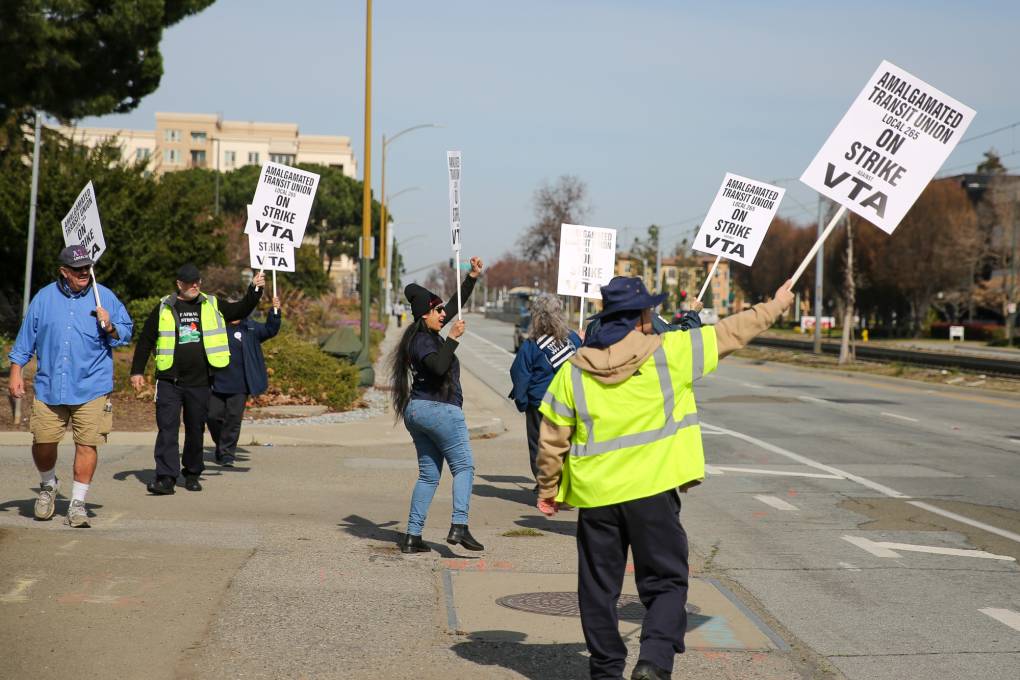
A critical VTA San Jose transit strike vote is scheduled for Monday, casting a shadow of potential service disruptions over Silicon Valley’s vital public transportation network. This pivotal decision by Amalgamated Transit Union (ATU) Local 265, representing thousands of VTA bus operators, light rail operators, dispatchers, and mechanics, will determine whether the union proceeds with strike action. The core of the dispute centers on contract negotiations with the Santa Clara Valley Transportation Authority (VTA), encompassing key issues such as wages, benefits, and working conditions. A “yes” vote would grant union leadership the authority to call a strike, which could cripple bus and light rail services across San Jose and Santa Clara County, impacting hundreds of thousands of daily riders, including commuters, essential workers, and students. This article will delve into the specifics of the upcoming vote, the contentious points in the negotiations, the potential economic and social ramifications of a strike, the history of VTA labor relations, and possible outcomes and resolutions.
The Santa Clara Valley Transportation Authority (VTA) operates a complex network of bus routes and light rail lines, serving as a lifeline for a significant portion of the region’s population. Millions of rides are taken each month, making any disruption to service a matter of considerable public concern. The impending strike vote by ATU Local 265 underscores the deep-seated frustrations and demands of the unionized workforce. The union has been engaged in contract negotiations with VTA management for months, with the current agreement set to expire soon. During these negotiations, several critical issues have emerged as sticking points, preventing a mutually agreeable resolution. Chief among these are wage increases, which the union argues are necessary to keep pace with the rising cost of living in one of the nation’s most expensive regions. Members of ATU Local 265 have expressed concerns about stagnating wages that do not adequately reflect their essential roles in keeping the region moving, especially in the aftermath of the COVID-19 pandemic where transit workers were deemed essential. Furthermore, the union is advocating for enhanced healthcare benefits and improvements to their pension plans, ensuring long-term financial security for its members. Working conditions are another area of contention, with reports of concerns regarding fatigue, safety protocols, and staffing levels. The union asserts that adequate staffing and improved working conditions are crucial for maintaining service quality and ensuring the well-being of its operators.
The potential consequences of a VTA San Jose transit strike are far-reaching and multifaceted. Economically, a prolonged strike could have a significant negative impact on the region’s productivity and commerce. Many businesses rely on VTA services to transport their employees, and a disruption would lead to increased absenteeism and potentially reduced output. The Santa Clara Valley is a global hub for technology and innovation, and its economic engine is intricately linked to the efficient movement of people. Commuters, who depend on VTA for their daily journeys to work, will be forced to seek alternative transportation, likely leading to increased traffic congestion on already strained roadways. This, in turn, can result in longer commute times and increased fuel costs for individual drivers. Students attending local colleges and universities, many of whom utilize VTA for transportation to and from campus, will face significant challenges in attending classes and accessing educational resources. Essential workers, including healthcare professionals and service industry employees, who often rely on public transit, may struggle to get to their jobs, potentially impacting critical services. Socially, a strike could exacerbate existing inequalities. Lower-income individuals and families, who are often more reliant on public transportation, will be disproportionately affected by the lack of affordable transit options. The strike could also lead to increased isolation for those without access to personal vehicles, limiting their ability to participate in community activities and access essential services.
Understanding the history of labor relations at the VTA provides context for the current negotiations and the potential for a strike. While VTA has generally maintained a functional relationship with its employee unions, labor disputes and contract stalemates are not uncommon in the public transit sector. ATU Local 265 has a history of advocating strongly for its members’ interests, and past negotiations have sometimes been tense. Previous contracts have seen periods of negotiation that extended beyond their expiration dates, requiring mediation and compromise from both sides. The VTA, like many public transit agencies across the nation, operates under budgetary constraints and faces pressure to balance operational costs with the need to provide affordable services to the public. These financial realities can create friction during contract negotiations, as management seeks to control costs while unions push for improved compensation and benefits for their members. The current economic climate, marked by inflation and rising operational expenses for the VTA itself, adds another layer of complexity to the negotiations. Management may be more hesitant to agree to significant wage increases or benefit enhancements due to these pressures, while union members will likely feel even more justified in demanding compensation that reflects the current economic realities.
The VTA San Jose transit strike vote on Monday is not an isolated event but rather a critical juncture in a complex negotiation process. The specific demands from ATU Local 265 and VTA management’s responses are central to the dispute. While specific details of the bargaining sessions are often kept confidential until an agreement is reached, reports from union representatives and VTA officials have shed light on the key areas of contention. The union’s wage proposal is reportedly seeking increases that would bring VTA employee salaries more in line with comparable transit agencies in other major metropolitan areas. They argue that current wage levels are not competitive and make it difficult to attract and retain qualified personnel. VTA management, on the other hand, has expressed concerns about the financial sustainability of such increases, pointing to projected budget shortfalls and the need to maintain fare affordability for riders. Regarding benefits, the union is pushing for a continuation and enhancement of existing health insurance and retirement plans. They highlight the importance of these benefits for the long-term well-being of their members, many of whom have dedicated decades of service to the VTA. Management’s position may involve seeking concessions on benefit costs or exploring alternative benefit structures to manage expenses. On working conditions, the union has raised specific issues related to scheduling, overtime policies, and the allocation of resources for maintenance and safety. They argue that improvements in these areas are essential to prevent burnout and ensure the safety of both employees and the riding public. VTA management’s response to these concerns would typically involve a review of operational procedures and potentially a commitment to address identified safety or efficiency issues.
The process leading up to and following the strike vote is also significant. If the union members vote to authorize a strike, it does not automatically mean a strike will commence immediately. The union leadership typically retains the authority to call a strike at a time they deem most effective, which could be after further negotiations or at a point when the VTA is experiencing peak service demand. This allows for a period of continued negotiation and the possibility of mediation. The VTA, in anticipation of a potential strike, would likely be developing contingency plans to minimize service disruptions. These plans could involve utilizing management personnel to operate some services, seeking assistance from other transit agencies, or exploring agreements with private transportation providers. However, the scale and complexity of the VTA’s operations make it challenging to fully replace the services provided by its unionized workforce. Publicly, the VTA may engage in outreach to riders, informing them of the potential for disruptions and advising them to make alternative travel arrangements. The Santa Clara Valley Transportation Authority’s official website and social media channels would likely become critical sources of information during this period.
The possibility of a strike vote also brings into focus the role of external bodies and potential mediators. If negotiations reach an impasse, the Federal Mediation and Conciliation Service (FMCS) or state-level mediation agencies may become involved. These agencies can provide neutral third parties to facilitate discussions and help bridge the gap between the union and management. The involvement of elected officials and regional transportation authorities could also play a role in resolving the dispute. Local and county governments have a vested interest in ensuring the continuity of public transit services and may exert pressure on both parties to reach a resolution. The economic well-being of the region is directly tied to the functionality of its transportation infrastructure, making a prolonged strike a concern for policymakers.
Looking ahead, the VTA San Jose transit strike vote on Monday is a critical indicator of the union’s resolve and the willingness of both parties to find common ground. A “yes” vote will signal a strong mandate for ATU Local 265 to pursue strike action if negotiations do not yield satisfactory results. Conversely, a “no” vote would indicate that the union members believe further negotiation and compromise are possible, or that they are satisfied with the current proposals from the VTA. Regardless of the outcome of the vote, the underlying issues of fair compensation, robust benefits, and safe working conditions will remain at the forefront of the discussion. The Santa Clara Valley Transportation Authority and ATU Local 265 face the significant challenge of navigating these complex issues to reach a contract that is both financially responsible for the agency and equitable for its dedicated workforce. The impact of their decisions will resonate throughout Silicon Valley, affecting the daily lives of countless individuals and the economic vitality of the region. Public awareness and understanding of the stakes involved are crucial as this pivotal vote approaches, and the subsequent negotiations unfold. The future of VTA service hinges on the outcome of this crucial vote and the subsequent actions taken by both VTA management and ATU Local 265.