The management of hypertension—a condition characterized by chronically elevated force against arterial walls—remains a cornerstone of preventative cardiology. While pharmaceutical interventions such as ACE inhibitors, beta-blockers, and diuretics have long been the standard of care, recent research conducted at the University of Lancashire has opened a new avenue of investigation into botanical alternatives. A study published in the journal PLOS One indicates that the daily consumption of food-grade peppermint oil may offer a non-invasive, cost-effective strategy for lowering systolic blood pressure in individuals diagnosed with mild hypertension or elevated blood pressure.
Clinical Findings and Study Methodology
The investigation, which focused on the therapeutic potential of Mentha piperita, involved a cohort of 40 participants aged between 18 and 65. Each individual presented with either elevated blood pressure or stage 1 hypertension, a clinical threshold that serves as a critical window for lifestyle and dietary intervention before the progression to more severe cardiovascular disease.
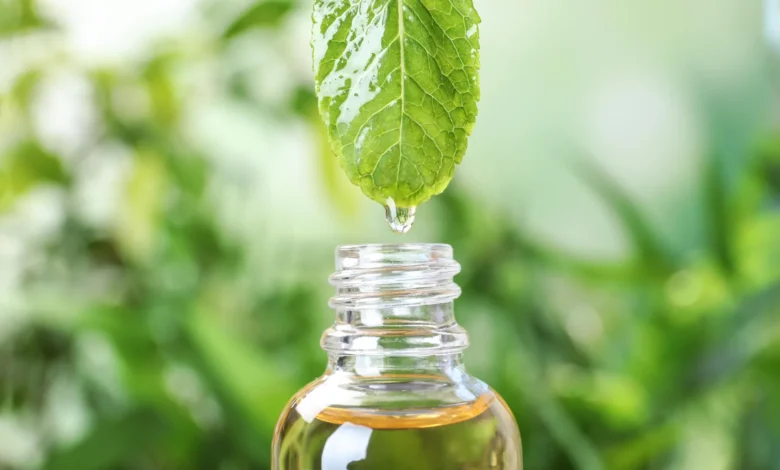
The methodology utilized a double-blind, randomized, placebo-controlled design. Participants were partitioned into two groups: one receiving 100 microliters of food-grade peppermint oil daily—administered in two 50-microliter doses diluted in water—and a control group receiving a peppermint-flavored placebo lacking the active biochemical compounds found in the botanical extract.
The results, observed over a condensed 20-day period, were statistically significant. The treatment group experienced a mean reduction in systolic blood pressure from 130 mmHg to 122 mmHg. Conversely, the control group exhibited no meaningful change in their blood pressure readings. The differential in systolic pressure between the two groups, after adjusting for baseline variances, was 8.5 mmHg. This reduction is clinically relevant, as even minor sustained decreases in systolic pressure are associated with lower risks of stroke, myocardial infarction, and heart failure.
The Biochemistry of Menthol and Flavonoids
The physiological mechanism behind these findings is believed to be rooted in the complex chemical profile of peppermint. Menthol, the primary volatile component of peppermint oil, is widely recognized for its cooling sensation; however, in a cardiovascular context, it acts as a potential vasodilator. By encouraging the relaxation of smooth muscle cells within the vascular walls, peppermint oil may facilitate vasodilation, thereby reducing systemic vascular resistance.
Furthermore, peppermint contains a diverse array of flavonoids—polyphenolic compounds renowned for their antioxidant and anti-inflammatory properties. Chronic inflammation is increasingly recognized as a precursor to endothelial dysfunction, the process by which the inner lining of blood vessels loses its ability to dilate and constrict properly. By mitigating oxidative stress and inflammation, the compounds in peppermint oil may help restore vascular elasticity. While the study results are promising, researchers note that the exact biological pathways remain a subject of ongoing investigation, necessitating further molecular research to map how these compounds interact with the autonomic nervous system and the renin-angiotensin-aldosterone system.
The Global Burden of Hypertension
To understand the gravity of these findings, one must view them through the lens of global health statistics. Hypertension is the most prevalent preventable risk factor for cardiometabolic disease, affecting over one billion people worldwide. It is frequently labeled a "silent killer" because it often presents with no overt symptoms until a catastrophic event, such as a stroke or cardiac arrest, occurs.
Dr. Jonnie Sinclair, the study’s lead author and Reader in Sport and Health Sciences at the University of Lancashire, emphasizes that while current pharmacological treatments are effective, they are not without limitations. "High blood pressure is one of the biggest causes of heart disease and death worldwide, and it costs a huge amount of money to treat," Dr. Sinclair stated. "Although medicines are commonly used to treat it, it’s not always clear how well they work in the long-term, and they can cause unwanted side effects."
Common side effects associated with antihypertensive drugs include dizziness, fatigue, electrolyte imbalances, and persistent coughs. If a low-cost, food-derived intervention could serve as an adjunct to—or in early stages, a substitute for—pharmaceuticals, the potential impact on public health expenditures and patient compliance would be substantial.
Timeline and Research Chronology
The research trajectory began with a focus on non-pharmacological interventions for metabolic health. The study design followed a rigorous protocol:
- Pre-Screening Phase: Researchers recruited 40 participants meeting strict criteria for elevated blood pressure.
- Baseline Data Collection: Initial measurements were taken for body mass index (BMI), blood pressure, resting heart rate, and markers of sleep quality.
- Intervention Period (Days 1–20): Participants adhered to the daily regimen of either the peppermint oil or the placebo.
- Data Analysis (Post-Day 20): Researchers compiled the final blood pressure readings, comparing the systolic and diastolic changes.
- Publication (Current Phase): Findings were reviewed and published in PLOS One, triggering a wider discussion on the role of botanical medicine in cardiology.
Expert Perspectives and Clinical Implications
The medical community has received these findings with measured optimism. Cardiovascular health experts have long advocated for the "DASH" diet (Dietary Approaches to Stop Hypertension) and increased physical activity as the primary defenses against high blood pressure. Adding a safe, natural, and low-calorie supplement to this regimen could, in theory, improve patient outcomes.
However, clinical caution is paramount. The current study lasted only three weeks and utilized a limited sample size. These factors mean the study serves as a "proof of concept" rather than a definitive clinical guideline. Larger, multi-center longitudinal studies are required to establish long-term safety profiles, potential interactions with other medications, and the sustainability of the blood pressure reduction over months or years.
Furthermore, the researchers were explicit in their distinction between food-grade oil and unregulated essential oils. Essential oils sold for aromatherapy or non-ingestible purposes often contain impurities or additives that can be toxic if consumed. The use of therapeutic-grade, food-safe peppermint oil is essential for ensuring patient safety.
Future Research Directions
As the medical field continues to pivot toward personalized and holistic medicine, the role of dietary compounds is expected to expand. Future investigations will likely address:
- Dose-Response Relationships: Determining the minimum and maximum effective doses for long-term management.
- Comparative Analysis: Assessing how peppermint oil performs in head-to-head comparisons with low-dose pharmaceutical monotherapy.
- Mechanism Mapping: Utilizing advanced imaging to observe changes in vascular diameter in real-time following ingestion.
- Population Diversity: Expanding trials to include broader age demographics and individuals with comorbid conditions like Type 2 diabetes or chronic kidney disease.
Conclusion and Public Health Context
The findings from the University of Lancashire provide a compelling argument for further exploring the intersection of nutrition and cardiovascular health. While peppermint oil should never be viewed as a standalone replacement for prescribed medication without medical supervision, its potential as a supplementary tool is significant.
For millions of people struggling with the early stages of hypertension, the prospect of a simple, inexpensive, and well-tolerated intervention is profound. The primary implication of this study is not that one should immediately abandon current medical advice, but that the scientific community is making headway in identifying natural, accessible ways to reduce the global burden of preventable heart disease.
As clinical research moves into larger, longer-term phases, the focus will remain on validating these initial findings to ensure they meet the rigorous standards of evidence-based medicine. For now, the study stands as a testament to the fact that the next breakthrough in cardiovascular health may not come from a synthetic laboratory compound, but from the natural world—a reminder of the potential efficacy inherent in traditional, plant-based remedies when analyzed through the modern lens of clinical science. Consumers are advised to consult with their primary care physician before beginning any new supplementation regimen to ensure it aligns with their specific medical history and current treatment plans.
Related posts: