The Militarization of Kodiak Island and the High Cost of the New Arctic Arms Race

In the remote reaches of the Gulf of Alaska, the island of Kodiak is undergoing a profound and rapid transformation. Once characterized by its robust fishing industry and pristine, rugged wilderness, the island has become the focal point of a massive, state-backed military expansion. At the center of this shift is the Pacific Spaceport Complex, a facility originally designed for commercial satellite launches and educational research, which is now being rapidly repurposed as a critical node in the United States’ multi-trillion-dollar missile defense initiative, known as the Golden Dome.
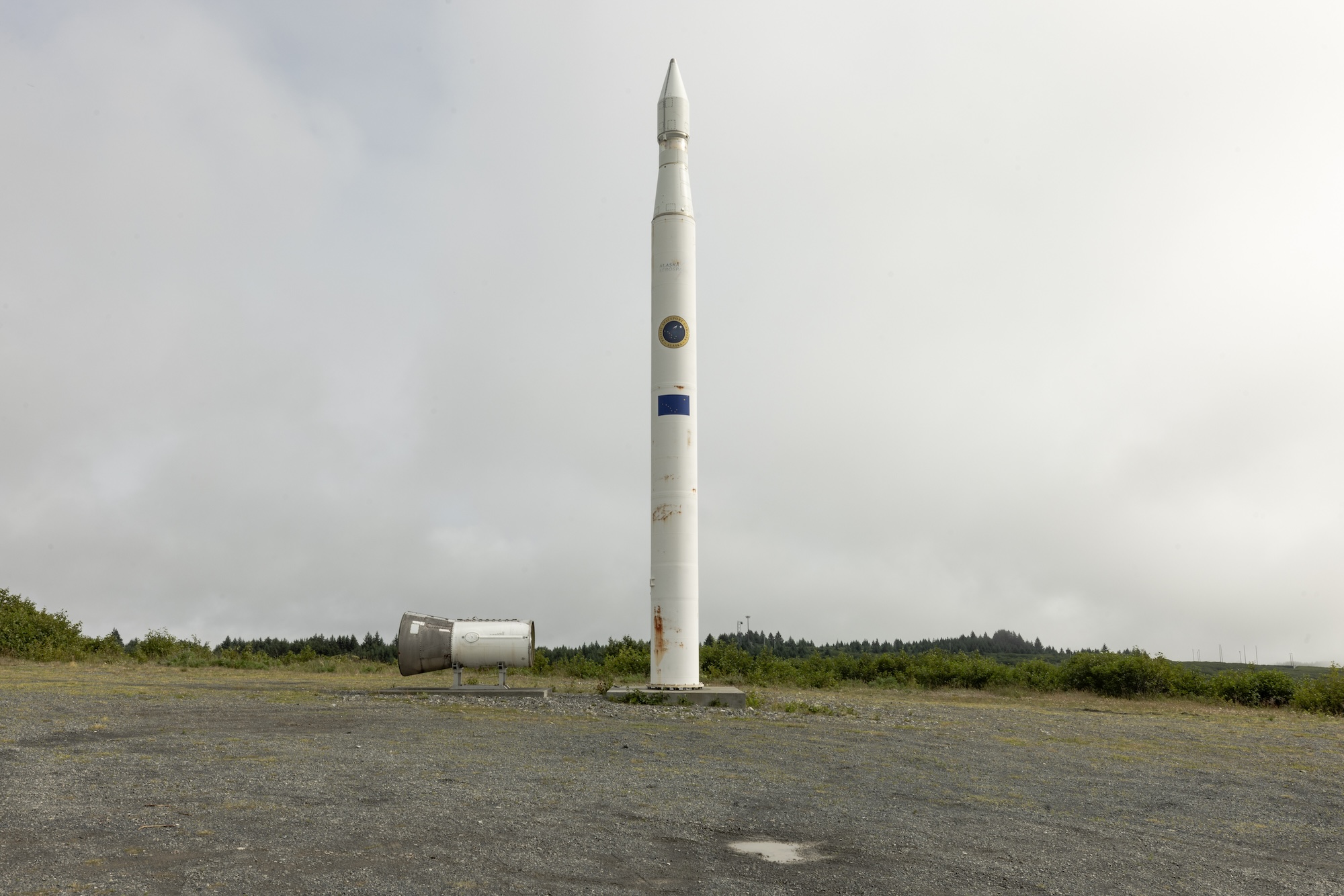
This transition from a commercial, public-facing spaceport to a highly secretive military installation has disrupted the lives of local residents, raised significant environmental concerns, and highlighted the accelerating tension between the United States and its geopolitical rivals, Russia and China. As the Arctic warms, opening new shipping lanes and exposing untapped natural resources, the region has transitioned from a peripheral concern to a central theater of global strategic competition.
A Community Under Pressure: The Burden of Secrecy
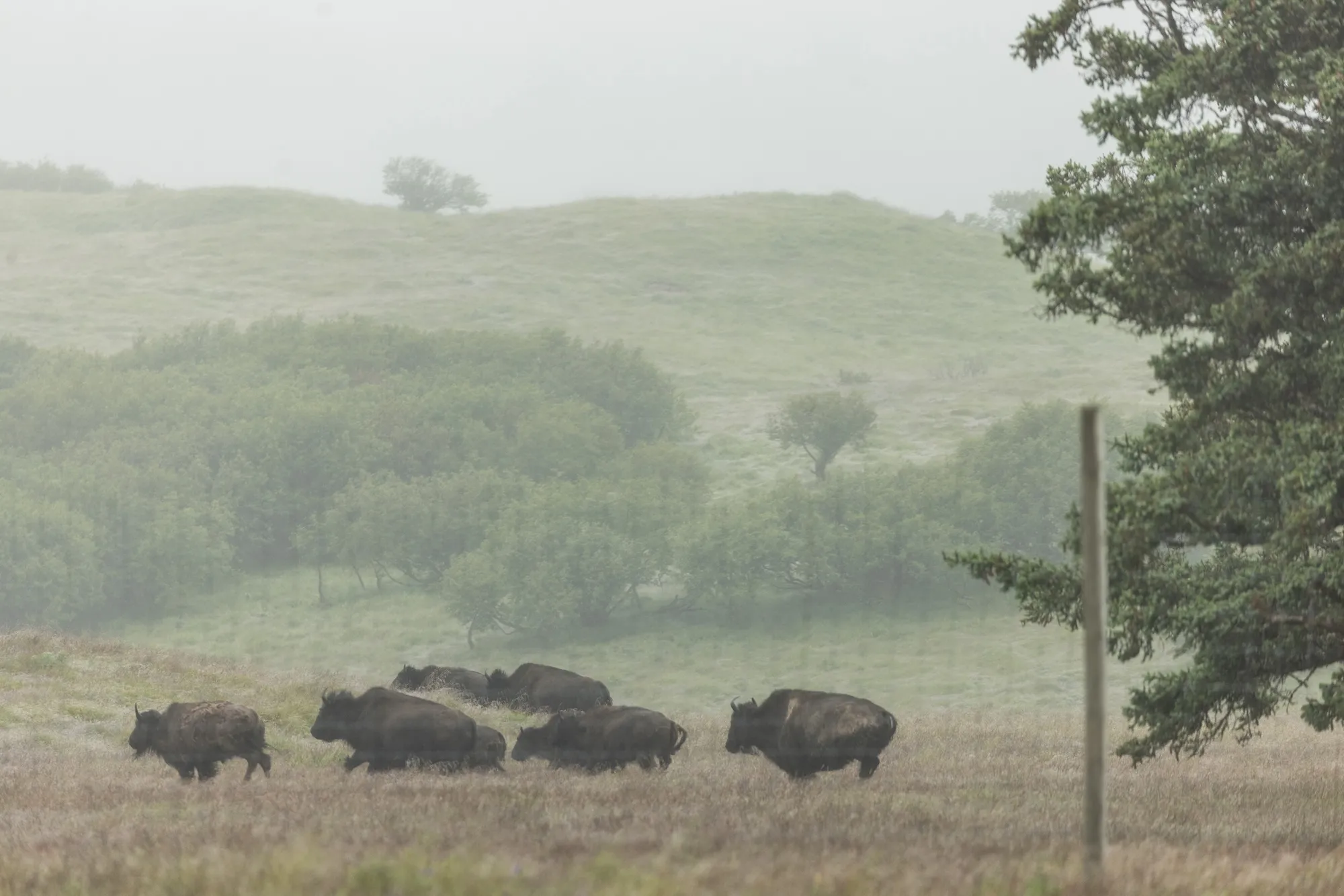
For residents like Christine and Buck Burton, who operated a 140-acre bison ranch adjacent to the spaceport, the changing nature of the facility has been both intrusive and alarming. For years, the couple managed the routine disruptions of a burgeoning spaceport—road closures, the risk of debris from launch failures, and the logistical challenges of a restricted flight path. However, the atmosphere shifted drastically last August.
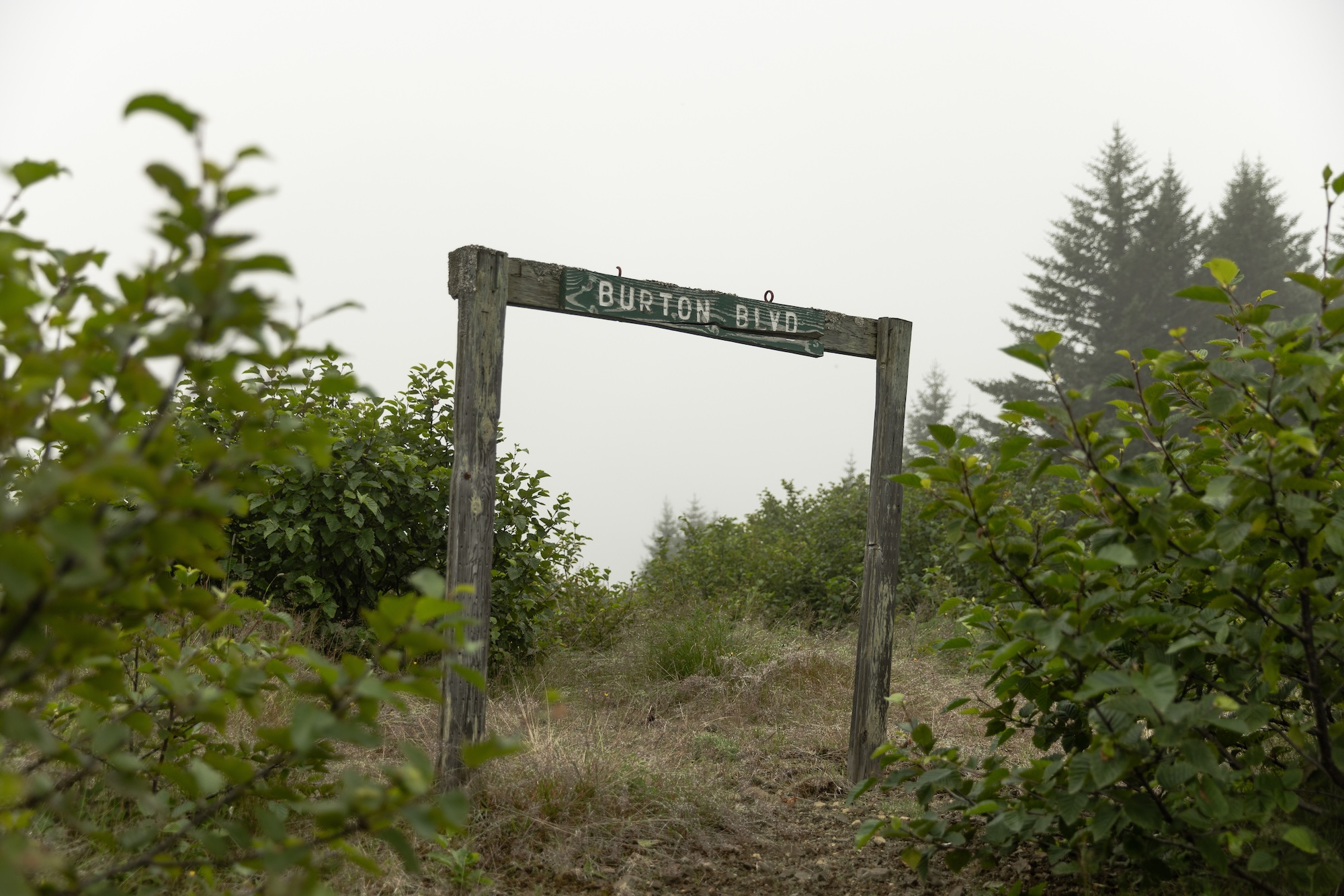
Without the usual courtesy of a multi-day buffer period, the Burtons received a sudden notice from a relative employed at the site: the only road connecting their home to the town of Kodiak was being shuttered for an unannounced, high-priority launch. Upon returning home, they found their driveway blocked by an unmarked security vehicle. The incident, which occurred while one of their children was ill, underscored a new reality for the local population: federal military mandates now supersede the autonomy of private landowners and local infrastructure.
The mission, which turned out to be a test of a hypersonic missile, resulted in a dramatic spectacle—a rocket streaking across the night sky before breaking up over the Pacific. While the Alaska Aerospace Corporation (AAC) officially touted the event as a “successful government rocket launch” and a point of pride for Kodiak, internal documents and staff discussions suggest the facility’s leadership felt sidelined by federal secrecy. CEO John Oberst noted in a board meeting that the government had “put the handcuffs” on the corporation, preventing them from even notifying the state’s Department of Transportation about impending road closures.
The Strategic Shift: The Golden Dome and Beyond
The intensification of activity at Kodiak is not an isolated development but a byproduct of the U.S. government’s "Arctic Dominance" strategy. As the Arctic ice melts at a rate four times faster than the global average, the competition for control over mineral deposits, rare earth metals, and lucrative fisheries has become intense.
The Golden Dome system is the centerpiece of this effort. Estimated by the Congressional Budget Office to eventually cost over $1 trillion, the project aims to create a layered defense shield of sensors and interceptors. For the aerospace industry, this represents a massive, sustained revenue stream. In July 2026, Rocket Lab signed a $266 million contract with the U.S. Air Force specifically for missile defense testing at the Kodiak site, with plans for up to 18 suborbital launches over the next two years.
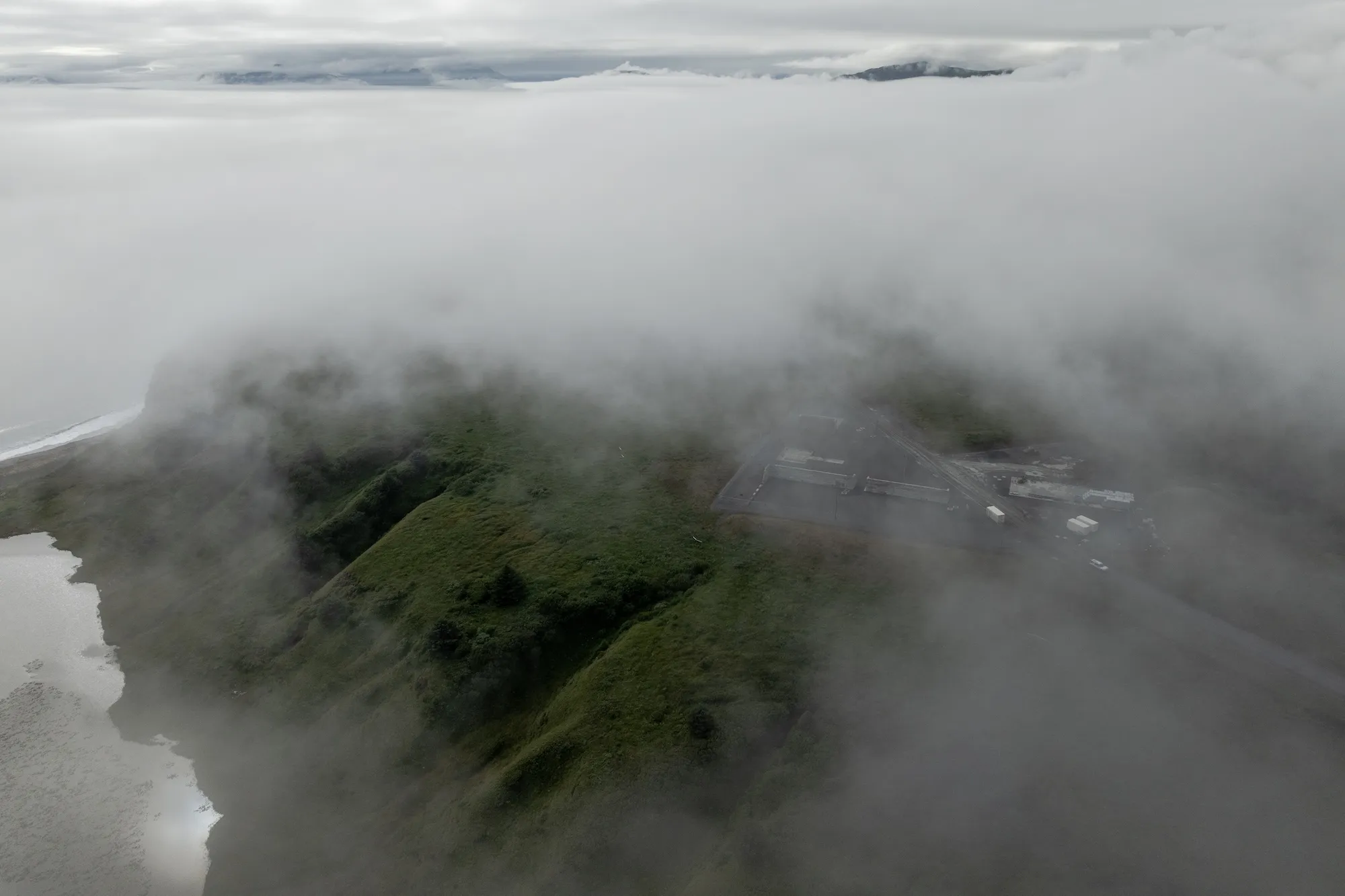
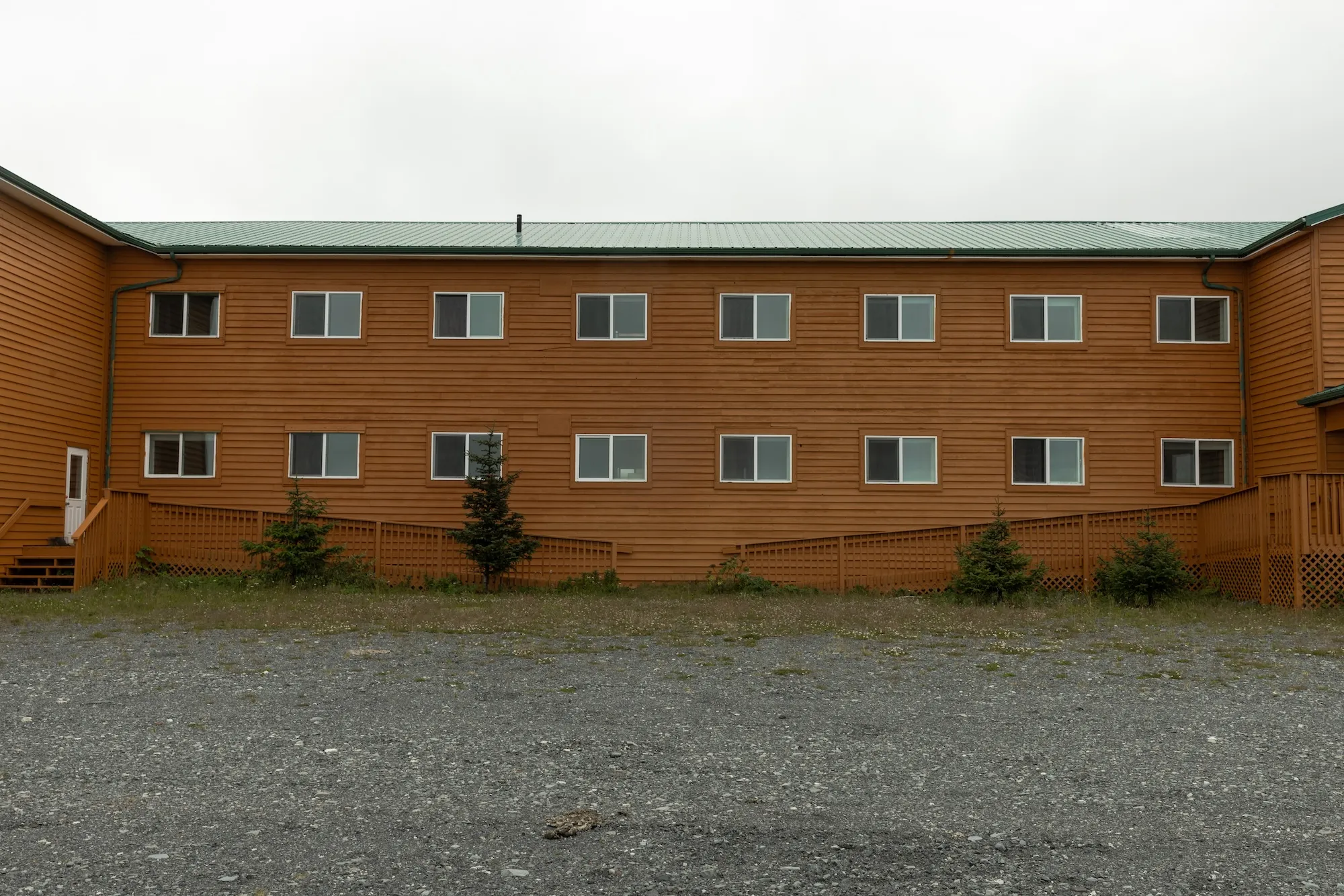
This, combined with a $45.5 million federal allocation for infrastructure upgrades—including a new 10,000-foot airstrip and expanded lodging—suggests that the facility is moving from a cadence of one to three launches per year to as many as three per month.
Regulatory Rollbacks and Environmental Concerns
The Trump administration’s push for a "golden age of space transportation" has led to the aggressive deregulation of the launch sector. A recent FAA rule, issued in the summer of 2026, allows private companies to bypass critical environmental safeguards, including the National Environmental Policy Act (NEPA) and the Clean Water Act.
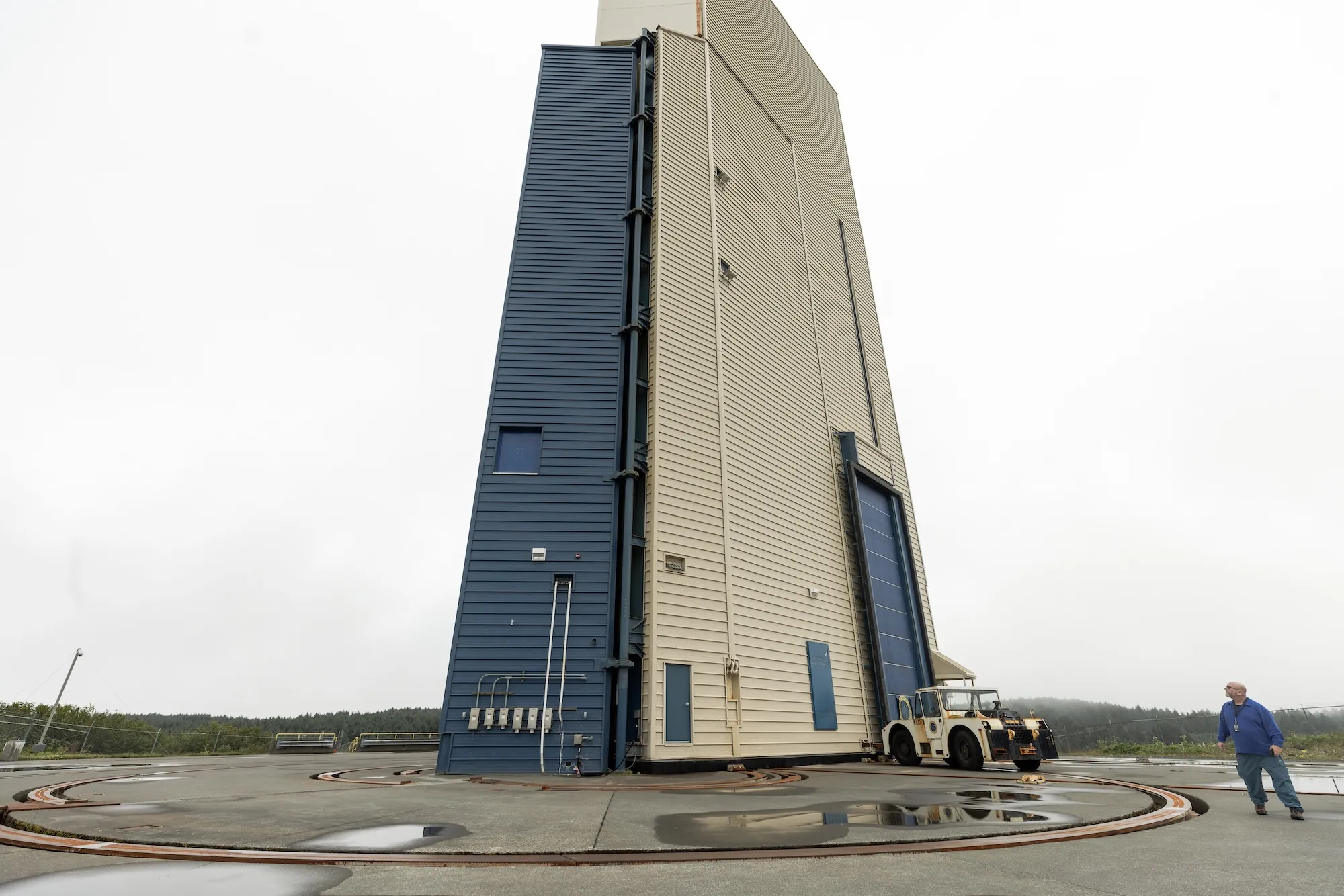
Environmental advocates, including attorneys from Earthjustice, argue that this path is reckless. The scientific community has only recently begun to quantify the impact of rocket emissions. A 2022 study from University College London warned that the massive increase in soot and nitrogen oxides from high-frequency launches could damage the ozone layer and contribute significantly to global warming. Lead author Eloise Marais described the trend as “forecasting an upcoming environmental disaster.”
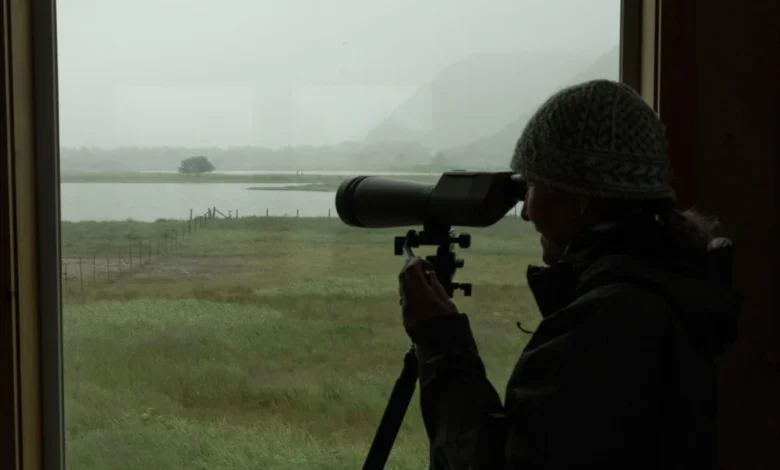
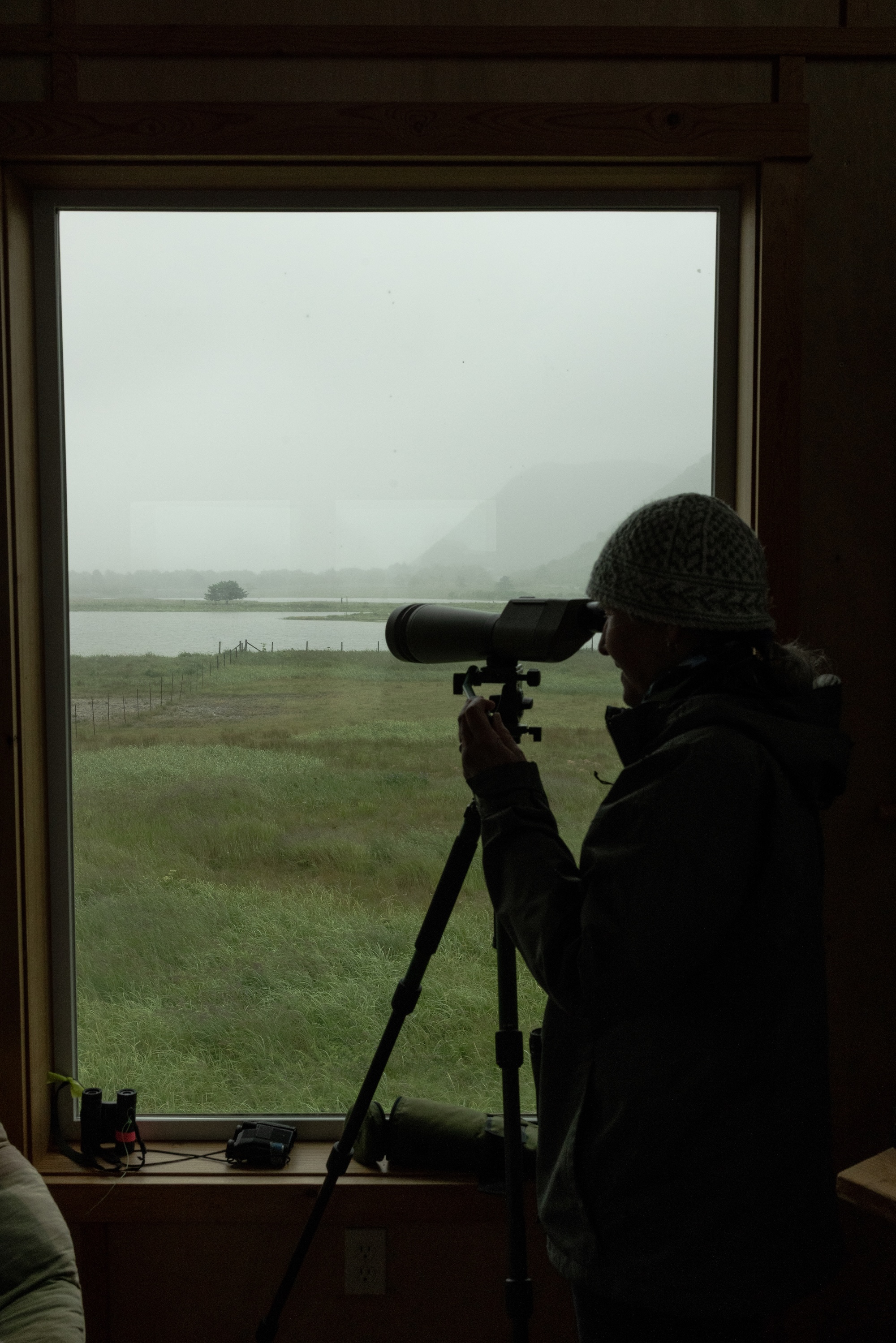
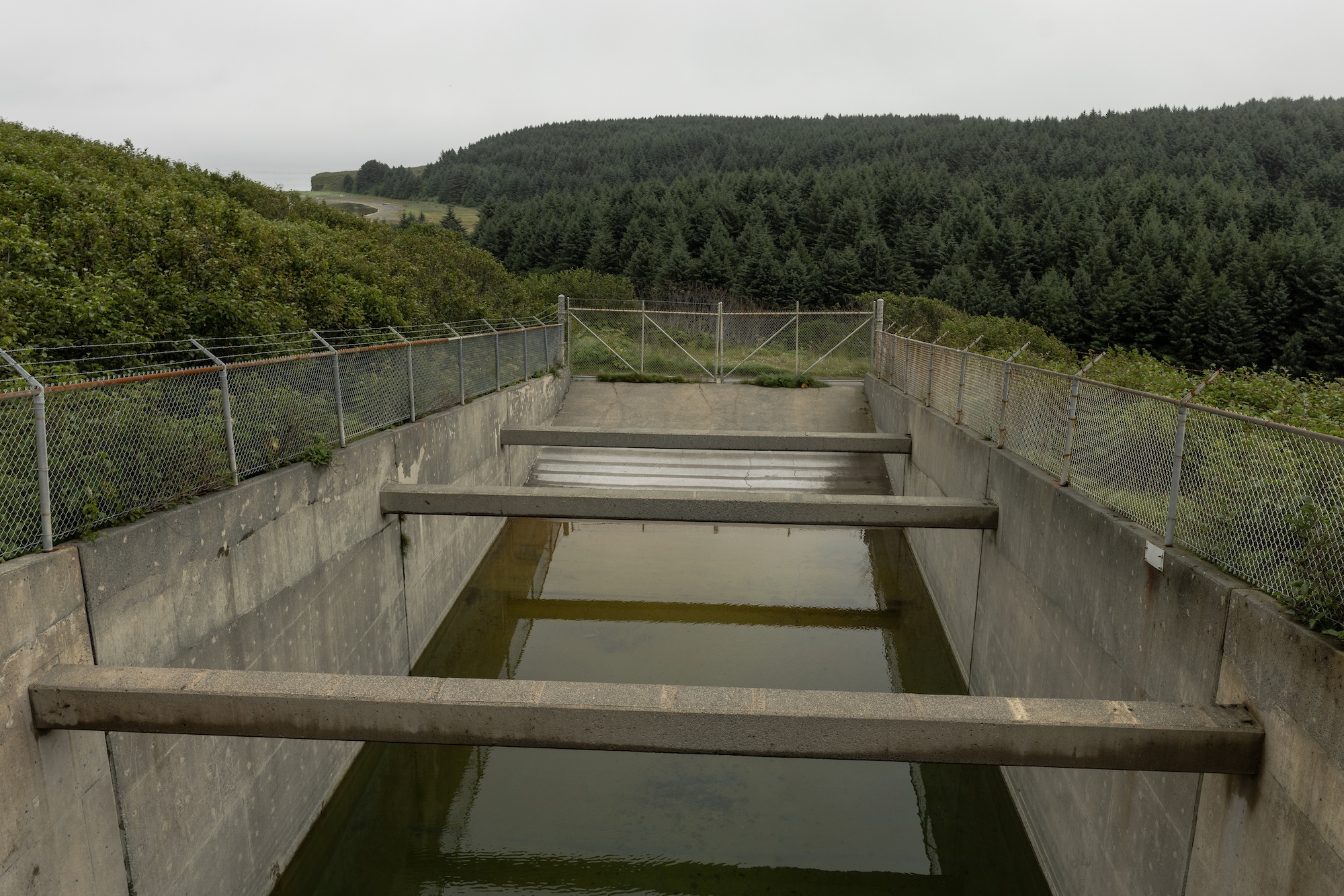
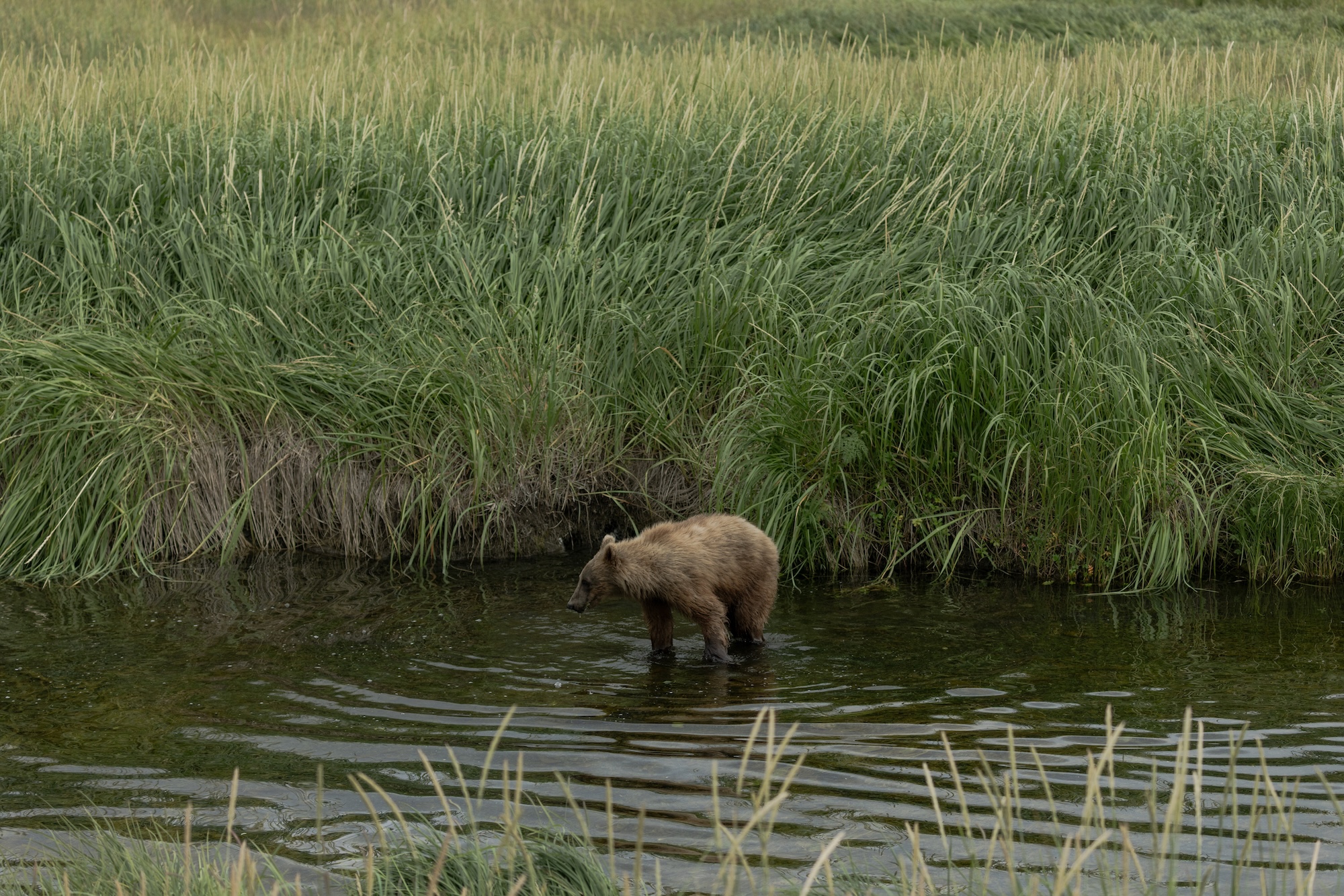
On the ground in Kodiak, the concerns are more immediate. The Narrow Cape region, where the launch pads are located, serves as a habitat for over 150 bird species and is a corridor for gray whale migration. The potential for toxic fallout from launch failures—there have been at least five documented malfunctions at the site—poses a persistent threat to the salmon streams and the surrounding ecosystem.
The Broader Geopolitical Context
The escalation of military presence on Kodiak is a direct response to the perceived encroachment of Russian and Chinese interests. The U.S. Coast Guard, which maintains a major presence on the island, is preparing to receive new polar icebreakers, while construction at the local Navy SEAL training base has sparked intense speculation about future operations.
The geopolitical tension is palpable. The U.S. military has reported numerous intercepts of Russian and Chinese aircraft in the Alaskan Air Defense Identification Zone, and the 2023 incursion of a Chinese high-altitude balloon further solidified the political will to "reassert primacy" in the North. Senator Dan Sullivan has been a vocal advocate for this buildup, proposing the reactivation of World War II-era bases in the Aleutian Islands to create a comprehensive "Pacific Test Range."
Economic Dislocation and Infrastructure Strain
The rapid influx of federal personnel and the construction of new support facilities have put immense strain on Kodiak’s infrastructure. Dan Menth, CEO of the Kodiak Electric Association, noted that the island’s energy grid, while highly efficient and largely based on hydro and wind power, is approaching maximum capacity. The addition of new military housing, child development centers, and industrial-scale launch facilities threatens to overwhelm the existing power supply, particularly during the peak of the fishing processing season in late winter.
For long-term residents, the transition is bittersweet. Mayor Jared Griffin, while acknowledging the economic benefits of federal investment, has expressed concerns about the loss of the town’s character. "Things are just exploding," he observed, noting that the community was unprepared for the sudden shift from a "sleepy fishing town" to a critical military outpost.
The Price of Progress
The Burtons’ decision to sell the majority of their land to Alaska Aerospace for $2.4 million in February 2026 serves as a bellwether for the island’s future. Christine Burton, reflecting on her family’s history with the land, stated that they saw the "writing on the wall." They believed that if they did not sell, the government would have eventually utilized eminent domain to secure the territory for the expansion of the spaceport.
As the facility moves forward, the inherent conflict between civilian life and military necessity will only deepen. Alaska Aerospace’s partnerships with international entities, such as the Israeli firm Moonshot Space, signal that the facility is becoming a global testing ground for advanced aerospace systems. However, as CEO John Oberst admitted, the nature of these projects—specifically the Golden Dome—is so sensitive that even the name of the program is treated with extreme discretion.
For the people of Kodiak, the promise of economic development has arrived with a heavy cost: a loss of local control, a permanent change to the environmental landscape, and an uncertain future as their home becomes the "tip of the spear" in a new, high-stakes arms race. As the federal government fast-tracks construction and streamlines the regulatory process, the voices of the residents are increasingly drowned out by the roar of rockets and the machinery of national security. Whether the "golden age of space transportation" will ever align with the sustainable future of this island remains a question with an increasingly bleak outlook.
Related posts: