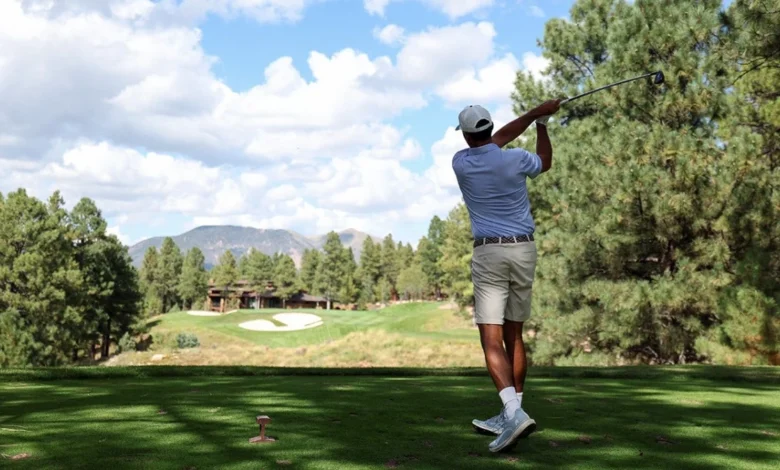
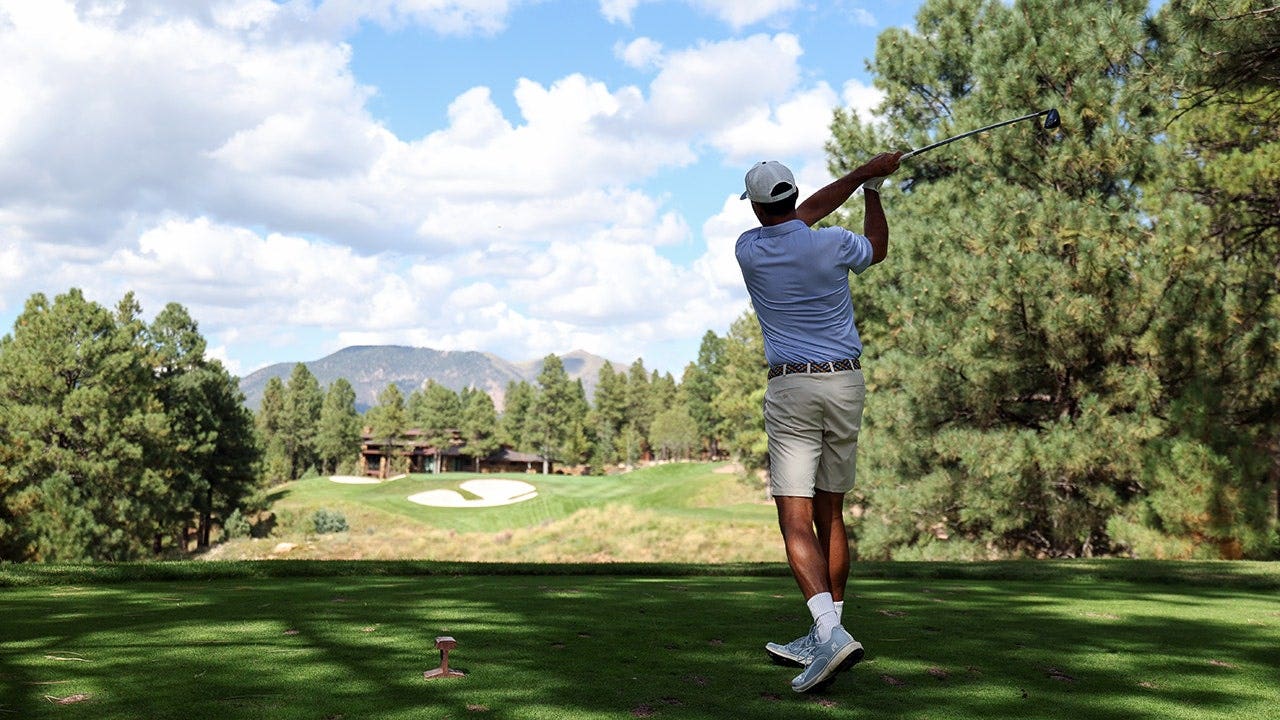
The final stretch of Arizona’s midterm election cycle has transformed an ongoing policy debate over water conservation into an intense political battleground, centered entirely on the future of the state’s multi-billion-dollar golf industry. Arizona Senate President Warren Petersen, a Republican representing Maricopa, launched a sharp critique against Democratic Attorney General Kris Mayes following viral comments she made regarding the number of golf courses and the abundance of grass in the arid southwestern state. The controversy has quickly escalated into a central theme in the race for Arizona’s top law enforcement office, drawing sharp divisions between lawmakers, business coalitions, and environmental advocates over how the state should manage its scarce natural resources.
The political firestorm erupted after Mayes participated in a comprehensive interview with Politico, which examined several infrastructure and development challenges within the Grand Canyon State, including the expansion of water-intensive data centers, regional agricultural pressures, and the broader regional water supply from the Colorado River. During the discussion, Mayes addressed the state’s heavy reliance on landscaped greenery and water consumption, leading to remarks that quickly circulated across social media platforms and digital news outlets.
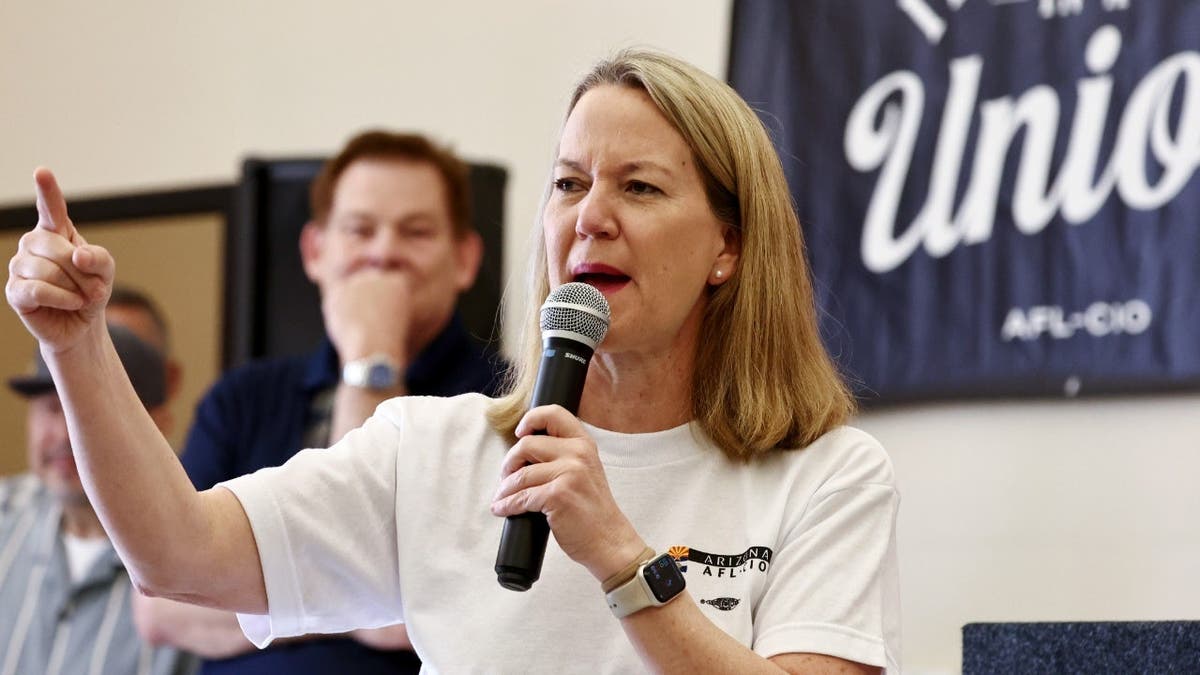
"We have way, way too much grass in Arizona. We probably, frankly — and I’m sure the golf industry is not going to like this when I say this — we probably have too many golf courses in Arizona right now," Mayes stated during the interview, while simultaneously advocating for increased state-level incentives to promote water catchment systems and the removal of thirsty turf lawns.
The remarks immediately drew swift pushback from Republican leaders and industry stakeholders across the state. Senate President Petersen was among the first to formally denounce the comments, framing them as an overreach of government authority and an direct attack on a vital economic sector.
"Kris Mayes thinks Arizona has too many golf courses. I think Arizona has too many radical politicians who believe government should dictate which industries get to thrive," Petersen told Fox News Digital. "Our golf courses support jobs, tourism, small businesses, and communities across this state. Instead of attacking an industry that contributes to our economy, the attorney general should be focused on enforcing the law, protecting consumers, and defending Arizona families."
Chronology of the Controversy and Escalating Rhetoric
The timing of the remarks proved critical, landing just days before voters headed to the polls in the final countdown to the midterm elections. The debate quickly transcended policy circles as political figures, digital commentators, and business leaders weighed in on social media platforms.
Republican U.S. Representative Eli Crane of Arizona joined the chorus of critics, posting a pointed remark online: "We don’t have a golf course problem in Arizona. We have a Democrat problem in Arizona." Petersen amplified his criticism on X, formerly known as Twitter, writing: "Kris Mayes is promising to get rid of golf courses. I promise to get rid of Kris Mayes."
The backlash extended beyond elected officials into the business community, where stakeholders expressed concern over the potential economic implications of targeting recreational industries. Tom Spengler, CEO of an e-procurement software firm, argued that Arizona actually faces a shortage of accessible golfing infrastructure rather than an overabundance. He noted that tee times have become increasingly difficult to secure and that consumer rates have doubled or tripled since the COVID-19 pandemic.
Similarly, Courtney Coolidge, Vice President of the Arizona Chamber of Commerce, pushed back against the attorney general’s narrative by highlighting the substantial economic footprint of the sport within the state. Coolidge pointed to comprehensive business data indicating that the golf industry generates approximately $6 billion in economic impact annually. Furthermore, the sector supports roughly 66,000 jobs, contributes $2.3 billion in direct employee wages, and delivers over $520 million in local and state tax revenue. Addressing the core environmental concern regarding water consumption, Coolidge noted that collective golf course irrigation accounts for roughly 2 percent or less of Arizona’s total water resources—a figure closely aligned with independent findings published in a 2023 economic impact study by the Arizona Alliance for Golf.
Attorney General Mayes Responds and Clarifies Intentions

As the comments continued to spread virally—earning criticism from political opponents, business analysts, and even niche cultural accounts such as the satirical golf platform PGA Tour, which shared the clip under the caption "How to not get re-elected 101"—Attorney General Mayes issued a public clarification. Taking to social media, Mayes insisted that her words had been taken out of context by political opponents seeking to score points in the final days of the campaign.
"Relax, nobody’s closing golf courses," Mayes wrote in a clarifying statement. "My point is we need incentives to help all Arizonans and major industries swap thirsty grass and catch rainwater, especially if our water situation gets worse — while I take on the foreign mega-farms and data centers draining our water."
Mayes doubled down by accusing Petersen and his Republican colleagues of manufacturing a false narrative for political gain. However, her attempt at clarification received a mixed reception online. While supporters defended her broader focus on regional water sustainability, critics labeled her response as dismissive or condescending, with some social media users arguing that the original statement clearly signaled an unfavorable regulatory attitude toward the golf industry.
Broader Context: Water Security and the Colorado River Crisis
At the heart of the political clash lies a genuine, long-standing crisis regarding water allocation and environmental management in the American Southwest. Arizona, along with neighboring states dependent on the Colorado River basin, has faced mounting pressure from federal regulators, climate scientists, and neighboring jurisdictions to curtail consumption as historic droughts deplete vital reservoirs like Lake Mead and Lake Powell.
Mayes’ initial remarks were tied to ongoing discussions concerning how the state should balance explosive urban growth, commercial data center proliferation, agricultural demands, and recreational landscaping against shrinking municipal water reserves. The attorney general has frequently warned of potential legal battles before the United States Supreme Court regarding interstate water rights, emphasizing that Arizona must proactively adopt aggressive conservation frameworks to safeguard its long-term viability.
Despite these underlying environmental realities, the political fallout from the golf course comments highlighted the delicate balance required by elected officials in arid states. While public consensus supports responsible stewardship of water supplies, targeting specific, highly visible cultural and economic mainstays like golf can rapidly alienate voters and business coalitions who view those industries as essential components of the state’s identity and financial health.
Implications for the Midterm Elections
With Election Day imminent, the debate has solidified into a proxy war over economic philosophy and government regulation. Republicans, seeking to regain decisive control over Arizona’s legislative and executive offices, have leveraged the controversy to paint Democratic incumbents as out-of-touch regulators willing to sacrifice popular recreational industries and jobs in pursuit of heavy-handed environmental policies.
For Petersen and his allies, the dispute serves as an effective rallying cry to mobilize business-minded voters, tourism advocates, and everyday residents who feel that environmental mandates threaten their standard of living. Meanwhile, Mayes and her supporters continue to emphasize their broader legal efforts to protect Arizona’s water from external pressures—such as out-of-state corporate farming operations and massive tech infrastructure—while maintaining that responsible modernization of water infrastructure remains essential for the state’s future survival.
As voters cast their ballots, the clash over fairways and water conservation stands as a prime example of how local environmental policy debates can be rapidly amplified into high-stakes electoral flashpoints in pivotal American swing states.