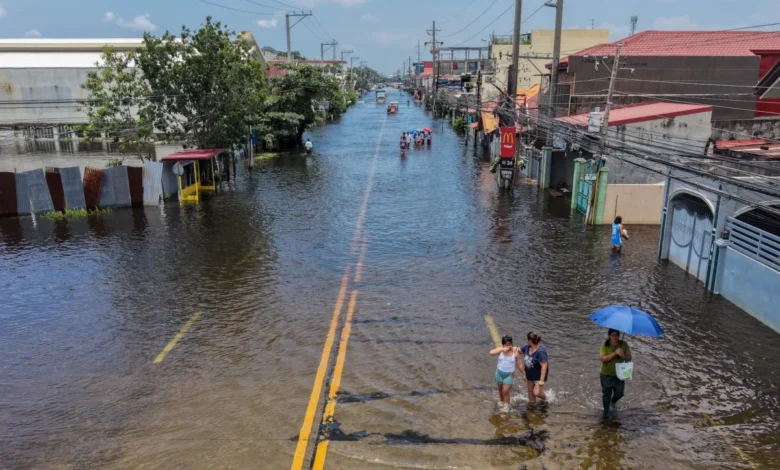
The meteorological community is currently grappling with a climate event of extraordinary proportions, as Pacific Ocean temperatures reach levels that have forced researchers, government agencies, and international bodies to recalibrate their understanding of extreme weather patterns. Characterized by a significant shift in trade winds and a dramatic, sustained rise in sea surface temperatures, the 2026 El Nino has transcended traditional classification, prompting officials to declare states of emergency and warning of widespread, life-threatening impacts. With oceanic anomalies exceeding 3 degrees Celsius, the event is being colloquially termed a "Super El Nino," serving as a stark indicator of how rapidly changing global conditions are amplifying natural weather phenomena.
The Mechanics of an Oceanic Shift
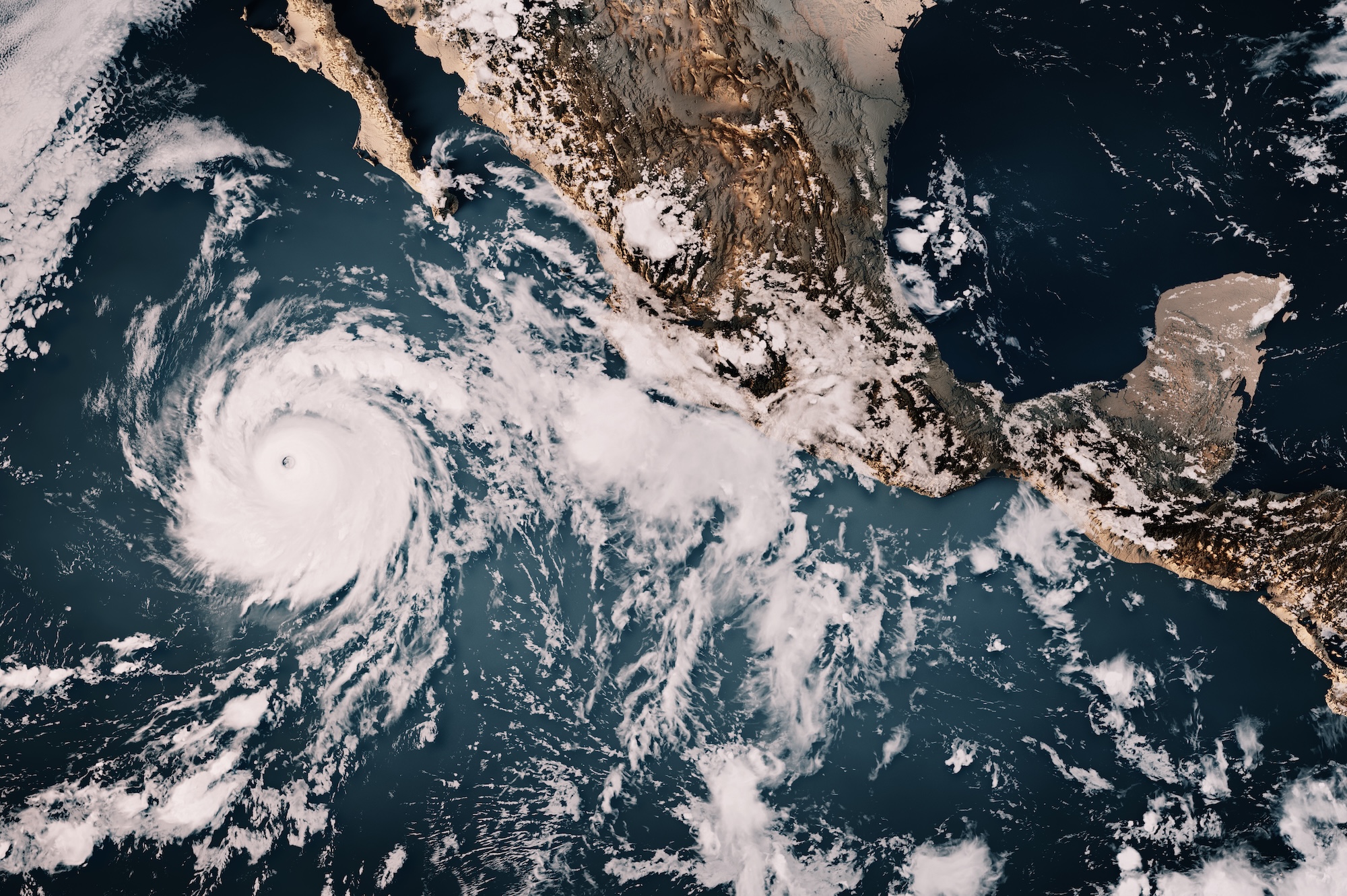
At its core, El Nino is a periodic fluctuation in the climate system that occurs when the easterly trade winds—which normally push warm surface waters toward the western Pacific near Indonesia—weaken or reverse. This allows the vast pool of warm water to "slosh" back toward the central and eastern Pacific, directly impacting the coastal regions of the Americas.
Under normal conditions, this cycle repeats every two to seven years. However, the current event is occurring against the backdrop of an already warming planet, driven by the accumulation of greenhouse gases. The result is a compounding effect: the natural warmth of the El Nino is being layered onto a base temperature that is already significantly higher than it was even a decade ago. Climatologists note that this synergy makes it increasingly difficult to separate the influence of natural variability from the long-term trends of anthropogenic climate change.
A Chronology of Escalation
The trajectory of this year’s event has been marked by a rapid intensification that caught even experienced observers by surprise. While early 2026 models hinted at the development of an El Nino, the speed at which sea surface temperatures in the Nino 3.4 region climbed was unprecedented.
By June 2026, satellite data and buoy readings indicated that temperatures were consistently breaking records for the season. Throughout July and August, the warming intensified, leading to the current state where the anomaly has reached 3.11 degrees Celsius above the historical baseline. This surpasses the previous record holder, the 2015-2016 event, which was widely considered a once-in-a-generation occurrence. As of September 2026, the scientific consensus, bolstered by 90 percent confidence intervals from major forecast models, suggests that this "very strong" event will persist through the end of the year, potentially peaking in intensity as the calendar turns to 2027.
Data and Metrics: Defining the Super Event
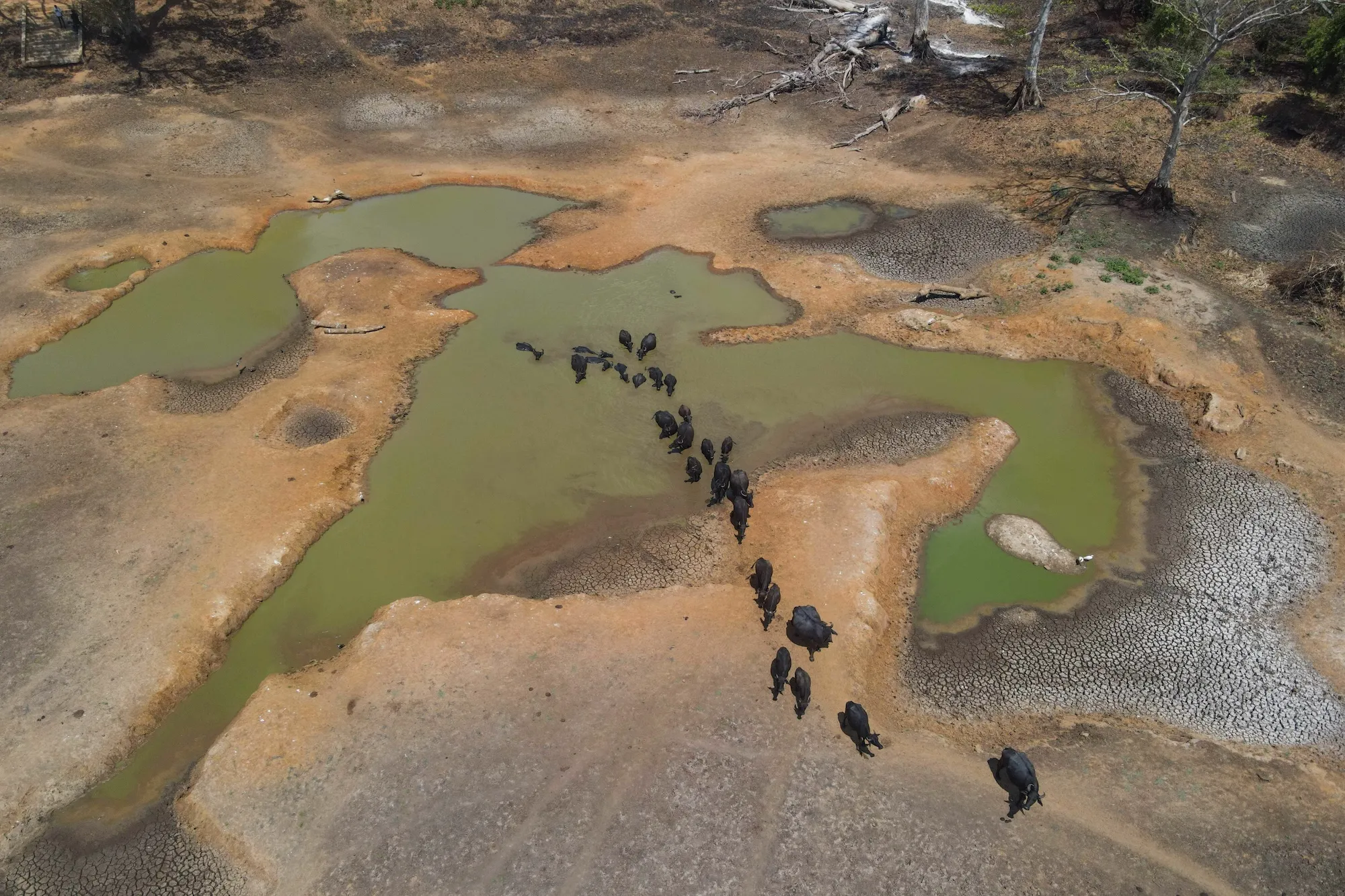
In the lexicon of the National Oceanic and Atmospheric Administration (NOAA), an El Nino is typically confirmed when temperatures in the Nino 3.4 region remain 0.5 degrees Celsius above the average. A "moderate" event hits 1 degree, a "strong" event reaches 1.5 degrees, and "very strong" is classified at 2 degrees.
The current 3.11-degree anomaly places this event in a category that defies traditional labeling. The term "Super El Nino," while not an official regulatory designation, has been adopted by the global scientific community to convey the magnitude of the deviation. Ecolinguistics researchers have noted that this linguistic evolution is a necessary response to the reality of the data; as weather events become more extreme, standard terminology fails to accurately communicate the level of risk to the public.
Government Response and Public Safety
The geopolitical and local responses to the developing crisis have been swift. In California, Governor Gavin Newsom officially proclaimed a state of emergency in late September 2026. This move is designed to mobilize state resources for infrastructure hardening, specifically focusing on flood control, coastal erosion mitigation, and emergency response capabilities.
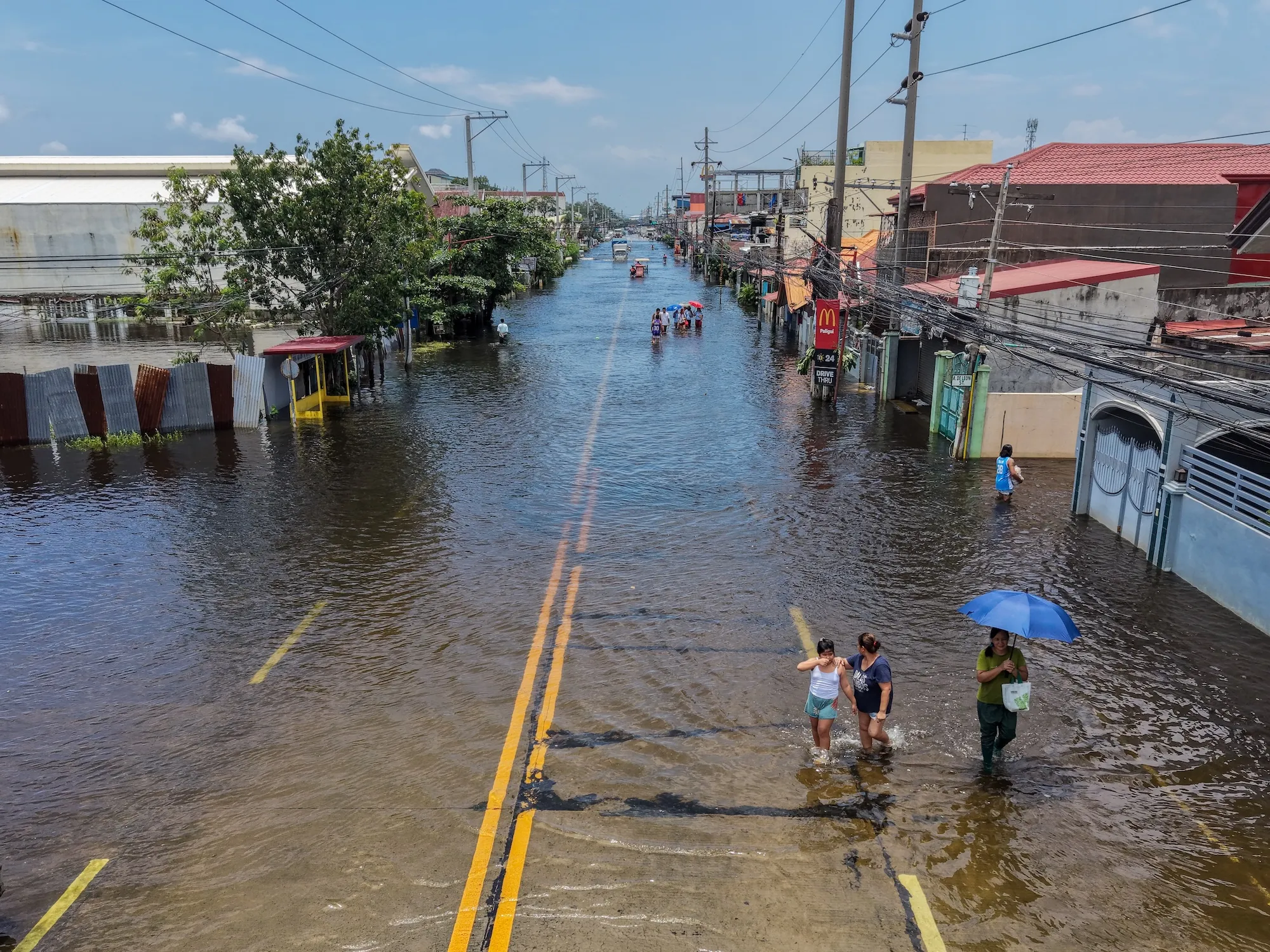
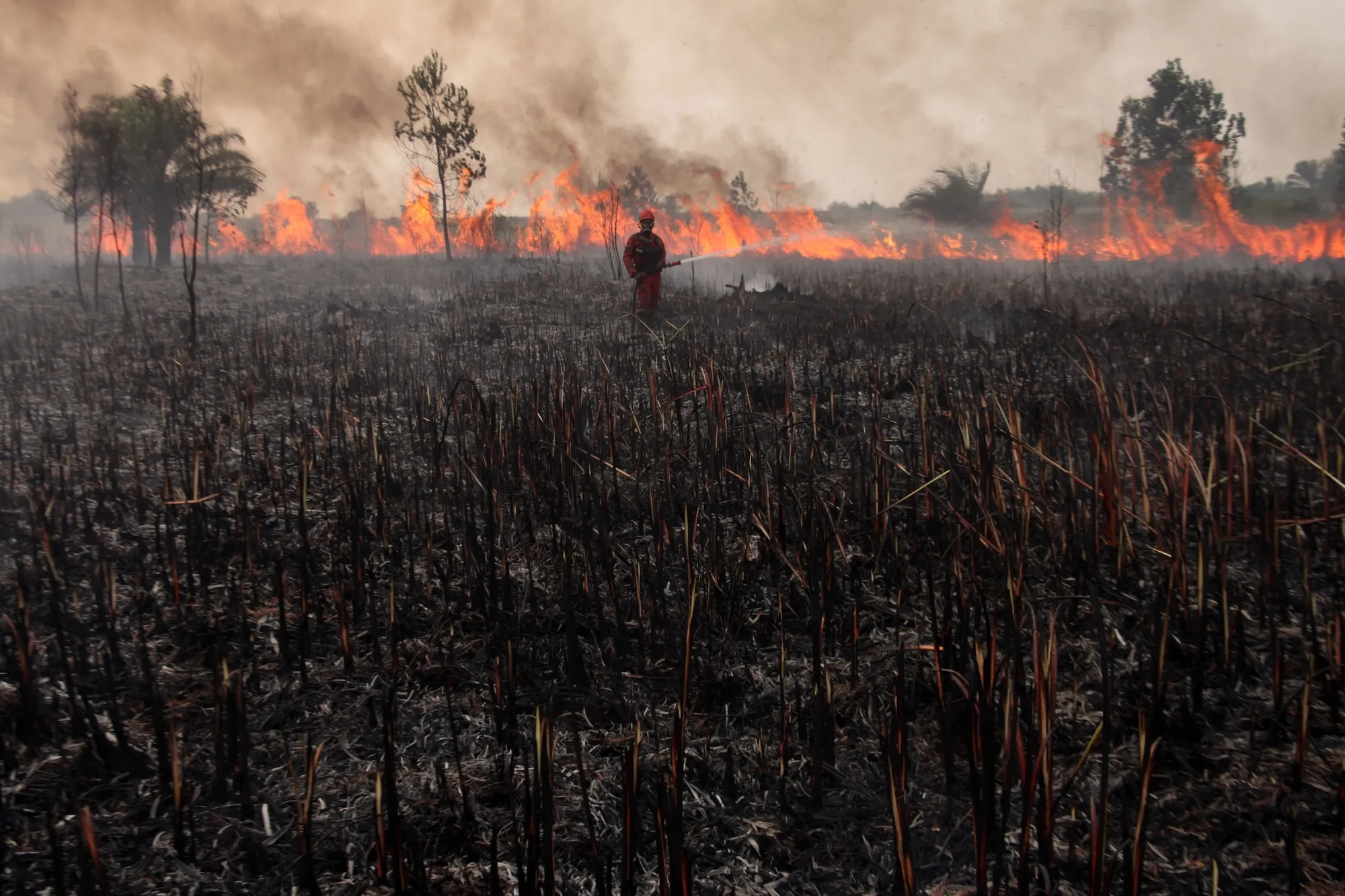
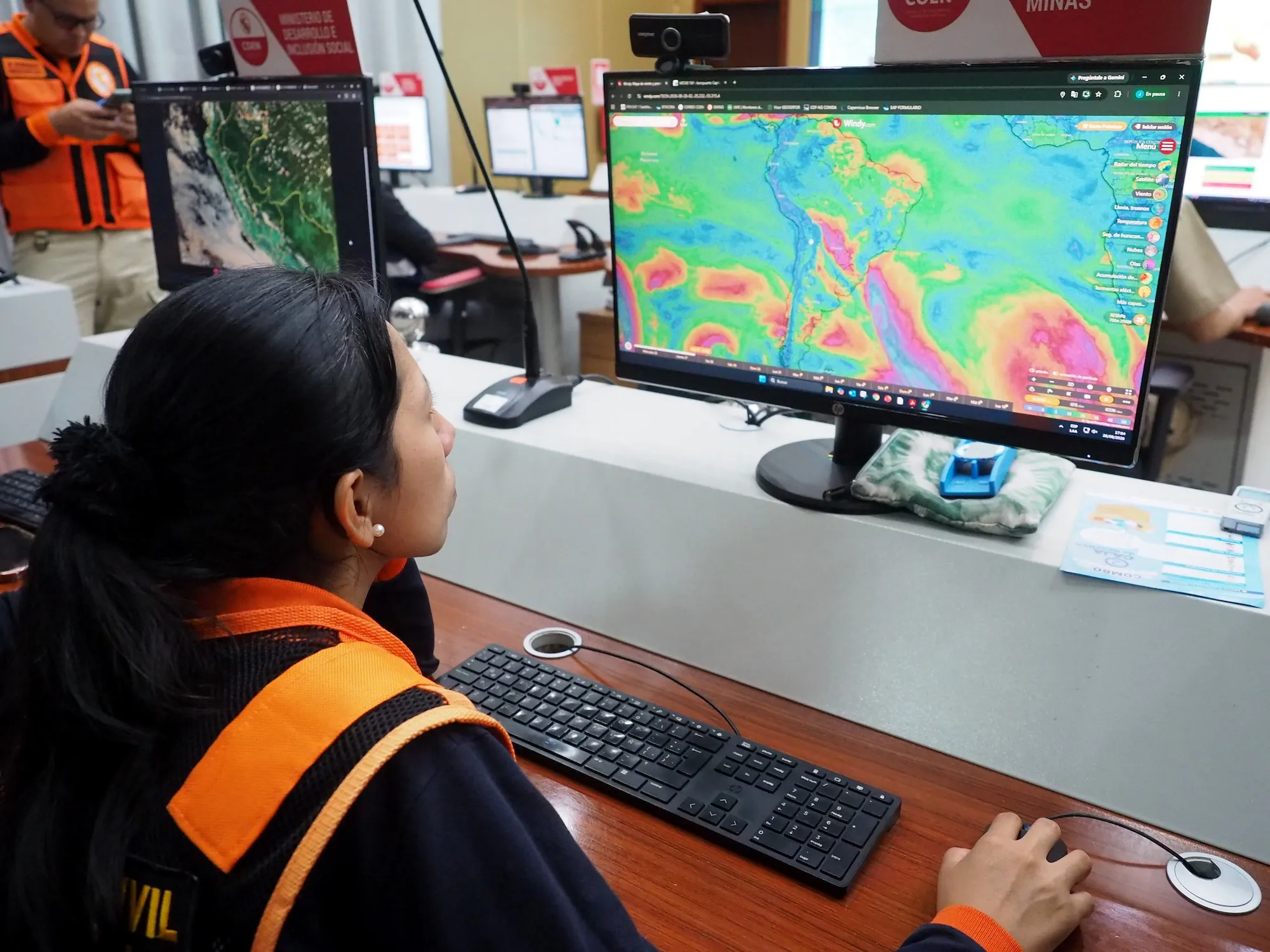
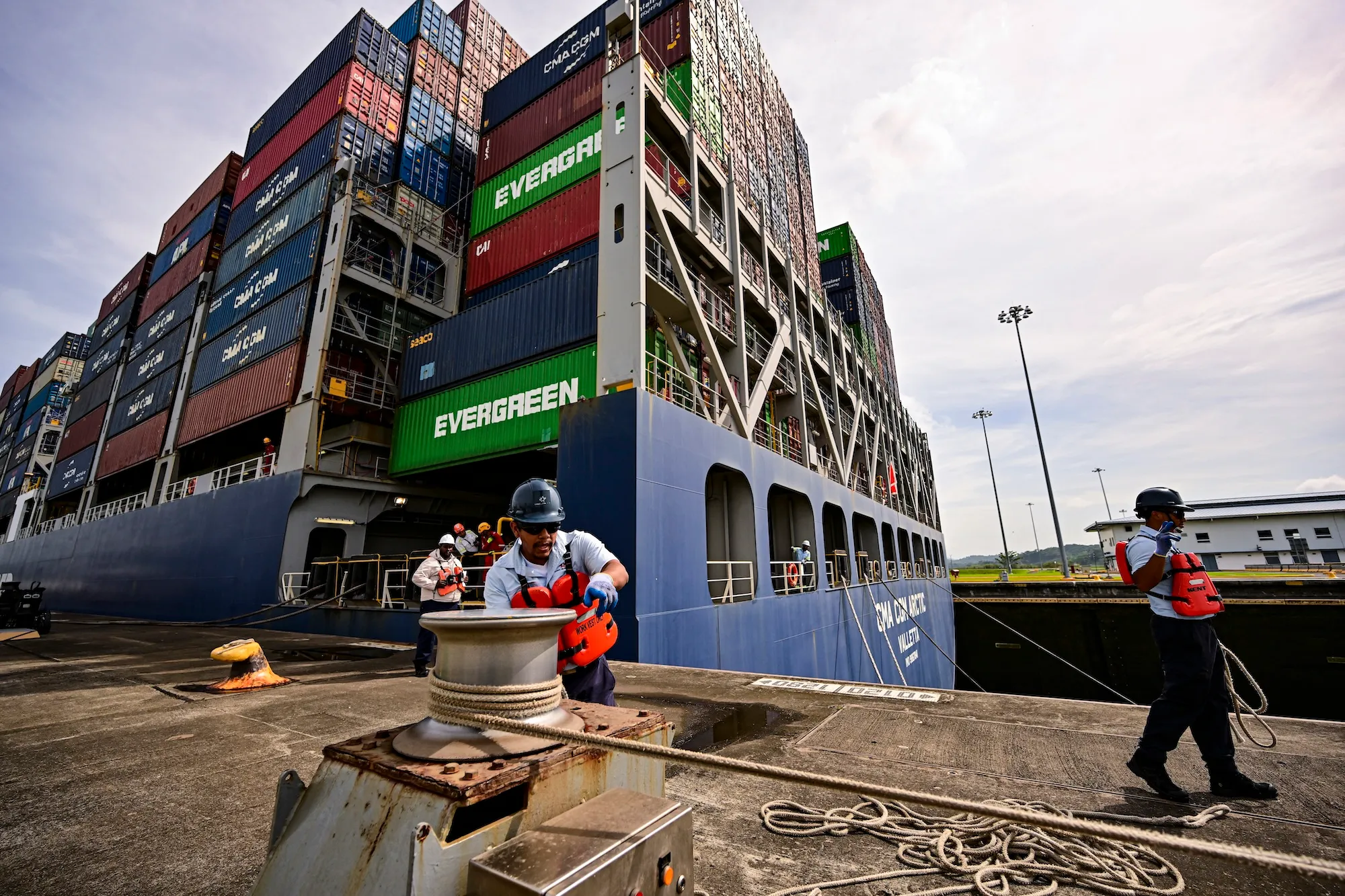
The rationale behind such a declaration is rooted in past experiences. Historically, strong El Nino events in California are associated with atmospheric rivers—intense, narrow bands of moisture that can cause catastrophic flooding and mudslides. Beyond the U.S., nations in South America and Southeast Asia are initiating multi-hazard drills. In Peru, the government has begun extensive disaster preparedness training, while in the Panama Canal, transit measures have already been curtailed to account for water management challenges exacerbated by the shifting weather patterns.
The Human Toll and Economic Implications
The most concerning projections involve the direct impact on human life and food security. A recent peer-reviewed study, widely cited by environmental agencies, estimates that the heat-related mortality rate associated with this specific El Nino could reach 451,000 deaths globally by February 2027. These figures are attributed not only to direct heatwaves but also to the secondary effects of the phenomenon: the disruption of agricultural cycles, the spread of vector-borne diseases in warmer, wetter climates, and the failure of critical infrastructure.
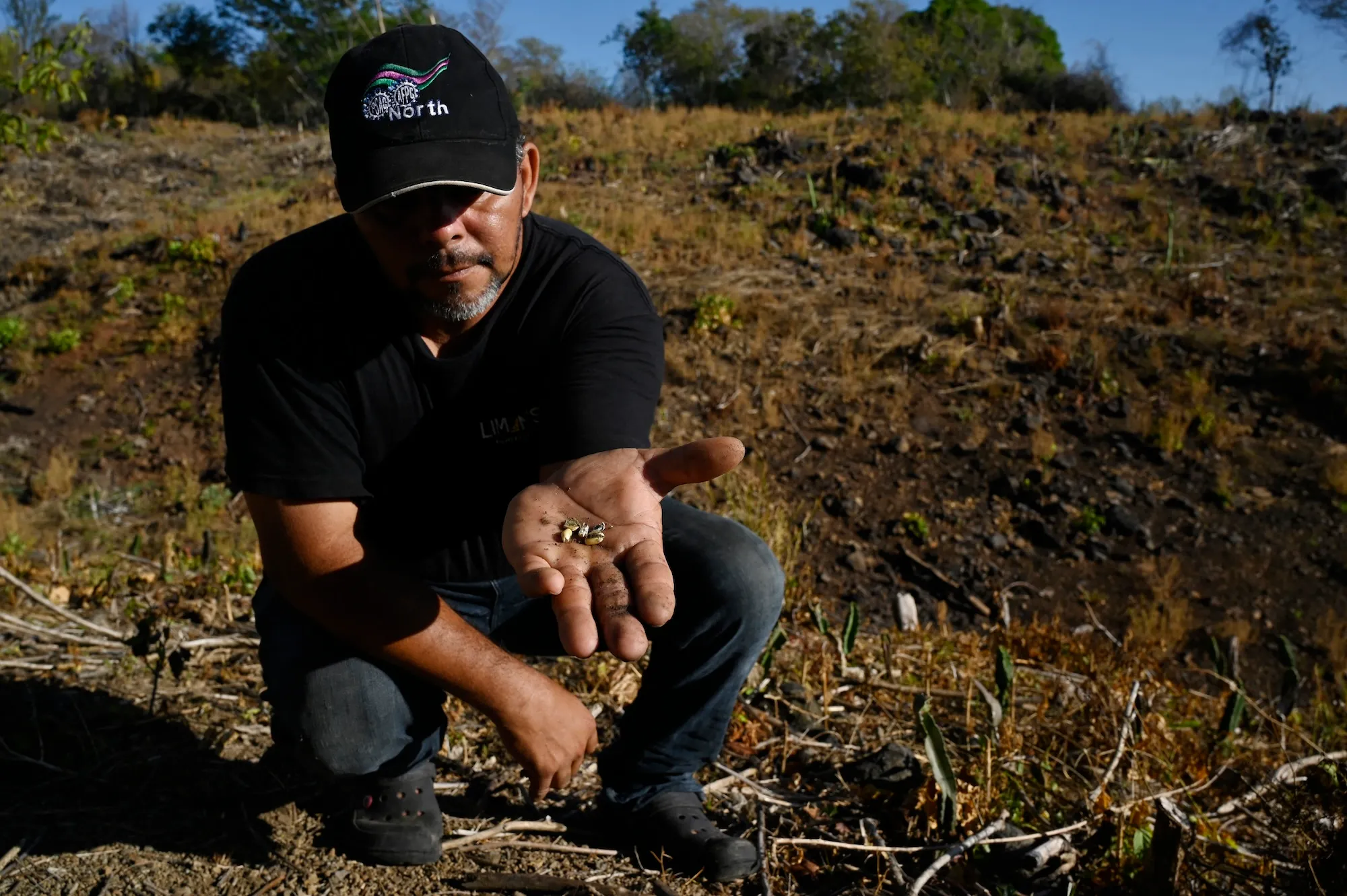
Agricultural sectors are particularly vulnerable. In Central America, subsistence farmers have already reported widespread failure of corn and bean crops due to drought conditions linked to the Pacific warming. Conversely, in other regions, excessive rainfall has led to crop rot and soil degradation. The economic ripple effects of these agricultural failures are expected to drive up food prices globally, creating a period of instability that may disproportionately affect developing nations.
Beyond the Label: The Future of Climate Terminology
The reliance on terms like "Super El Nino," "Godzilla El Nino," and "mind-bogglingly crazy" reflects a broader trend in scientific communication. When environmental events begin to consistently exceed historical baselines, researchers are forced to adopt more descriptive, and often more alarming, language to capture the attention of policymakers and the general public.
However, some climate scientists, including Zeke Hausfather, argue that even the term "Super El Nino" may soon become insufficient. If the frequency and intensity of these events continue to climb, the current classification system—which was designed for a 20th-century climate—will require a complete overhaul. The risk of such language, as noted by linguists, is that it can lead to "compassion fatigue" or nihilism if the public feels that the warnings are constant and the outcomes inevitable.
A Critical Intersection
The 2026 Super El Nino acts as a stress test for the global climate system. It is a preview of the atmospheric conditions that may become standard by 2040 if current emissions trajectories continue unabated. The intersection of this natural cycle with rising global mean surface temperatures creates a "perfect storm" of conditions.
Christopher Callahan, a climate scientist at Indiana University, has noted that while the scientific community will learn a significant amount from this year’s data, the lesson is likely to be a painful one. The focus must now shift from simply observing the anomaly to systemic adaptation. This includes upgrading water management systems, improving global supply chain resilience, and accelerating the transition to energy sources that do not rely on the fossil fuels driving this long-term warming trend.
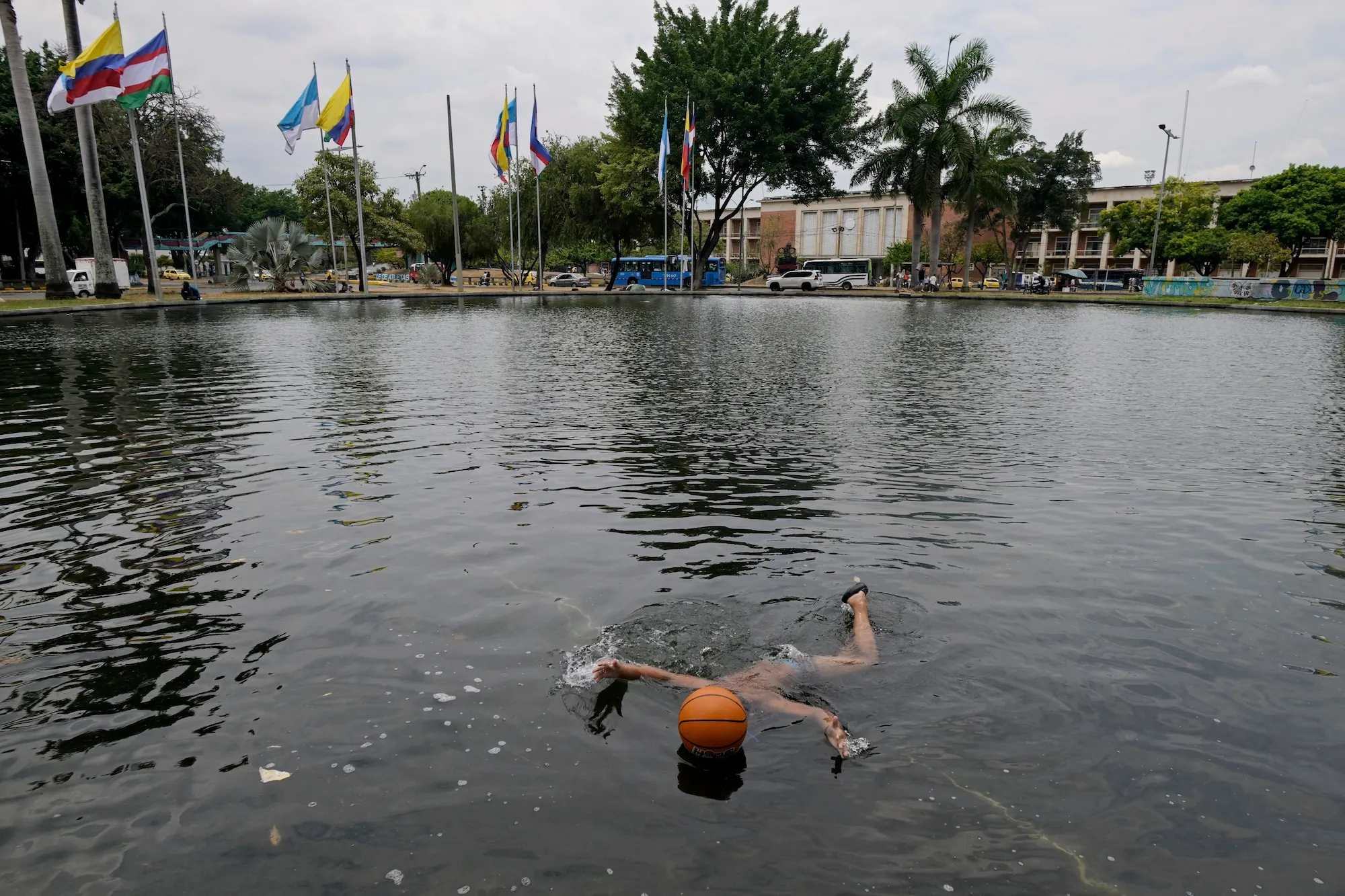
As the world heads into the final quarter of 2026, the focus remains on the Pacific. Whether or not temperatures begin to recede, the administrative, economic, and humanitarian impacts of this year’s climate anomaly are already set in motion. The "Super El Nino" of 2026 serves as a definitive marker in the history of climate observation—a reminder that the environment is no longer behaving within the comfortable boundaries of the past, and that both our language and our policy must adapt to the new, more volatile reality.