Tractor Repair Revolution or Corporate Lockout: A Deep Dive into John Deere’s Digital Service Ecosystem

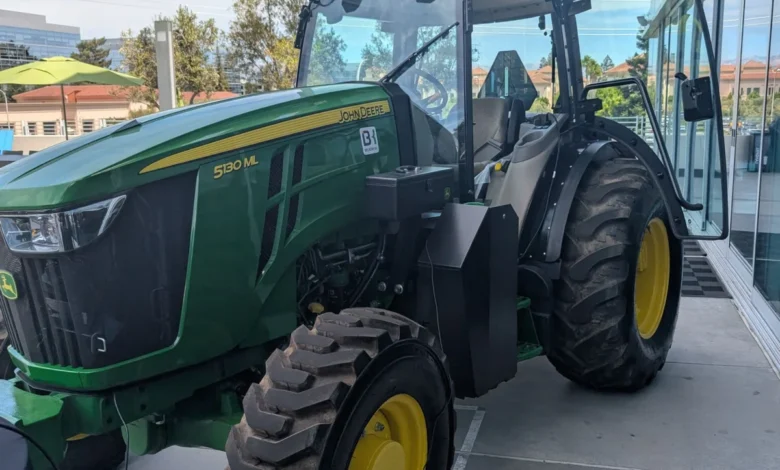
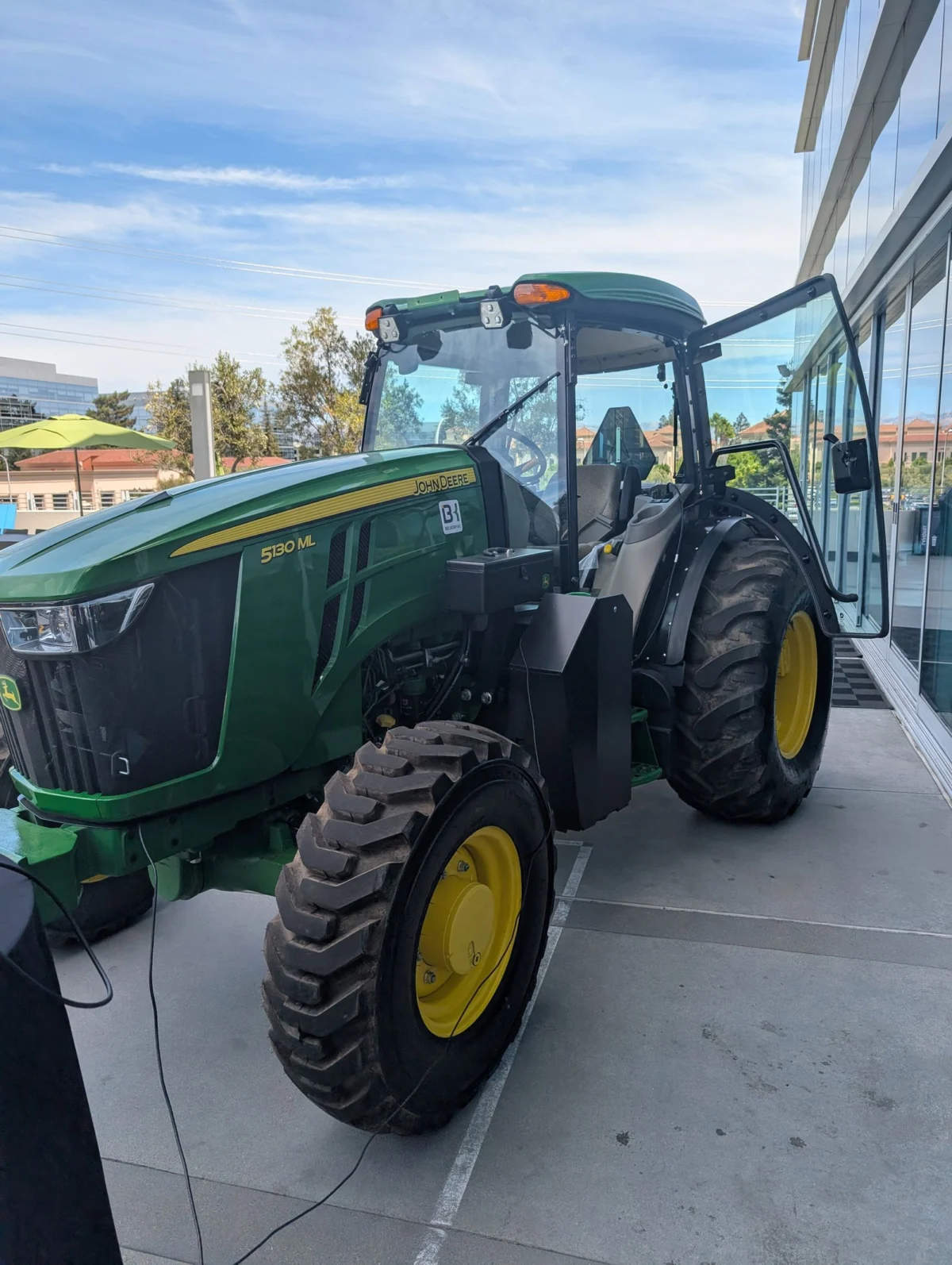
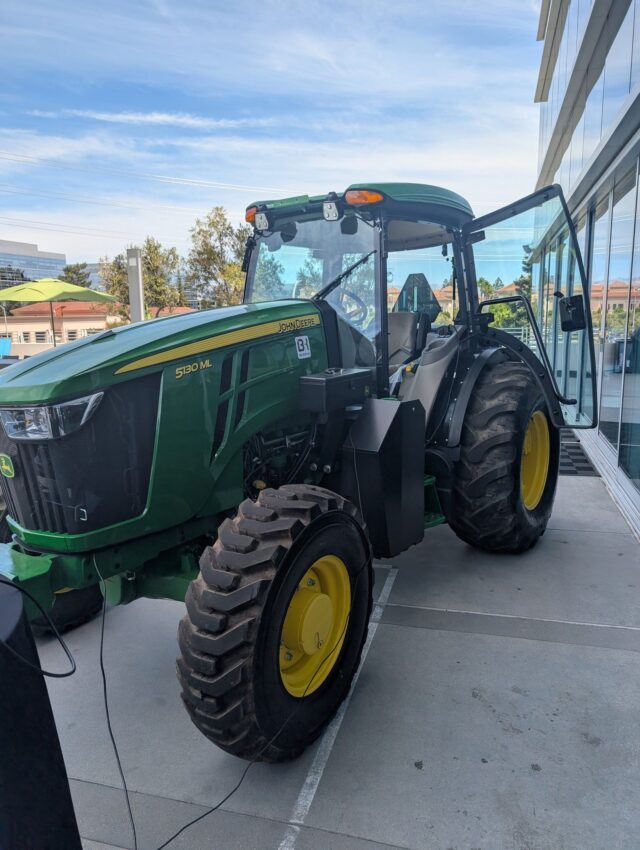
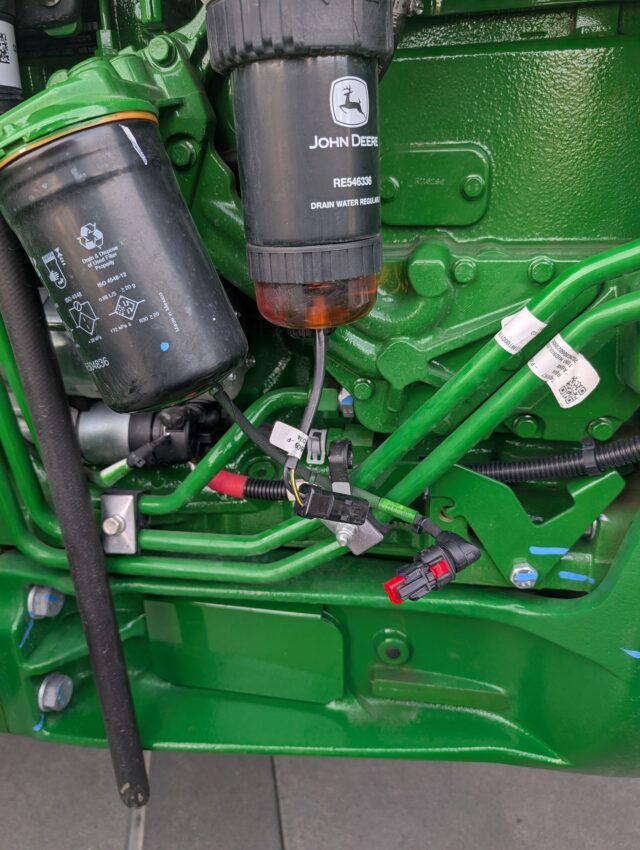
The internal diagnostics screen on the John Deere 5130ML tractor flickered to life, casting a soft glow over the quiet workspace in Santa Clara, California. A red alert indicator signaled a fault: the water-in-fuel sensor, a critical component for engine integrity, was disconnected. For a professional mechanic, this would be a routine task. For an average equipment owner—or a tech journalist—it serves as the ultimate test of the agricultural giant’s evolving stance on the right-to-repair movement. With a laptop tethered to the machine via a diagnostic cable, the software retrieved the specific manual for this unit’s serial number. The process was swift: identify the part on the screen, locate the loose wires, snap them into place, and watch the digital alert vanish. It was a seamless victory for user-led maintenance, yet it remains a point of contention within the multi-billion-dollar agricultural industry.
The Evolution of the Agricultural Battlefield
John Deere, the world’s largest agricultural machinery manufacturer, has long occupied a paradoxical position in the modern economy. While the company is celebrated for its engineering prowess and contributions to precision agriculture, it has simultaneously become the primary antagonist in the national right-to-repair debate. Over the past two decades, tractors have transitioned from purely mechanical workhorses into sophisticated, software-defined machines. Today’s high-end equipment is laden with dozens of electronic control units (ECUs), GPS arrays, and constant 4G connectivity, allowing for autonomous navigation and real-time data harvesting.
This digital transformation has brought immense efficiency to modern farming, but it has also introduced a significant hurdle: the "digital lock." For years, independent repair shops and farmers were barred from accessing the diagnostic software required to reset sensors or perform deep engine repairs. These tasks were, by design, restricted to authorized dealership technicians. This policy ignited a firestorm of controversy, leading to a series of high-profile legal challenges that have reshaped the landscape of equipment ownership.
A Chronology of Conflict and Compliance
The tension between John Deere and its customer base reached a boiling point in the mid-2010s, as the Digital Millennium Copyright Act (DMCA) was increasingly invoked to prevent unauthorized software modifications.
- 2015–2018: The right-to-repair movement gains significant momentum, with agricultural advocacy groups lobbying for state-level legislation to mandate that manufacturers provide diagnostic tools to the public. John Deere consistently argues that such access poses safety and security risks.
- 2022: A wave of class-action lawsuits is filed across the United States, alleging that John Deere engaged in monopolistic behavior by restricting repair services.
- April 2023: In a landmark move, John Deere agrees to a $99 million settlement to resolve claims that the company inflated repair costs by creating an artificial bottleneck for parts and services.
- July 2023: The company settles a separate action with the Federal Trade Commission (FTC), pledging to make repair tools and manuals available to owners and independent shops.
- 2025–Present: John Deere rolls out "Operations Center Pro Service," an integrated software suite designed to bridge the gap between factory-authorized diagnostics and owner-operated maintenance.
Despite these legal milestones, critics argue that the company’s compliance is superficial. While the court-mandated changes represent a legal victory for advocates, the practical implementation remains a subject of intense scrutiny.
Analyzing the Pro Service Ecosystem
The introduction of the Pro Service platform is John Deere’s strategic response to these mounting pressures. At a price point starting at $195 per year for individual machines—and scaling up to $5,995 annually for comprehensive business-level access—the software is intended to be the definitive interface for modern farm management.
The system offers a centralized dashboard where users can view maintenance histories, receive automatic firmware updates, and utilize an AI-driven chatbot designed to simplify complex technical manuals. According to Jahmy Hindman, John Deere’s Chief Technology Officer, the platform is the culmination of a 30-year mission to make high-tech agriculture manageable for the end user. "It is owner-friendly," Hindman stated during a demonstration. "I think that has always been our intent."
However, data from the field suggests a significant adoption gap. Despite the complexity of modern machinery, which can house upwards of 50 controllers per unit, the platform reportedly sees only about 1,000 daily active users. With approximately 1.8 million farms operating in the United States, this adoption rate is remarkably low, suggesting that the software has yet to earn the trust of the very demographic it intends to serve.
The Skepticism of the End User
For farmers like Jared Wilson, who manages 3,000 acres of corn and soybean crops in Missouri, the official tools provided by the manufacturer are insufficient for the realities of the field. Wilson, a plaintiff in the recent class-action litigation, views the Pro Service platform with a healthy dose of cynicism.
"If you have three or four different diagnostic codes, where do you start in the tree to figure out what’s wrong?" Wilson asks. His frustration stems from the limitations of the software, which he believes is designed to guide users toward simple, surface-level fixes while keeping the "keys to the castle" hidden behind dealer-only access.
Furthermore, a prevailing sentiment among independent operators is that the "official" software lacks parity with the tools used by dealership technicians. While John Deere representatives maintain that the diagnostic software is identical across both platforms, many farmers believe that the company reserves the most powerful diagnostic capabilities for its own service networks. This lack of transparency has led to the proliferation of "gray market" software—cracked versions of diagnostic programs that bypass John Deere’s restrictions entirely.
Broader Implications for the Right to Repair
The ongoing dispute with John Deere is more than a struggle over tractor parts; it is a bellwether for the future of consumer ownership in the digital age. As more household and industrial goods become "smart" and software-dependent, the precedent set by agricultural equipment will likely influence how society approaches medical devices, electric vehicles, and home appliances.
Repair advocates, such as Willie Cade of Repair.org, argue that the issue is inherently philosophical. "They are just monopolists that want to make money," Cade asserts. "Their real customer is not the farmer; their real customer is Wall Street." This argument highlights the tension between the long-term utility of physical goods and the short-term revenue incentives of subscription-based software services.
Conclusion: The Path Forward
John Deere’s attempt to normalize its self-repair software is a calculated effort to maintain control over its ecosystem while adhering to regulatory demands. While the ability for an owner to clear a sensor error with a few clicks is objectively a step forward, the divide between the manufacturer’s narrative and the farmer’s reality remains wide.
For now, the "right to repair" movement continues to press for more granular access to machine controllers, arguing that true ownership requires the ability to modify and repair software without the gatekeeping of a subscription service. Whether Pro Service becomes the standard for the industry or remains a secondary option for the few will depend on whether John Deere can prove that its tools are genuinely robust enough to handle the most difficult challenges faced in the field. Until then, the tractor, once a symbol of rural independence, remains caught in the crosshairs of a modern, digital tug-of-war.
Related posts: