Colorado’s enduring appeal as a premier North American travel destination is rooted in its geographic diversity, economic investment in outdoor recreation infrastructure, and a robust hospitality sector that continues to evolve. From the glitzy international resort town of Aspen to the burgeoning culinary and cultural landscape of Denver, the Centennial State offers a multifaceted travel experience that attracts millions of visitors annually. Recent tourism data indicates that Colorado’s visitor volume remains remarkably resilient across all four seasons, driven by a combination of world-class winter sports, extensive summer and autumn recreation, and an expanding network of urban and rural accommodations.
The Evolution of Colorado’s Tourism and Lodging Landscape
Over the past decade, Colorado’s tourism economy has experienced a structural shift. While traditional hotels and historic lodges remain foundational to the state’s hospitality ecosystem, the demand for alternative lodging options—particularly private short-term rentals—has surged. Travelers increasingly seek immersive, independent accommodations that offer proximity to the state’s four national parks (Rocky Mountain, Mesa Verde, Great Sand Dunes, and Black Canyon of the Gunnison), extensive hiking and biking trail networks, and internationally recognized ski resorts.
According to economic impact reports from the Colorado Tourism Office, visitor spending generates billions of dollars annually, supporting hundreds of thousands of jobs across the state. This economic vitality is not confined to major metropolitan centers; smaller mountain towns and rural gateway communities have also benefited from the influx of travelers utilizing platforms like Airbnb. These platforms have diversified the lodging stock, offering everything from secluded alpine cabins with direct access to backcountry trails to design-forward urban apartments situated in the heart of Denver’s historic neighborhoods.
Chronology of Colorado’s Short-Term Rental Regulation and Growth
The proliferation of short-term rentals in Colorado did not happen overnight; it is the result of a gradual transformation in consumer travel preferences coupled with local regulatory adaptations.
In the early 2010s, platforms like Airbnb transitioned from niche peer-to-peer services to mainstream hospitality giants. Mountain resort communities such as Vail, Breckenridge, and Telluride were among the first to experience a high demand for residential-style vacation rentals, as families and large groups sought alternatives to traditional hotel configurations.
By the mid-2010s, municipalities across Colorado began implementing zoning rules, licensing requirements, and occupancy taxes to balance the economic benefits of short-term rentals with housing availability for local workforces. Mountain towns like Aspen and Crested Butte instituted strict caps and permitting processes to preserve community character, while urban centers like Denver established clear licensing guidelines to regulate primary and secondary residential rentals.
Despite these regulatory shifts, the market for high-quality, vetted vacation rentals has matured. Today, properties featured on major curation platforms undergo rigorous evaluations. Industry standards now heavily rely on Superhost and Guest Favorite designations, user review aggregates, amenity audits, and professional interior design to ensure a consistent, high-standard guest experience.
Market Analysis: Traditional Hotels Versus Vacation Rentals
The hospitality sector in Colorado presents a distinct dichotomy between full-service luxury hotels and private vacation rentals. While hotels in Denver and Aspen offer amenities such as 24-hour concierge services, on-site dining, and daily housekeeping, Airbnbs and similar properties cater to travelers seeking autonomy, space, and a localized residential experience.
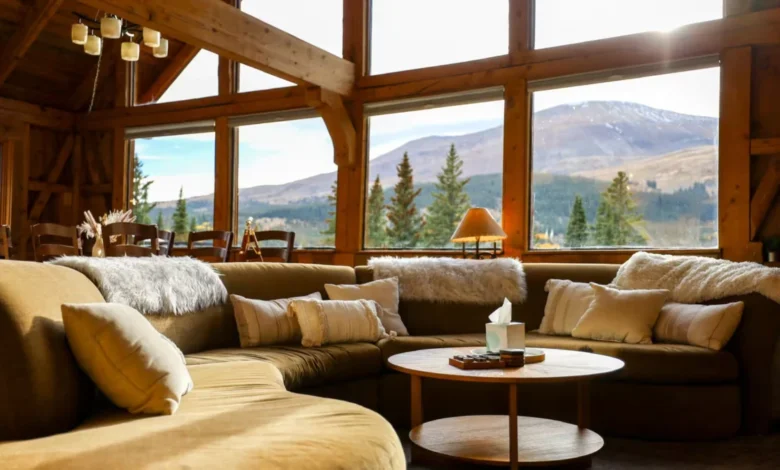
For group getaways, family reunions, and extended ski vacations, private homes often provide better cost efficiency per square foot compared to booking multiple hotel rooms. Furthermore, properties equipped with full kitchens, laundry facilities, and private outdoor spaces—such as hot tubs overlooking mountain ranges or enclosed yards—appeal directly to travelers prioritizing privacy and self-sufficiency.
Industry analysts note that this diversification of lodging options has helped distribute tourism dollars more evenly across the state. Visitors staying in residential neighborhoods patronize local independent coffee shops, neighborhood bistros, and small retail boutiques that might not benefit directly from large hotel developments.
Economic and Community Implications
The sustained popularity of Colorado’s vacation rental market carries significant implications for local economies, real estate developers, and municipal policy makers.
On one hand, short-term rentals empower property owners and real estate investors to monetize underutilized spaces, contributing lodging tax revenues directly to local governments. These tax revenues are frequently earmarked for community infrastructure, public services, and local tourism marketing initiatives.
On the other hand, the high demand for vacation properties has intensified housing affordability challenges for permanent residents, particularly in mountain resort enclaves where geographical constraints limit new construction. In response, municipal governments continue to refine their regulatory frameworks, balancing enforcement of licensing caps with the economic realities of a thriving tourism-dependent economy.
Selecting the Right Colorado Accommodation
When evaluating vacation rentals across the Centennial State, travel experts and platform data recommend focusing on several key criteria:
- Location and Accessibility: Understanding the topography and seasonal weather conditions is crucial. Mountain cabins often require four-wheel-drive vehicles during winter snowstorms, whereas urban apartments in Denver offer walkable access to public transit, restaurants, and cultural venues.
- Amenities: For winter ski trips, proximity to lifts, secure gear storage, and private hot tubs are top priorities. For summer hiking and national park excursions, properties featuring outdoor grilling areas, fire pits, and fast Wi-Fi for remote work are highly sought after.
- Host Credibility: Utilizing platforms that highlight Superhost status, verified guest reviews, and responsive communication channels minimizes logistical friction during the stay.
- Group Dynamics: Matching the property layout—such as multi-level floor plans, number of bathrooms, and communal living spaces—to the specific composition of the traveling party ensures a comfortable experience.
Broader Outlook for Colorado Tourism
As Colorado solidifies its reputation as a premier year-round destination, the synergy between outdoor recreation, cultural vibrancy, and diverse lodging options remains vital. Whether visitors are planning a winter expedition to chase fresh powder across the Rocky Mountains, a summer hiking excursion through alpine meadows, or an autumn road trip to witness the changing aspen leaves, the state’s accommodation sector continues to adapt to meet modern traveler expectations. Through careful curation and regulatory oversight, Colorado balances growth with preservation, ensuring that its natural and urban landscapes remain inviting to travelers from around the globe.