The Ultimate Guide to Experiencing Autumn in London Through an Immersive Culinary and Cultural Itinerary

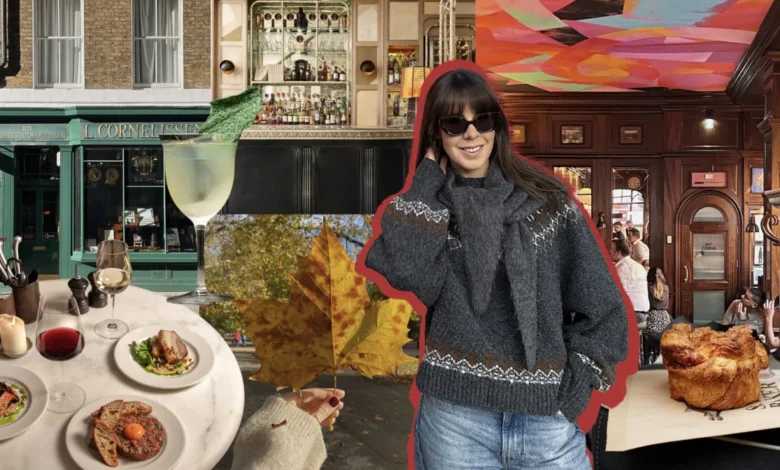
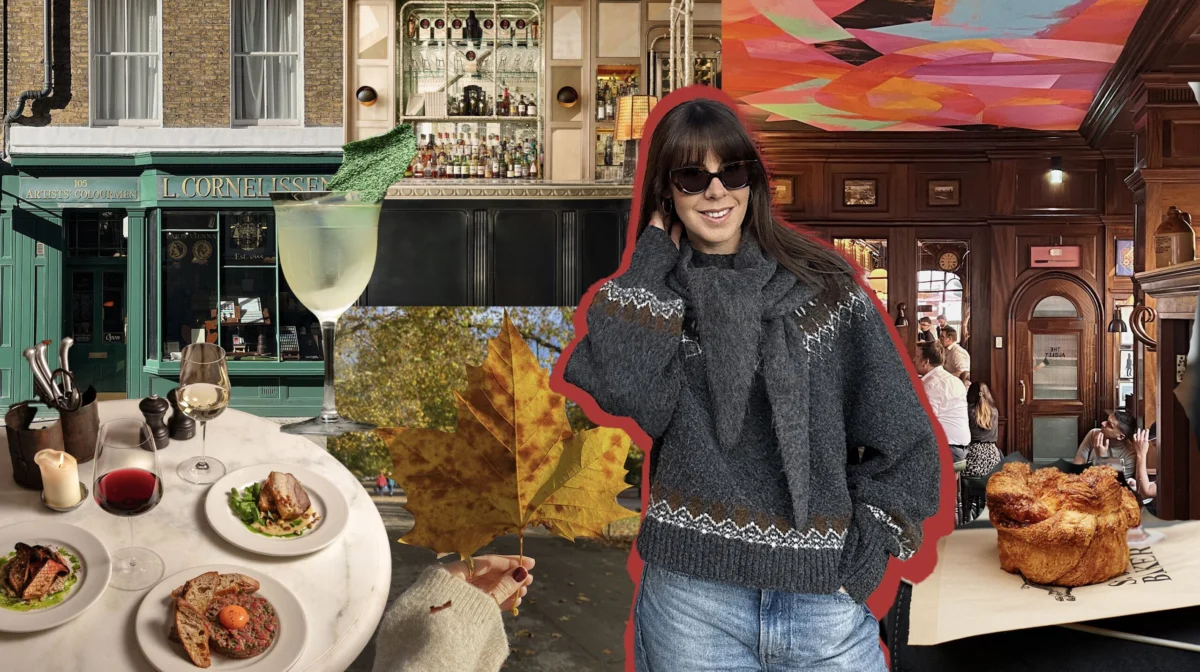
While the summer months often dominate travel discourse with their long sunlit days and European coastal excursions, the arrival of autumn brings a distinct, measured shift to the cultural and social landscape of the British capital. London during the autumn season operates at a renewed, deliberate pace, energized by the conclusion of the peak tourist season and the anticipation of upcoming cultural festivities. According to seasonal retail and hospitality data across central London, autumn initiates a notable transition in consumer behavior, marked by increased foot traffic in independent bookstores, boutique shopping districts, and artisanal food establishments. This comprehensive guide outlines a structured, chronological itinerary through Covent Garden, Bloomsbury, Marylebone, Hyde Park, Mayfair, and St James’s, capturing the city’s architectural grandeur and culinary evolution as daylight shortens and temperatures decline.

Morning Phase: Covent Garden and Bloomsbury
The day’s trajectory begins at 9:00 AM at Monmouth Coffee Co., situated on Monmouth Street in Covent Garden. Established as a cornerstone of London’s specialty coffee movement, the establishment serves as an optimal starting point due to its central location—approximately three minutes on foot from Covent Garden tube station and five minutes from Leicester Square. The venue encapsulates the sensory transition of the season, characterized by the aroma of freshly roasting beans and patrons clustering outside with heated ceramics despite the morning chill. Industry analysts note that specialty coffee consumption in central London experiences a measurable surge in September and October as commuters and residents return from remote holiday schedules.

By 10:00 AM, the itinerary moves north toward Bloomsbury, a neighborhood historically anchored by literary figures such as Virginia Woolf, T.S. Eliot, and Charles Dickens. The area retains a distinct academic and artistic atmosphere, particularly with the commencement of the new academic term for local universities. Here, travelers visit St John Bakery, located adjacent to the London Review Bookshop. The pairing of artisanal baked goods—specifically cinnamon buns and sugar-dusted doughnuts—with independent literary spaces reflects a broader trend of cultural synergy in central London retail, where food and literature increasingly intersect to drive neighborhood foot traffic.
Midday Commerce: Marylebone’s Architectural and Retail Landscape

At 11:00 AM, the focus shifts westward to Marylebone, a district renowned for its smart Georgian terraces, residential squares, and concentration of independent merchants. Navigating Marylebone High Street, Marylebone Lane, and Chiltern Street offers insight into London’s independent retail sector.
The retail circuit begins at Daunt Books on Marylebone High Street, an Edwardian bookshop celebrated for its long oak galleries and travel-focused catalog. Economic reports tracking independent high-street performance indicate that specialized bookstores experience robust fourth-quarter engagement, driven by consumer demand for physical media and curated gift shopping. Subsequent stops include KJ’s Laundry for contemporary womenswear, the Monocle Shop for international design goods, TOAST for artisanal homewares, and James Smith & Son, an umbrella manufacturer established in 1830 that represents the preservation of traditional British craftsmanship.

Gastronomic Midday Offerings
By 1:00 PM, the itinerary provides three distinct dining options within Marylebone, catering to diverse culinary preferences while maintaining an emphasis on seasonal comfort.

The Hart offers a traditional tavern environment with a contemporary menu, notable for its seasonal desserts. Alternatively, Café Murano, spearheaded by acclaimed chef Angela Hartnett, delivers northern Italian comfort dishes such as chicken Milanese, spicy sausage ragu, and traditional tiramisu. For diners seeking a fusion of warmth and spice, Jikoni—led by chef Ravinder Bhogal—presents a menu highlighted by innovative small plates, including the acclaimed prawn toast Scotch egg. Culinary tourism boards frequently cite Marylebone as a micro-hub for chef-driven independent dining, contributing significantly to the borough’s evening and weekend economy.
Afternoon Culture and Open-Square Architecture

At 2:30 PM, the itinerary transitions to cultural engagement at The Wallace Collection, housed within Hertford House on Manchester Square. Unlike the densely populated national institutions around Trafalgar Square, this historic townhouse museum houses a world-class array of 15th- to 19th-century fine arts, French furniture, and porcelain without the congestion of larger facilities. Art historians and museum administrators emphasize that regional and specialized collections like The Wallace Collection see a steady rise in local attendance during autumn as residents seek indoor cultural programming away from the elements.
Following the gallery visit, the schedule incorporates a 3:30 PM stroll westward through Portman Square and Marble Arch into Hyde Park. Spanning over 350 acres, Hyde Park undergoes a dramatic visual transformation in October and November as deciduous trees transition through amber, gold, and russet tones. Urban planning studies consistently highlight the economic and psychological value of London’s royal parks, which record millions of recreational visits annually during the autumn foliage peak, serving as vital ecological corridors within the urban core.

Evening Transition: Mayfair and St James’s
At 5:00 PM, the route proceeds south-east toward South Audley Street in Mayfair to visit Farm Shop Mayfair. Operated by Artfarm, the retail space sources produce, meats, and pantry items directly from a 1,000-acre farm in Somerset. The establishment exemplifies the growing consumer demand for vertically integrated, traceable agricultural goods within urban retail centers, bridging the gap between rural British farming and metropolitan luxury.

Adjacent to the grocery stop at 5:30 PM is The Audley Public House on Mount Street. Restored under the stewardship of Artfarm, the Victorian pub challenges the traditional "old man boozer" archetype by pairing historic architectural preservation with high-end interior design and a curated beverage selection, including draft Guinness and traditional bar snacks.
At 6:30 PM, the itinerary advances to The Connaught Bar on Carlos Place for evening mixology. Internationally recognized under the direction of Agostino Perrone, the venue is frequently ranked among the world’s best bars. Industry analysts attribute the establishment’s enduring success to its table-side martini trolley service and rigorous standardization of hospitality protocols, drawing international travelers and local professionals alike.

The evening concludes at 8:00 PM with dinner at Wiltons in St James’s. Founded in 1742, Wiltons holds the distinction of being London’s second-oldest operating restaurant, having served generations of statesmen, nobility, and culinary connoisseurs. Specializing in classic British seafood and game dishes—such as the twice-baked Stilton soufflé—the institution preserves an old-world dining tradition characterized by wood-paneled salons, silver service, and a commitment to heritage recipes. Hospitality economists note that heritage dining institutions in Westminster remain vital anchors for the capital’s high-end tourism sector, preserving historic culinary traditions amidst a rapidly modernizing global food scene.