Super El Niño Scrambles Global Fisheries as Warming Pacific Waters Create a Divide Between Economic Devastation and Record Harvests


The arrival of the 2023-2024 "super" El Niño, a potent iteration of the natural Pacific weather pattern characterized by significantly warmer-than-average sea surface temperatures, has sent shockwaves through the global fishing industry. While the phenomenon was only officially declared a few months ago, its effects are already being felt from the coastal waters of South America to the Indian Ocean and the Pacific Northwest. The result is a starkly divided maritime economy: a landscape of "winners and losers" where some of the world’s most productive fisheries are facing total collapse while others experience unprecedented, though likely temporary, booms.
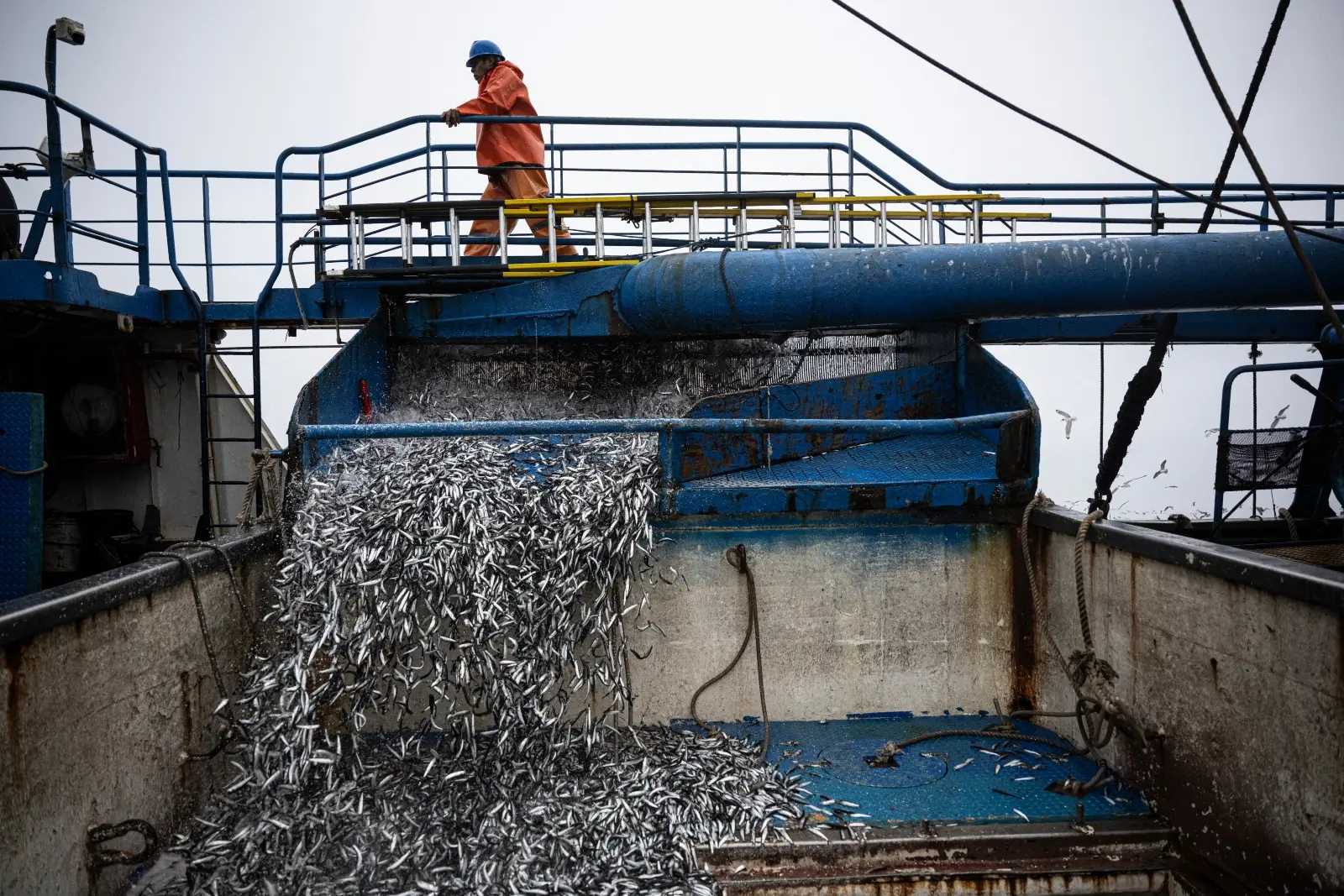
In Peru, the world’s leading exporter of fishmeal, the government has taken the drastic step of effectively canceling the first anchovy fishing season of the year. This decision targets the Peruvian anchoveta, the largest single-species fishery on the planet, which serves as a cornerstone for global aquaculture and livestock feed. Simultaneously, across the Pacific, the Indian government is bracing for a season of stunted growth and diminished yields for Indian mackerel and sardines. Conversely, recreational and commercial fishers in Southern California are reporting a "bluefin bonanza," with catch rates soaring to levels rarely seen in modern history. These divergent outcomes underscore the profound instability El Niño introduces to global food security and maritime livelihoods.
The Mechanics of Oceanic Disruption: Why El Niño Reshuffles the Seas
To understand the current crisis, one must look at the fundamental oceanography of the Pacific. Under neutral conditions, robust trade winds blow west across the equator, pushing warm surface water toward Asia. This movement allows cold, nutrient-dense water from the deep ocean to rise to the surface along the coast of South America—a process known as upwelling. This cold water is rich in nitrates and phosphates, fueling the growth of phytoplankton, which in turn supports massive populations of forage fish like anchovies.
During an El Niño event, these trade winds weaken or even reverse. The warm water that had been piled up in the western Pacific sloshes back toward the Americas. This "warm cap" suppresses upwelling, trapping nutrients deep below the surface where they are inaccessible to the base of the food chain. As the surface waters warm, the thermocline—the transition layer between warm surface water and cold deep water—is pushed deeper.
For species like the Peruvian anchoveta, which thrive in cool, nutrient-rich environments, this shift is catastrophic. The fish are forced to dive deeper to find cooler water or migrate toward the poles. In many cases, the lack of available plankton leads to mass starvation or reduced reproductive success. For fishers, even if the fish survive at greater depths, they often descend beyond the reach of standard purse seine nets, which typically only extend about 50 meters below the surface. Recent sonar reports from Peruvian industrial vessels have located anchovy schools at depths exceeding 100 meters, effectively placing them out of commercial reach.
A Chronology of the Current Crisis
The current "super" El Niño did not arrive without warning, but its intensity has caught many off guard. The timeline of the 2023 event reflects a rapid escalation of oceanic warming:
- Early 2023: Climate models began predicting a transition from La Niña (the cool phase) to El Niño. Coastal temperatures off Peru began to rise prematurely, a phenomenon known as a "Coastal El Niño."
- April 2023: Peru’s Ministry of Production (PRODUCE) observed a sharp decline in anchovy biomass and high numbers of juvenile fish, leading to the first set of restrictions on exploratory fishing.
- June 2023: The National Oceanic and Atmospheric Administration (NOAA) officially declared the onset of El Niño conditions. Simultaneously, Southern California fishers reported "unprecedented" yields of bluefin tuna, months ahead of the typical peak season.
- July 2023: Global sea surface temperatures hit record highs. The Peruvian government announced an indefinite ban on the first anchovy season to protect the remaining stock from total depletion.
- Late 2023 Forecast: Meteorologists warn that the phenomenon is likely to peak between November and January, with a high probability of becoming a "historically strong" event comparable to the devastating 1982-83 and 1997-98 cycles.
Economic Fallout: From Fishmeal to the Dinner Table
The economic implications of these biological shifts are global in scope. Peru’s anchovy fishery is not just a local industry; it is a vital link in the global food supply chain. Anchoveta are processed into fishmeal and fish oil, which are essential ingredients in the feed used for farmed salmon, shrimp, pigs, and poultry.
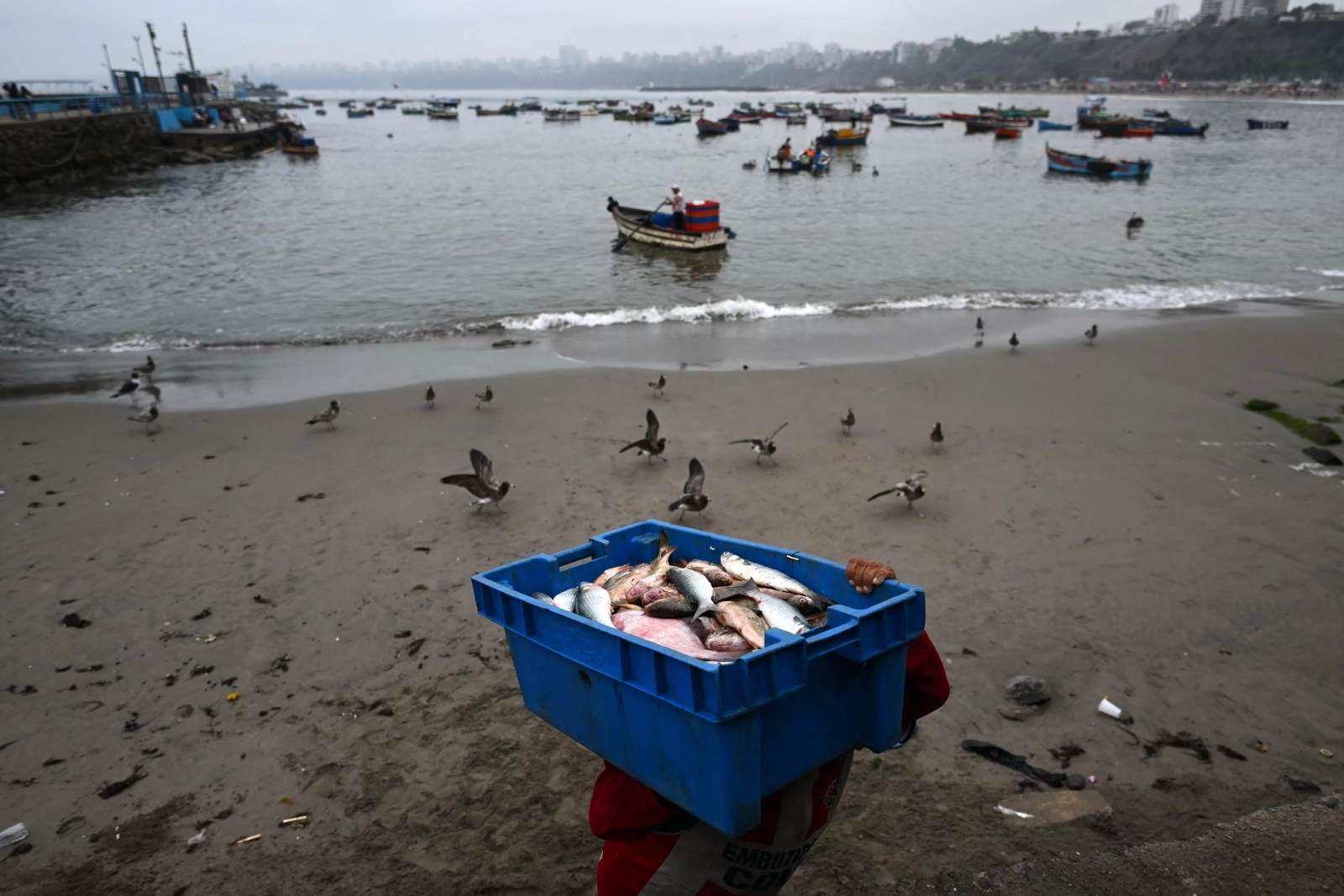
With the cancellation of the Peruvian season, the global supply of fishmeal is expected to tighten significantly. Analysts suggest that if the second season of the year is also compromised, prices for aquaculture products—particularly Atlantic salmon—could see substantial increases in 2024. In local markets, the impact is even more immediate. In the Piura region of northern Peru, prices for staple fish like jack mackerel and corvina have reportedly doubled. This has forced many families to pivot to cheaper protein sources, such as chicken, putting further pressure on terrestrial agriculture.
In North America, the "winner" status of California fishers comes with its own set of complications. While the abundance of bluefin tuna, yellowtail, and dorado is a boon for the sports fishing industry in San Diego, other species are suffering. Wild salmon in the Pacific Northwest often struggle during El Niño years as the lack of nutrient-rich water leads to smaller, less oily fish—sometimes derisively called "snakes" by fishers. This decline in salmon quality and quantity often leads to higher "ex-vessel" prices (the price paid to fishers at the dock), which eventually translates to higher costs for restaurant-goers and grocery shoppers.
Official Responses and Ecological Anxiety
Government agencies and non-governmental organizations (NGOs) are struggling to manage the volatility. Juan Carlos Sueiro, an economist and fisheries director for Oceana Peru, has voiced growing concern over the increasing frequency of these events. "Our vulnerability is increasing," Sueiro noted, pointing out that climate change is expected to make El Niño cycles both more frequent and more intense.
In India, the Central Marine Fisheries Research Institute (CMFRI) has issued advisories to fishers regarding the "shrinking" of species. Research suggests that as waters warm, the metabolic demands on fish increase while oxygen levels decrease, resulting in smaller adult sizes for species like mackerel.
Beyond the commercial species, scientists are sounding the alarm for the broader ecosystem. Arnaud Bertrand, a senior scientist at the French National Research Institute for Sustainable Development (IRD), highlighted the potential collapse of the Humboldt squid. This species is a primary source of income for over 10,000 artisanal fishing boats in South America. "If the Humboldt squid collapses, those boats will try to find another resource," Bertrand warned. This shift could lead to unregulated fishing of alternative species, creating a domino effect of ecological instability.
Furthermore, the warming waters threaten coral reefs and kelp forests. High temperatures can cause coral bleaching, destroying the habitats of thousands of reef-dwelling species. In California, warmer waters cause kelp to deteriorate rapidly, removing the "underwater forests" that provide oxygen and shelter for coastal marine life.
Geopolitical Tensions and the Search for Stability
The migration of fish stocks is not merely a biological or economic issue; it is a geopolitical one. As sea temperatures rise, fish populations move toward cooler waters, often crossing international maritime borders. This can lead to increased tensions as fishing fleets follow the "money fish" into the Exclusive Economic Zones (EEZs) of neighboring nations.
Past El Niño events have seen an uptick in maritime disputes. When fish populations migrate out of their traditional territories, industrial fleets—particularly those from distant-water fishing nations—may be tempted to stray into protected or sovereign waters. This increases the risk of illegal, unreported, and unregulated (IUU) fishing, which further strains already depleted stocks and complicates international diplomatic relations.
Looking Ahead: The "New Normal" of a Warming Pacific
As the world watches the 1982-83 "Super El Niño" benchmarks for comparison, the overarching shadow of climate change makes the current situation unique. Historically, El Niño was a periodic disruption that allowed for recovery during the subsequent La Niña phase. However, with baseline ocean temperatures steadily rising due to global warming, the "cool" phases are no longer as cool as they once were, and the "warm" phases are reaching lethal thresholds for many marine species.
For the fishing industry, the message is clear: the era of predictable, stable yields is over. Diversification is becoming a survival strategy. Fishers who once relied solely on a single species are being forced to invest in different gear and sonar technology to track migrating stocks. Governments are being urged to adopt "ecosystem-based management" that accounts for climate volatility rather than relying on historical catch averages.
While the "red-hot" fishing in Southern California may provide a temporary windfall for some, the global picture remains one of deep concern. The 2023-2024 El Niño serves as a stark reminder of the ocean’s fragility and the intricate connections between Pacific weather patterns and the global economy. As Arnaud Bertrand somberly noted, "With global warming, the worst is the most probable." The coming months will reveal whether the world’s fisheries can weather the storm or if this "Super El Niño" will leave a permanent scar on the marine environment.