The Great Bantu Migration: How Ancient Ancestry and Innovation Reshaped the African Continent

The transformation of the African continent over the last several millennia was driven by one of history’s most significant human migrations: the expansion of Bantu-speaking peoples from western Africa. This monumental movement, which began roughly 6,000 years ago, replaced and integrated with existing hunter-gatherer societies, introduced sedentary agriculture and advanced metallurgy, and established the linguistic and genetic foundations for millions of people living across sub-Saharan Africa today. By synthesizing archaeological evidence, linguistic patterns, and modern genomic data, researchers are finally mapping the complex route and cultural impact of this massive demographic shift.
Origins in the Grassfields: The Cradle of a Continent-Spanning Culture
The Bantu homeland is widely traced by linguists and geneticists to the region surrounding the modern-day border of Nigeria and Cameroon, specifically the Grassfields. It was here, between 6,000 and 4,000 years ago, that a distinct group of people began to develop the foundational "Bantu package"—a suite of technologies and habits including pottery-making, the cultivation of yams and oil palms, and eventually, the mastery of iron smelting.
Archaeological investigations, most notably at the Shum Laka rock shelter in Cameroon, have provided crucial, albeit fragmented, evidence of these early periods. While pottery fragments recovered from these sites show a clear evolution in style, they serve as a physical record of a society in transition. These early settlers were not merely nomadic; they were innovators who possessed the logistical capacity to clear forests and manage livestock, capabilities that would eventually provide the competitive advantage needed to spread across diverse environmental zones, from the humid Congo Basin to the arid southern plateaus.
A Chronology of Expansion
The expansion did not occur as a single, rapid invasion but rather as a multi-generational, staggered progression. By approximately 3,500 to 2,500 years ago, these populations had begun to move systematically toward the east and south.
Historically, researchers debated whether this spread was a result of actual migration or the cultural diffusion of technology among existing groups. However, modern genetic analysis has settled the dispute in favor of migration. A 2024 genomic study involving 1,763 individuals across Africa revealed that genetic diversity is highest among Bantu speakers in western Africa and systematically declines as one moves further from the homeland. This "founder effect" is a hallmark signature of a population expanding into new territories, confirming that Bantu speakers physically moved into these regions, carrying their DNA alongside their linguistic and cultural practices.
The journey was marked by a significant navigational challenge: the Congo rainforest. Linguistic reconstruction and computational models suggest that while some groups may have skirted the forest, a significant contingent moved through it. It was only after reaching the southern fringes of the rainforest, roughly 2,500 years ago, that the expansion diverged into distinct eastern and southern streams. Linguistic trees, built from the study of over 400 Bantu languages, show deep splits that correlate with this geographic bottleneck, indicating that the ancestors of modern-day Zulu, Swahili, and Xhosa speakers spent enough time in the rainforest region to allow their dialects to drift and diversify.
Technological Mastery: The Iron Revolution
Central to the success of the Bantu-speaking peoples was their sophisticated control of iron metallurgy. As they moved into new lands, they brought the ability to forge tools that were significantly more durable than the stone implements used by the hunter-gatherer populations they encountered.
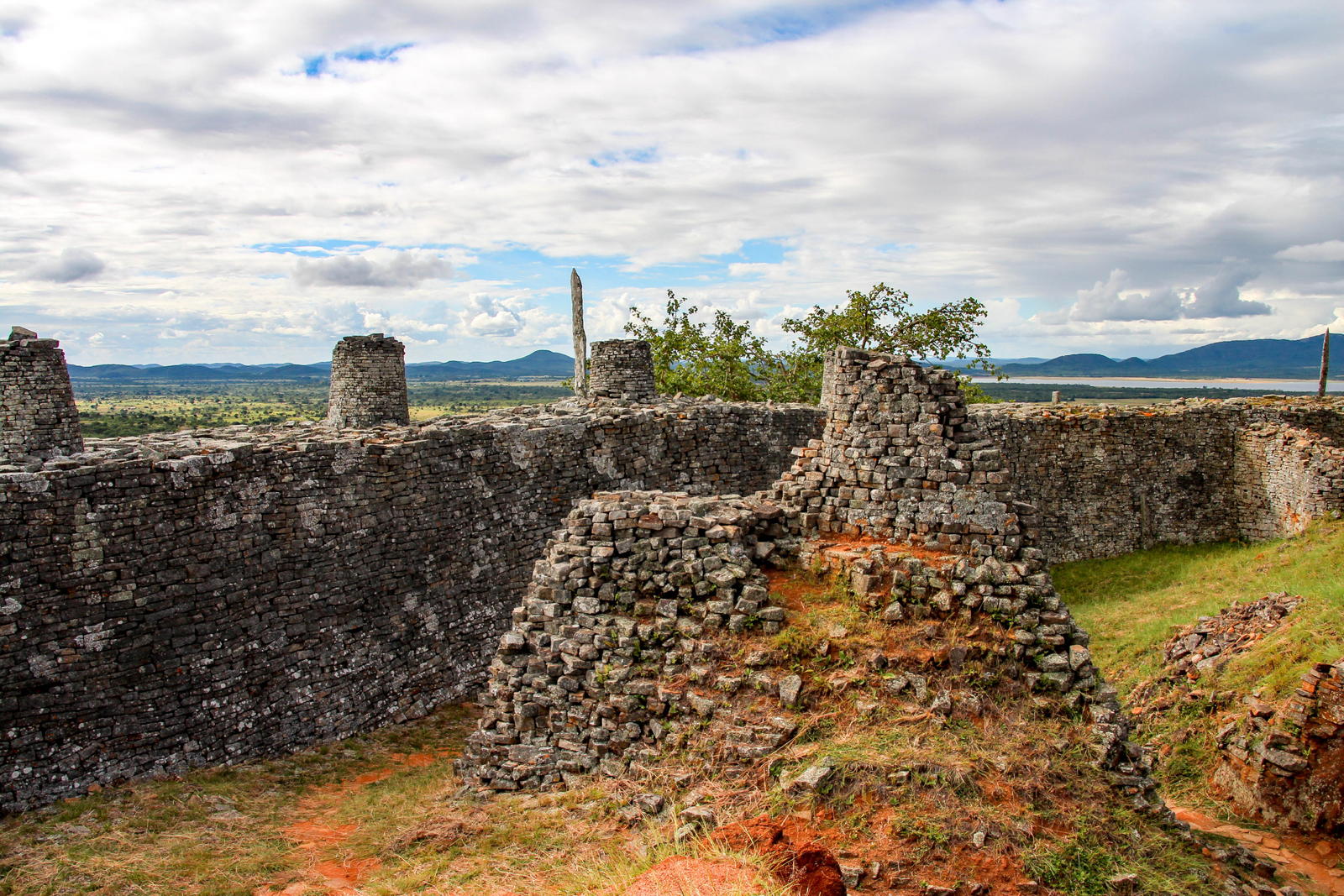
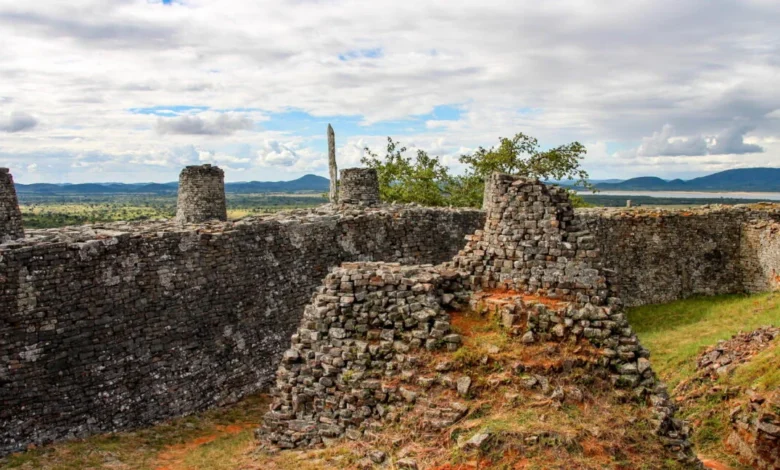
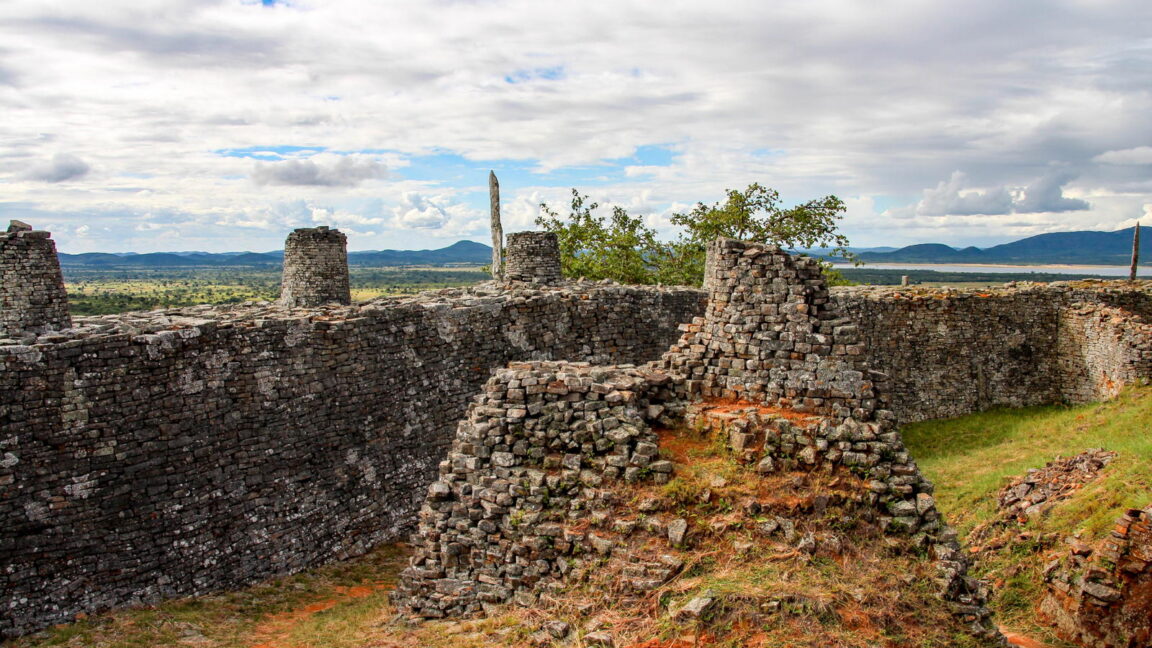
In the hinterlands of Great Zimbabwe, which flourished as a capital of a massive kingdom between 1000 and 1700 AD, archaeologists have discovered the remains of massive iron-smelting furnaces. These structures, some nearly an arm span in width, utilized a natural-draft technology that allowed for temperatures exceeding 2,100° Fahrenheit. By relying on chimney-like air circulation rather than human-powered bellows, these smelters achieved a level of efficiency that allowed for large-scale production of hoes, axes, and arrowheads.
Archaeometallurgist Ezekiel Mtetwa of the Field Museum of Natural History notes that the sheer scale of these furnace sites suggests a highly organized, professionalized labor force. Furthermore, evidence suggests these early metallurgists were not just technically skilled but chemically astute; the addition of bone fragments to the smelting process, while often associated with ritual, provided a calcium-based flux that helped separate iron from impurities. This integration of technological necessity and cultural practice highlights the ingenuity of Bantu societies.
Integration and Conflict: The Human Cost and Cooperation
The expansion was not a vacuum-sealed event. As Bantu farmers occupied the landscape, they inevitably came into contact with indigenous hunter-gatherers, such as the ancestors of the Khoisan in the south and various rainforest hunter-gatherer groups in the center.
Genetic data shows that this was not merely a story of displacement. In many instances, there was significant intermixing. For example, some southern African Bantu groups share roughly 12.5% of their DNA with Khoisan populations. Interestingly, the pattern of inheritance—where mitochondrial DNA (inherited from mothers) is heavily Khoisan while Y-chromosomes (inherited from fathers) are heavily Bantu—points to a complex social history. Researchers suspect this may reflect power dynamics where Bantu-speaking men married Khoisan women, potentially through trade or conflict-related scenarios.
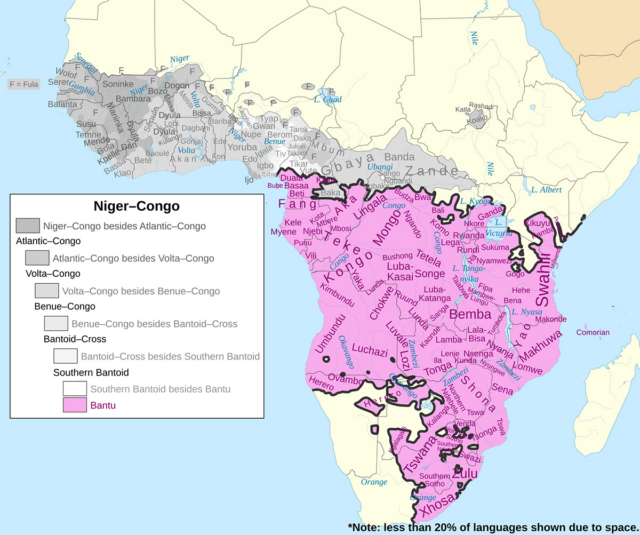
This mixing extended to the linguistic realm. The distinct "click" sounds found in Southern African languages like Xhosa and Zulu are not original to the Bantu language family; they were adopted through long-term interaction with the Khoisan people. Today, these clicks serve as a living linguistic record of the profound social integration that occurred during the migration.
Broader Economic and Global Impacts
By the second millennium AD, the Bantu-speaking civilizations had become key players in international trade. The sophisticated state structures of the region, such as those governing Great Zimbabwe, managed vast networks that extended across the Indian Ocean. Excavations at these sites have unearthed Chinese porcelain and glass beads, clear evidence that these inland kingdoms were linked to global commerce.
In return, the Bantu-speaking kingdoms exported gold, ivory, and, crucially, high-quality iron. Historical records from 12th-century Muslim cartographers praise the quality of African iron, suggesting it was superior to that produced in other parts of the world, including India. This economic success was the direct result of a sedentary, agricultural society that had the time and resources to develop specialized industries.
Implications for Modern Research and Funding
Despite the progress made in understanding the Bantu expansion, researchers face significant hurdles. Much of the early linguistic and archaeological work was limited by the lack of comprehensive documentation of the 500-plus distinct Bantu languages. Furthermore, the reliance on European funding for research within African countries has often restricted the scale and scope of local archaeological efforts.

"Without more funding, you are not generating fresh ideas; you are not formulating new hypotheses and testing them using some of the cutting-edge science," notes archaeological scientist Shadreck Chirikure of the University of Oxford. The scientific community is now calling for increased investment in African-led research, particularly in the recovery of ancient DNA. Such data could provide the definitive answers to the "spread over spread" events that characterize the migration, helping to reveal the identities of the people who inhabited these regions at specific, granular moments in time.
A Legacy of Diversity
The Bantu migration remains one of the most transformative events in human history. It fundamentally reshaped the demography, technology, and culture of the African continent. Today, approximately 350 million people speak a Bantu-derived language, and the influence of this expansion is embedded in the genetics of millions more, including the African diaspora in the Americas.
As researchers continue to synthesize the disparate threads of linguistics, genetics, and archaeology, they are not just reconstructing the past; they are providing a deeper understanding of the origins of modern African identity. The resulting tapestry—a unique blend of agriculture, metallurgy, and social exchange—continues to define the cultural vibrancy of sub-Saharan Africa. The ongoing study of this migration serves as a testament to the resilience and innovative spirit of the peoples who, through their movement and adaptation, created one of the most culturally diverse and historically rich regions on Earth.