Deadly Flash Flood in the Grand Canyon Highlights Growing Risks of Compound Climate Extremes

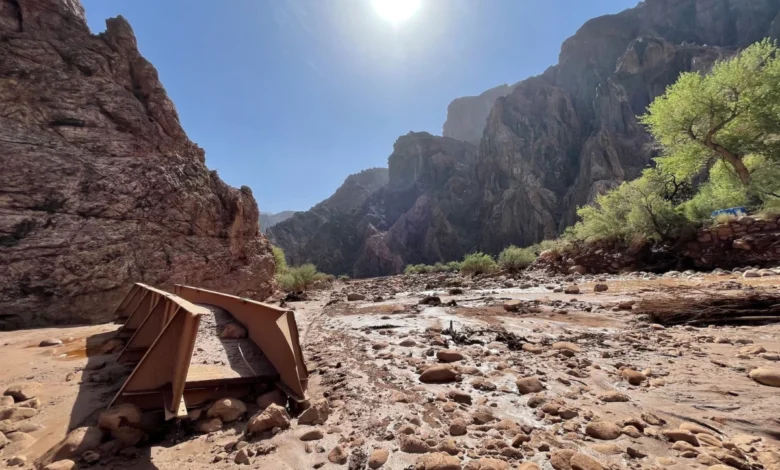
A catastrophic flash flood tore through the Bright Angel Creek area of the Grand Canyon this past weekend, serving as a harrowing demonstration of how climate-driven environmental shifts are converging to create unprecedented risks for the American Southwest. The deluge, which transformed the tranquil canyon floor into a violent conduit of mud and debris, has resulted in at least two confirmed fatalities, necessitated the emergency evacuation of nearly 80 tourists, and left one individual still missing as search-and-rescue operations continue in the treacherous terrain.
The event, which unfolded on Saturday, August 29, 2026, occurred when a localized, intense thunderstorm dumped an extraordinary volume of water onto the arid landscape. The steep, rocky topography of the Grand Canyon—a crown jewel of the National Park Service—acts as a natural funnel, rapidly accelerating runoff and turning small trickles into lethal walls of water in mere minutes. This particular incident, however, was exacerbated by a dangerous synthesis of historical environmental damage and modern atmospheric patterns, a phenomenon experts increasingly classify as "compound extremes."
Chronology of the Disaster
The storm began to gather intensity late Saturday morning, rapidly saturating the parched soils above the Bright Angel Creek drainage. By midday, witnesses reported a chilling transformation of the creek’s character. Hikers who were eventually airlifted to safety by National Park Service (NPS) helicopters described the water as "turning black"—a sign that the surge was carrying an immense load of sediment, uprooted vegetation, and boulders.
By mid-afternoon, the flooding had breached established trails and destroyed critical infrastructure, including pedestrian bridges that serve as vital links for visitors traversing the inner canyon. As the water level rose, park rangers initiated emergency protocols, navigating hazardous conditions to locate hikers and campers trapped by the sudden rise of the creek. Search-and-rescue teams, supported by aviation assets, worked through the night, but the sheer volume of debris and the instability of the canyon walls hampered their efforts to locate the missing individual. As of Monday, the search remained ongoing, with officials warning that the canyon floor remains a high-risk zone for secondary rockfalls and unstable ground.
The Role of Burn Scars and Landscape Stability
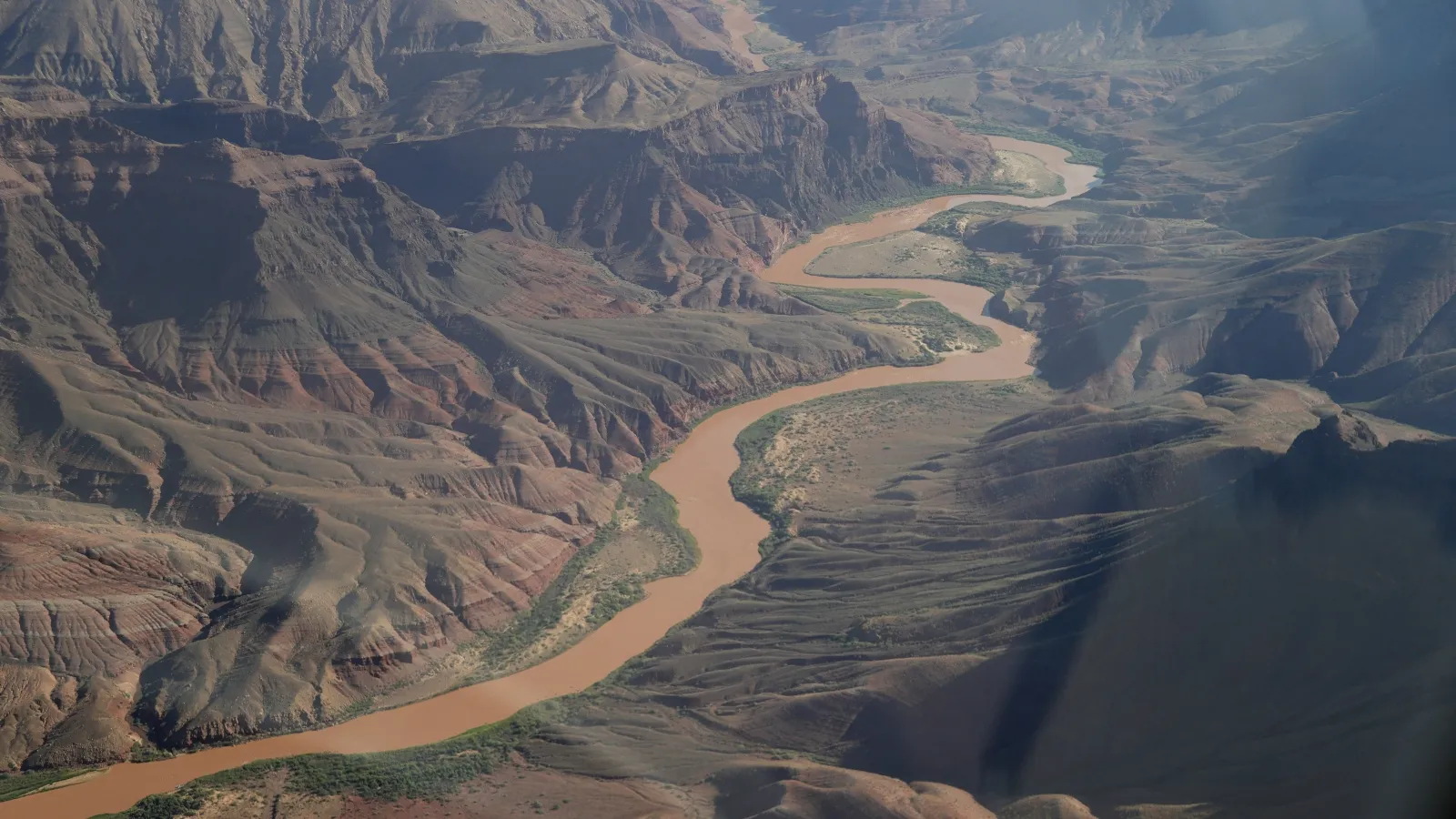
While flash floods are an inherent risk of the Grand Canyon’s monsoon season, which spans from June through September, scientists point to the lingering impact of the 2025 Dragon Bravo wildfire as a primary driver of this disaster’s severity. The blaze, which scorched nearly 150,000 acres and destroyed the historic Grand Canyon Lodge, fundamentally altered the hydrology of the region.
When a wildfire incinerates vegetation, it leaves behind "burn scars"—landscapes where the soil has become hydrophobic, or water-repellent. Without trees and shrubs to slow the flow of water and stabilize the earth, rainfall runs off at a significantly higher velocity. Federal assessments conducted following the 2025 fire warned of these specific dangers. Reports from the Department of the Interior indicated that runoff risks in the Bright Angel Creek area were estimated to be between two and eight times higher than in undisturbed terrain.
"Hikers on the trails within or downslope from the burned area will experience frequent stabilization issues, especially hazardous rockfall for at least the first year," the interagency team had warned in a post-fire stabilization report. The tragic reality of this weekend’s flood suggests that those risks have persisted well into the second year following the fire, as the landscape continues to struggle with natural regeneration.
Atmospheric Forcing: The El Niño Connection
The intensity of the storm itself was likely amplified by a historic El Niño event currently influencing global weather patterns. El Niño, characterized by abnormally high sea surface temperatures in the Pacific Ocean, alters the distribution of moisture in the atmosphere. For the Southwest, this translates to a higher capacity for the atmosphere to hold and release water vapor.
Hydroclimatologists, including Park Williams of the University of California, Los Angeles, have noted that when these moisture-rich systems interact with the rugged topography of the Grand Canyon, the resulting precipitation is often more violent than historical averages would suggest. This El Niño is projected to be among the strongest on record, layering its effects upon a background of rising global temperatures.
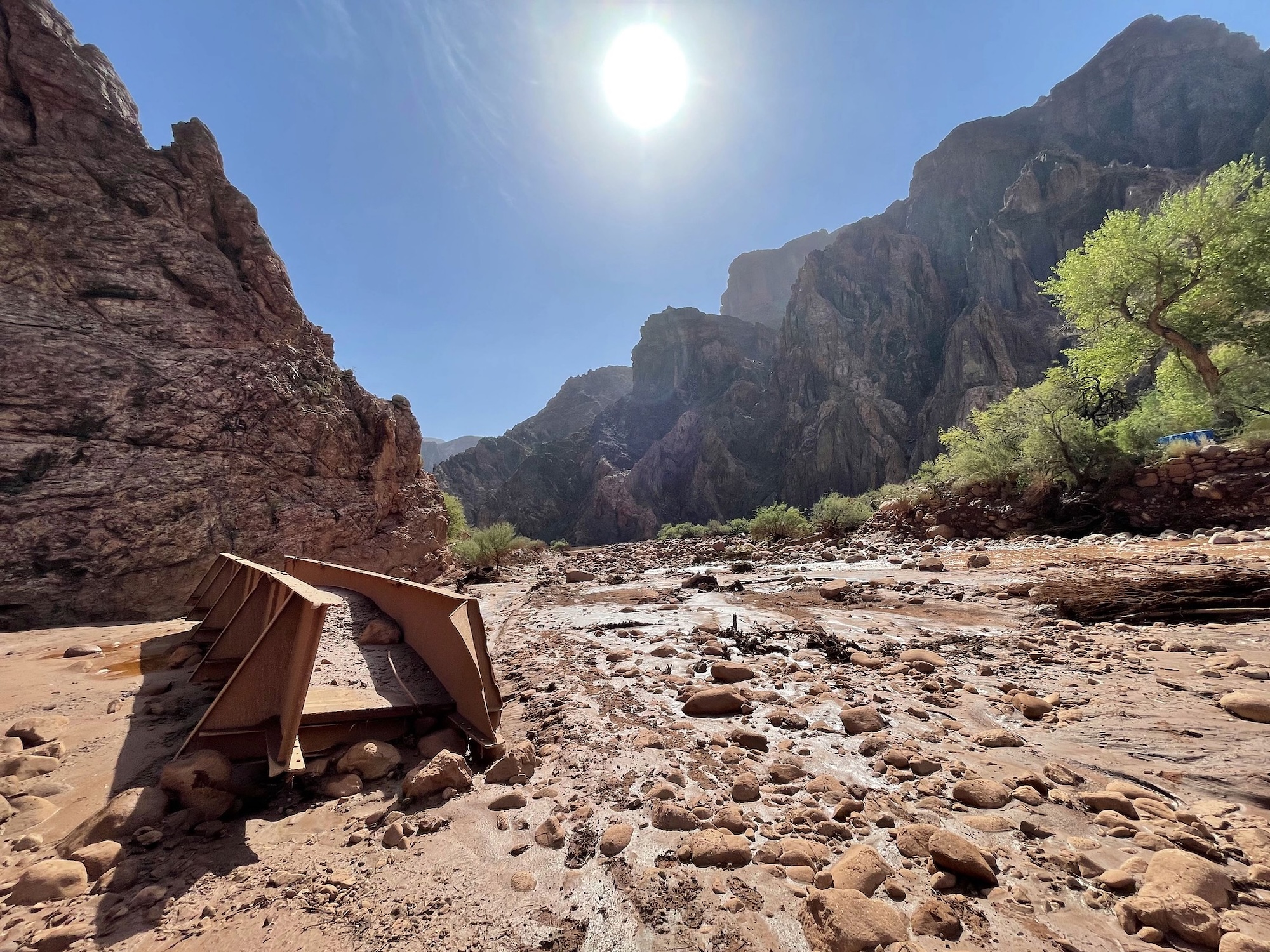
According to data analyzed by climate scientists, the convergence of this natural oscillation with human-caused climate change creates a "new normal" where extreme weather events are not only more frequent but also more intense. Recent research published in the journal Weather and Climate Extremes underscores this trend, noting that short-term, high-intensity downpours in the American West have intensified by approximately 10 percent since the turn of the millennium.
Official Responses and Public Safety Implications
In the immediate aftermath, National Park Service officials have prioritized the safety of remaining visitors and the preservation of cultural resources. The park has implemented widespread closures in the vicinity of the flood, and a comprehensive assessment of infrastructure damage is underway.
"The safety of our visitors and staff is our absolute priority," an NPS spokesperson stated. "We are working closely with search-and-rescue experts to manage the ongoing situation, but we must also acknowledge the inherent instability of the terrain in the wake of such a significant event."
The disaster has triggered a broader conversation among park management and environmental planners regarding the necessity of updating safety protocols for a changing climate. As extreme weather events become more common, the traditional "monsoon season" warning systems may no longer be sufficient. There is increasing pressure to integrate real-time, hyper-local climate modeling into park alert systems to provide hikers with more granular, early-warning data.
Broader Implications: A Changing Landscape
The tragedy at the Grand Canyon serves as a sobering case study for land managers across the United States. The concept of "compound extremes"—where a drought-hardened landscape, a legacy burn scar, and an atmosphere supercharged by El Niño coincide—is becoming a recurring theme in natural disaster reporting.
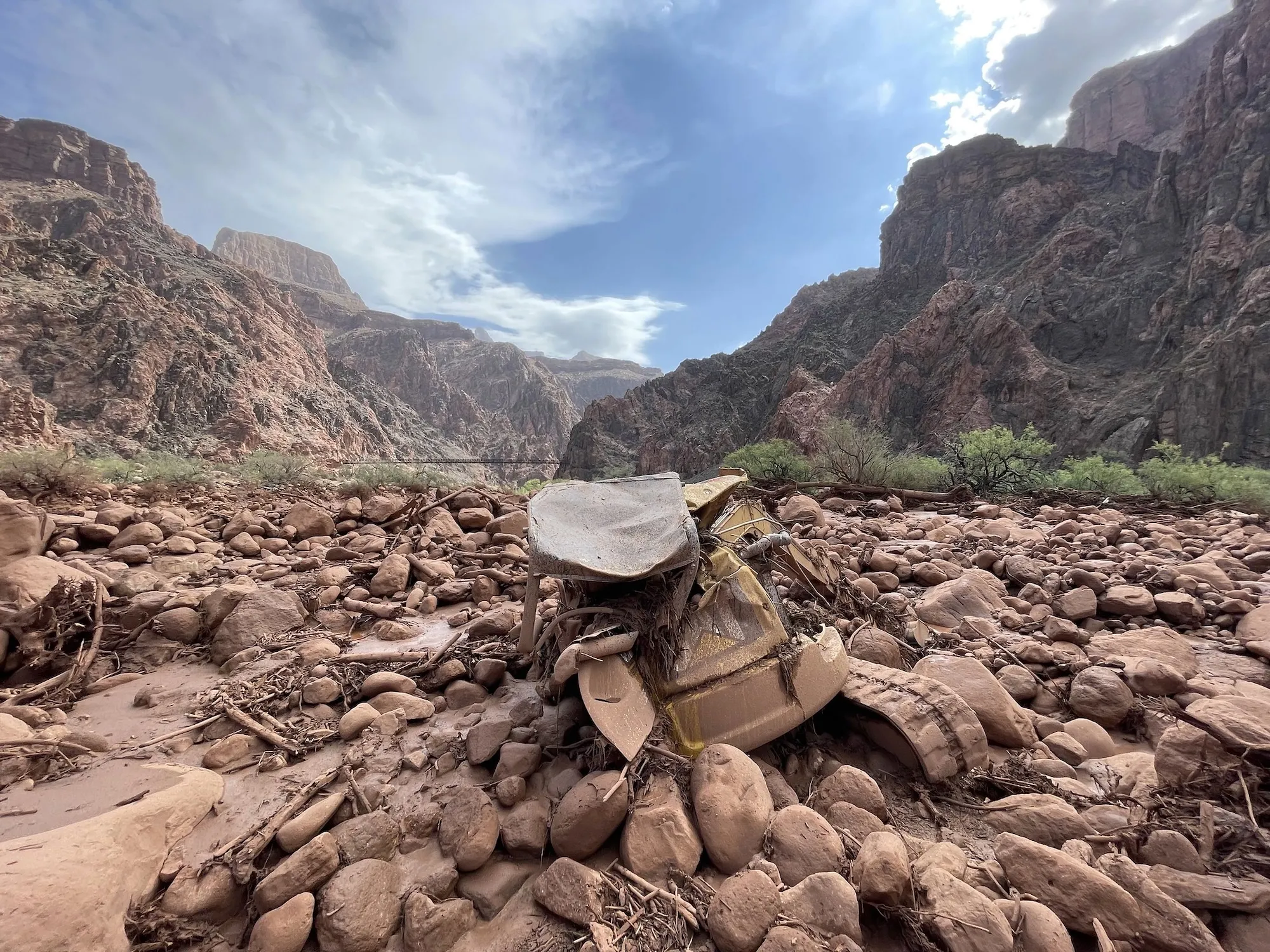
The drought that has gripped the Colorado River basin for years has left the canyon’s soil dry and brittle. When this is hit by the sudden, concentrated rainfall of a modern monsoon storm, the land is unable to absorb the water, leading to the devastating surface runoff witnessed this weekend. This cycle of "wet-dry" whiplash is straining the nation’s ability to manage its most protected natural sites.
As the recovery efforts continue, the focus will inevitably shift toward how to better protect the millions of people who visit the national park system each year. For now, the Grand Canyon remains a stark reminder of the power of nature and the increasing difficulty of predicting, or mitigating, the impacts of a warming planet. The loss of life and the destruction of historic paths highlight that even the most iconic landmarks are not immune to the cascading effects of a global climate in transition.
Looking forward, the scientific community emphasizes the need for continued investment in environmental monitoring and infrastructure resilience. Without a better understanding of how fire-scarred landscapes respond to increasingly intense rainfall, the risks to human life and the preservation of the canyon’s delicate ecological and cultural assets will continue to grow. For the families of those lost and the survivors of the ordeal, the events of this past weekend will remain a defining moment in the history of the park, forcing a necessary, if painful, evaluation of how humanity interacts with one of the world’s most beautiful and, at times, volatile landscapes.