Notepad Plugins For Coders

Notepad++ Plugins for Coders: Supercharge Your Workflow and Productivity
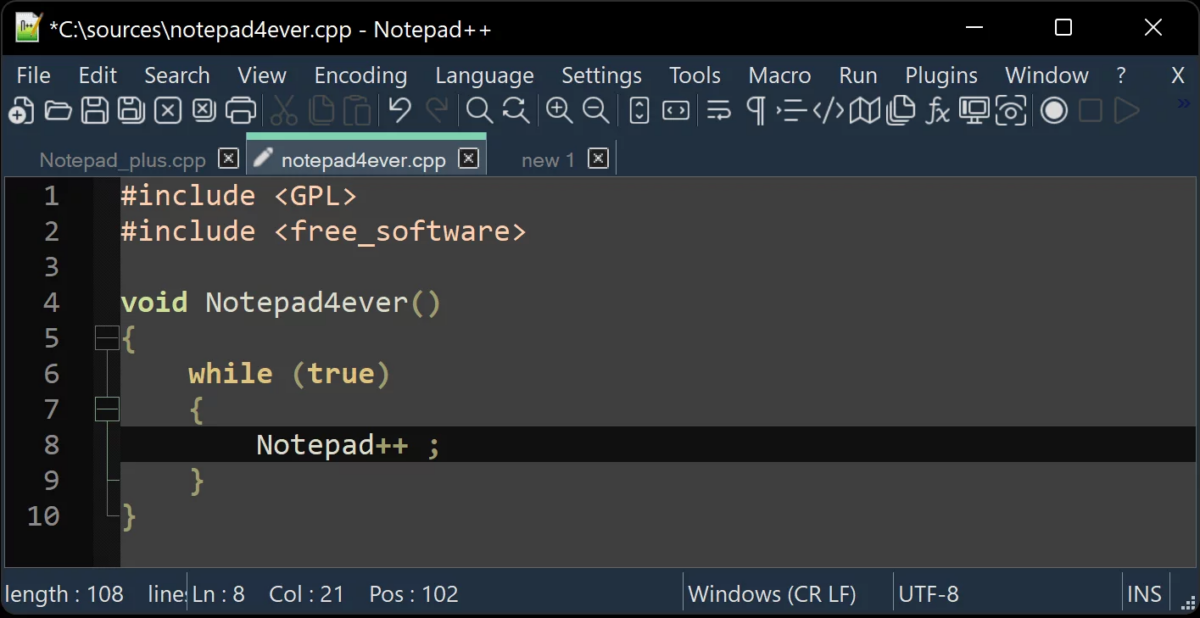
Notepad++ is a powerful and versatile free source code editor for Windows, beloved by developers for its speed, customizability, and extensive feature set. While its core functionality is impressive, the true magic of Notepad++ lies in its vast ecosystem of plugins, which can dramatically enhance productivity, streamline workflows, and add specialized capabilities for virtually any coding task. This comprehensive guide explores essential Notepad++ plugins for coders, categorizing them by their primary function and detailing their benefits for various development needs.
Enhancing Code Editing and Navigation
Efficient code editing and navigation are paramount for any developer. These plugins focus on making the process of writing, understanding, and moving through code smoother and faster.
1. AutoSave: A seemingly simple plugin, AutoSave can be a lifesaver. It automatically saves your open documents at configurable intervals, preventing data loss due to unexpected application crashes or system shutdowns. This is especially critical for long coding sessions or when working on vital projects. Its configuration options typically allow users to set the save frequency (e.g., every 30 seconds, 1 minute) and decide whether to save only modified files or all open files. The peace of mind provided by AutoSave significantly reduces stress and the potential for wasted work.
2. TagLEaper: This plugin is a godsend for anyone working with structured markup languages like HTML, XML, or even programming languages with similar bracket structures. TagLEaper allows you to easily navigate between opening and closing tags or brackets. With a simple shortcut (often Ctrl + ^), you can jump from an opening tag to its corresponding closing tag, and vice-versa. This is invaluable for ensuring well-formed code and quickly understanding nested structures, reducing the chances of syntax errors caused by misplaced tags. It also offers functionalities to select the entire content between a pair of tags or to jump to the parent tag.
3. Function List: For larger codebases, keeping track of functions, classes, and variables can become challenging. The Function List plugin provides a docked panel that dynamically lists all recognized functions, classes, and other structural elements within your current file. Clicking on an item in the Function List panel instantly navigates your cursor to its definition within the code. This significantly speeds up code exploration and makes it effortless to jump between different parts of your script, enhancing comprehension and debugging. Its intelligence extends to recognizing elements across various programming languages, making it a universal tool.
4. Compare: Version control is crucial, but sometimes you need to compare two versions of a file side-by-side directly within your editor. The Compare plugin does exactly that. It highlights the differences between two selected files line by line, making it easy to spot modifications, track changes, and merge code. This is incredibly useful for reviewing pull requests, debugging regressions, or simply understanding the evolution of your code. The visual representation of differences, often with color-coding, simplifies the identification of added, deleted, and modified lines.
5. Multi-Clipboard: While Notepad++ has a built-in clipboard history (accessible via Ctrl + Shift + V), the Multi-Clipboard plugin offers a more robust and configurable solution. It allows you to store an extended history of copied items, organize them into categories, and paste them with greater control. This can be a significant time-saver for developers who frequently copy and paste snippets of code, commands, or configuration settings. The ability to search through the clipboard history and selectively paste items further enhances its utility.
Streamlining Code Writing and Development
These plugins focus on automating repetitive tasks, providing intelligent suggestions, and integrating with development tools to make writing code more efficient.
6. Emmet: For front-end developers working with HTML and CSS, Emmet is an absolute game-changer. It’s a powerful abbreviation engine that allows you to write HTML and CSS much faster by using short, CSS-like abbreviations. For example, typing ul>li*5>a and pressing Tab can expand into a complete unordered list with five list items, each containing an anchor tag. Emmet significantly reduces typing and boilerplate code, allowing developers to focus on structure and logic. Its extensive set of abbreviations and powerful features make it indispensable for web development.
7. NppExec: This plugin is a powerful scripting and command-line execution tool integrated directly into Notepad++. It allows you to run external programs, scripts, and compiler commands directly from within Notepad++. You can define custom commands, create build scripts, and even automate complex workflows. For example, you can configure NppExec to compile your C++ code, run a Python script, or execute a series of shell commands with a single click or keyboard shortcut. This eliminates the need to constantly switch between your editor and the command prompt, boosting productivity.
8. Quick Text: Similar to Emmet but more general-purpose, Quick Text allows you to define custom text snippets or templates that can be inserted into your code with a hotkey or keyword. This is fantastic for recurring code patterns, common function signatures, or even frequently used comments. You can create a library of snippets for different programming languages, significantly reducing typing and ensuring consistency. The ability to use placeholders and variables within snippets further enhances their power, allowing for dynamic text generation.
9. XML Tools: For developers working with XML and related technologies like XSLT, the XML Tools plugin is invaluable. It provides a suite of features for validating XML against DTD or XSD schemas, formatting and reformatting XML documents to improve readability, and transforming XML using XSLT. The automatic formatting is particularly helpful for untangling complex or poorly formatted XML files. Validation capabilities ensure the integrity and correctness of your XML data, catching errors early in the development cycle.
10. JSON Viewer: Handling JSON data is a common task for web developers and API consumers. The JSON Viewer plugin provides a user-friendly interface for pretty-printing and navigating JSON files. It indents the JSON data, making it much easier to read and understand the hierarchical structure. You can also collapse and expand nodes, search for specific keys or values, and even perform basic data validation. This plugin transforms raw, unreadable JSON strings into a structured and digestible format.
Code Quality, Analysis, and Formatting
Maintaining clean, consistent, and error-free code is crucial for long-term project health. These plugins aid in code analysis, styling, and bug detection.
11. Installer (Plugin Manager): While not a direct coding plugin, the Installer (often referred to as Plugin Manager) is the gateway to all other Notepad++ plugins. It allows you to easily browse, install, update, and uninstall plugins directly from within Notepad++. This centralized management system simplifies the process of discovering and acquiring new tools, ensuring you always have access to the latest and most useful plugins. Its user-friendly interface and search capabilities make finding the right plugin straightforward.
12. Beautify / Indent by XML / Pretty print: These plugins focus on code formatting and indentation, crucial for code readability and maintainability. Depending on the specific plugin and your programming language, they can automatically reformat your code to adhere to a consistent style guide. This includes proper indentation, spacing, and line breaks. For languages like JavaScript, Python, or even configuration files, consistent formatting makes code easier to read, understand, and debug for both individuals and teams. The ability to configure formatting rules further enhances their adaptability.
13. Linter Plugins (e.g., for Python, JavaScript, PHP): Many programming languages have linters that analyze code for stylistic errors, potential bugs, and suspicious constructs. Notepad++ supports various linter plugins that integrate these analysis tools directly into your editor. For instance, a Python linter might flag unused variables, potential NameErrors, or adherence to PEP 8 style guidelines. These plugins provide real-time feedback as you type, allowing you to correct issues immediately, leading to cleaner, more robust code and reducing the time spent on debugging later.
14. Spell Checker: While seemingly basic, a spell checker can prevent embarrassing typos in comments, string literals, and even variable names. Many Notepad++ spell checker plugins support multiple languages and can be configured to ignore specific words or patterns (like code keywords). This helps maintain professionalism and clarity in your code documentation and user-facing strings.
Specialized Development Needs
Beyond general coding enhancements, specific plugins cater to specialized development environments and languages.
15. Language-Specific Syntax Highlighting and Autocompletion Plugins: Notepad++ has excellent built-in support for many popular languages, but dedicated plugins can significantly enhance this. For languages like SQL, PowerShell, or less common scripting languages, dedicated plugins offer more accurate and comprehensive syntax highlighting, intelligent autocompletion, and often, specific code snippets. This improves the readability of code in these specialized languages and speeds up the writing process.
16. Git Integration Plugins: While not as feature-rich as dedicated Git clients, some Notepad++ plugins offer basic Git integration. These might allow you to stage, commit, and push changes directly from within the editor, or view the Git history of a file. This can be convenient for quick Git operations without leaving your coding environment, especially for smaller projects or less complex Git workflows.
17. FTP/SFTP Plugins: For developers who frequently deploy code to remote servers, FTP/SFTP plugins enable direct file transfer and editing between Notepad++ and your web server. This allows you to edit files on the server as if they were local, with changes being automatically uploaded upon saving. This streamlines the deployment and testing workflow significantly, especially for web development.
Conclusion
The power of Notepad++ is amplified exponentially by its plugin ecosystem. By strategically selecting and installing plugins that align with your specific coding languages and development workflows, you can transform Notepad++ into a highly customized and incredibly efficient coding environment. From automating repetitive tasks and enhancing code navigation to improving code quality and integrating with external tools, these plugins are essential for any serious coder looking to maximize their productivity and minimize their frustration. Regularly exploring the plugin manager and experimenting with new tools is key to continuously optimizing your Notepad++ experience. The investment of time in understanding and integrating these plugins will undoubtedly yield significant returns in speed, accuracy, and overall development satisfaction.