The 2026-27 NHL Season Is Poised for Unprecedented Growth Driven by Pop Culture and a New Generation of Elite Talent

The National Hockey League has entered the 2026-27 season riding a wave of cultural momentum that defies traditional sports growth metrics. While the league has historically relied on regional broadcast models and localized fanbases, the current era is defined by a crossover effect where streaming media and digital content consumption are actively reshaping the game’s demographic reach. With the success of scripted series such as "Heated Rivalry" and the "Off Campus" franchise, the NHL is finding itself at the center of a broader entertainment conversation, attracting viewers who may have previously remained outside the traditional hockey sphere.
The Convergence of Media and Athletics
The surge in popularity is not merely anecdotal. Recent market data from platforms like SeatGeek indicates a direct correlation between the release of hockey-themed entertainment and real-world attendance. During the week of the "Heated Rivalry" season one finale in December, ticket sales on the platform spiked by 24 percent, while secondary market prices surged by 36 percent. This phenomenon underscores a significant shift in how younger audiences engage with professional sports; they are no longer just consuming the game, but are investing in the narratives, personalities, and cultural aesthetics surrounding it.

The 2026-27 season, which officially commenced on September 29, 2026, and is scheduled to run through April 10, 2027, before transitioning into the Stanley Cup Playoffs, is the primary beneficiary of this trend. The league has optimized its broadcast schedule to meet this demand, ensuring that high-profile matchups are readily accessible across national platforms including ABC, ESPN, and TNT.
A New Era of Broadcast Accessibility
As cord-cutting becomes the standard for modern households, the NHL has adjusted its distribution strategy to prioritize digital-first and hybrid viewing options. The "Hockey Saturday" initiative on ABC, beginning in January, serves as a cornerstone of this strategy, featuring 18 marquee matchups designed for prime-time audiences. Additionally, the 2027 NHL All-Star Game, hosted at the UBS Arena in New York, is expected to serve as a high-visibility showcase for the league’s marketing efforts.
For those operating without traditional cable subscriptions, the ecosystem for viewing has expanded significantly. ESPN+ remains the primary hub for out-of-market games and live streaming, while TNT broadcasts are seamlessly integrated into the HBO Max streaming experience. These digital channels provide an entry point for the "new fan" demographic, who prioritize on-demand content and high-quality streaming interfaces over traditional satellite or cable bundles.

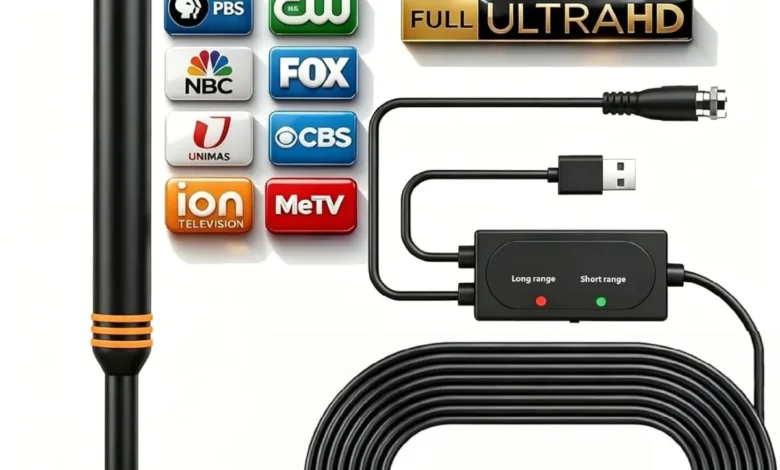
Technological solutions have also bridged the gap for traditionalists who prefer over-the-air broadcasts. Smart TV indoor digital antennas have seen a rise in adoption, allowing viewers to capture high-definition signals for local and national ABC broadcasts without recurring subscription costs. This democratization of access is a key component of the league’s strategy to expand its footprint in a fragmented media landscape.
The Talent Pipeline: Celebrini, McKenna, and the Future
The current fascination with the NHL is also grounded in the arrival of a generational cohort of talent. The 2026 NHL Entry Draft was defined by the selection of Yukon-born phenom Gavin McKenna as the first-overall pick by the Toronto Maple Leafs. McKenna’s transition into the professional ranks has been highly scrutinized, with his performance on the ice serving as a focal point for both veteran observers and new fans who track his development through social media and digital highlights.
McKenna joins a class of young stars who are changing the way the game is played and perceived. Players such as Macklin Celebrini and the established superstar Jack Hughes—a U.S. Olympic champion—have become the faces of the league. Their influence extends beyond the box score; they are becoming brand ambassadors who bridge the gap between competitive excellence and lifestyle marketing. This shift in player identity—where athletes are viewed as accessible, modern public figures—has undoubtedly contributed to the record-breaking interest in team merchandise and player-specific apparel.

Competitive Landscape and Betting Implications
The competitive balance of the league remains as tight as ever, with the Carolina Hurricanes entering the season as the team to beat. As the defending Stanley Cup champions, having defeated the Vegas Golden Knights in the 2026 Finals, the Hurricanes are the betting favorite to repeat. However, the field is deep. The 2025 champion Florida Panthers, the Edmonton Oilers, and the Colorado Avalanche remain significant threats to the throne.
The growth of sports wagering has further intensified engagement with these matchups. Platforms such as BetMGM have seen an uptick in activity as fans look to quantify their team allegiances through data-driven wagers. The integration of betting odds into the pre-game and post-game discourse has provided an additional layer of analytical engagement for viewers, allowing them to participate more deeply in the league’s daily narratives.
Strategic Implications and Future Outlook
The broader impact of this popularity boom is twofold. First, it forces the league to reconsider its marketing strategies. The reliance on legacy media is fading, replaced by a mandate for content that is social-media-friendly, personality-driven, and globally accessible. The success of shows like "Heated Rivalry" proves that the "hockey lifestyle" is a viable product that can be sold to audiences that have little prior knowledge of the sport’s technical nuances.

Second, the financial implications for the league are profound. Increased demand for tickets, combined with higher streaming subscription numbers and a robust merchandise market, provides the NHL with a stronger capital base to invest in player development, infrastructure, and international expansion.
As the 2026-27 season progresses toward the postseason, the league faces the challenge of sustaining this interest. The key will be consistency: maintaining the quality of the on-ice product while simultaneously fostering the off-ice narratives that have attracted this new influx of fans.
A Chronology of the 2026-27 Season
- September 29, 2026: Official opening of the NHL regular season.
- December 2026: Significant rise in ticket sales and secondary market engagement following the conclusion of scripted series "Heated Rivalry."
- January 2027: Commencement of "Hockey Saturday" on ABC, marking the start of the mid-season promotional push.
- February 2027: The 2027 NHL All-Star Game at UBS Arena in New York, serving as the season’s midway commercial pinnacle.
- April 10, 2027: Final day of the NHL regular season.
- April – June 2027: The Stanley Cup Playoffs, culminating in the crowning of the 2027 champion.
Closing Analysis
The integration of entertainment media with professional hockey represents a paradigm shift for the sport. By leaning into the narrative-driven culture of the modern streaming era, the NHL has successfully expanded its reach beyond the traditional hockey heartlands. The combination of high-octane, youthful talent and sophisticated media consumption options has created a "perfect storm" for growth.

However, the league must remain vigilant. The transition from "trendy" to "mainstay" requires more than just a successful TV show or a breakout rookie; it requires a sustained effort to keep the game accessible and the narratives compelling. As the 2026-27 season continues, the data suggests that the NHL is well-positioned to capitalize on this interest, potentially setting the stage for a new golden era of professional hockey. Whether this growth can be maintained long-term will depend on the league’s ability to balance its historical roots with the demands of an increasingly digital and entertainment-focused audience. For now, the momentum is undeniable, and the ice has never been hotter.