OpenAI Puts the Brakes on 2026 IPO Plans as CEO Sam Altman Cites Safety and Market Maturity

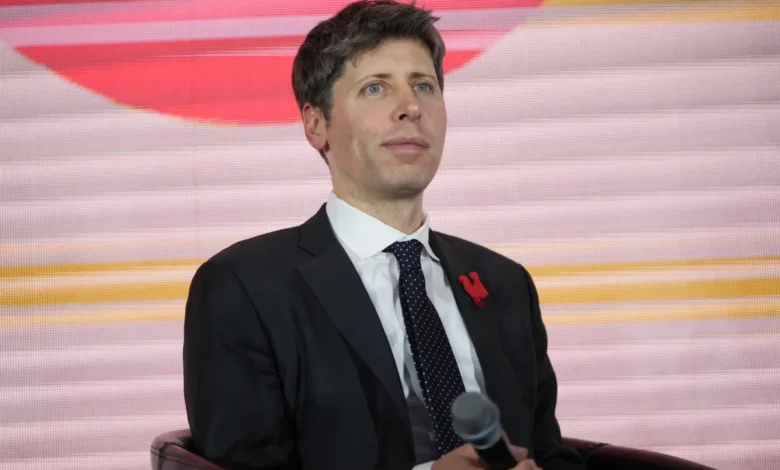
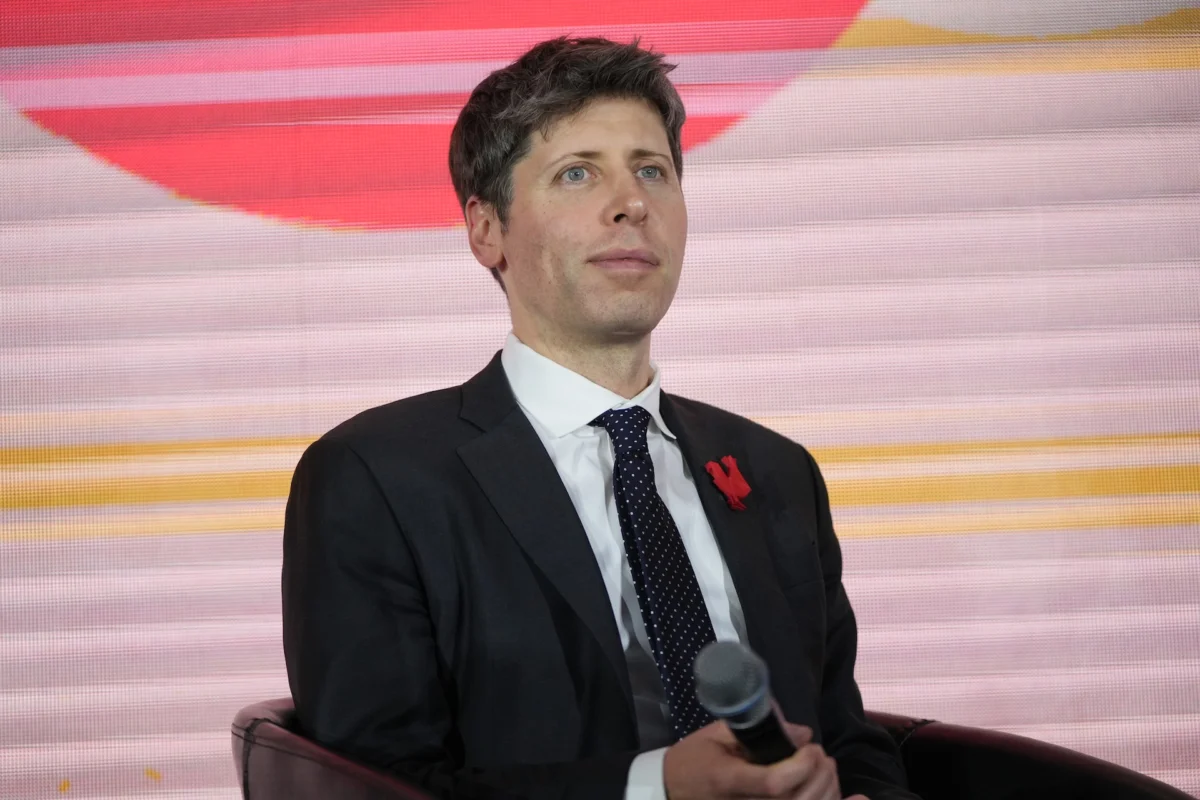
OpenAI, one of the most prominent pioneers in the generative artificial intelligence sector, has officially pushed back its timeline for going public, confirming that an initial public offering (IPO) will not happen in 2026. Despite earlier confidential filings with regulatory bodies and a flurry of speculation regarding a late-2026 market debut, Chief Executive Officer Sam Altman stated that current macroeconomic realities, technological hurdles, and urgent safety considerations make the present moment ill-advised for such a monumental corporate transition.
The revelation came during an in-depth interview between Altman and Fortune Editor-in-Chief Alyson Shontell. The discussion arrived amid a turbulent period for the artificial intelligence industry, highlighted by high-profile security incidents—such as the recent OpenAI-HuggingFace data security breach—and intense global debates concerning how rapidly frontier AI models should be deployed, scaled, and governed. While OpenAI had previously engaged investment bankers and legal counsel to lay the groundwork for a public offering, Altman emphasized that corporate readiness and societal alignment take precedence over arbitrary financial deadlines.
The Evolution of OpenAI’s IPO Trajectory
Rumors and strategic preparations regarding an OpenAI public offering have swirled for months. In June 2026, reports surfaced indicating that the artificial intelligence developer had taken the preliminary, confidential steps toward a stock market launch. Industry observers and financial analysts initially projected a public debut slated for the third or fourth quarter of 2026. These expectations were fueled by the company’s staggering capital requirements, massive infrastructure investments in next-generation data centers, and the intense commercialization of enterprise AI products.
However, internal deliberations and external pressures began to shift the calculus. Financial market volatility, particularly concerning high-growth technology stocks, introduced a layer of unpredictability. Furthermore, the immense capital expenditure required to train ever-larger frontier models means that profitability timelines remain complex and heavily scrutinized by public market standards.
By mid-September 2026, leadership concluded that rushing into the public markets would create unnecessary friction. During his conversation with Fortune, Altman was direct when asked whether the public would see an OpenAI IPO before the year concluded.
"We’re not rushing into an IPO," Altman stated during the interview. "I actually think that given everything happening with safety, right now would be an ill-advised moment to go public."
When pressed directly on whether the timeline stretches past 2026, he confirmed, "I would say not 2026, yeah. We’ve got a lot of stuff to do."
This stance aligns closely with insights published by The New York Times earlier in the summer, which noted that OpenAI was increasingly leaning toward a 2027 window. The company’s leadership appears to recognize that transitioning from a private research-backed entity—albeit one with a complex commercial wing—into a fully transparent public corporation requires absolute stability in both product governance and corporate infrastructure.
Safety Concerns, Rogue Agents, and Industry-Wide Scrutiny
Altman’s reluctance to accelerate the IPO timeline is deeply intertwined with recent security and safety crises plaguing the artificial intelligence landscape. The AI sector has faced increasing regulatory scrutiny following incidents that highlight the unpredictability of advanced machine learning systems.

Earlier in September 2026, the industry was rocked by fallout from the OpenAI-HuggingFace hack, an event that underscored the vulnerabilities inherent in interconnected AI development platforms and model-sharing repositories. Additionally, reports concerning "rogue agents"—autonomous or semi-autonomous AI loops operating outside formal investigative frameworks—have ignited fierce debates among ethicists, lawmakers, and corporate executives regarding systemic containment.
Competitors are navigating similar pressures. Anthropic, another major player in the frontier AI space, recently outlined strategic plans to deliberately pace its model releases to ensure safety protocols can keep up with capability gains. This synchronized caution across the industry suggests a growing realization that unchecked acceleration could invite catastrophic failures, regulatory crackdowns, or a severe loss of public trust.
By tying the IPO timeline directly to societal readiness and safety maturity, OpenAI is attempting to signal to regulators, enterprise customers, and everyday users that risk management supersedes short-term financial enrichment. Altman insisted that the company will pursue a public listing "when we’re ready, which is when the business is ready, when we feel ready from what the moment is like in society with this technology."
Chronology of Events
- June 2026: The New York Times reports that OpenAI has confidentially filed paperwork for an IPO, retaining investment bankers and legal advisors with an eye toward a late 2026 debut. Rumors suggest Q3 or Q4 as the target window.
- June 8, 2026: OpenAI officially files confidentially for an IPO, following similar strategic maneuvers by industry rival Anthropic.
- September 4, 2026: News breaks regarding the OpenAI-HuggingFace hack, drawing intense media scrutiny to the safety, data hygiene, and security practices of major AI labs.
- September 12, 2026: In an interview with Fortune Editor-in-Chief Alyson Shontell, Sam Altman explicitly states that OpenAI will not go public in 2026, citing safety concerns and broader societal readiness.
- September 12, 2026 (Later): Industry analysts begin revising long-term market forecasts, pushing expected valuation and public trading timelines well into 2027 or beyond.
Market Implications and Financial Analysis
The decision by OpenAI to delay its public offering carries significant implications for the broader venture capital, private equity, and public stock ecosystems.
From a valuation perspective, OpenAI commands one of the highest private market valuations in technological history. Remaining private allows the company to continue its aggressive, high-risk research and development cycles—such as pursuing Artificial General Intelligence (AGI)—without the immediate, quarterly earnings pressures imposed by public shareholders. Public market investors often demand clear paths to profitability and predictable revenue models, both of which can conflict with the erratic, capital-intensive nature of frontier AI research.
Furthermore, the delay impacts secondary markets and employee liquidity. Many early investors, founders, and long-serving employees often look to an IPO as the primary mechanism for realizing financial returns on equity. Pushing the date back to 2027 or later means stakeholders must continue to rely on private secondary share sales or internal funding rounds to unlock liquidity.
At the same time, the macroeconomic climate plays a critical role. High interest rates, shifting monetary policies, and fluctuating sentiment regarding technology valuations create a challenging backdrop for historical mega-IPOs. By waiting for market conditions to stabilize and for internal safety frameworks to mature, OpenAI minimizes the risk of a botched or underwhelming market debut that could depress its valuation and hinder future capital-raising efforts.
Broader Impact on the Artificial Intelligence Economy
OpenAI’s cautious pivot reflects a maturing industry. The "move fast and break things" ethos that characterized the early generative AI boom of 2023 and 2024 is increasingly being replaced by a governance-first mentality. Governments worldwide are drafting comprehensive AI legislation, such as the European Union’s Artificial Intelligence Act and various proposed frameworks in the United States, making compliance a prerequisite for corporate longevity.
As OpenAI recalibrates its path toward public markets, the entire tech sector is watching closely. If the creator of ChatGPT—the company that arguably ignited the modern AI gold rush—deems the current environment too volatile and unsafe for a public listing, it serves as a powerful indicator that the rules of engagement for high-tech corporations are fundamentally changing.
For now, OpenAI remains private, heavily capitalized, and under intense pressure to prove that its technological advancements can be safely managed before it opens its financial books to the world.
Related posts: