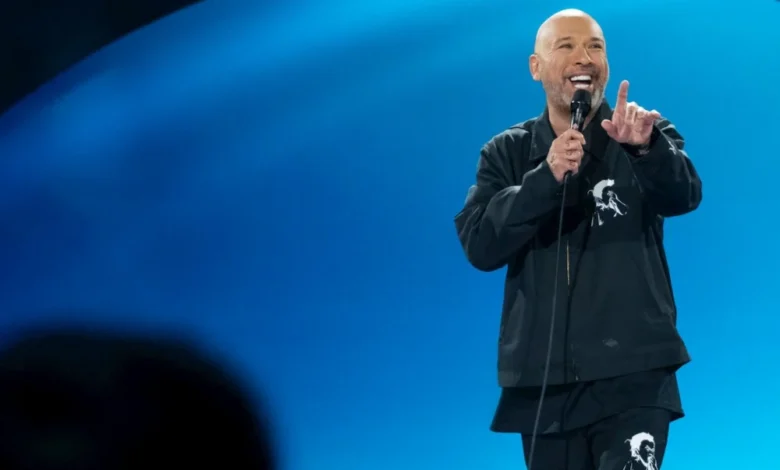
Comedian Jo Koy has solidified his position in the global comedy landscape with his latest Netflix special, Blue in the Face. Filmed in front of sold-out crowds in Stockton, California, the performance serves as both a culmination of his recent creative endeavors and a profound reflection on the historical trajectory of the Filipino-American experience. The special, which premiered on September 15, marks the final installment of a two-special contract signed with the streaming giant in 2023, following his previous work, Live From Brooklyn.
The selection of Stockton as the backdrop for this project was a deliberate, thematic choice. As a key location in the Central Valley with a rich, yet often painful, history of Filipino immigration, Stockton provided a poignant setting for Koy to explore themes of resilience and community. Historically, the city served as a primary hub for Filipino laborers in the early 20th century. However, these communities faced systemic discrimination, including the enforcement of segregationist policies that prohibited Filipinos from accessing public facilities such as restaurants and swimming pools. The destruction of the "Little Manila" neighborhood to make way for highway infrastructure in the mid-20th century further fragmented this vibrant community. By choosing to record his special in this specific locale, Koy intended to bridge the gap between that historical adversity and the contemporary reality of Filipino-American success.
A Spontaneous Pivot in Performance Strategy
Initially, the comedian arrived in Stockton with a meticulously crafted opening monologue designed to confront the city’s troubled racial history head-on. He intended to lead the audience through a narrative of struggle and past injustices. However, the atmosphere of the arena—a space filled with a diverse, standing-ovation crowd—prompted an immediate, intuitive shift in his performance.
Observing the demographic diversity of the audience—a visual representation of unity among Black, Asian, Latino, and white attendees—Koy made an on-stage decision to abandon the heavy historical preamble. Instead, he chose to focus on the current moment, viewing the sold-out venue as a testament to how far the community has progressed. This spontaneous pivot highlights the improvisational nature of modern stand-up comedy, where the rapport between the performer and the audience often dictates the direction of the material.
The Craft of the Special
Blue in the Face is the product of a rigorous editorial process. Koy, who frequently takes a hands-on approach to the post-production of his specials, condensed over four hours of live footage from two separate nights into a concise 55-minute feature. This editing strategy is designed to create a "bookended" narrative structure, focusing on a singular thematic arc: the importance of maintaining a tight-knit support system and honoring those who paved the way for personal success.
The special is currently positioned for consideration in the upcoming awards season, with a submission for the Golden Globes in the category of Best Performance in Stand-Up Comedy on Television. Additionally, the project is slated to enter the race for Outstanding Variety Special (Pre-Recorded) at the next Emmy Awards. Industry analysts note that these accolades, if achieved, would represent a significant milestone for a comedian whose career has been built largely on independent touring and direct-to-fan engagement before achieving mainstream streaming dominance.
Professional Milestones and Industry Influence
Koy’s trajectory from the club circuit to global platforms like Netflix was significantly bolstered by his relationship with industry legends. His entry into the Hollywood film landscape, specifically his collaboration on the feature film Easter Sunday, originated from a high-profile endorsement by filmmaker Steven Spielberg. After viewing one of Koy’s earlier specials, Comin’ in Hot, the legendary director initiated a meeting that resulted in a development deal with DreamWorks.

The film, which centers on the intricacies of Filipino family dynamics, faced significant release hurdles due to the COVID-19 pandemic. Despite the challenges of launching a film during a period of shifting theatrical release schedules, the project managed to secure a three-week theatrical run, competing against high-budget blockbusters. This experience served as a masterclass for Koy in the complexities of Hollywood, providing him with a broader perspective on how ethnic-specific narratives can be integrated into the mainstream studio system.
The Legacy of Influences and Mentorship
Throughout his career, Koy has cited pioneers such as Richard Pryor, Eddie Murphy, and Chris Rock as fundamental influences. His admiration for Pryor’s Live in Concert, for instance, helped define his understanding of what a comedian could achieve through raw, honest storytelling. Similarly, his analysis of Murphy’s Delirious focuses on the technical mastery and stage presence required to hold an audience’s attention at a young age.
Furthermore, his recent work has been marked by a unique professional relationship with the estate of The Notorious B.I.G. After incorporating an uncleared segment involving the rapper into his previous special, Live From Brooklyn, Koy engaged in a dialogue with Voletta Wallace, the late mother of the artist. This interaction resulted in a mutual agreement that not only rectified the licensing issues but also granted Koy the rights to utilize the likeness of the artist in future branding, with a commitment to donate a portion of proceeds to the Wallace Foundation. This serves as an example of how modern comedians navigate the complex landscape of intellectual property and legacy management in an era of global streaming.
Cultural Representation and Future Outlook
Koy’s comedic persona is deeply rooted in his relationship with his mother, whose experiences as a single immigrant mother in the 1980s provide the bedrock for much of his material. By recounting anecdotes—such as her confrontation at a shoe store over racial slurs or her proactive efforts to build a community through church networks—Koy has turned personal history into a universal commentary on the immigrant experience.
When asked about his future plans following the conclusion of his current Netflix deal, Koy expressed a desire to continue his creative partnership with the streamer, citing their willingness to respect his artistic autonomy. As he moves forward, his work remains characterized by a commitment to storytelling that emphasizes cultural authenticity.
Implications for the Comedy Industry
The success of Blue in the Face demonstrates the viability of "secondary market" touring and recording. Historically, major comedy specials were centered in entertainment capitals like New York or Los Angeles. However, Koy’s data-driven success in venues like Stockton suggests that there is a vast, untapped appetite for high-production-value comedy in regional markets. By treating these cities not as periphery locations but as cultural centers, performers can foster a more loyal, expansive fan base.
Furthermore, Koy’s role as an editor and producer of his own specials marks a shift in the traditional power dynamic between talent and streaming platforms. By controlling the pacing, structure, and visual aesthetic of his content, he ensures that the final product aligns with his original creative vision. As the landscape for stand-up comedy continues to evolve, the ability to balance the technical aspects of filmmaking with the immediacy of live performance will likely remain a key indicator of longevity in the field.
In conclusion, the release of Blue in the Face represents more than just a successful streaming debut; it is a synthesis of historical awareness, professional growth, and personal evolution. By navigating the complexities of his heritage and his industry, Jo Koy has created a body of work that continues to resonate with a diverse, global audience, while simultaneously honoring the community that remains at the heart of his creative identity.
Related posts: