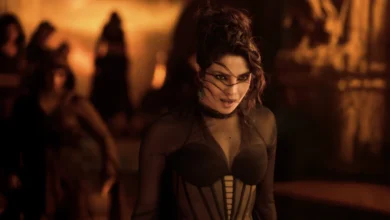
Jackie Shroff, Sharad Kelkar, and Neha Sargam Lead Rural Horror Film Kaali Kheli Ahead of October 23 Domestic Theatrical Release

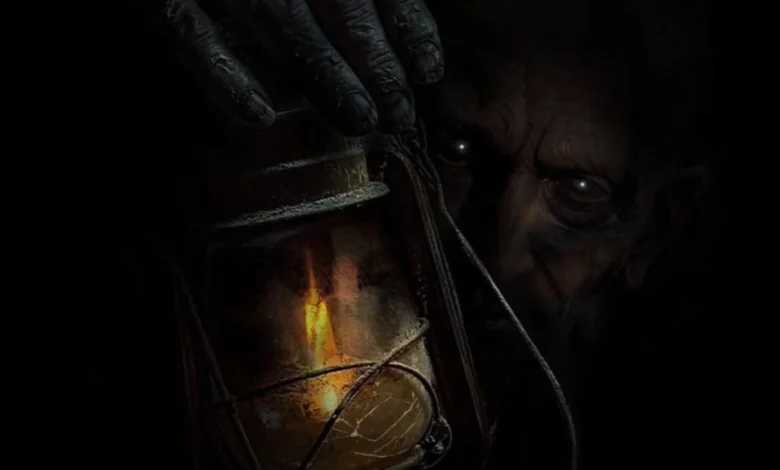
The Indian film landscape is set to welcome a distinct entry into the horror genre with the upcoming release of Kaali Kheli, an eerie rural-set feature film anchored by veteran actor Jackie Shroff, alongside prominent stars Sharad Kelkar and Neha Sargam. Scheduled for a domestic theatrical release on October 23, the project has managed to maintain a relatively low profile during its production cycle, quietly filming under the creative direction of Haris Imtiyaz Khan, who serves as both writer and director. Produced by Sana Khan under the banner of BlackCanvas Studio in association with Zeroland Production, the feature brings together an ensemble cast that also features seasoned performers Virendra Saxena and Shaji Choudhary in pivotal roles.
As the October release date approaches, anticipation is building within the industry regarding how the film will blend traditional tropes of Indian rural settings with psychological and supernatural terror. While promotional materials, including the official theatrical poster, have begun circulating to build public interest, the overarching plot details remain strictly guarded. Producers have expressed a clear intent to keep narrative spoilers at bay, aiming to sustain a sense of mystery that encourages audiences to piece together the unfolding dread independently.
Unpacking the Premise: Agriculture Meets the Macabre
According to the official logline provided by the production team, Kaali Kheli unfolds against an atmospheric rural backdrop, plunging viewers into an intricate narrative world where complex family dynamics, long-standing legacies, and deeply buried truths collide. This convergence serves as the catalyst for an unsettling exploration of fear, moving beyond standard jump scares to focus on the psychological weight of generational secrets.
Director Haris Imtiyaz Khan elaborated on the conceptual foundation of the film, offering critical insight into his unique artistic vision. For Khan, the project represents an intentional departure from conventional horror tropes by transplanting terror into the earth itself.
"For me, Kaali Kheli is about examining agriculture through the lens of horror—something I hadn’t seen before," Khan stated. "Something that felt fresh, exciting, and also deeply disturbing. The film is a mirror to society, only the reflection exists in a scary and fantastical world. Sometimes this world doesn’t make sense, but it always feels strangely familiar. Perhaps that is the true horror."
By tethering supernatural and psychological dread to the soil and agrarian life, the film taps into a primal human relationship with the land—cultivating a narrative where the very earth that sustains life harbors dark, inexplicable forces. This thematic choice draws subtle parallels to folk horror traditions globally, wherein isolated rural communities grapple with the consequences of historical transgressions and unholy pacts tied to the land.
A Stellar Ensemble Cast and Production Pedigree
The production strength of Kaali Kheli lies significantly in its casting choices, which bridge generations of Indian cinematic talent. Headlining the project is Jackie Shroff, a stalwart of the Indian film industry whose decades-long career spans critically acclaimed parallel cinema and mainstream blockbusters. Shroff’s ability to project gravitas, vulnerability, and underlying menace makes him an ideal anchor for a project exploring dark family legacies.
Joining Shroff is Sharad Kelkar, an actor renowned for his commanding screen presence, versatile performances across television and film, and formidable voice acting credits. Kelkar’s involvement suggests a narrative rich in conflict, where masculine authority and moral ambiguity likely play central roles. Neha Sargam, recognized for her impactful performances in television and dramatic features, rounds out the primary trio, adding emotional depth and dramatic tension to the ensemble.

The supporting cast further bolsters the film’s dramatic credentials. Virendra Saxena, a celebrated veteran of theatre, television, and parallel cinema known for his nuanced character portrayals, brings an authentic sense of grounded realism to the rural setting. Similarly, Shaji Choudhary, recognized for his memorable turns in high-profile historical and action dramas, adds a physical and imposing dynamic to the cast roster.
Behind the camera, producer Sana Khan and the team at BlackCanvas Studio have orchestrated a controlled, stealthy production strategy. By keeping the principal photography phase quiet, the production house has managed to control the narrative rollout, allowing the project’s artistic merits and atmospheric teaser materials to generate organic intrigue among cinephiles and genre enthusiasts.
Chronology and Strategic Release Timing
The trajectory of Kaali Kheli reflects a calculated approach to contemporary film distribution in the Indian market. While principal photography was executed away from the intense scrutiny of the media glare, the rollout of promotional assets has adhered to a tight, high-impact timeline.
- Early Production Phase: Written and directed by Haris Imtiyaz Khan, the project entered development under the banner of BlackCanvas Studio in collaboration with Zeroland Production. Filming was conducted discreetly to maintain creative integrity and prevent premature leaks regarding the plot.
- Casting Finalization: The assembly of the principal cast—featuring Jackie Shroff, Sharad Kelkar, Neha Sargam, Virendra Saxena, and Shaji Choudhary—was finalized to establish a balance of veteran authority and contemporary dramatic talent.
- Poster Launch and Marketing Initiation: The official theatrical poster was unveiled, offering audiences their first visual glimpse into the grim, earthy aesthetic of the film while keeping story details strictly confidential.
- Theatrical Release Date: October 23 marks the domestic theatrical debut, positioning the film strategically within the exhibition calendar.
The choice of an October theatrical window holds particular significance for horror cinema globally, aligning with the autumnal period traditionally associated with ghost stories, harvest lore, and celebrations of the macabre. By securing a domestic theatrical release on October 23, the distributors are signaling confidence in the film’s ability to draw audiences into cinema halls on the strength of its atmospheric world-building and star-studded cast, rather than relying solely on pre-release plot exposition.
Broader Implications for the Indian Horror Genre
The release of Kaali Kheli arrives at a time of notable evolution for the horror genre within Indian cinema. Historically, commercial Indian horror has often oscillated between derivative supernatural thrillers, supernatural erotica, and formulaic ghost stories. However, recent years have witnessed a discerning shift toward elevated, atmospheric, and culturally grounded horror—projects that leverage regional folklore, social commentary, and psychological depth to resonate with contemporary audiences.
By focusing on "agriculture through the lens of horror," Khan’s directorial venture taps into the anxieties of rural life, ecological imbalance, and the inescapable burdens of familial inheritance. This thematic ambition positions Kaali Kheli as part of a progressive wave of Indian genre filmmaking that seeks to challenge conventional storytelling boundaries.
Furthermore, the involvement of established mainstream actors like Jackie Shroff and Sharad Kelkar in an experimental rural horror project underscores a broader industry trend. High-profile performers are increasingly willing to step outside traditional commercial templates to participate in dark, character-driven narratives that prioritize tone and psychological tension.
As the October 23 release date draws closer, industry observers and horror aficionados will be watching closely to see how Kaali Kheli performs at the box office. With its cryptic plot, evocative directorial vision, and formidable cast, the film holds the potential to redefine how agrarian landscapes are portrayed on screen—transforming fields of sustenance into arenas of primordial fear.