Bannock County Idaho Faces a Turning Point as Commissioners Reconsider Renewable Energy Ban

Jeff Hough did not pull any punches. Standing before a packed courthouse, the Bannock County commissioner challenged his colleagues with a direct appeal to the bedrock of American governance. He cited the Declaration of Independence, arguing that a proposed ordinance to ban utility-scale solar and wind energy projects across the county was a fundamental violation of property rights. Despite his impassioned plea, the commission voted 2–1 in March 2024 to codify the ban, effectively halting the development of clean energy infrastructure within the county’s borders.
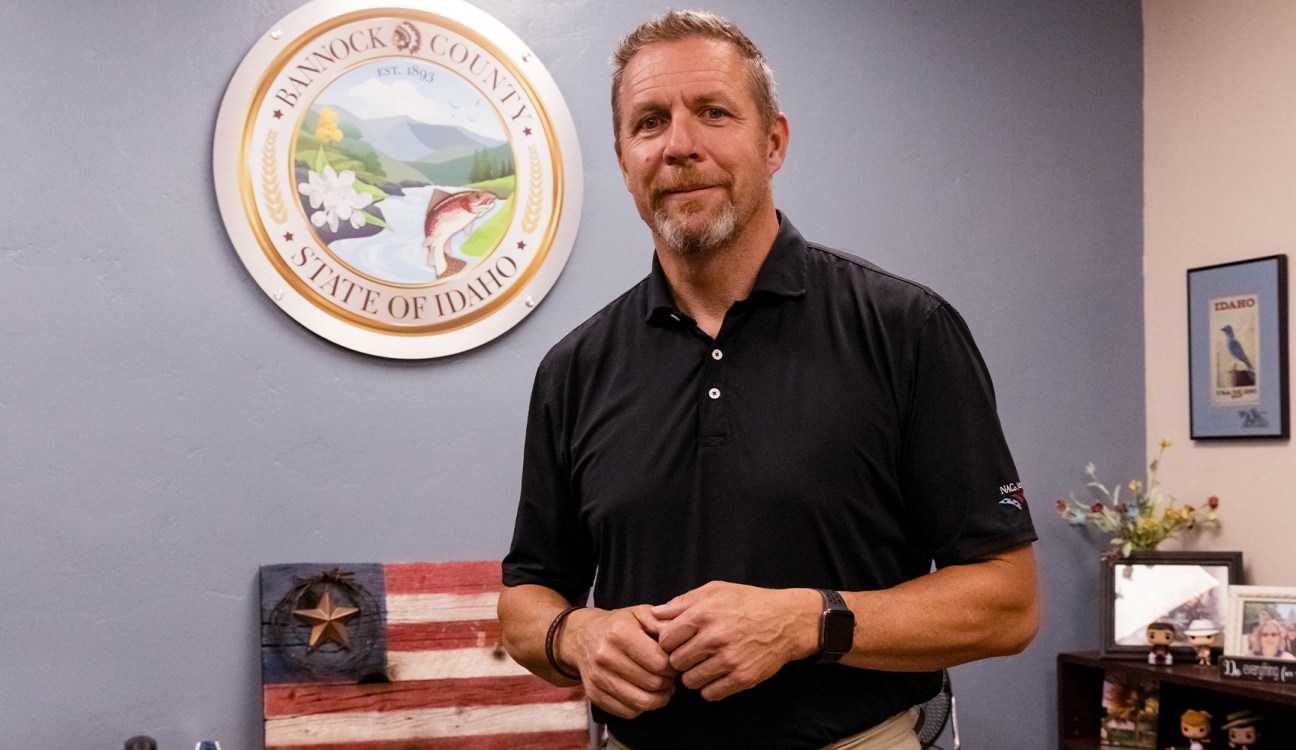
More than two years after that contentious vote, the political winds in Bannock County are shifting. Now serving as the chair of the county commission, Hough has made it his mission to reverse the moratorium. This fall, the commission is set to deliberate on a new legislative framework that could not only permit solar and wind development but also pave the way for nuclear energy. The outcome of this vote will serve as a critical case study for rural communities across the United States as they grapple with the complex intersection of local land use, economic survival, and the national push for energy independence.
A National Trend of Rural Resistance
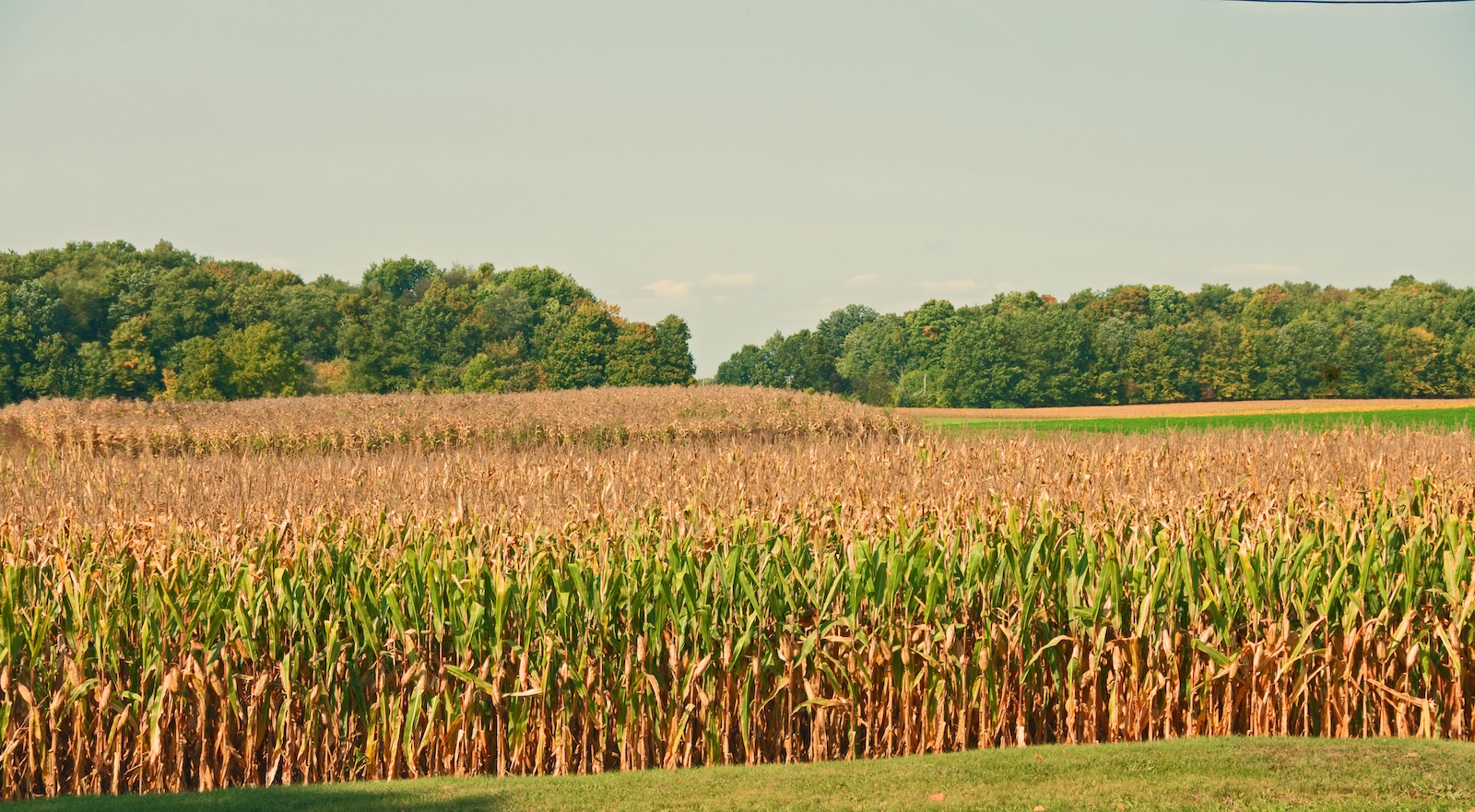
Bannock County is not an anomaly. According to an analysis by The Daily Yonder and Canary Media, nearly one in four U.S. counties had implemented some form of ban, moratorium, or significant impediment to clean energy development by 2025. This represents a substantial increase from 15 percent in 2023. Rural areas account for over 60 percent of these restrictions, reflecting a growing friction between national decarbonization goals and local concerns regarding land aesthetics, agricultural preservation, and grid infrastructure.
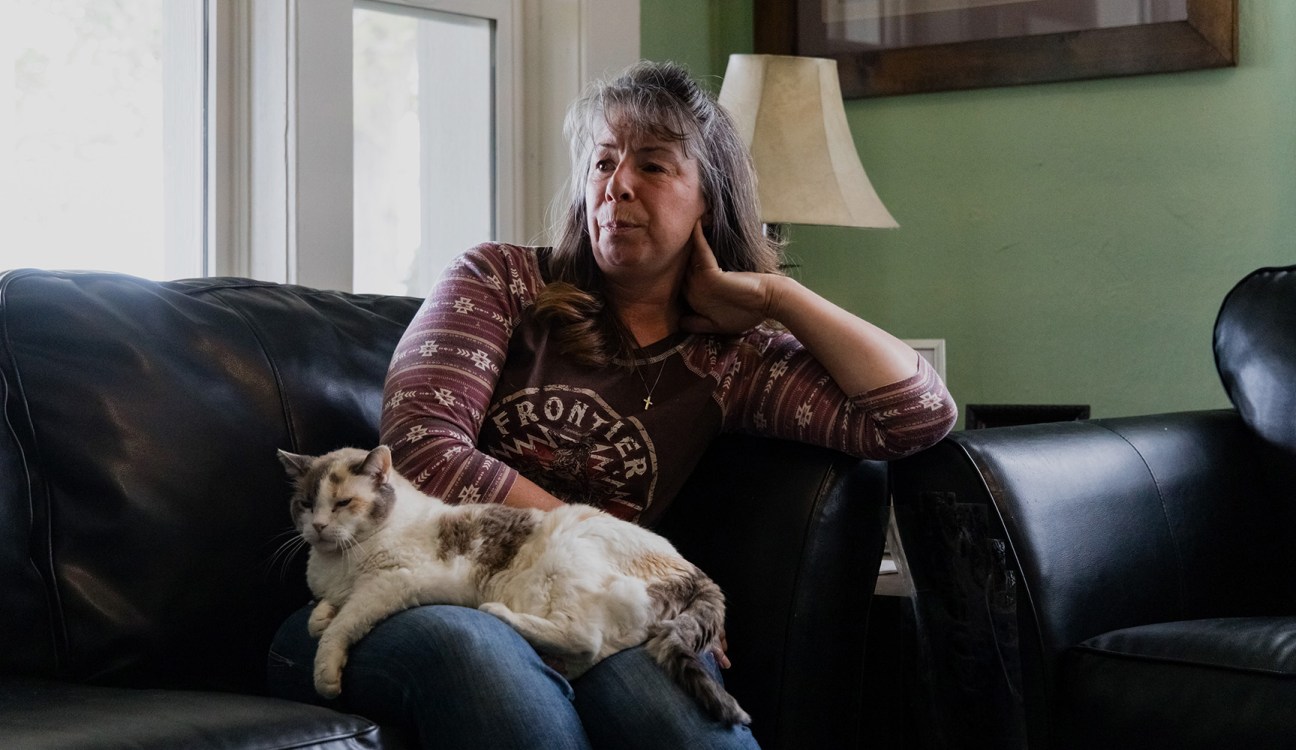
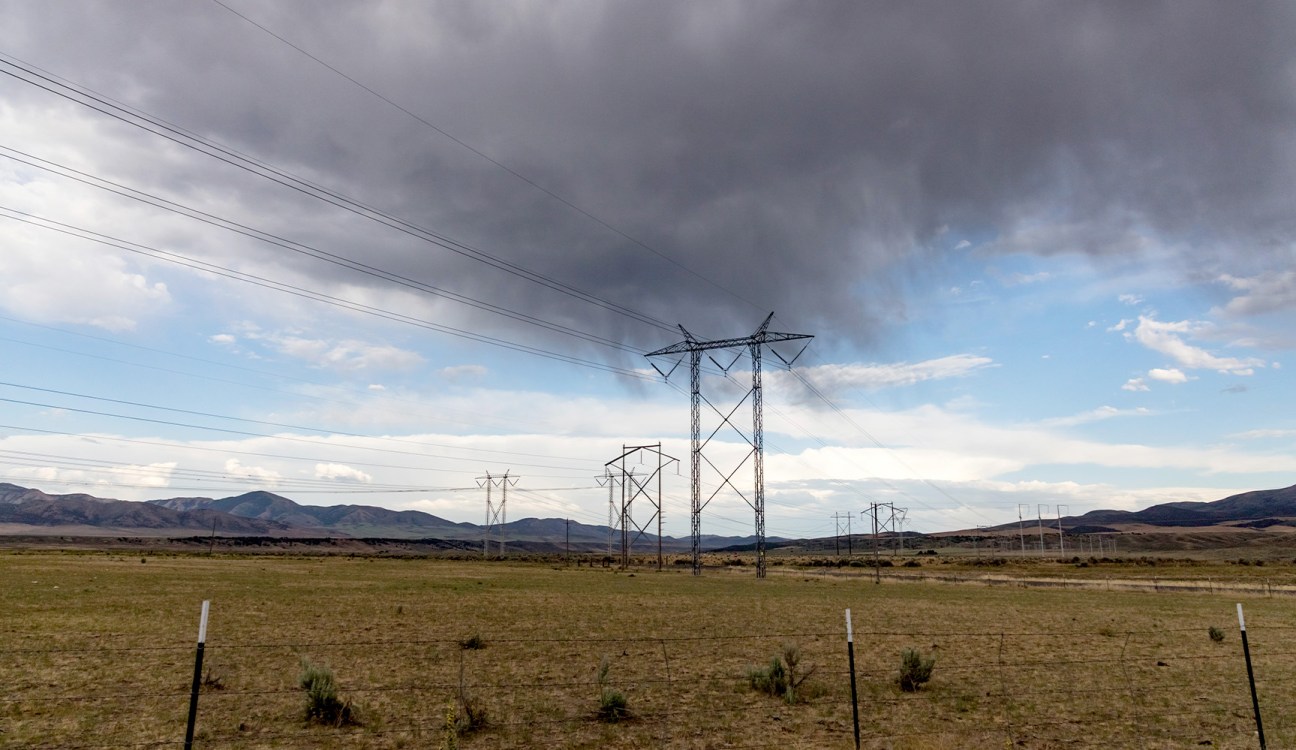
The resistance often stems from a fear that rapid energy development will permanently alter the landscape and diminish the quality of life in small, tight-knit communities. However, as the demand for electricity continues to surge—Idaho Power projects a 1-gigawatt increase in demand by 2030, a 26 percent jump—the pressure to expand energy capacity is becoming an economic reality that local governments can no longer easily ignore.
Chronology of a Regulatory Conflict
The roots of the Bannock County controversy date back to the fall of 2023. Following a state-wide conference of the Idaho Association of Counties, where local leaders expressed anxiety over the massive, 1-gigawatt Lava Ridge Wind Project on federal land, Hough realized his county was vulnerable. Without a specific zoning ordinance, developers could theoretically move into the region with little oversight.
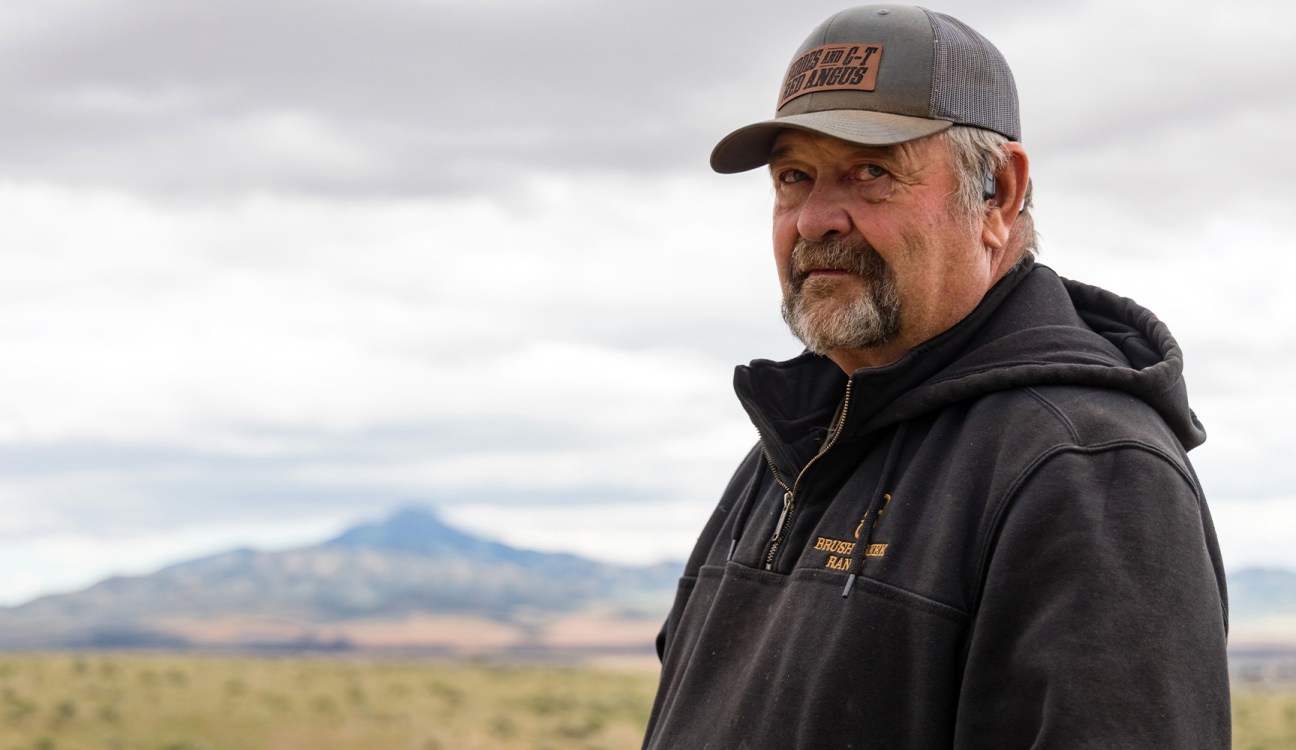
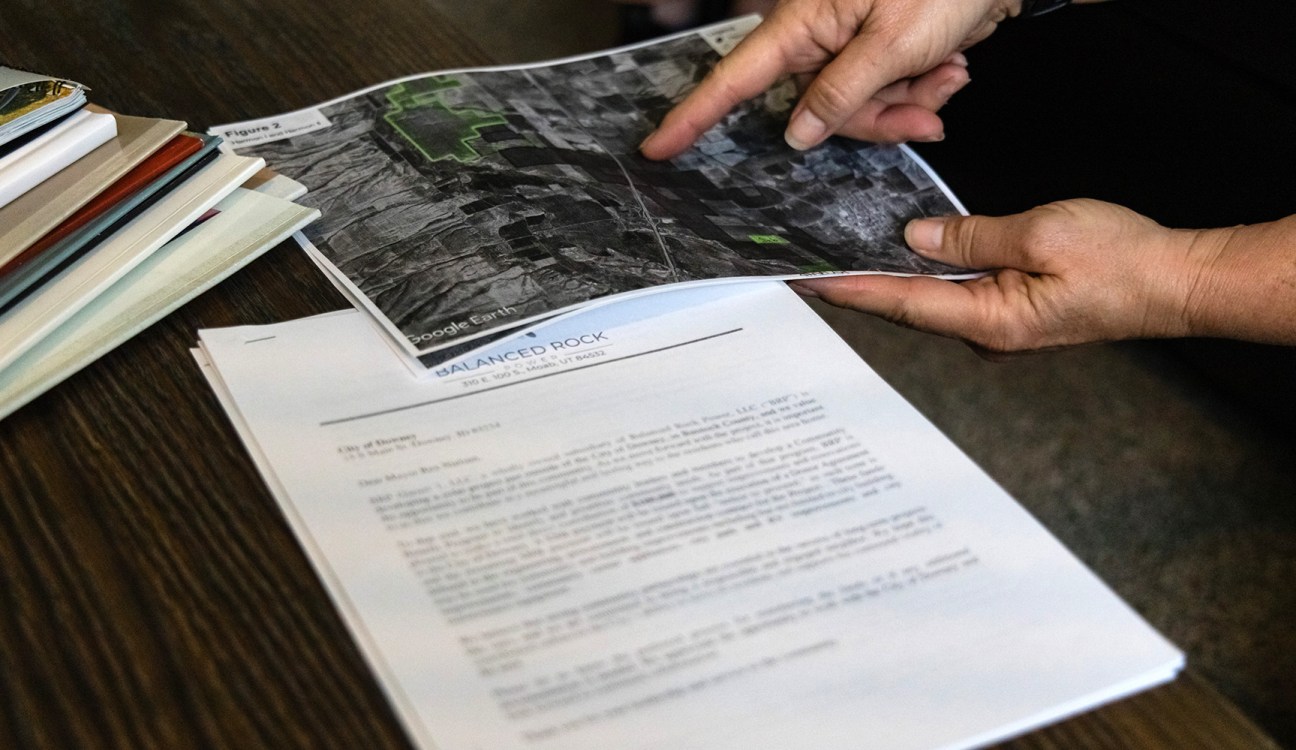
In October 2023, the commission enacted a six-month moratorium to allow for the creation of a regulatory framework. Instead of serving as a cooling-off period, the time became a lightning rod for community activism. Led by residents like Rebecca Falcon, who had been approached to lease land for the Harmon Solar Project, an opposition movement coalesced. By the time of the March 2024 vote, the divide between those who viewed leasing land as a property right and those who viewed it as a threat to agricultural heritage had become deeply entrenched. The ban passed, and companies like Hecate Energy subsequently exited the region.
The Economic Case for Reversal
For proponents of the reversal, the argument is centered on economic development and the reality of modern farming. In drought-stricken areas of southern Idaho, the traditional agricultural model is under immense pressure. Grain farmers are reporting record-low yields due to decreased moisture and limited groundwater, forcing many to abandon farming or seek off-farm income.
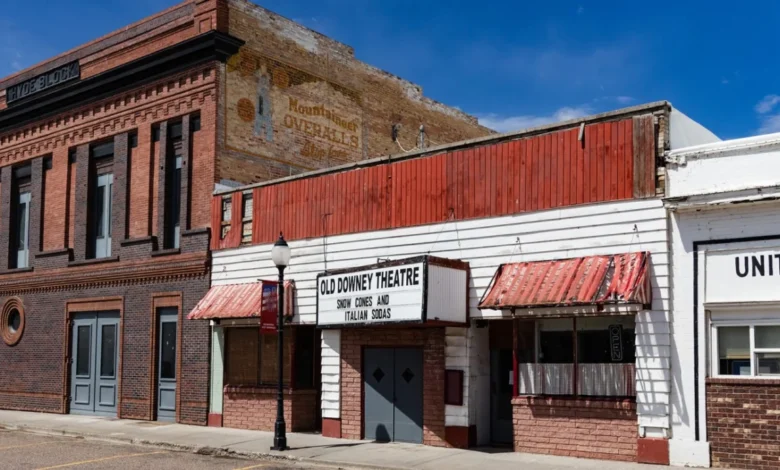
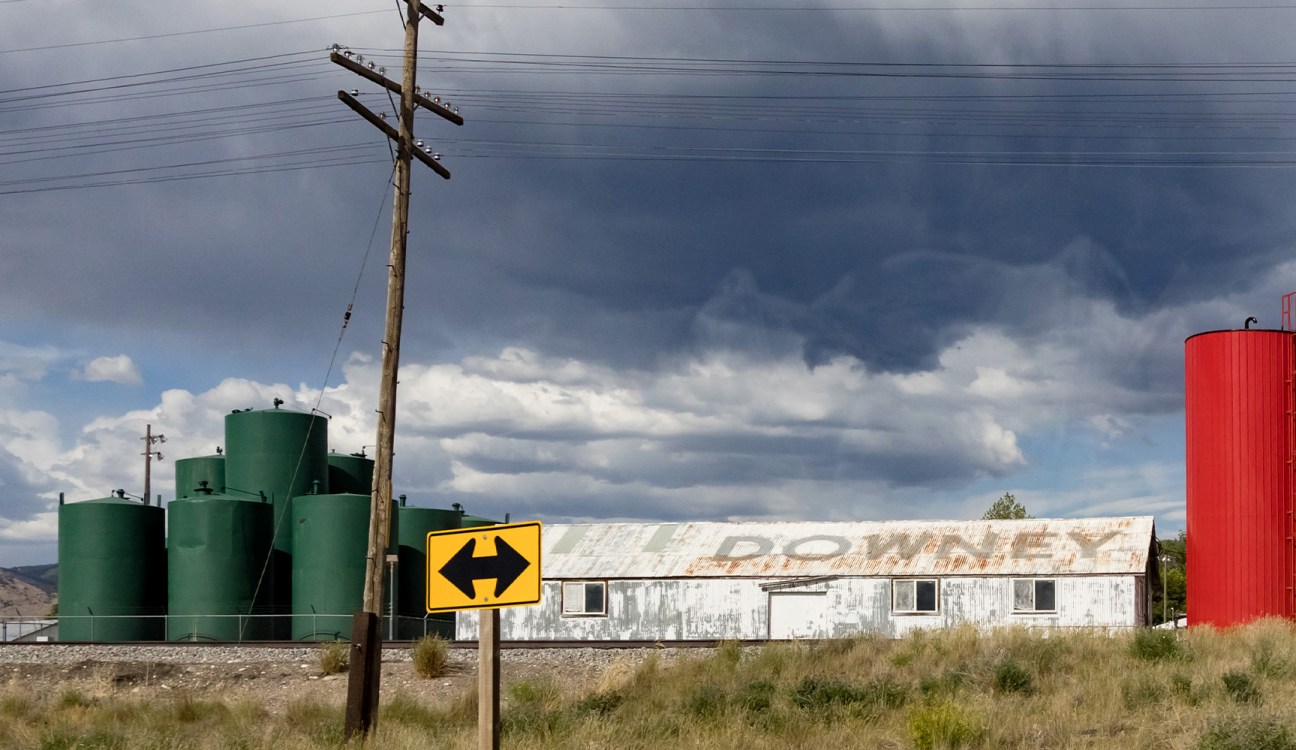
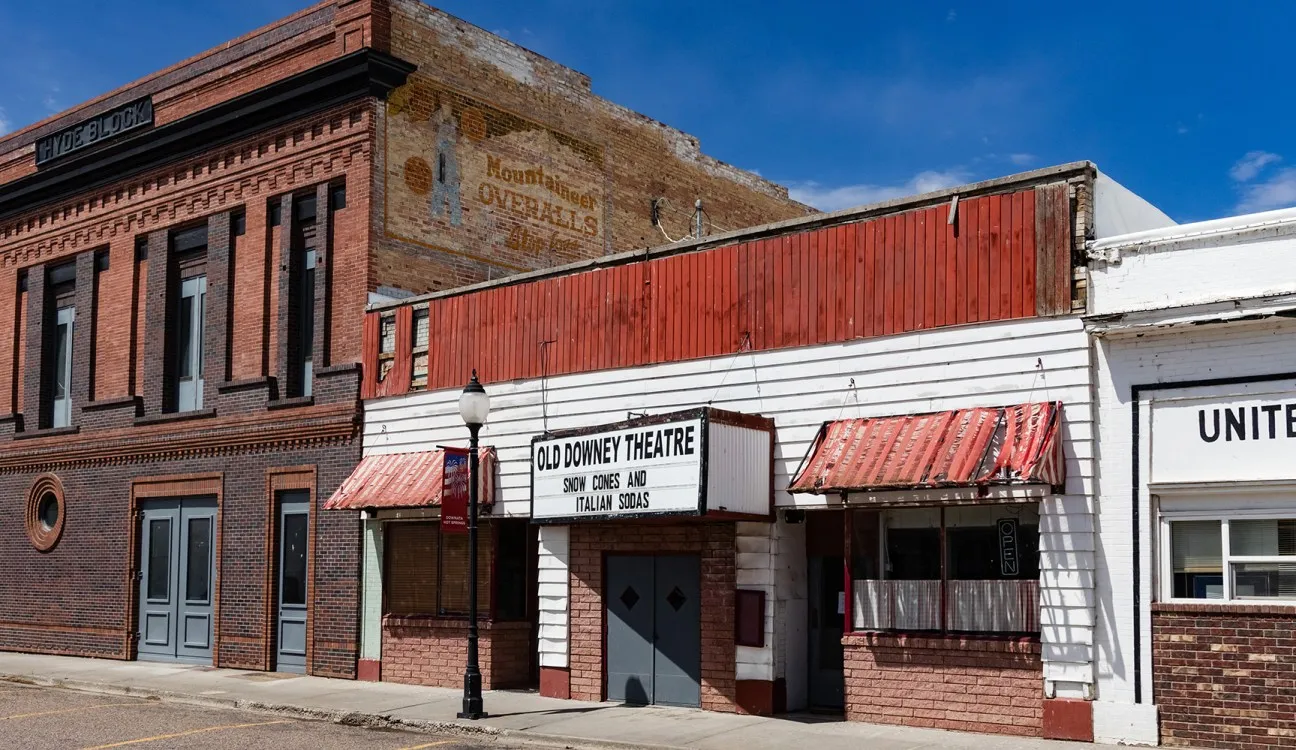
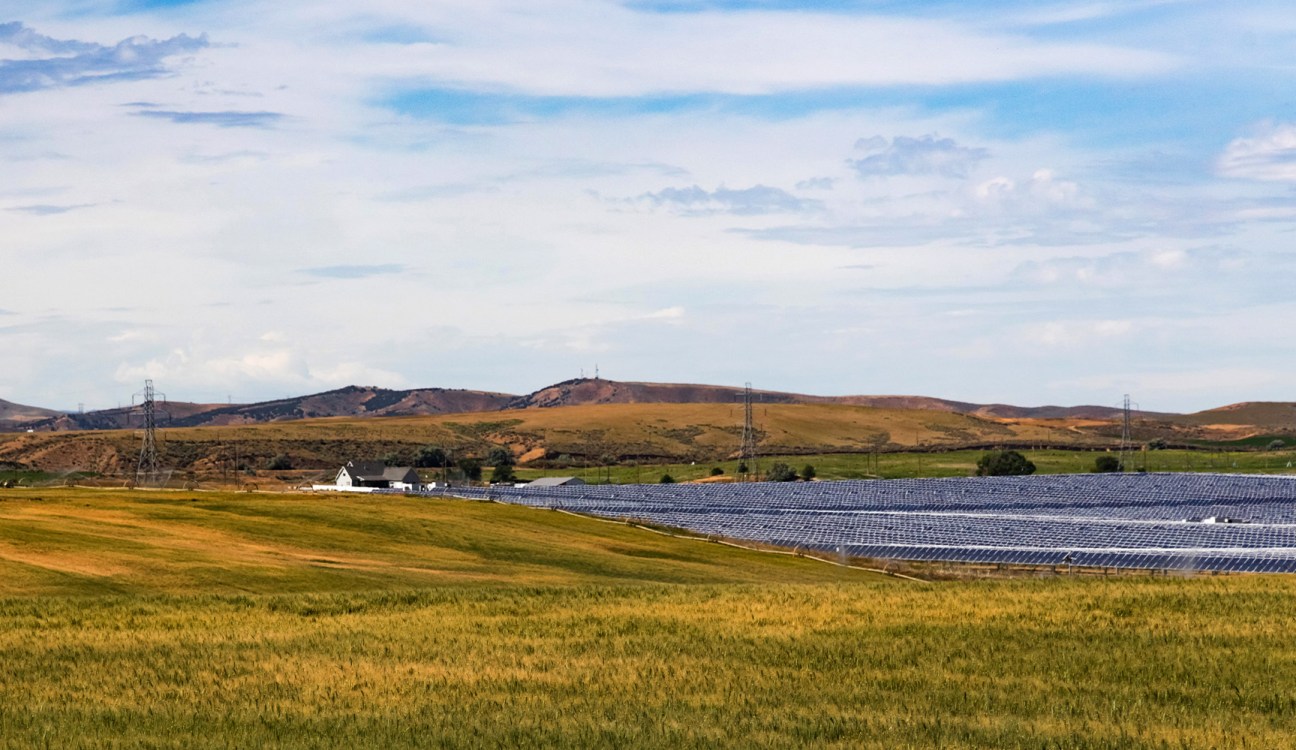
Neighboring counties provide a blueprint for the financial potential of renewable energy. In 2024, projects in Power and Bingham counties generated $909,000 and $639,000 in tax revenue, respectively. For a community like Downey, where essential services such as pharmacies, banks, and grocery stores have shuttered, such revenue represents a lifeline. Supporters argue that utility-scale projects, if properly sited on less productive land, could provide the steady income required to keep family farms solvent for the next generation.
The Pivot to Nuclear Power
A significant factor in the potential overturning of the ban is the inclusion of nuclear energy in the new draft ordinance. Public sentiment in Bannock County appears to favor nuclear technology, with surveys showing nearly 90 percent support. This enthusiasm is bolstered by the proximity of the Idaho National Laboratory (INL), a leader in advanced nuclear research, and the presence of the TerraPower project in nearby Kemmerer, Wyoming.
While solar and wind projects have faced stiff public opposition, nuclear power is viewed by many local residents as a more efficient, less land-intensive solution to the energy crisis. However, industry analysts caution that the nuclear revival is still in its infancy. Most small modular reactor (SMR) projects are currently in the R&D or permitting stages, facing significant engineering hurdles, supply chain gaps, and economic uncertainty. The cancellation of a high-profile SMR project in 2023 serves as a reminder that nuclear energy is not a guaranteed fix.
Despite these risks, Commissioner Hough and his allies maintain that the county must be prepared for the future. "Everybody’s claiming nuclear is the future, which it is, but nuclear is 10 years away," Hough noted. "You’ve got to have something to help get you there."
Addressing Local Concerns: Decommissioning and Fire Safety
The opposition to renewable energy has been fueled by concerns about the long-term impact on the land. Specifically, residents have raised questions about who will be responsible for decommissioning solar arrays 30 to 40 years from now and the potential for battery-related fire hazards.
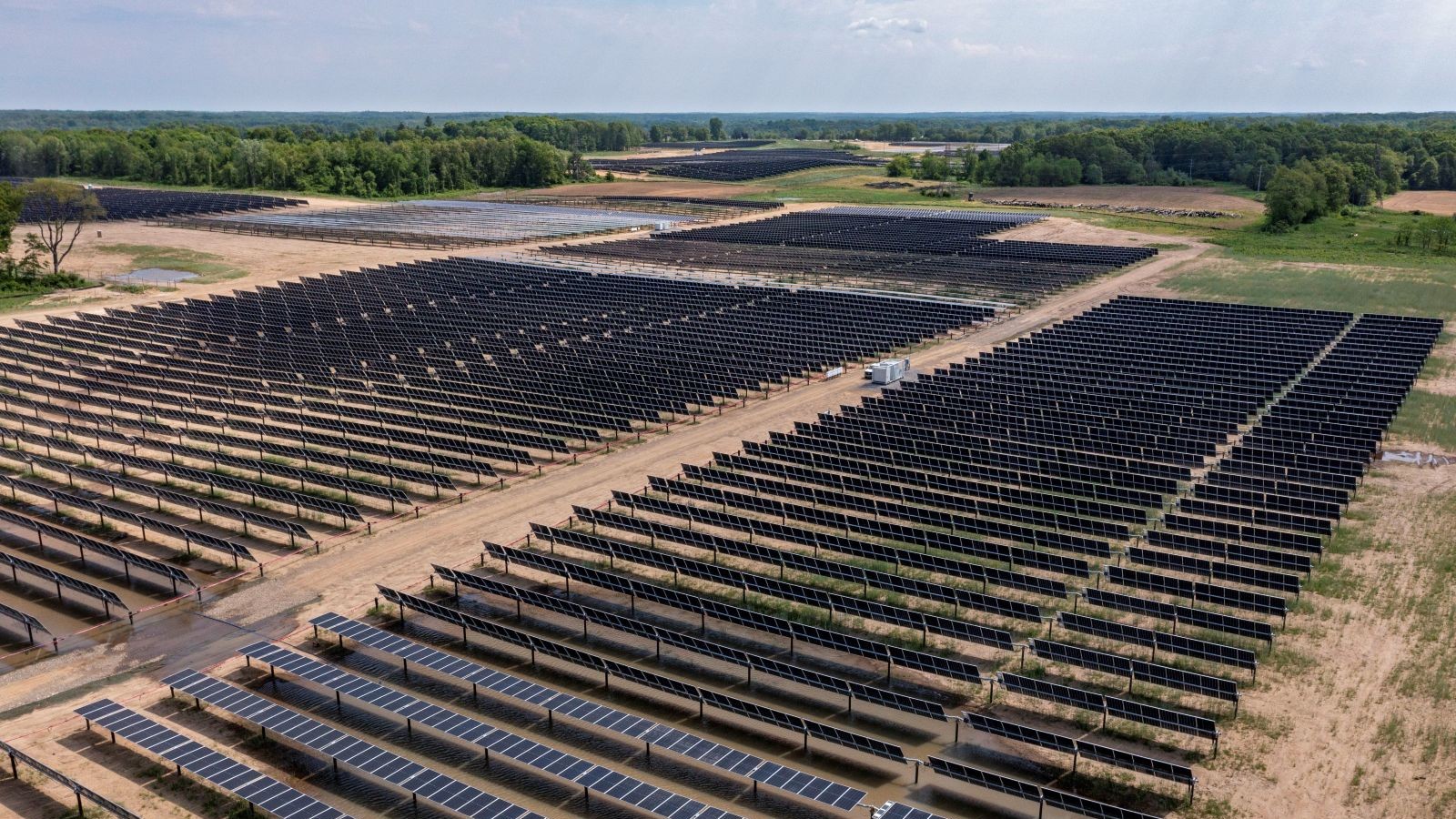
The new draft ordinance attempts to address these issues directly. It includes strict provisions requiring developers to submit comprehensive decommissioning plans and pay into a bond that would ensure funds are available to restore the land to pre-construction conditions. Furthermore, the ordinance would mandate that energy developers provide local volunteer fire departments with the necessary training and equipment to handle large-scale battery storage incidents.
The Stewardship Ethos
The debate in Bannock County is ultimately defined by a conflict of values. Commissioner Ernie Moser, who voted for the ban in 2024 but has since signaled a potential shift in position, views his role through the lens of a steward. "God created this for us. I’m a steward now. I’ve been called to take care of it," he said.
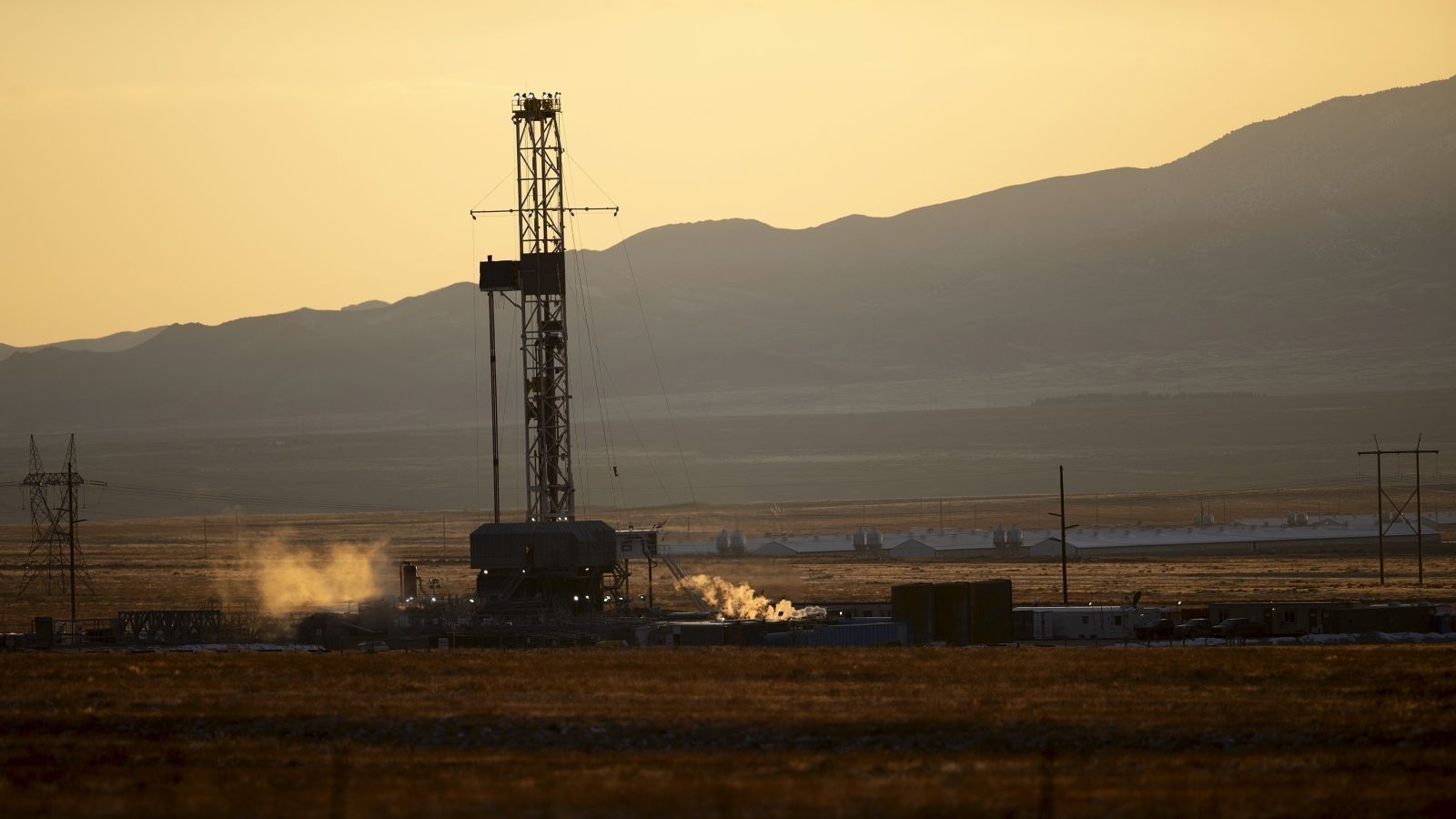
This sense of duty drives both sides. Opponents like Falcon feel they are protecting the land from industrialization, while proponents like farmer Dale Lish argue that responsible energy development is the only way to preserve the family farm for future generations. As the commission approaches the final vote this fall, they must weigh these deeply held beliefs against the cold, hard data of rising electricity demand and the dwindling economic viability of traditional agriculture.
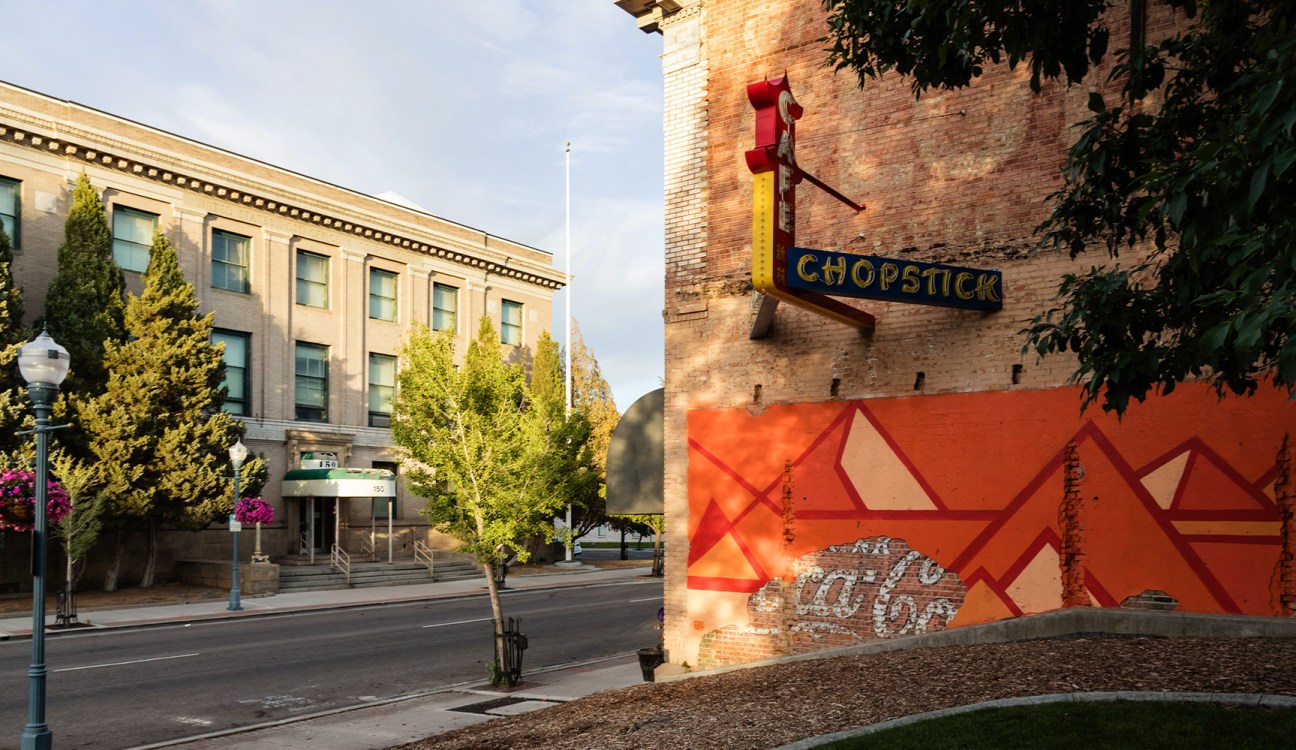
The Bannock County test case underscores a broader reality: the energy transition in the United States will not be won or lost solely in Washington, D.C., but in thousands of local courthouses across the country. Whether the commissioners choose to uphold the ban or open the door to a mix of solar, wind, and nuclear, their decision will ripple far beyond the valley, signaling whether rural America will serve as a partner in the nation’s energy future or remain a site of persistent resistance.