Floating Fondue on Lake Brienz: How Outdoor Switzerland is Redefined Alpine Gastronomy for Modern Travelers

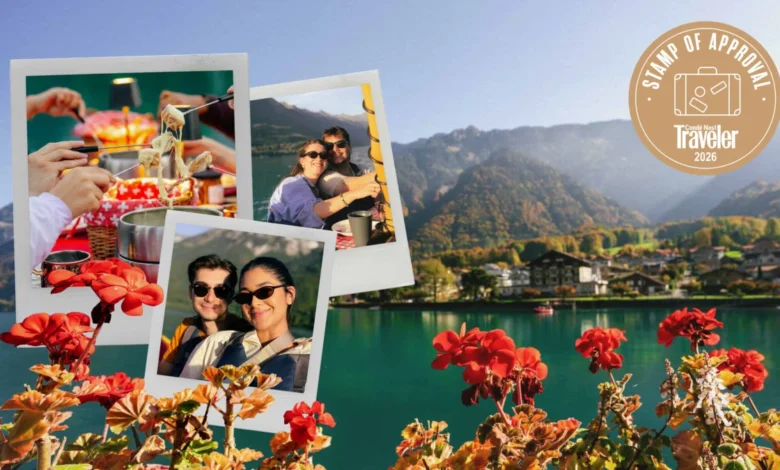
The landscape of Alpine tourism has long been defined by predictable itineraries: cogwheel railway ascents, glacier hiking excursions, and traditional tavern dining. However, shifting consumer demographics—particularly the emergence of experiential travelers and discerning younger cohorts—have forced regional operators to innovate. In the Bernese Oberland, local adventure outfit Outdoor Switzerland has responded to this demand by transforming a regional staple into an on-water excursion: the Cheese Fondue Float on Lake Brienz.
This initiative represents a broader movement within the Swiss tourism sector to modernize heritage culinary practices without compromising authenticity. By blending traditional gastronomy with light-adventure water sports, the company has created a niche product that highlights the changing expectations of international visitors in post-pandemic European travel markets.
Main Facts and Operational Mechanics
Operating out of the lakeside village of Bönigen, just minutes from the tourism hub of Interlaken, the Cheese Fondue Float takes place on Lake Brienz, renowned for its striking turquoise waters and glacial depths. The activity utilizes stable, red-and-white-checkered-cloth-draped Zodiac rafts equipped for small groups.

Participants embark on a roughly 90-minute journey led by certified local guides. The core offering features traditional Swiss cheese fondue prepared in heated caquelons (ceramic pots), accompanied by fresh bread cubes, local white wine, mineral water, and tea. Originally launched years ago as a "raclette rafting" concept—where melted cheese was scraped onto boiled potatoes—the experience was strategically pivoted to fondue, Switzerland’s most globally recognized communal dish, to maximize international appeal and operational efficiency.
The experience is offered seasonally between September and April, capitalizing on the crisp autumn and winter months when warm, melted cheese holds the highest cultural resonance. Private charters accommodate up to eight individuals, with participation open to children aged eight and above, provided they adhere to mandatory safety protocols, including life jacket usage.
Chronology and Evolution of the Alpine Excursion Concept
The evolution of the fondue float mirrors the broader evolution of Interlaken’s tourism economy. Historically, Interlaken functioned primarily as a staging ground for mountaineering expeditions to the Jungfrau, Eiger, and Mönch peaks. Over the past three decades, the region diversified into an adventure sports capital, pioneering paragliding, canyoning, and jet-boating in the Swiss Alps.
- Early Phase (Traditional Adventure): Outdoor Switzerland and similar regional operators focused strictly on adrenaline-fueled activities, positioning Interlaken as Europe’s extreme sports playground.
- Diversification Period: Recognizing that a significant portion of travelers sought lower-impact cultural engagement, operators began introducing culinary-integrated outdoor activities, starting with the original raclette rafting tours.
- The Modern Pivot: Consumer feedback and market research prompted a transition from raclette to fondue. Fondue offered better suitability for enclosed floating setups, as ceramic pots maintain consistent heat more effectively on moving water than open raclette grills.
- Current Operations: Today, the experience bridges the gap between passive sightseeing and active engagement, attracting multigenerational families and international tour groups looking for distinct social media content paired with authentic local cuisine.
Supporting Data and Regional Economic Impact

Tourism statistics from Switzerland Tourism indicate a steady post-pandemic recovery, with international visitors increasingly prioritizing high-value, niche experiences over mass-market sightseeing. The Bernese Oberland remains one of the country’s primary economic drivers for hospitality, contributing significantly to regional employment.
- Duration: Approximately 90 minutes on the water.
- Capacity: Groups up to eight passengers per vessel, ensuring exclusivity and personalized attention from guides.
- Inclusions: Approximately 500 milliliters of regional white wine per person, artisanal fondue, bread, and non-alcoholic beverages. Alternative iterations, such as Swiss Chocolate Fondue floats featuring marshmallows and seasonal fruit, cater to dessert preferences and broader demographic segments.
- Pricing and Booking Channels: Tickets are distributed through direct platforms like Outdoor Switzerland alongside global booking aggregators such as GetYourGuide and Viator, illustrating the digitalization of regional Swiss excursion sales.
Official Responses and Industry Analysis
While formal statements from municipal tourism boards frame these hybrid culinary adventures as positive proof of sector adaptability, industry analysts point to strategic imperatives behind such offerings.
"Operators in mature markets like Switzerland face continuous pressure to increase per-visitor spending while managing environmental carrying capacities," notes a hospitality analyst focusing on Alpine tourism trends. "Products like the fondue float command premium pricing compared to standard boat rentals or land-based dining, allowing local businesses to maximize revenue from limited natural assets without increasing visitor volume."
Furthermore, guides such as Hild, who lead the excursions on Lake Brienz, report that the format naturally fosters social cohesion among travelers. The combination of enclosed seating, shared dining vessels, and acoustic elements—such as traditional Alpine music played via portable speakers—creates an immersive environment that resonates strongly with younger demographics who value shareable, memory-driven travel experiences.

Broader Impact and Future Implications for Swiss Tourism
The success of the Cheese Fondue Float underscores a vital lesson for traditional tourism destinations: heritage assets must evolve to remain relevant. Switzerland’s culinary identity is deeply rooted in communal dining traditions designed to stave off the winter cold. By transplanting these rituals from wood-paneled Alpine chalets onto the glacial waters of Lake Brienz, operators have unlocked a new dimension of sensory storytelling.
As global travelers increasingly seek out-of-the-ordinary perspectives on iconic landscapes, the integration of local gastronomy with low-risk adventure activities is expected to expand. For the Bernese Oberland, this innovation demonstrates that even the deepest-held Swiss traditions have room to float.