Flock Safety Offers Generous Voluntary Buyouts to Employees Amid Severe Privacy Backlash and Contracting Scandals

Surveillance technology firm Flock Safety has introduced a sweeping program offering what internal communications describe as the "most generous" voluntary severance packages in the company’s history. The move, first reported by Wired on Friday, September 19, 2026, comes at a critical juncture for the 1,500-person organization, which has found itself under intense public scrutiny, facing widespread municipal contract cancellations, and grappling with severe internal morale issues stemming from controversies surrounding its automated license plate recognition (ALPR) systems.
According to internal memos, Flock Safety anticipates that a substantial portion of its workforce will express interest in the buyout packages, and leadership has indicated that a majority of those who apply will have their departures approved. Industry analysts note that by offering these voluntary buyouts, the company can strategically streamline its operations and clear out personnel demoralized by the relentless negative media coverage, while simultaneously preempting the need for mandatory, involuntary layoffs that would "almost certainly" have been required otherwise.
Chronology of a Crisis: From Rapid Expansion to Severe Backlash
The mounting crisis facing Flock Safety represents a dramatic reversal of fortune for a company that spent years positioning itself as an indispensable partner for modern law enforcement agencies and neighborhood associations. Founded with the mission of eliminating crime through the deployment of networked, stationary cameras capable of capturing vehicle details, make, model, color, and license plates, Flock grew exponentially by pitching its technology as a vital tool for public safety.
However, public perception shifted rapidly over the summer of 2026 as investigative reports began exposing systemic vulnerabilities and alarming instances of misuse within the sprawling camera network.
The turning point occurred in early August 2026, when an exhaustive investigative report published by The Washington Post identified at least 46 distinct cases wherein law enforcement officers allegedly misused Flock technology. The abuses detailed in the report included police officers exploiting access to the camera network to stalk estranged wives, current girlfriends, and ex-partners. The revelations sparked immediate outrage from civil liberties organizations, privacy advocates, and concerned citizens nationwide, transforming a specialized debate over public surveillance into a mainstream political firestorm.
The fallout was swift and economically punishing. Anti-surveillance advocacy groups and municipal tracking organizations reported an unprecedented wave of contract terminations. Data compiled at the end of August revealed that approximately 90 cities canceled their contracts with Flock Safety within that single month—representing a staggering fourfold increase compared to the cancellation rate observed just thirty days prior.
The institutional resistance quickly escalated beyond municipal borders. State-level authorities in major markets such as Florida and Texas formally announced directives to block and phase out the use of the startup’s technology, citing insurmountable privacy concerns and potential violations of civil liberties.
Internal Morale and Leadership Response
As external pressures mounted, the psychological toll on Flock Safety’s workforce became increasingly difficult to manage. CEO Garrett Langley addressed the crisis during a recent appearance on the All-In podcast, candidly admitting that the "biggest damage" inflicted by the sweeping public backlash was not the loss of municipal contracts, but rather the profound blow dealt to "internal morale."

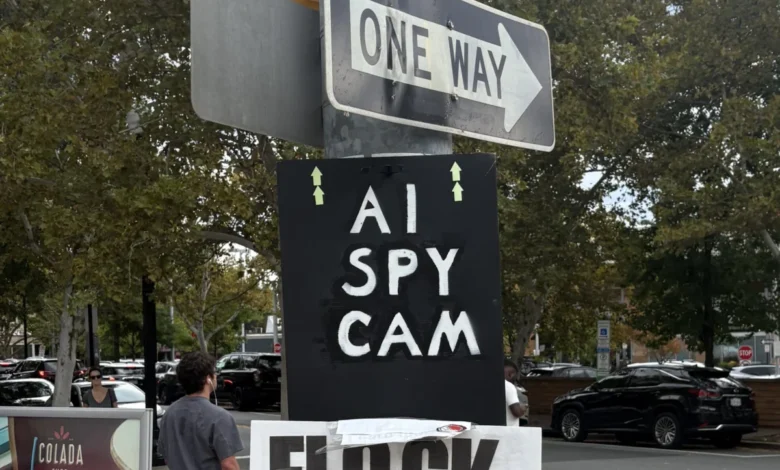
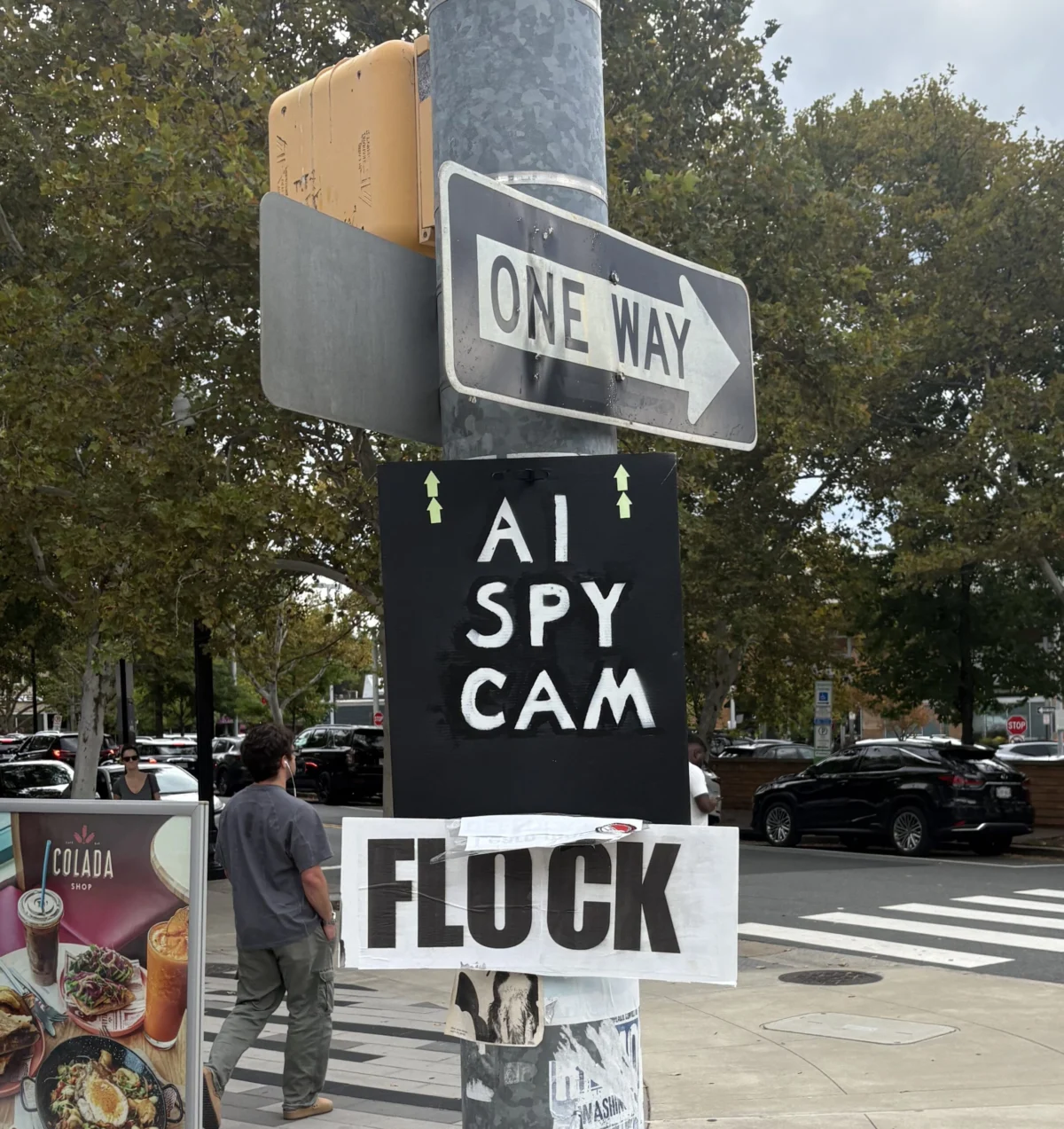
Employees across various departments—from engineering and product development to customer success and sales—have found themselves the targets of public protests, intense media scrutiny, and ethical dilemmas regarding the dual-use nature of the technology they built and support. Protests, such as those documented in Arlington, Virginia, have brought public dissent directly to the company’s operational spheres.
By introducing structured, high-value voluntary buyouts, Flock Safety’s leadership is attempting to provide an off-ramp for employees who no longer wish to be associated with the brand or who are fatigued by the ongoing controversy. Human resources experts note that voluntary separation programs are frequently utilized by corporations during periods of existential crisis to retain only the most committed personnel, reduce fixed overhead costs without immediately triggering the negative PR associated with involuntary layoffs, and reset organizational culture.
Broader Industry Implications and the Future of Automated Surveillance
The tribulations faced by Flock Safety illuminate a much broader, ongoing national debate regarding the rapid deployment of artificial intelligence and mass surveillance technologies by both private entities and public law enforcement agencies.
For years, proponents of automated license plate readers and predictive policing tools argued that passive data collection significantly enhances public safety, accelerates criminal investigations, and provides a force multiplier for understaffed police departments. Cities readily adopted these systems, often bypassing rigorous legislative debate under the banner of modernizing municipal infrastructure.
However, the recent scandals surrounding Flock Safety have catalyzed a fundamental re-evaluation of these assumptions. Privacy advocates and legal scholars argue that the aggregation of vast amounts of location data—stored indefinitely and accessible across vast policing networks—creates an irresistible temptation for abuse, scope creep, and civil rights violations. The revelation that local officers could leverage national networks to track intimate acquaintances highlighted profound gaps in oversight, auditing, and data governance.
The economic and regulatory shockwaves rippling through Flock Safety are likely to establish new precedents for the entire gov-tech and public safety sector. As high-profile states like Florida and Texas set boundaries, and dozens of municipalities abruptly sever ties, other jurisdictions are expected to enact stricter legislative guardrails, mandatory transparency reports, and tighter restrictions on the retention and sharing of citizen data collected by private vendors.
Looking Ahead
As Flock Safety processes the wave of voluntary departure requests resulting from its newly announced severance packages, the company faces an uncertain road ahead. Stabilizing internal operations and retaining the technical talent necessary to upgrade security protocols, implement robust oversight mechanisms, and rebuild trust with disillusioned government partners will be paramount.
Whether Flock Safety can successfully rehabilitate its public image and weather the unprecedented storm of contract cancellations and regulatory bans remains one of the most closely watched storylines in the technology sector. For now, the company’s immediate priority is managing its internal human capital crisis, mitigating further brand erosion, and navigating a rapidly shifting landscape where the demand for public safety is increasingly colliding with the fundamental right to privacy.