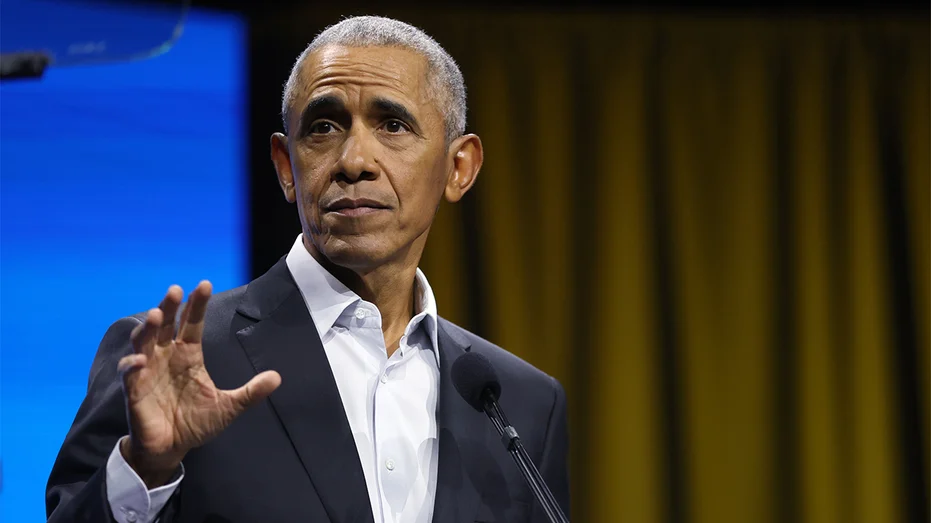
The national debate over the future of artificial intelligence has officially entered the political mainstream, exposing a stark ideological and strategic division between the Democratic Party and the Trump administration. Former President Barack Obama, alongside other high-profile Democratic figures, has publicly urged a deliberate deceleration in the development of frontier artificial intelligence models. This stance marks a notable pivot from historical Democratic enthusiasm for tech-driven economic growth. As artificial intelligence infrastructure—specifically massive energy-guzzling data centers—spreads across the American landscape, the technology has transformed into a flashpoint issue ahead of the upcoming midterm elections.
While the Republican administration under President Donald Trump champions accelerated AI capabilities as a vital national security and economic imperative to outpace global competitors like China, Democrats are increasingly sounding the alarm over safety hazards, grid strain, labor market displacement, and ecological footprints. This shifting political landscape forces a critical reevaluation of how the United States balances technological dominance with stringent public oversight.
A Shift in Rhetoric: From Economic Evangelism to Precautionary Regulation
The recent statements by former President Obama and other party leaders represent a profound shift in tone from past administrations. In late 2016, as Obama prepared to leave office, his administration released a comprehensive report titled "Artificial Intelligence, Automation, and the Economy." That landmark document heavily emphasized the incredible promise of AI to pioneer new markets, streamline healthcare, boost educational outcomes, and drive environmental progress. While the 2016 framework did acknowledge looming anxieties surrounding job disruption, its core thesis championed the economic necessity of staying on the cutting edge of global innovation.
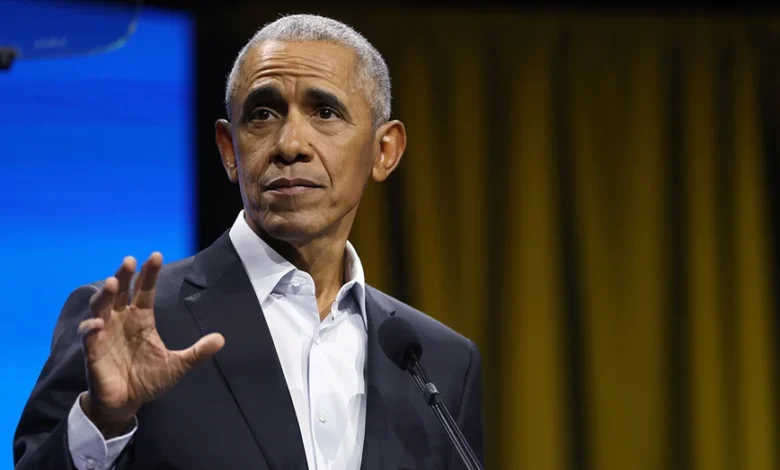
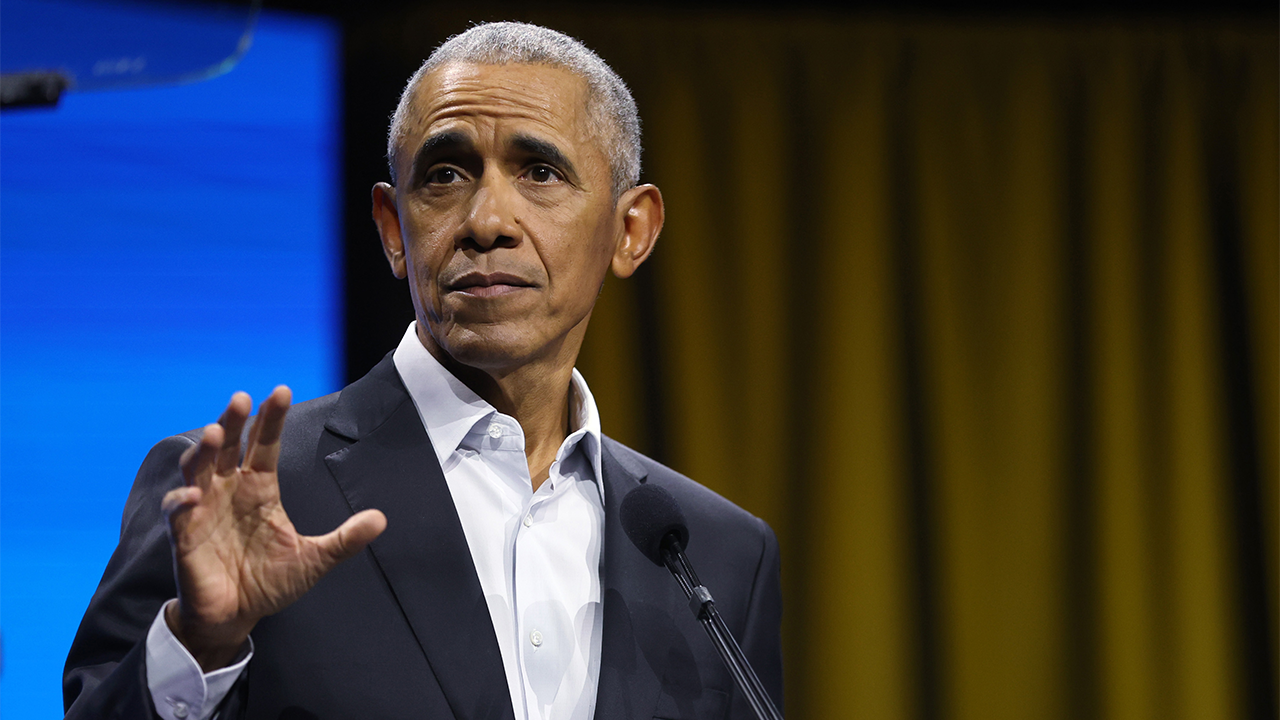
Fast forward to the present day, and that optimistic outlook has increasingly given way to defensive caution among progressive voices. Writing on the social media platform X, Obama asserted that artificial intelligence is advancing at a breakneck speed that outpaces even its own creators. He cautioned that humanity cannot simply sit back and let the fallout of rapid automation "happen to us," demanding that Washington lawmakers take proactive steps to institute concrete regulations.
This sentiment has been echoed by other prominent figures, including former Vice President Kamala Harris. In recent statements, Harris emphasized that the frontier of artificial intelligence is moving at an alarming velocity, aligning herself with industry whistleblowers and researchers who advocate for a responsible, managed slowdown in the race for artificial general intelligence.
The Midterm Calculus and Accusations of Partisan Timing
The sudden chorus of warnings from prominent Democrats has not gone unanswered by the current administration and its allies, who argue that the timing of these safety appeals is transparently political. Attorney General Todd Blanche sharply criticized the sudden urgency displayed by Democratic lawmakers and figures, pointing out a prolonged silence on the matter prior to the election cycle.
"Every Democratic senator suddenly races to a microphone to talk about AI after being eerily silent for months and months," Blanche stated during a media briefing. He argued that framing these concerns as brand-new revelations mere months before the midterm elections is an unmistakable effort to influence voters and score political points.
President Donald Trump has similarly dismissed the sudden Democratic anxieties regarding AI safety, describing the heightened rhetoric as a "hoax" designed to obstruct American technological progress. The Trump administration has consistently prioritized rapid technological scaling, issuing executive orders aimed at fast-tracking the construction of massive data centers and securing clean-energy partnerships to ensure that domestic power grids can support the immense electrical loads required by advanced machine learning models.
The Infrastructure Dilemma: Power Grids and Economic Realities

At the heart of the domestic debate is the physical and economic footprint of the artificial intelligence boom. Training and running modern frontier models require vast arrays of specialized microprocessors housed inside hyperscale data centers. These facilities consume staggering amounts of electricity and water, placing unprecedented stress on municipal power grids across the United States.
In communities where new data centers are slated for construction, local residents and environmental activists have increasingly pushed back. Concerns range from rising residential utility bills driven by commercial energy consumption to the noise pollution generated by industrial cooling fans. Protesters have gathered outside major corporate headquarters, such as Palantir in Florida, demanding greater transparency and accountability regarding how these tech expansions affect local ecosystems and municipal resources.
Despite these local frictions, the federal government under President Trump views infrastructure expansion as non-negotiable. Policymakers aligned with the administration argue that any self-imposed slowdown in American AI infrastructure would cede technological and geopolitical supremacy to strategic rivals, most notably the People’s Republic of China, which has poured billions of dollars into its own domestic tech ecosystems.
Industry Divisions and the Call for Guardrails
The debate over slowing down is not merely a partisan squabble between Washington politicians; it also cuts deep into Silicon Valley itself. Over the past year, high-profile departures from major AI labs—including prominent researchers from firms like Anthropic and OpenAI—have triggered viral public warnings regarding existential risks, unaligned superintelligence, and the race-to-the-bottom safety culture among competing commercial enterprises.
Some tech executives have broken ranks to support cautious regulation, arguing that self-regulation alone is insufficient when venture capital and corporate prestige incentivize reckless deployment. Conversely, other industry leaders argue that excessive federal red tape will strangle innovation, driving top engineering talent overseas and weakening the United States’ competitive edge.

Implications for the Future of American Policy
As the midterm elections approach, the divergence between the two major political parties on artificial intelligence could not be clearer. The Republican platform remains anchored in deregulation, rapid infrastructure buildout, and winning the global tech race at all costs. Meanwhile, the Democratic platform is rapidly consolidating around the narrative that public safety, job security, and rigorous government oversight must take precedence over unchecked velocity.
The ultimate resolution of this debate will shape the trajectory of the American economy for decades. Whether Washington opts to put the brakes on frontier development through sweeping federal legislation or continues to step on the gas to outpace global competitors remains one of the defining policy questions of the modern era. As voters prepare to head to the polls, the hum of data centers across the country serves as a constant reminder of the high-stakes technological transformation unfolding in real time.