Practical Magic 2 and the enduring cultural divide between critical reception and audience nostalgia

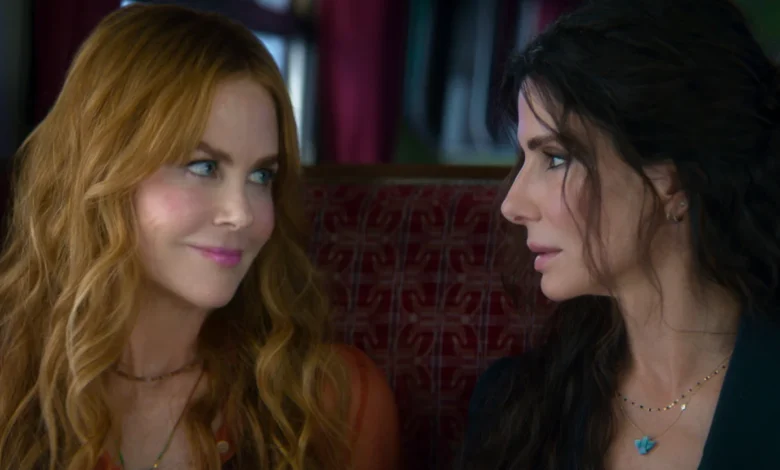
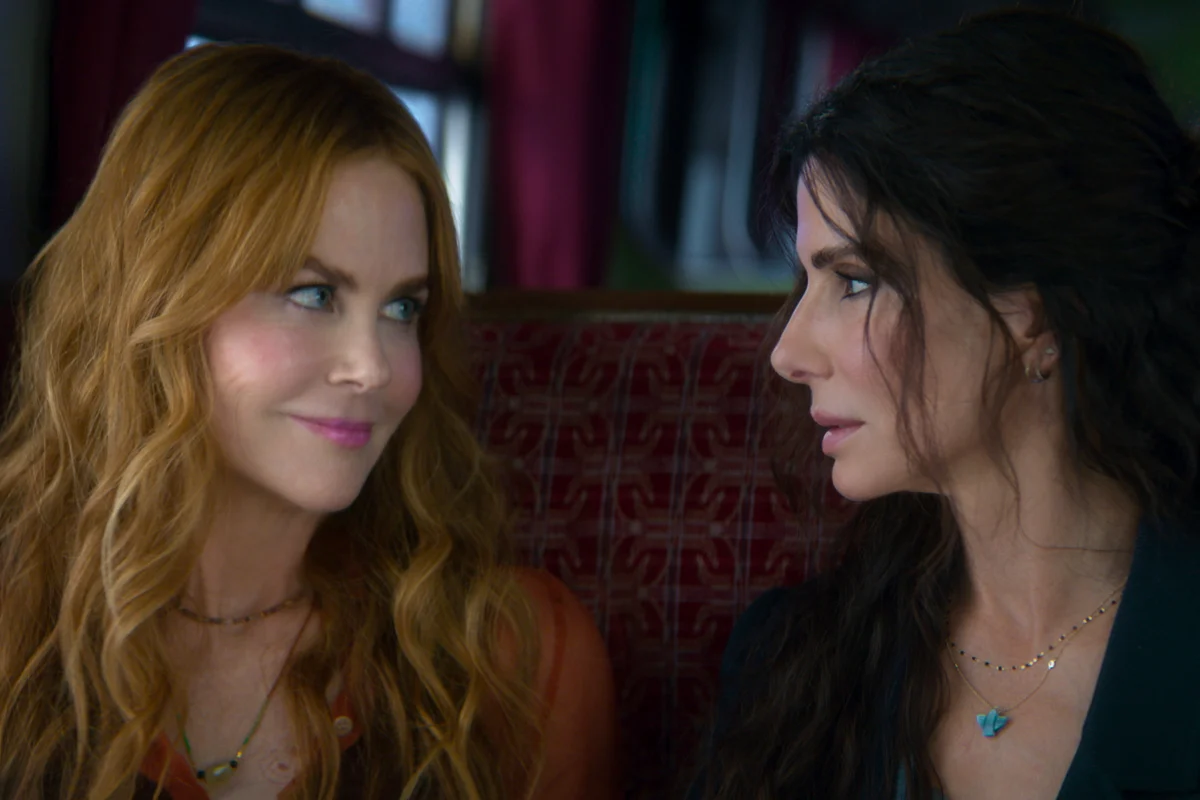
The release of Practical Magic 2, a sequel arriving nearly three decades after the 1998 original, has reignited a long-standing discourse regarding the disparity between professional film criticism and the cultural resonance of cult-classic properties. Directed by Susanne Bier and featuring the return of Sandra Bullock and Nicole Kidman as the Owens sisters, the film debuted on the review aggregator Rotten Tomatoes with a 34 percent approval rating. This reception mirrors the initial critical response to the original film, which struggled to find favor with contemporary reviewers in 1998, yet went on to become a staple of pop culture, influencing fashion, home aesthetics, and the romantic-comedy-horror subgenre.
A Chronology of the Owens Legacy
The journey from the 1998 original to the 2026 sequel spans 28 years of shifting cinematic landscapes. When the first film, directed by Griffin Dunne and based on the novel by Alice Hoffman, premiered, it was met with confusion by critics who struggled to categorize its tonal shifts. Dunne’s vision—a delicate balance of dark family drama and lighthearted, whimsical romance—was described by some as jarring. However, the film found its audience on home video and through subsequent cable broadcasts.
The narrative of the franchise centers on a centuries-old familial curse that results in the premature death of any man who falls in love with an Owens woman. In the original, Sally (Bullock) and Gillian (Kidman) navigate this trauma while raising their respective families. The sequel picks up with Sally’s daughters, Kylie (Joey King) and Antonia (Maisie Williams), who have recently discovered their magical lineage. When a personal tragedy strikes Kylie’s boyfriend, played by Xolo Maridueña, the sisters are drawn back into a quest to permanently break the ancestral curse, a journey that takes them from their iconic New England setting to London, with the guidance of a magic historian portrayed by Lee Pace.
Critical Reception and Technical Analysis
The recent critical consensus has focused on several technical and structural departures from the 1998 film. Reviewers have highlighted a transition toward more clinical, high-intensity lighting that deviates from the autumnal, moody atmosphere that became synonymous with the original production’s visual identity. Furthermore, the reliance on modern computer-generated imagery (CGI) has been cited as a point of contention, with some critics arguing that it diminishes the "practical" and grounded nature of the magic that made the first film appear more intimate.
The sequel’s runtime of 130 minutes represents a 30-minute extension over its predecessor. Critics have argued that this increased duration allows for pacing issues, noting that key characters are marginalized to make room for plot-driven developments. The geographic shift to London has also drawn scrutiny, as fans of the original film have long prioritized the central Massachusetts-inspired home as a "character" in its own right, the absence of which is felt throughout the sequel’s narrative.
Industry Context and Historical Sexism
Reflecting on the legacy of the original film, industry insiders have pointed to a broader history of systemic bias in film criticism during the late 1990s. Producer Denise Di Novi, who oversaw both the 1998 production and its sequel, has frequently cited the hostile environment toward female-led projects at the time. Historical documentation from the era suggests that critics often focused on the gender composition of the cast rather than the technical or narrative merits of the work.
Griffin Dunne has noted in recent interviews that the tonal ambiguity of the original was a deliberate creative choice intended to mirror the unpredictability of life. He suggested that the criticism of the time failed to account for the personal depth injected into the project, noting that his own sister’s tragic death in 1982 informed the darker thematic elements of the film. This historical context provides a lens through which the current sequel can be viewed: as an attempt to maintain a specific, albeit difficult, thematic balance while navigating modern studio expectations.
Audience Engagement vs. Professional Critique
Despite the low critic score, early audience data suggests a significant divergence in reception. Platforms tracking audience sentiment have reported approval ratings exceeding 90 percent, indicating that the core demographic—long-time fans of the Owens sister dynamic—remains highly engaged. The "Midnight Margarita" culture surrounding the franchise has translated into strong opening weekend projections, with box office analysts estimating a $30 million debut.
The decision to recast the roles of Sally’s daughters, previously played by Evan Rachel Wood and Alexandra Artrip, was necessitated by the narrative timeline established in the 2021 source novel, The Book of Magic. While the recasting has been a point of friction for some fans, the decision reflects a broader trend in franchise filmmaking: prioritizing the advancement of the plot over the continuity of secondary roles. The involvement of established actors like Joey King and Maisie Williams is intended to bridge the generational gap between the original audience and a new, younger demographic.
Economic and Cultural Implications
The economic performance of Practical Magic 2 serves as a case study for the value of "comfort IP" (intellectual property). In a crowded cinematic market, films that offer emotional familiarity and a sense of "belonging" to a specific community often outperform their critical metrics. The film’s marketing campaign has leaned heavily into nostalgia, utilizing music from artists like Stevie Nicks and Olivia Rodrigo to synthesize the late-90s aesthetic with modern pop sensibilities.
Furthermore, the film’s success highlights the limitations of traditional review aggregators when applied to genre-specific cult classics. For the "lovable geeks" mentioned by fan-base representatives, the film serves as a continuation of a ritual. Whether the critics find the lighting "too bright" or the plot "too long" is secondary to the utility of the film as a communal experience. The ability of the film to generate revenue despite negative professional reviews suggests that the "critic-proof" nature of certain franchises is linked directly to the strength of the audience’s emotional investment.
Looking Toward the Future of the Franchise
The ongoing discourse surrounding the sequel raises questions about the future of the Owens family narrative. If the financial performance remains strong, studios are likely to pursue further installments, potentially moving away from the "curse" narrative toward more character-driven exploration of the sisters’ lives. However, the film also serves as a cautionary tale for studios: the importance of respecting the "spirit" of the original. Elements such as the New England home and the grounded, tactile approach to magic are clearly non-negotiable for the established fan base.
As the industry continues to navigate the revival of 1990s and 2000s properties, the case of Practical Magic 2 underscores that critical consensus and commercial success are not always aligned. For many, the film is not an attempt at "high art," but rather a homecoming to a world that provided comfort for nearly three decades. As the audience continues to flock to theaters, the divide between the critic’s pen and the fan’s experience remains as wide as it was in 1998, confirming that while magic may be the subject of the film, it is the community of viewers that keeps the franchise alive.