The Ultimate Local Guide to Booking the Best Airbnbs in Vancouver and Experiencing the City Beyond the Downtown Core

For decades, the standard narrative for visiting Vancouver has centered heavily around the glittering high-rises, waterfront hotels, and bustling urban core of downtown. However, a lifelong local perspective reveals that the true heartbeat of British Columbia’s largest metropolis thrives far beyond the traditional hotel districts. From the sandy shores of Kitsilano to the eclectic, bohemian corridors of Commercial Drive and the historic cobblestone pathways of Gastown, staying in a residential neighborhood offers travelers an authentic, immersive window into Pacific Northwest living.
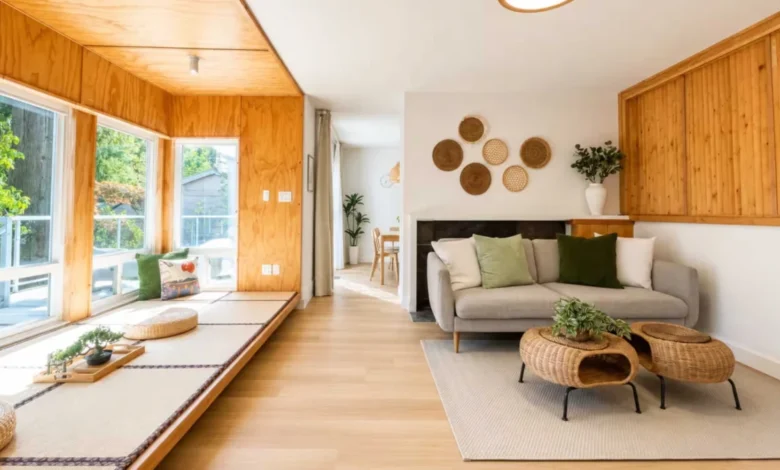
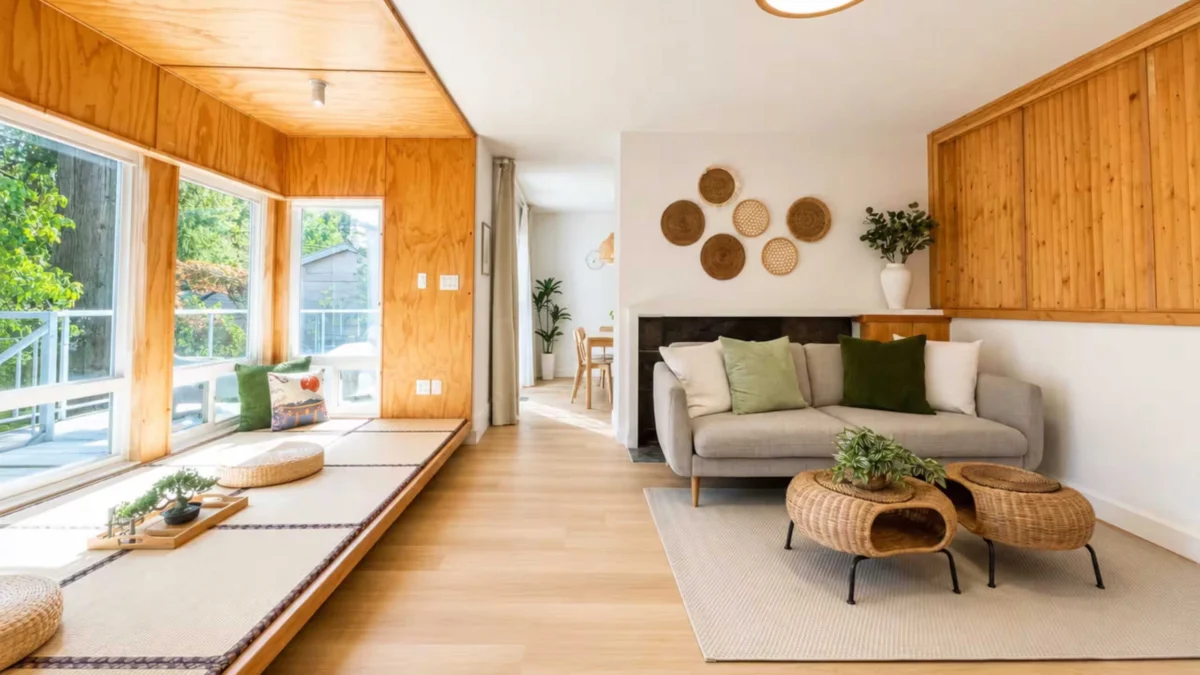
Choosing a short-term rental over a conventional hotel room has rapidly evolved from a budget alternative into a preferred travel strategy for those seeking neighborhood integration. Whether it is a sun-drenched log home nestled against the beach, a floating houseboat swaying gently in a sheltered marina, or a heritage home on a leafy residential street in Shaughnessy, vacation rentals provide travelers with spatial independence, local immersion, and proximity to exceptional culinary and natural landscapes.
The Evolution of Vancouver’s Neighborhood Tourism
Vancouver’s urban geography is uniquely shaped by its geography—hemmed in by the Coast Mountains and the Pacific Ocean. Because of this natural topography, the city developed as a collection of distinct, distinct villages, each possessing its own demographic profile, architectural style, and economic micro-climate.
Historically, tourism infrastructure was concentrated squarely in the downtown peninsula and the West End to accommodate cruise ship passengers and business travelers. However, shifts in municipal regulations, changing traveler preferences, and the rise of platform-based lodging over the past fifteen years have fundamentally decentralized tourism. Neighborhoods that were once strictly residential are now welcoming global visitors who wish to frequent neighborhood bakeries, independent bookstores, and local farmers’ markets rather than standard commercial tourist traps.
According to municipal tourism data and hospitality analysts, alternative accommodations have helped distribute economic benefits across Metro Vancouver’s various municipalities. Instead of funneling tourist dollars exclusively into downtown conglomerates, short-term rentals encourage spending in outer districts like Mount Pleasant, East Vancouver, and Kitsilano. This dispersion aligns with broader global urban tourism trends that favor sustainable, community-integrated travel over mass-tourism hubs.
Mapping the Districts: Where to Stay for Every Travel Style
Selecting the ideal neighborhood depends heavily on individual travel motivations, whether one seeks outdoor recreation, culinary exploration, or historical context. A breakdown of Vancouver’s premier residential sectors highlights the distinct advantages of each area:
Kitsilano: Coastal Living and Casual Elegance
For travelers whose ideal itinerary involves ocean breezes, mountain vistas, and active outdoor pursuits, Kitsilano is the undisputed champion. Centered around Kits Beach and the historic Kitsilano Pool, this neighborhood combines laid-back West Coast culture with upscale shopping along West 4th Avenue. Staying in a local Airbnb here places visitors within walking distance of seaside walking paths, trendy brunch spots, and paddleboarding launches. Furthermore, dedicated bike lanes and frequent transit buses connect Kitsilano to downtown in under fifteen minutes without requiring a personal vehicle.
Commercial Drive (The Drive): Counter-Culture and Culinary Diversity
Located in East Vancouver, Commercial Drive represents the city’s vibrant multicultural history and artistic spirit. Historically known as Vancouver’s Little Italy, the neighborhood has evolved into an eclectic mosaic of independent coffee roasters, vintage boutiques, live music venues, and global eateries. Accommodations here range from character-filled heritage suites to modern laneway houses. Staying along "The Drive" offers a glimpse into Vancouver’s progressive community ethos, where neighborhood activism, artisanal crafts, and public green spaces intersect.
Shaughnessy and South Granville: Historic Tranquility
For those seeking architectural heritage and tranquil surroundings, Shaughnessy provides an upscale residential retreat. Characterized by expansive, tree-lined avenues and historic English Tudor, Craftsman, and Georgian mansions built in the early 20th century, this area offers a quiet counterpoint to the city’s denser urban zones. While predominantly residential, it sits adjacent to South Granville’s Gallery Row and high-end design district, offering sophisticated dining and boutique shopping within an easy stroll.
Gastown and Yaletown: Industrial Chic and Urban Energy
While technically closer to the downtown core, Gastown and Yaletown offer entirely distinct architectural environments. Gastown, Vancouver’s oldest neighborhood, enchants visitors with 19th-century Victorian architecture, wrought-iron fire escapes, cobblestone streets, and the world-famous steam clock. Meanwhile, Yaletown features converted red-brick warehouses that now house chic loft-style apartments, sleek cocktail lounges, and yacht-lined marinas along the False Creek seawall.
Navigating Vancouver Without a Car
One of the most common concerns for travelers venturing outside downtown Vancouver is transportation logistics. Fortunately, the city boasts a comprehensive, multi-modal public transit network managed by TransLink.
The backbone of this system is the SkyTrain, a fully automated rapid transit rail system that connects downtown Vancouver to suburban hubs like Burnaby, New Westminster, and Surrey, as well as Vancouver International Airport (YVR). For neighborhood exploration, the bus network is dense and reliable, while the SeaBus passenger ferry connects downtown’s Waterfront Station to the bustling North Shore public market in Lonsdale Quay.
Additionally, Vancouver is one of North America’s most bicycle-friendly cities. The protected Mobi by Shaw Go bike-share program, combined with an extensive network of separated seawall pathways and neighborhood bikeways (known locally as greenways), allows visitors to pedal seamlessly across the city. For those venturing beyond municipal boundaries—such as embarking on a road trip up the Sea-to-Sky Highway to Whistler or catching a BC Ferry to Vancouver Island—car rental agencies are readily available throughout the metropolitan area, though advance reservations are strongly recommended during peak summer months.
Recommended Itinerary: Balancing Nature and Culture
Urban planners and local tourism boards consistently recommend a minimum three-day stay to adequately experience the dichotomous nature of Vancouver, which seamlessly bridges metropolitan sophistication with raw wilderness.
- Day 1: Urban Exploration and Historic Roots. Begin the morning with a coffee in Gastown before exploring the independent art galleries of Chinatown. Spend the afternoon shopping in South Granville or browsing the diverse culinary offerings at Granville Island Public Market, accessible via a charming Aquabus ferry.
- Day 2: Coastal Recreation. Dedicate the second day to Vancouver’s legendary outdoor spaces. Rent a bicycle and circumnavigate the 22-kilometer Stanley Park Seawall, stopping to view the historic First Nations totem poles at Brockton Point. In the afternoon, relax on the sandy shores of Kitsilano Beach or take a dip in the ocean-fed Kitsilano Pool.
- Day 3: Alpine Adventures and Suspension Bridges. Venture to the North Shore for an alpine experience. Cross the historic, swaying wooden planks of the Capilano Suspension Bridge or ride the Skyride tram up Grouse Mountain for panoramic views of the city skyline, Pacific coastline, and surrounding mountain ranges.
Regulatory Framework and Responsible Booking
As short-term rentals have expanded across Vancouver, municipal authorities have implemented stringent regulatory frameworks to protect the local long-term housing market. The City of Vancouver requires all short-term rental operators to obtain a valid business license and display the license number prominently on their listing advertisements. Furthermore, municipal bylaws mandate that short-term rentals may only operate out of a host’s principal residence—meaning entire homes or investment properties left vacant solely for tourism cannot legally operate as nightly rentals unless they comply with specific commercial zoning laws.
For travelers, booking listings that clearly display verified municipal license numbers ensures compliance with local laws and supports sustainable tourism practices. Industry experts advise reviewing Superhost and Guest Favorite designations, analyzing verified guest reviews, and confirming amenity lists prior to finalizing reservations.
Economic and Community Implications of Neighborhood Stays
The shift toward neighborhood-based lodging has generated measurable shifts in local economies. Small businesses, independent restaurateurs, and neighborhood bakeries operating outside the traditional tourist zones report increased foot traffic and patronage from international visitors.
Urban economists note that while traditional hotels remain vital for large-scale conventions and corporate tourism, short-term rentals act as a decentralizing economic force. By encouraging travelers to purchase groceries at neighborhood markets, dine at family-owned bistros, and utilize local transit networks, neighborhood stays foster a more distributive model of tourism revenue. This localized spending empowers small business ecosystems across diverse communities such as Mount Pleasant, Strathcona, and Kerrisdale.
Ultimately, experiencing Vancouver through the lens of a residential neighborhood transforms a standard sightseeing trip into a culturally enriching immersion. By trading generic hotel corridors for leafy residential streets, travelers gain unhindered access to the authentic rhythms, natural wonders, and culinary creativity that define Canada’s premier Pacific coastal city.
Related posts: