Christopher Nolan’s ambitious cinematic reimagining of Homer’s epic, The Odyssey, is currently commanding significant attention and impressive box office figures. However, for eager fans of the acclaimed filmmaker, a substantial period of anticipation awaits before his next directorial effort graces the silver screen. Nolan has indicated that audiences should prepare for a hiatus of “at least” three years before his subsequent project is unveiled.
This deliberate pacing aligns with Nolan’s established pattern of releasing new films approximately every three years. His recent filmography includes Oppenheimer in 2023, Tenet in 2020, Dunkirk in 2017, and Interstellar in 2014. The director confirmed in a recent interview with Today that this three-year interval is indeed the minimum timeframe he anticipates for the development and production of his next cinematic endeavor.
Nolan described the undertaking of bringing The Odyssey to the screen, a project for which he served as writer, director, and producer, as an experience that pushed him and his entire team to their absolute limits. He candidly shared with the NBC morning show, "I definitely hit the limits of my own stamina and everybody’s stamina, I think. I mean, it’s The Odyssey, of course it should be difficult. We’re not doing the job right making a film of The Odyssey if it doesn’t seem difficult." This statement underscores the profound challenge and dedication involved in translating such a monumental and historically significant narrative into a contemporary cinematic spectacle.
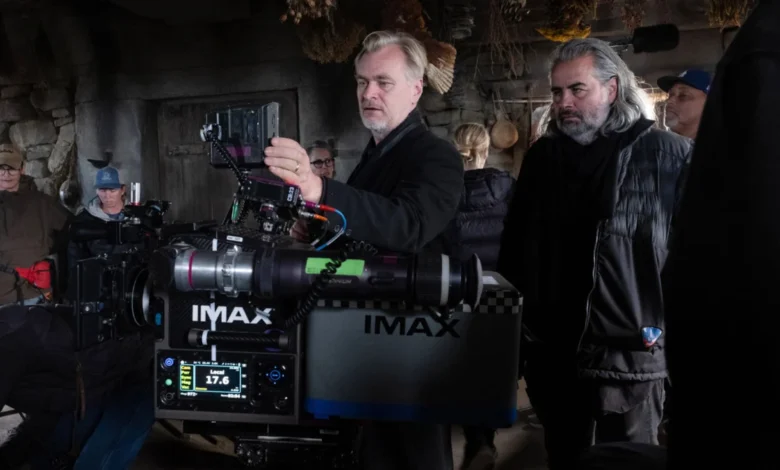
The production of The Odyssey marked a significant technical achievement, as Nolan opted to shoot the entire film using IMAX 70-millimeter film. He elaborated on this decision, stating, "I went to IMAX, and I said, ‘Look, if ever we are going to fulfill this dream of shooting the entire movie that way, this is the one. This is The Odyssey.’" This commitment to a specific, high-fidelity format reflects Nolan’s ongoing dedication to immersive and visceral cinematic experiences, aiming to transport audiences directly into the heart of Odysseus’s arduous journey.
Box Office Triumph and Critical Acclaim
The Odyssey has already proven to be a considerable success at the global box office. Upon its release, the film was projected to open to over $257 million worldwide. This figure positions it as Nolan’s most successful global opening since The Dark Knight Rises in 2012, which debuted with $249 million. This strong performance is a testament to Nolan’s established fanbase and his ability to craft films that resonate with a broad audience, blending intellectual depth with compelling visual storytelling.
The ensemble cast assembled for The Odyssey is a star-studded affair, featuring prominent actors such as Matt Damon, Anne Hathaway, Lupita Nyong’o, Robert Pattinson, Tom Holland, Zendaya, and Charlize Theron, among many others. The presence of such a caliber of talent, combined with Nolan’s directorial vision, has undoubtedly contributed to the film’s widespread appeal and critical discussion.
The Genesis of a Modern Epic
The decision to adapt Homer’s ancient Greek epic poem, The Odyssey, into a modern cinematic narrative is a bold one. The original epic, traditionally attributed to Homer, recounts the ten-year journey of the Greek hero Odysseus, King of Ithaca, as he attempts to return home following the Trojan War. His voyage is fraught with perils, including encounters with mythical creatures, divine interventions, and the loss of his entire crew. The narrative explores themes of homecoming, perseverance, loyalty, temptation, and the very nature of heroism.
Nolan’s choice to tackle such a foundational work suggests a desire to explore timeless human struggles and archetypes through his distinctive cinematic lens. His previous films have often delved into complex narratives, moral ambiguities, and grand-scale concepts, making The Odyssey a potentially fertile ground for his artistic exploration. The challenges inherent in adapting a text as revered and influential as The Odyssey are immense, requiring a delicate balance between fidelity to the source material and the need to create a compelling and accessible story for contemporary viewers.
Nolan’s Proven Track Record and The Three-Year Cycle
Christopher Nolan has cultivated a reputation as one of the most innovative and commercially successful filmmakers of his generation. His films, including the Dark Knight trilogy, Inception, Interstellar, and Dunkirk, have consistently pushed the boundaries of storytelling and technical filmmaking, often achieving both critical acclaim and substantial financial returns.
His directorial output has been characterized by a consistent, yet not rushed, release schedule. The approximate three-year gap between films allows for meticulous development, pre-production, and production phases, a necessity for his complex narratives and often ambitious shooting schedules. This deliberate approach has allowed him to maintain a high standard of quality and to explore a diverse range of subjects and genres, from science fiction thrillers to historical epics.
- 2014: Interstellar
- 2017: Dunkirk
- 2020: Tenet
- 2023: Oppenheimer
This established pattern suggests that the announcement of his next project will likely follow a similar timeline, with significant developments expected in the coming years. The extended period between films also allows for ample time for the intricate visual effects, sound design, and editing processes that are hallmarks of Nolan’s work.
The Demands of Adapting The Odyssey
Nolan’s acknowledgment of the immense difficulty in adapting The Odyssey speaks volumes about the scale and complexity of the undertaking. The original epic is a sprawling narrative that encompasses a vast geographical and mythological landscape. Translating this into a cohesive and engaging film requires not only a deep understanding of the source material but also a masterful command of cinematic language.
The "limits of stamina" to which Nolan referred likely encompass the immense creative, logistical, and emotional demands of bringing such a story to life. This includes:
- Script Development: Crafting a screenplay that captures the essence of Odysseus’s journey, his internal struggles, and the epic scope of his encounters while remaining engaging for a modern audience.
- Production Design: Recreating ancient worlds, mythical realms, and the vastness of the sea requires extensive research, meticulous set design, and often groundbreaking visual effects.
- Choreography and Stunt Work: The epic battles and perilous encounters necessitate complex choreography and skilled stunt performers.
- Performance Direction: Guiding a large ensemble cast through the emotional and physical demands of their roles, particularly in conveying the psychological toll of prolonged suffering and perseverance.
- Post-Production: The extensive editing, sound mixing, and visual effects work required to bring Nolan’s vision to fruition.
The fact that Nolan found the production to be inherently difficult reinforces the notion that he approached the material with the seriousness and respect it deserves. His statement, "We’re not doing the job right making a film of The Odyssey if it doesn’t seem difficult," suggests a belief that the struggle inherent in the story should be reflected in the filmmaking process itself.
The IMAX 70mm Commitment
Nolan’s insistence on shooting The Odyssey entirely on IMAX 70mm film is a significant statement about his commitment to the theatrical experience. This format, known for its unparalleled image quality, aspect ratio, and immersive sound capabilities, offers a level of visual fidelity that is distinct from traditional film or digital formats.
The use of IMAX 70mm is not merely a stylistic choice for Nolan; it is integral to his storytelling approach. He believes that this format can enhance the audience’s immersion and emotional connection to the narrative. For an epic journey like The Odyssey, with its vast landscapes, fantastical creatures, and intense action sequences, the IMAX 70mm format provides a canvas that can truly convey the scale and grandeur of Odysseus’s adventures.
This commitment also positions The Odyssey as a film designed to be experienced on the largest possible screens, encouraging audiences to return to cinemas for a truly cinematic event. The resurgence of interest in film exhibition, particularly for auteur-driven blockbusters, has been partly fueled by filmmakers like Nolan who champion the unique qualities of the theatrical experience. The success of Oppenheimer, which was also heavily promoted for its IMAX 70mm presentation, demonstrates the audience’s appetite for such premium cinematic encounters.
Implications and Future Outlook
The success of The Odyssey at the box office, coupled with Nolan’s announcement of a three-year hiatus, has several implications for the film industry and for fans of his work.
- Continued Demand for Nolan’s Films: The strong financial performance of The Odyssey reaffirms Nolan’s status as a filmmaker who can consistently draw large audiences and generate significant revenue. This ensures continued interest and investment in his future projects.
- The Value of Theatrical Experience: Nolan’s dedication to formats like IMAX 70mm reinforces the argument for the enduring importance of the theatrical experience, particularly for event films. His success in this arena may inspire other filmmakers to embrace similar premium formats.
- Anticipation for Future Projects: The three-year wait, while considerable, sets a clear expectation for Nolan’s next directorial offering. This allows for a sustained period of anticipation and discussion within the film community.
- The Evolution of Epic Storytelling: The Odyssey represents a significant modern interpretation of a classical epic. Its reception will likely influence future attempts to adapt foundational literary works for the screen, exploring how to balance historical context with contemporary cinematic sensibilities.
While the specifics of Nolan’s next project remain undisclosed, his consistent commitment to ambitious storytelling, technical innovation, and the power of cinema suggests that his future endeavors will undoubtedly be met with considerable anticipation. The extended creative gestation period for his films is not a sign of delay, but rather a reflection of his meticulous approach to filmmaking, ensuring that each project is a fully realized and impactful work of art. The success of The Odyssey serves as a powerful prelude to whatever epic journey Nolan decides to embark upon next.