Tag Los Angeles Fires

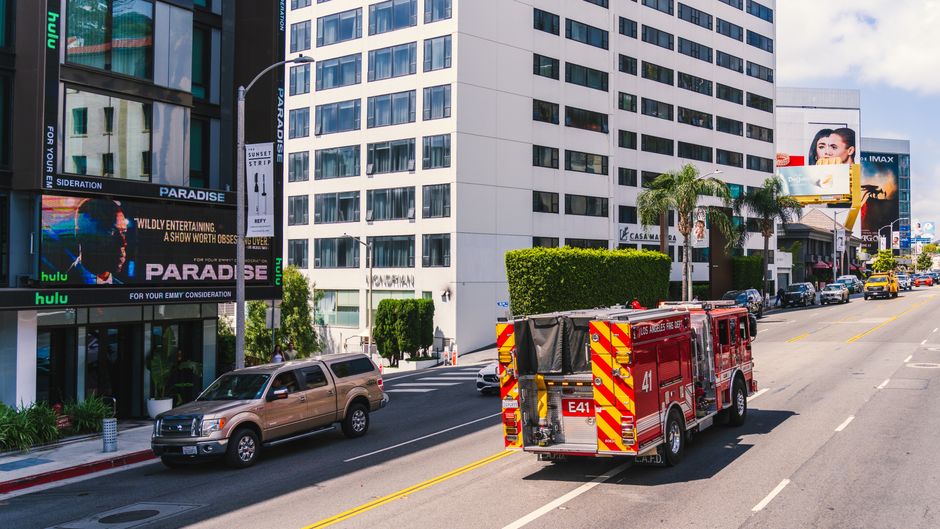
Los Angeles Fires: Understanding the Threat, Prevention, and Response
The landscape of Los Angeles, characterized by its sprawling urban development interspersed with wildland-urban interface (WUI) zones, has become increasingly susceptible to destructive wildfires. These fires, often exacerbated by Mediterranean climate patterns, pose a significant threat to life, property, and the environment. The frequency and intensity of Los Angeles fires have been on an upward trend, driven by a confluence of factors including climate change, increasing human activity in fire-prone areas, and historical land management practices. Understanding the dynamics of these fires, from their ignition sources and spread to effective prevention strategies and robust response mechanisms, is crucial for the safety and resilience of the region. The economic and social impacts are profound, necessitating a multi-faceted approach involving government agencies, community organizations, and individual citizens. Early detection, rapid containment, and long-term mitigation efforts are paramount to safeguarding communities against the devastating consequences of these natural disasters. The very nature of Los Angeles, with its dense population and proximity to vast natural areas, creates a complex and challenging environment for fire management.
Understanding the Causes and Contributing Factors
The ignition of Los Angeles fires is a complex interplay of natural and human-induced factors. Lightning strikes, while a natural phenomenon, account for a smaller percentage of ignitions in the region. The overwhelming majority are attributed to human activities. These include unattended campfires, discarded cigarettes, sparks from vehicles and machinery, arson, and faulty electrical equipment, particularly overhead power lines. The latter, amplified by Santa Ana wind events, has been a significant contributor to some of the most catastrophic fires in recent history. Santa Ana winds are hot, dry, and often gusty offshore winds that descend from the deserts and sweep across Southern California, drastically reducing humidity and fanning flames.
Climate change plays a pivotal role in exacerbating the wildfire threat. Rising global temperatures lead to hotter and drier conditions, increasing fuel moisture deficits. Prolonged droughts, a recurring feature of Southern California’s climate, further desiccate vegetation, transforming it into highly flammable tinder. The intensification of these drought cycles, with less frequent and less substantial rainfall, creates longer and more severe fire seasons. Furthermore, changes in precipitation patterns can influence vegetation growth, potentially leading to an increase in fine fuels that are easily ignited and rapidly spread fire. Invasive plant species, often more flammable than native vegetation, can also contribute to increased fire risk in certain areas. The ecological impact of these changes is also significant, affecting biodiversity and habitat for native species.
The urban expansion into WUI zones is a critical factor that directly increases the risk to human life and property. As development encroaches on natural landscapes, more homes and infrastructure are situated in areas prone to wildfires. This proximity creates a direct interface where fires can readily spread from wildlands to developed areas. The building materials and landscaping choices in these WUI zones can further influence fire behavior. Homes with wooden roofs, untreated wooden decks, and flammable landscaping materials are significantly more vulnerable to ignition from embers and radiant heat. The density of development in some of these interface zones also makes evacuation and firefighting efforts more challenging. The interconnectedness of these factors – ignition sources, climate, fuel load, and development patterns – creates a high-risk environment for Los Angeles fires.
Predicting and Tracking Wildfires: Early Detection and Monitoring
Effective management of Los Angeles fires hinges on robust early detection and monitoring systems. The sheer scale of the region and the vastness of its wildland areas necessitate a multi-pronged approach. Traditional methods include the deployment of fire lookouts in strategically positioned towers, providing crucial visual observation of smoke plumes. However, these are increasingly supplemented and enhanced by advanced technologies. Satellite imagery plays a vital role, with sensors capable of detecting thermal anomalies that indicate nascent fires. These systems can identify hotspots that might not be visible from the ground or from fixed lookout points.
Aerial patrols, utilizing aircraft equipped with infrared cameras and other sensing technologies, are crucial for covering large swaths of territory and for providing real-time information during active fire events. Drones are emerging as a valuable tool, offering greater flexibility and the ability to survey areas that are difficult to access by manned aircraft or ground crews. These drones can carry sophisticated cameras and sensors, providing detailed imagery and data on fire progression and intensity.
Ground-based sensors and camera networks are also being deployed in high-risk areas. These can detect changes in temperature, humidity, and smoke, triggering alerts to fire authorities. The integration of data from these diverse sources into centralized command centers allows for a comprehensive overview of the fire situation. Predictive modeling plays an increasingly important role in anticipating fire behavior. Sophisticated algorithms analyze weather patterns, fuel moisture levels, topography, and historical fire data to forecast where and when fires are most likely to occur and how they are likely to spread. This predictive capability allows fire agencies to pre-position resources, conduct controlled burns, and implement other preventative measures in vulnerable areas. The effectiveness of these detection and monitoring systems is directly proportional to the speed and efficacy of the subsequent response.
Wildfire Prevention Strategies: Mitigation and Community Preparedness
Preventing Los Angeles fires requires a proactive and multi-layered strategy that addresses both the ignition potential and the fuel load. Fuel management is a cornerstone of wildfire prevention. This involves reducing the amount of flammable vegetation in and around communities. Prescribed burns, carefully controlled fires conducted under specific weather conditions and with trained personnel, are an effective tool for reducing dense undergrowth and eliminating dead vegetation, thereby creating fuel breaks and reducing the intensity of potential wildfires. Mechanical thinning, the removal of trees and brush using machinery, is another method used to reduce fuel density, particularly in areas where prescribed burns are not feasible or desirable.
Creating defensible space around homes and structures is paramount for individual homeowners. This involves clearing flammable vegetation within a specified radius (typically 100-200 feet) around a building. This includes removing dead leaves and branches, trimming trees to create vertical clearance, and choosing fire-resistant landscaping. Home hardening techniques, which involve making structures more resistant to ignition from embers and radiant heat, are also critical. This includes using fire-resistant roofing materials, installing ember-resistant vents, enclosing eaves, and using double-paned tempered glass windows.
Public education campaigns play a vital role in fostering a culture of fire prevention within the community. These campaigns aim to inform residents about the risks associated with common ignition sources, such as improper disposal of smoking materials, the use of outdoor recreational equipment, and fireworks. Educating the public on the importance of responsible campfire practices and the safe use of tools that can create sparks is crucial. Community preparedness extends beyond individual actions. Neighborhoods can work together to create Community Wildfire Protection Plans (CWPPs), which identify local hazards, outline mitigation strategies, and establish communication protocols in the event of a wildfire. Evacuation drills and the development of clear evacuation routes are essential components of community preparedness.
Strict enforcement of regulations regarding the use of fireworks, particularly during dry periods, and restrictions on activities that can generate sparks, such as certain types of construction work, are also important preventative measures. Fire agencies actively monitor weather conditions and issue red flag warnings when critical fire weather is anticipated, advising the public to exercise extreme caution and adhere to any temporary restrictions on outdoor activities. The collaboration between fire agencies, local governments, and community members is essential for the success of these multifaceted prevention strategies.
Wildfire Response: Fighting the Flames and Protecting Lives
When a wildfire ignites, a swift and coordinated response is critical to containment and minimizing damage. The Los Angeles County Fire Department (LACFD), along with other regional fire agencies, is at the forefront of this effort. Their response is multi-faceted, employing a range of tactics and resources. Initial attack involves deploying ground crews and aircraft to the fire’s edge as quickly as possible to gain control before it escalates. This often includes hand crews, engine companies, and water-dropping helicopters and air tankers.
The effectiveness of the response is heavily reliant on air support. Helicopters can deliver water or fire retardant directly to the flames, while fixed-wing air tankers can lay down broader lines of retardant to slow fire spread. These aerial assets are often dispatched simultaneously with ground crews to maximize impact. Incident Command System (ICS) is the standardized management structure used to organize and direct the response. This ensures clear lines of communication and efficient allocation of resources, bringing together personnel from various agencies, including federal, state, and local entities, as well as specialized units like search and rescue and hazardous materials teams.
The tactics employed by firefighters are tailored to the specific characteristics of the fire. This includes direct attack, where crews engage the fire directly, and indirect attack, where they establish control lines ahead of the fire’s path, often utilizing natural barriers or creating fire breaks. Fire retardants, which are chemicals mixed with water to slow combustion and reduce flame spread, are strategically deployed by air and ground to create containment lines. Water resources are critical, with firefighters utilizing hydrants, water tenders, and drafting from natural water sources like lakes and rivers.
Evacuations are a crucial safety measure when a wildfire threatens populated areas. Emergency managers work with law enforcement to establish evacuation zones and routes, communicate with residents, and provide shelter and support. The speed and clarity of evacuation orders are vital for ensuring public safety. Post-fire assessment and recovery are also integral parts of the response. This includes assessing damage to infrastructure and property, providing aid to affected residents, and beginning the process of ecological restoration. The long-term impacts of wildfires, including erosion and habitat destruction, require sustained attention and rehabilitation efforts. The dedication and bravery of firefighters and other emergency personnel in the face of these dangerous conditions are essential to protecting the communities of Los Angeles.
The Long-Term Impact and Future of Los Angeles Fires
The consequences of Los Angeles fires extend far beyond immediate destruction. The economic impact is substantial, encompassing the cost of firefighting, property damage and loss, business interruption, and the expense of rebuilding. Insurance claims can run into billions of dollars, and the recovery process can take years. The environmental impact is equally profound. Wildfires can destroy ecosystems, leading to loss of biodiversity, habitat degradation, and soil erosion. Smoke plumes from large fires can travel hundreds of miles, impacting air quality across vast regions and posing significant health risks, particularly for vulnerable populations with respiratory conditions. The long-term effects on water quality can also be severe, as ash and debris wash into reservoirs.
Looking towards the future, addressing the escalating threat of Los Angeles fires requires sustained and evolving strategies. Climate change mitigation is paramount. Reducing greenhouse gas emissions globally will help to moderate rising temperatures and decrease the frequency and intensity of droughts that fuel wildfires. Locally, continued investment in fire prevention and suppression technology is crucial. This includes enhancing early detection systems, improving aerial firefighting capabilities, and developing more sophisticated predictive modeling tools.
Community resilience and adaptation are also key. This involves promoting fire-wise landscaping practices, encouraging homeowners to harden their structures against fire, and developing robust community preparedness plans. Land management practices need to be re-evaluated and adapted to the changing climate. This may involve more strategic use of prescribed burns and a greater emphasis on creating resilient landscapes that can better withstand fire. Policy and regulation will also play a vital role, including stricter building codes in WUI zones, enhanced enforcement of fire safety regulations, and continued support for research into wildfire behavior and mitigation. The ongoing challenge of Los Angeles fires demands a commitment to continuous learning, adaptation, and collaborative action from all stakeholders – government, communities, and individuals alike – to safeguard the region’s future.