Ohtani Ex Interpreter Sentencing
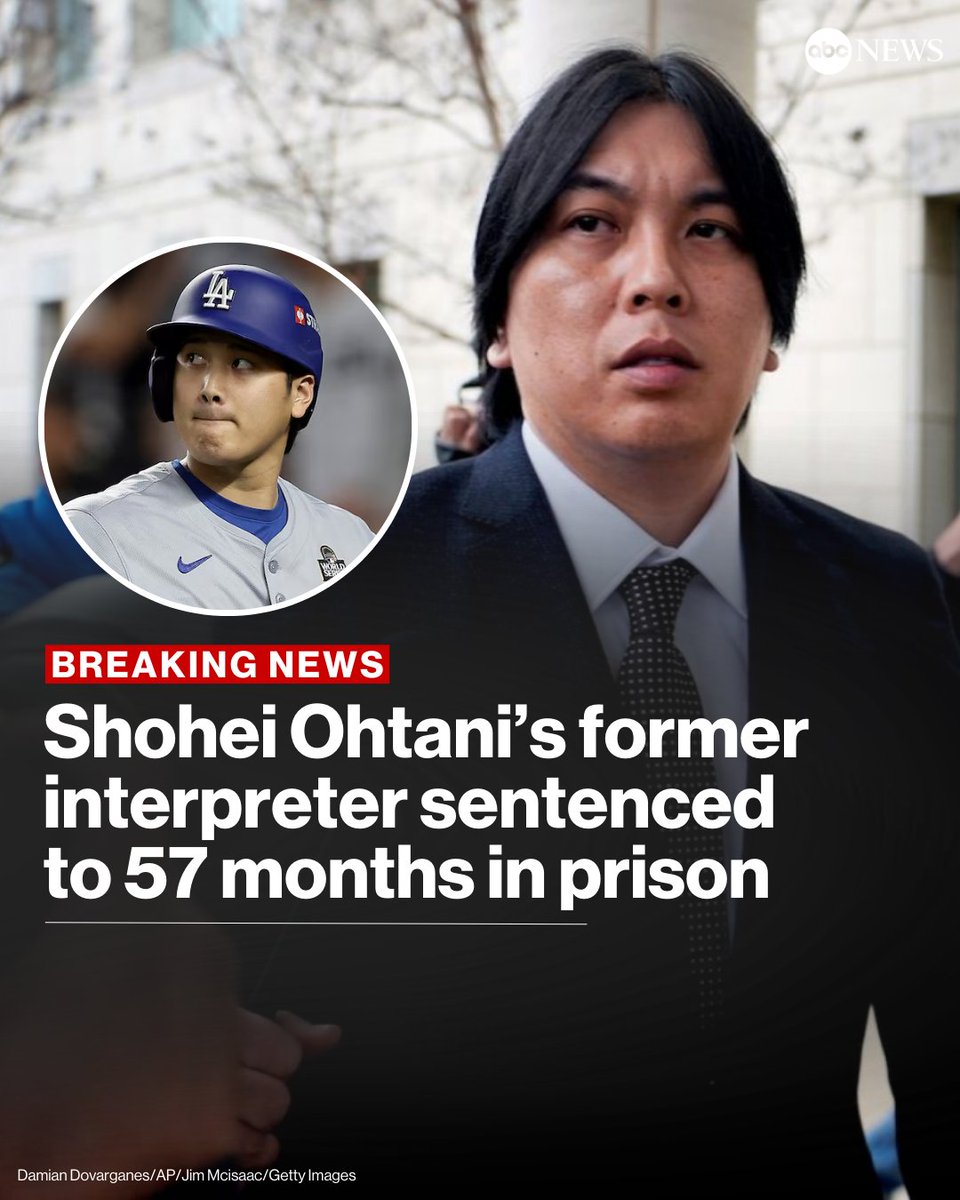
Ohtani Ex-Interpreter Sentencing: Unpacking the Legal Ramifications of Ippei Mizuhara’s Conviction
The legal proceedings and subsequent sentencing of Ippei Mizuhara, the former interpreter for baseball superstar Shohei Ohtani, have captivated public attention, drawing a stark spotlight onto issues of fraud, theft, and the complexities of celebrity relationships. Mizuhara pleaded guilty to federal charges of bank fraud and tax fraud in May 2024, stemming from allegations that he illicitly transferred millions of dollars from Ohtani’s accounts to pay off his own substantial gambling debts. The sentencing, a critical juncture in this high-profile case, has brought to the forefront the severity of his actions, the legal framework under which he was prosecuted, and the broader implications for professional athletes and their close associates. Understanding the sentencing requires a deep dive into the charges, the evidence presented, Mizuhara’s motivations and defense, and the legal precedents that inform such judicial decisions.
Mizuhara’s guilty plea resolved a federal investigation initiated after Ohtani’s representatives alerted authorities to suspected illegal activity. The core of the allegations centered on Mizuhara’s alleged unauthorized access to Ohtani’s bank accounts and the subsequent transfer of over $16 million to an illegal bookmaking operation. This intricate scheme, prosecutors argued, was not a one-off incident but a systematic pattern of deception that exploited the trust placed in him by Ohtani, who was at the time unaware of his interpreter’s gambling problem or the unauthorized financial transactions. The bank fraud charge, specifically, revolved around Mizuhara’s alleged misrepresentation to financial institutions to facilitate these transfers, creating a false narrative to bypass security protocols and access Ohtani’s funds. The tax fraud component of the charges arose from Mizuhara’s failure to report the illicitly obtained funds as income, thereby evading his tax obligations to the U.S. government.
The evidence presented during the investigation and subsequent plea negotiations painted a compelling picture of Mizuhara’s alleged actions. This included bank records, wire transfer confirmations, and communications that allegedly demonstrated Mizuhara’s direct involvement in the fraudulent scheme. Crucially, Ohtani himself cooperated fully with federal investigators, providing testimony that established his lack of knowledge and consent regarding the transfers. This cooperation was instrumental in distinguishing Mizuhara’s alleged individual criminal conduct from any potential complicity on Ohtani’s part, thus focusing the legal spotlight squarely on the interpreter. The prosecution’s case hinged on proving intent – that Mizuhara knowingly and willfully engaged in the fraudulent activities with the intent to deprive Ohtani of his money and to defraud financial institutions.
Mizuhara’s defense, prior to his guilty plea, initially explored various angles, including the possibility of Ohtani being aware of the gambling debts and implicitly consenting to the transfers. However, as the investigation progressed and the weight of evidence mounted, including Ohtani’s unequivocal denial and cooperation, Mizuhara opted to plead guilty. This decision likely stemmed from a strategic assessment of his legal position, acknowledging the strength of the prosecution’s case and seeking to mitigate potential penalties through an admission of guilt. The guilty plea itself is a significant legal outcome, representing an admission of responsibility for the alleged criminal acts.
The sentencing phase is where the judicial system formally imposes a penalty commensurate with the severity of the crimes and the defendant’s culpability. In Mizuhara’s case, the sentencing considerations are multifaceted. Federal sentencing guidelines, which provide a framework for judges to determine appropriate punishments, take into account factors such as the total amount of financial loss, the sophistication of the scheme, the defendant’s criminal history, and their acceptance of responsibility. For bank fraud, the maximum sentence can be up to 30 years in prison and a fine of up to $1 million. Tax fraud carries a maximum sentence of up to five years in prison and fines. The combination of these charges, coupled with the substantial sum of money involved, places Mizuhara in a category of offenses that typically warrant significant punitive measures.
Judicial discretion plays a vital role in sentencing. While guidelines provide a roadmap, judges have the authority to deviate based on specific circumstances. In Mizuhara’s case, several factors could influence the judge’s decision. His immediate and full cooperation with federal authorities after the allegations came to light is a significant mitigating factor. His acceptance of responsibility through the guilty plea is another crucial element that courts generally view favorably. The prosecution likely recommended a specific sentencing range based on the guidelines and the gravity of the offenses. Defense attorneys, conversely, would have presented arguments for a more lenient sentence, emphasizing factors like Mizuhara’s remorse, his willingness to make restitution, and his lack of prior criminal record.
Restitution is a particularly important aspect of white-collar crime sentencing. The court will likely order Mizuhara to repay the full amount of money he stole from Ohtani. This financial penalty can be imposed in addition to, or as part of, a prison sentence. The ability of Mizuhara to satisfy this restitution order will also be a consideration, as it demonstrates his commitment to rectifying the harm caused.
The broader implications of Mizuhara’s sentencing extend beyond the individual case. It serves as a cautionary tale for individuals in positions of trust, particularly within the high-stakes world of professional sports. Athletes often rely on a close circle of trusted advisors, including managers, agents, and personal staff, to manage their complex financial affairs. This case highlights the vulnerability that can arise when such trust is betrayed. It also underscores the importance of robust financial oversight and due diligence for athletes, even when dealing with individuals they believe they know intimately.
Furthermore, the legal framework for prosecuting financial crimes, particularly those involving sophisticated schemes like bank fraud, is continually being tested and refined by cases like this. The prosecution’s ability to secure a guilty plea, leveraging Ohtani’s cooperation and strong evidentiary support, demonstrates the effectiveness of federal investigative agencies in pursuing financial malfeasance. The sentencing will further solidify legal precedents regarding the penalties for such offenses, potentially influencing future cases with similar factual patterns.
The media frenzy surrounding the Ohtani-Mizuhara case has also brought attention to the ethical responsibilities of individuals working with public figures. While Mizuhara was not a public figure in the traditional sense, his close proximity to Ohtani placed him in a position where his actions could have significant public repercussions. The sentencing will be closely watched by the public, who will be looking for accountability and a sense of justice to be served.
In conclusion, the sentencing of Ippei Mizuhara for bank fraud and tax fraud is a pivotal moment in a legal saga that has captivated the sports world. It represents the culmination of a federal investigation that meticulously pieced together evidence of alleged financial malfeasance. The sentencing will be shaped by federal guidelines, judicial discretion, and a range of mitigating and aggravating factors, including Mizuhara’s acceptance of responsibility and the substantial financial harm caused. Beyond the individual punishment, the case serves as a significant reminder of the importance of trust, accountability, and robust financial safeguards in the world of professional athletics, and the legal consequences that follow their breach. The outcome of Mizuhara’s sentencing will undoubtedly resonate within the legal and sporting communities, offering lessons on integrity, due diligence, and the unwavering pursuit of justice when financial crimes are committed.