Us Investigates Worrying Bird Flu Strain On Duck Farm In California

US Investigates Worrying Bird Flu Strain on California Duck Farm
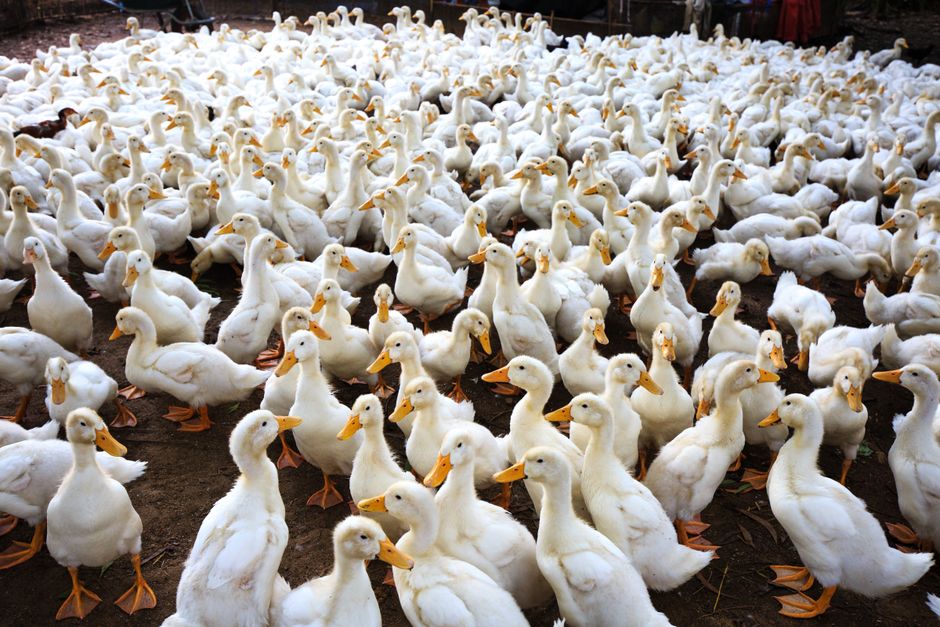
A significant outbreak of highly pathogenic avian influenza (HPAI) has been detected on a commercial duck farm in California, prompting an immediate and intensive investigation by the United States Department of Agriculture (USDA) and state animal health officials. This development marks a concerning escalation in the ongoing battle against a particularly virulent strain of the H5N1 virus, which has demonstrated increased transmissibility and a broader host range in recent years. The specific strain identified on the California farm is being meticulously analyzed to understand its genetic makeup, potential origins, and the extent of its threat to both domestic poultry populations and potentially, human health. The farm, which houses a substantial number of ducks, has been placed under strict quarantine to prevent further spread, with biosecurity measures being rigorously enforced to contain the virus. The economic implications for the Californian poultry industry, a significant contributor to the state’s agricultural output, are substantial. Producers are bracing for potential losses due to depopulation orders, trade restrictions, and the immense costs associated with biosecurity upgrades and disease eradication efforts. Beyond the immediate agricultural concerns, the presence of this HPAI strain in a densely populated poultry operation like a duck farm underscores the persistent public health risk associated with zoonotic diseases. While direct transmission of HPAI to humans is rare, it remains a possibility, particularly for individuals with close and prolonged contact with infected birds. Health agencies are monitoring the situation closely, reinforcing guidance on safe handling practices for poultry and emphasizing the importance of early detection and reporting of any unusual mortality events in bird populations, both wild and domestic. The investigation is multi-faceted, encompassing epidemiological tracing to pinpoint the source of introduction, environmental sampling to assess the virus’s persistence, and comprehensive health monitoring of remaining birds on the affected premises and at neighboring farms.
The current strain of HPAI under scrutiny on the California duck farm is part of a global resurgence of highly virulent avian influenza viruses. The H5N1 subtype, in particular, has evolved considerably over the past two decades, moving from primarily affecting waterfowl to demonstrating a capacity for wider dissemination among a variety of avian species, including domestic poultry and wild birds. The genetic evolution of these viruses is a constant concern for veterinary epidemiologists. Researchers are focused on characterizing the specific mutations present in the California isolate, as these mutations can influence virulence, host adaptation, and the potential for interspecies transmission. For instance, changes in the hemagglutinin (HA) and neuraminidase (NA) genes, the primary surface proteins of the influenza virus, can significantly impact its ability to bind to host cells and replicate. The ease with which the virus can spread within a commercial poultry setting, especially a large-scale duck operation, is a critical factor in assessing the magnitude of the outbreak. Ducks, being migratory waterfowl, are considered natural reservoirs for influenza viruses. However, the current HPAI strains are exhibiting a heightened ability to cause severe disease and high mortality rates in domestic poultry, unlike some of their less pathogenic predecessors. This enhanced virulence necessitates swift and decisive action to prevent widespread dissemination. The investigation team is employing a range of diagnostic tools, including real-time polymerase chain reaction (RT-PCR) assays to rapidly detect viral RNA and virus isolation and sequencing to identify the precise genetic makeup of the circulating virus. This detailed genetic information is crucial for tracking the movement of the virus, understanding its evolutionary trajectory, and informing the development of effective control strategies.
Biosecurity measures are at the forefront of the immediate response to the outbreak. The affected duck farm has been subjected to a complete lockdown. This involves preventing any movement of birds, poultry products, feed, or equipment on or off the premises. A buffer zone has been established around the farm, with intensified surveillance in surrounding areas. This includes monitoring wild bird populations for signs of infection, as wild birds can act as vectors for avian influenza viruses. The USDA’s Animal and Plant Health Inspection Service (APHIS) is coordinating with the California Department of Food and Agriculture (CDFA) and local veterinary services to implement these containment protocols. Depopulation of infected and exposed flocks is a standard, albeit difficult, procedure to rapidly reduce the viral load in the environment and prevent further spread. This is often followed by rigorous cleaning and disinfection of all farm structures and equipment to eliminate residual virus. The decision to depopulate is based on diagnostic findings and epidemiological assessments to ensure the most effective containment. The economic impact on the farm owners is profound. Beyond the direct loss of birds, there are costs associated with disposal, cleaning, disinfection, and the subsequent period of mandatory fallowing before restocking is permitted. Furthermore, the outbreak can lead to significant market disruptions. Many countries impose import bans on poultry products from regions experiencing HPAI outbreaks, even if the specific farm is isolated. This can have a ripple effect throughout the supply chain, impacting prices and availability for consumers. The long-term economic recovery for the affected region can take months, if not years.
The epidemiological investigation is crucial for understanding how the virus was introduced to the California duck farm. Potential introduction pathways include contact with wild birds, contaminated feed or water, the introduction of new birds without proper quarantine, or even human traffic carrying the virus on clothing or equipment. The investigation team is conducting thorough interviews with farm personnel, reviewing farm records, and collecting environmental samples to identify the most likely source of the outbreak. This information is vital for refining biosecurity protocols and preventing future introductions. Tracing the movement of any birds or products from the affected farm in the preceding weeks is a critical component of this investigation. This involves identifying any other farms that may have received birds or products from the infected premises, or any individuals who may have had contact with the farm. This detailed epidemiological mapping is essential for early detection of potential secondary outbreaks. The role of wild birds as reservoirs and potential spreaders of avian influenza is a constant focus. While the current investigation is centered on a commercial farm, APHIS and state wildlife agencies are also intensifying surveillance of wild bird populations in the region. This involves monitoring for unusual mortality events in wild birds and collecting samples for testing. Understanding the prevalence of HPAI in wild populations can provide valuable insights into the broader epidemiological landscape and inform proactive management strategies.
The public health implications of this outbreak, while not an immediate crisis, are a significant consideration. Avian influenza viruses, including H5N1, have the potential to infect humans. While human cases are rare and typically occur in individuals with close contact with infected birds, the possibility of adaptation and efficient human-to-human transmission remains a concern for global health authorities. The World Health Organization (WHO) and the Centers for Disease Control and Prevention (CDC) are closely monitoring the situation. They are emphasizing existing public health recommendations, such as avoiding contact with sick or dead birds and practicing good hygiene. The genetic sequencing of the virus is particularly important in this context. Scientists are looking for specific genetic markers that might indicate an increased propensity for mammalian adaptation or human transmission. The ongoing surveillance of both animal and human populations is a crucial element of the global pandemic preparedness strategy. The identification of an HPAI strain on a large duck farm highlights the interconnectedness of animal health, human health, and the environment, a concept known as One Health. This interdisciplinary approach is essential for effectively managing emerging infectious diseases.
The economic impact on the Californian agricultural sector extends beyond the immediate farm. The poultry industry is a significant employer and contributor to the state’s economy. Outbreaks of avian influenza can lead to trade restrictions, not only with other countries but also between states, causing supply chain disruptions and price volatility. The loss of export markets can be devastating for producers. For example, the United States is a major exporter of poultry products, and widespread outbreaks can jeopardize these markets. The investigation and response efforts are coordinated to minimize these economic consequences while prioritizing disease control. This includes working with industry stakeholders to ensure clear communication, provide guidance on enhanced biosecurity, and offer support for affected producers. The financial burden of disease control is substantial, involving the costs of surveillance, diagnostics, depopulation, disposal, cleaning, disinfection, and restocking. These costs are often borne by a combination of government agencies and the affected industry. The long-term sustainability of the poultry industry in California, and indeed globally, hinges on its ability to effectively manage and prevent outbreaks of highly pathogenic avian influenza. This requires ongoing investment in research, technological advancements in diagnostics and vaccines, and the consistent implementation of robust biosecurity practices at all levels of production.
The scientific community is actively engaged in understanding the evolving nature of avian influenza viruses. Research efforts are focused on several key areas: understanding the ecology and epidemiology of HPAI in wild bird populations, identifying genetic factors that contribute to virulence and host adaptation, and developing more effective vaccines for poultry. The current outbreak on the California duck farm provides a valuable opportunity for in-depth study of the specific strain. This includes detailed virological characterization, host-pathogen interaction studies, and environmental persistence assessments. The data generated from this investigation will contribute to the broader scientific understanding of HPAI and inform future disease control strategies. The development of broad-spectrum antiviral drugs and the exploration of novel vaccine technologies, such as mRNA vaccines, are also areas of active research that could provide additional tools for managing future outbreaks. The lessons learned from this California outbreak will be critical for refining response plans and strengthening preparedness for future HPAI events. The ongoing investigation is a testament to the coordinated efforts of multiple agencies and stakeholders dedicated to protecting animal health, public health, and the agricultural economy from the persistent threat of avian influenza.


