Best Ptz Security Cameras

The Definitive Guide to Selecting and Implementing the Best PTZ Security Cameras for Optimal Surveillance
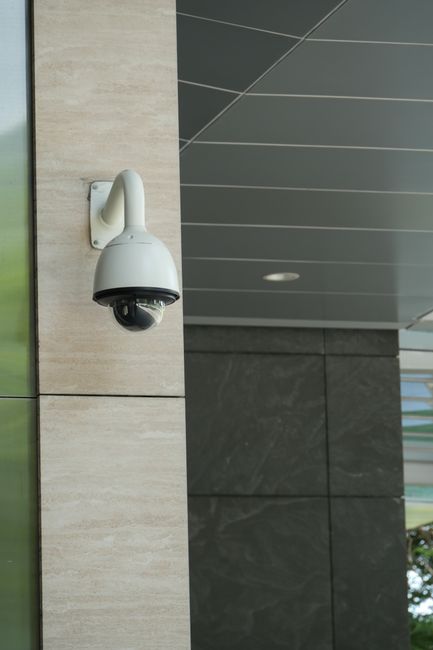
The strategic deployment of PTZ (Pan-Tilt-Zoom) security cameras represents a significant advancement in modern surveillance capabilities, offering dynamic and comprehensive coverage that static cameras cannot match. These cameras, equipped with motorized heads allowing for remote control of their viewing direction and focal length, are essential for monitoring large areas, tracking moving objects, and identifying individuals with remarkable detail. The "best" PTZ security camera for a given application is not a one-size-fits-all designation; rather, it depends on a confluence of factors including resolution, optical zoom, low-light performance, connectivity options, durability, and advanced features like AI-powered analytics. Understanding these components is paramount to making an informed decision that maximizes return on investment and ensures effective security outcomes. This guide will delve into the critical considerations for selecting and implementing the optimal PTZ security camera solution for diverse surveillance needs.
Resolution is a foundational element determining the clarity and detail captured by a PTZ camera. Higher resolutions, such as 1080p (Full HD), 2K (1440p), 4K (2160p), and even higher, translate to sharper images, allowing security personnel to distinguish faces, license plates, and other vital identifying information from a distance. For applications demanding minute detail over extended ranges, such as monitoring parking lots, industrial sites, or public spaces, 4K resolution is increasingly becoming the standard. The benefit of higher resolution is amplified by the camera’s zoom capabilities; a 4K camera zoomed in will retain significantly more detail than a lower-resolution camera at the same zoom level. When evaluating resolution, it’s also important to consider the frame rate (FPS – frames per second). A higher frame rate results in smoother video footage, crucial for tracking fast-moving subjects or capturing fleeting events accurately. For most surveillance applications, 15-30 FPS is generally sufficient, though higher frame rates might be beneficial in specific scenarios.
Optical zoom is arguably the most defining feature of a PTZ camera. It allows the camera lens to physically magnify the image without significant loss of quality, unlike digital zoom which merely crops and enlarges pixels. The power of the optical zoom is measured by a numerical multiplier (e.g., 4x, 10x, 30x, 50x). A higher optical zoom factor enables the camera to capture clear images of subjects located at considerable distances. For comprehensive perimeter security or monitoring vast expanses, cameras with 20x optical zoom or greater are often necessary. The combination of high resolution and substantial optical zoom is what empowers PTZ cameras to effectively surveil large areas and zoom in on specific points of interest with remarkable clarity. Consider the furthest distance you anticipate needing to identify details; this will be a primary driver for the required optical zoom capability.
Low-light performance is a critical, often overlooked, factor in security camera selection. The effectiveness of any camera is severely diminished in darkness or poor lighting conditions, leading to grainy, unusable footage. Modern PTZ cameras incorporate advanced technologies to overcome these challenges. Starlight technology, often found in high-end models, allows cameras to capture color images in extremely low light conditions. Infrared (IR) illumination, built into many PTZ cameras, provides black and white images in complete darkness, enabling surveillance 24/7. The range and effectiveness of IR illumination are crucial, with higher-powered IR LEDs capable of illuminating greater distances. When assessing low-light performance, look for specifications like minimum lux levels the camera can operate at, and the effective IR range. Some cameras also feature Wide Dynamic Range (WDR) or Digital Wide Dynamic Range (DWDR) which helps to balance brightly lit and shadowed areas within the same frame, preventing blown-out highlights and deep shadows, thus improving overall image quality in challenging lighting.
Connectivity options are vital for integrating PTZ cameras into an existing or new surveillance infrastructure. The most common connection type is Ethernet (IP), supporting Power over Ethernet (PoE), which simplifies installation by transmitting both data and power over a single network cable, reducing the need for separate power outlets. Wi-Fi connectivity is also available on some models, offering greater flexibility in placement, though wired connections generally provide more reliable and stable performance. For integration with Network Video Recorders (NVRs) or Video Management Systems (VMS), compatibility with standard protocols like ONVIF (Open Network Video Interface Forum) is essential. ONVIF compliance ensures interoperability between cameras and recording devices from different manufacturers, offering greater flexibility and avoiding vendor lock-in. Some higher-end PTZ cameras also offer advanced network features such as built-in analytics, cloud storage capabilities, and remote access via mobile apps or web browsers.
Durability and environmental resistance are paramount for PTZ cameras deployed in outdoor or industrial environments. These cameras are often exposed to harsh weather conditions, including rain, snow, dust, extreme temperatures, and direct sunlight. Look for cameras with high Ingress Protection (IP) ratings, such as IP66 or IP67, which indicate a high level of protection against dust and water ingress. For extreme temperatures, check the operating temperature range specified by the manufacturer. Vandalism is another concern, particularly in public areas. Cameras designed for outdoor use often feature robust housing and tamper-resistant designs. PTZ cameras are also subject to greater mechanical stress due to their moving parts. Manufacturers often specify the expected lifespan or number of pan/tilt cycles the camera can withstand, which can be an indicator of its build quality and longevity.
Advanced features and analytics are increasingly differentiating PTZ security cameras, offering enhanced functionality beyond basic video capture. AI-powered object detection and recognition are becoming standard, enabling cameras to differentiate between humans, vehicles, and other objects, significantly reducing false alarms. This can trigger specific actions such as alerts, different recording profiles, or targeted PTZ movements. Preset positions and patrol routes are fundamental PTZ functions, allowing the camera to automatically move to pre-programmed locations or follow a predefined path for continuous monitoring. Auto-tracking is another powerful feature that allows the camera to automatically follow a detected moving object, keeping it within the frame. Some advanced PTZ cameras also offer features like thermal imaging for detecting heat signatures, audio detection for identifying sounds like glass breaking or gunshots, and facial recognition for identifying known individuals. The integration of these intelligent features transforms PTZ cameras from passive surveillance devices into active security assets.
When selecting a PTZ security camera, it’s crucial to consider the specific application and environment. For large outdoor areas like parking lots or construction sites, a high-resolution camera with substantial optical zoom (e.g., 30x or more) and excellent IR illumination is essential. For indoor monitoring of warehouses or retail spaces, a slightly lower zoom might suffice, but good low-light performance and AI analytics for people counting or intrusion detection could be more valuable. For critical infrastructure or high-security areas, a combination of high resolution, long-range zoom, advanced analytics, and robust build quality is necessary. The ease of installation and maintenance should also be factored in. PoE simplifies wiring, and user-friendly software for configuration and remote access can significantly reduce ongoing operational costs.
The implementation of PTZ security cameras involves more than just mounting the device. Proper placement is critical to maximize their field of view and leverage their pan-tilt-zoom capabilities. Strategic positioning can cover blind spots and ensure optimal coverage of key areas. For optimal coverage, consider mounting PTZ cameras at elevated points to provide a wide panoramic view. When setting up patrol routes, ensure that the camera’s speed and movement allow for sufficient detail capture at each preset point. Integrating PTZ cameras with other security systems, such as access control or alarm systems, can create a more comprehensive and responsive security posture. For example, a PTZ camera can be programmed to automatically zoom in on an area when an access control point is triggered or an alarm is activated.
The ongoing management and maintenance of PTZ security cameras are vital to their long-term effectiveness. Regular software updates are necessary to patch security vulnerabilities and introduce new features. Periodic cleaning of the camera lens and housing will ensure optimal image quality. For cameras exposed to harsh environments, regular checks of seals and connectors are important to prevent water and dust ingress. The mechanical components of PTZ cameras, while robust, can eventually wear out. Manufacturers often provide maintenance schedules or diagnostic tools to monitor the health of the camera’s moving parts. Remote management capabilities provided by many modern PTZ systems allow for efficient monitoring and troubleshooting without the need for on-site visits, saving time and resources.
The market offers a wide array of PTZ security camera brands, each with its own strengths and specializations. Leading brands often excel in areas like image quality, advanced analytics, and build durability. Researching reviews and comparing specifications from reputable manufacturers is a crucial step in the selection process. Consider established players known for reliability and innovation. The total cost of ownership should also be evaluated, encompassing not only the initial purchase price but also installation, ongoing maintenance, and potential subscription fees for cloud services or advanced analytics. The "best" PTZ security camera is ultimately the one that aligns most closely with your specific security objectives, budget, and technical infrastructure, offering the optimal balance of performance, reliability, and advanced functionality to meet and exceed your surveillance requirements.


