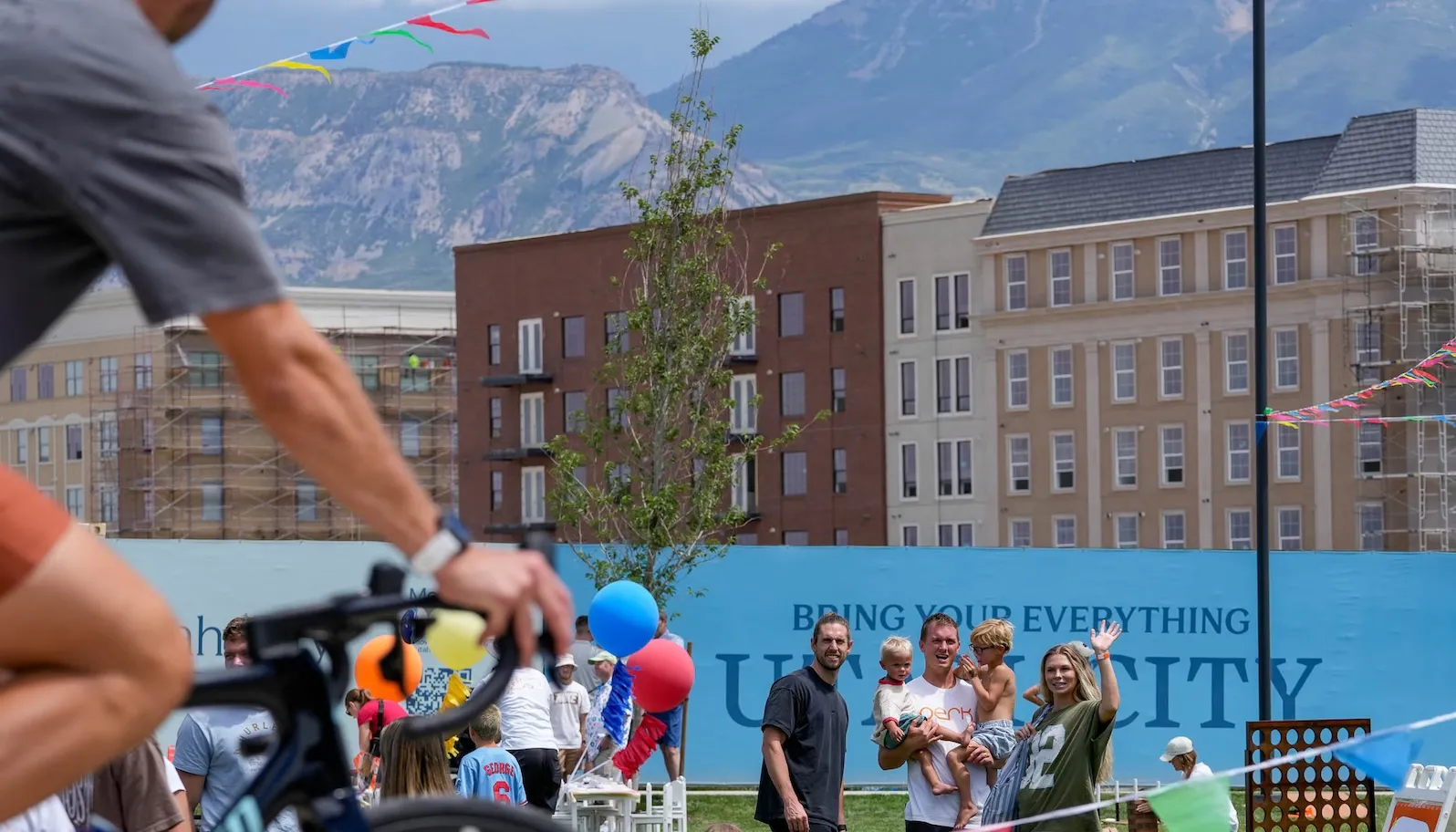
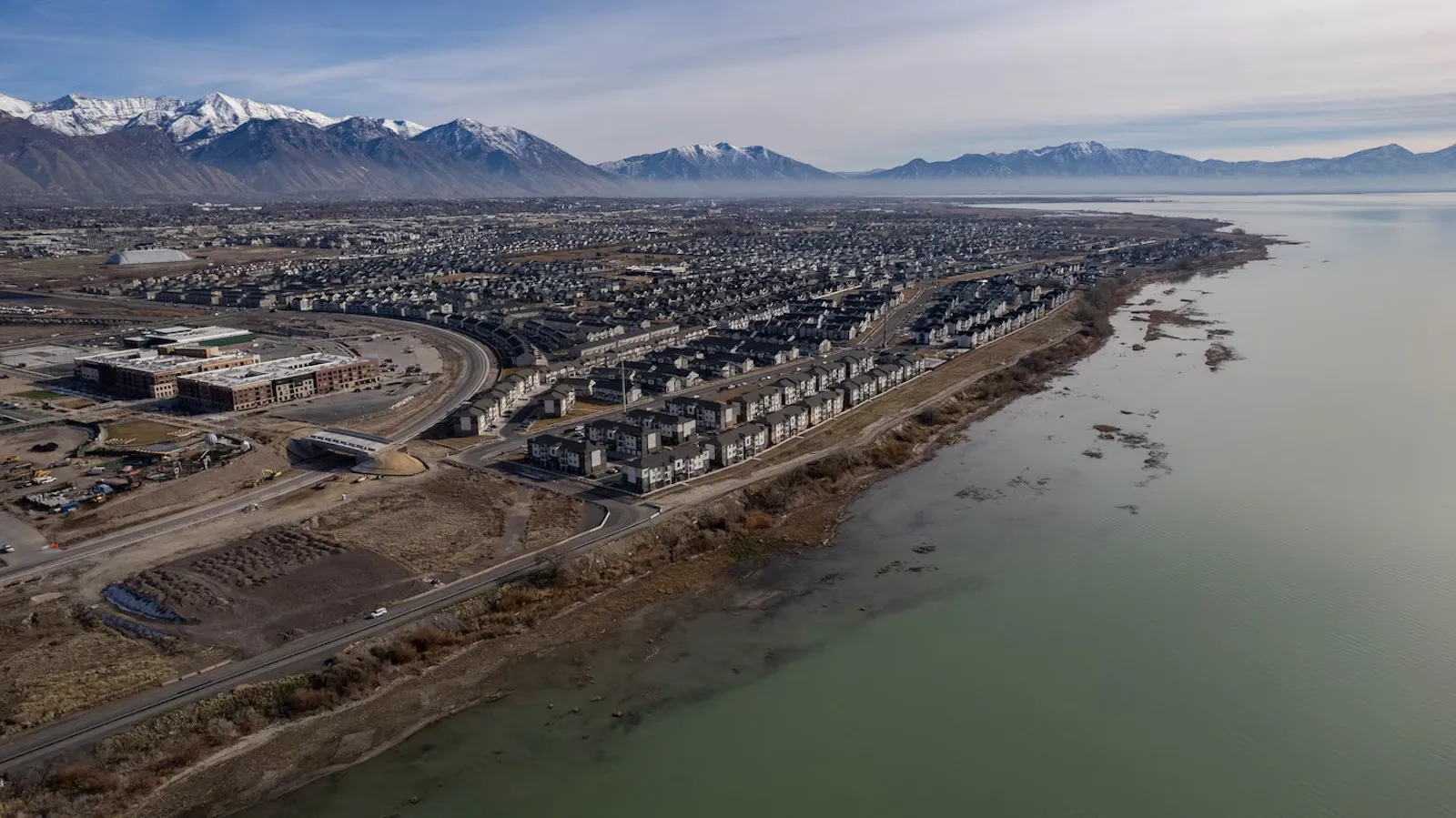
On a sweltering midsummer afternoon in Vineyard, Utah, Sarah Miller navigated her bicycle along the Greenline, a meticulously manicured promenade that serves as the backbone of Utah City. Her 5-year-old son trailed behind, pedaling toward the shores of Utah Lake. They were among the few people enjoying the vibrant, modern parkland that has risen from the ashes of a defunct industrial giant. Vineyard, once a quiet enclave of 139 residents in 2010, has exploded into a bustling municipality of 16,000, and Utah City is the crown jewel of its transformation—a planned, high-density, transit-oriented development designed to serve as the region’s new downtown.
However, beneath the polished aesthetics of the Greenline’s wooden play structures and the sleek, glass-fronted storefronts of local businesses like Bella’s Market, a fierce political and philosophical struggle is unfolding. As the project enters its next phase of development, it faces mounting skepticism from local officials, concerns over public financing, and a broader national debate about whether the "New Urbanist" dream of walkable, car-free living can truly take root in a state culturally and geographically tethered to the automobile.
The Evolution of the Geneva Steel Site
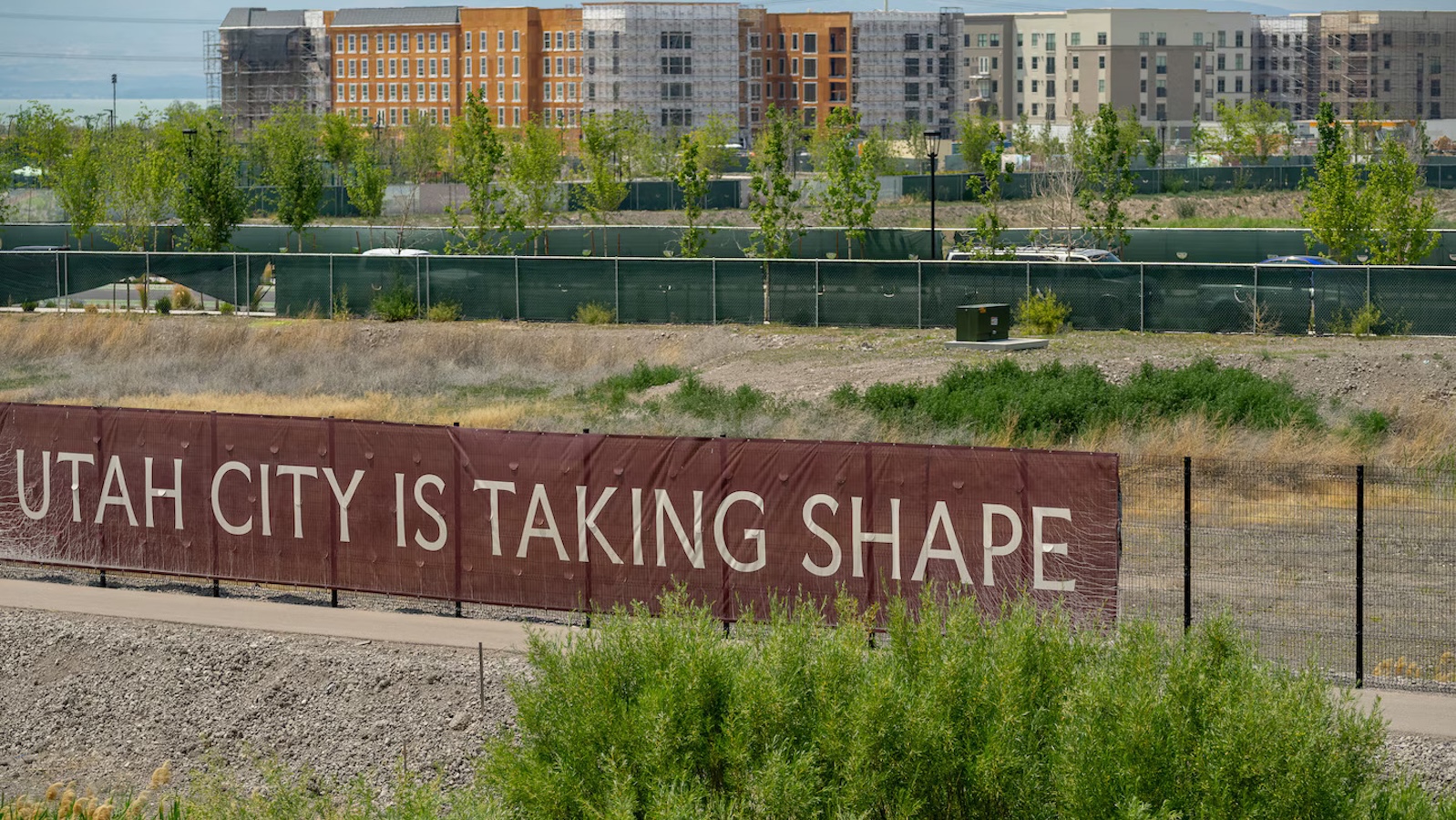
The ground upon which Utah City stands carries a heavy historical weight. For decades, the site was dominated by the Geneva Steel plant, a massive industrial complex that was a cornerstone of Utah’s economy during and after World War II. Following the plant’s closure in the early 2000s, the property sat largely vacant—a vast, contaminated brownfield on the edge of a rapidly urbanizing Wasatch Front.
Recognizing the potential to revitalize the shoreline, former Vineyard officials devised an ambitious redevelopment strategy. They created tax incentives to facilitate the remediation of the site and greenlit high-rise zoning, hoping to lure developers who could turn the derelict land into a dense, tax-generating economic engine. The arrival of a Utah Transit Authority (UTA) FrontRunner commuter train stop in 2022 provided the final piece of the puzzle: a direct, high-capacity link to the rest of the state’s urban corridor.
Flagborough LLC, the primary developer, took the reins with a vision to break the cycle of suburban sprawl. By prioritizing pedestrians over parking lots and high-density residential towers over single-family subdivisions, they aimed to combat the seasonal smog and traffic congestion that plague the Wasatch Front. According to Nate Hutchinson, a partner at The Flagship Companies and Flagborough, the sheer scale of the project—spanning 700 acres and projected for completion over 15 to 20 years—is its greatest strength.
A Growing Political Divide
Despite the developer’s ambitious narrative, the project’s reception has soured among newly elected Vineyard leadership. Following a municipal election that brought in Mayor Zack Stratton and several new City Council members, the city’s approach to the development has shifted from enthusiastic partnership to cautious, if not adversarial, oversight.
The tension centers on the use of public funds and the perceived "luxury" nature of the project. Vineyard’s council members have expressed frustration over the financial incentives granted to developers, particularly as land values climb. In 2026 alone, the city paid $4.5 million to developers for infrastructure and related costs, a figure that has prompted local officials to launch an internal investigation.
"Maybe it can work, maybe it can’t," said Councilman Jacob Wood, who took office in January. "It’s a gamble, but they shouldn’t be gambling with city money."
Councilman David Lauret echoed this sentiment, arguing that the public-private partnership is overly beneficial to the developers at the expense of taxpayers. "The problem we have is many of the citizens feel they’re trying to use our money toward building their business," Lauret stated. "It’s all rental facilities. We’re basically helping to hand them a business they’ll make money with in perpetuity."
The Economic Reality of Density
The debate is further complicated by the stark demographic and cultural realities of Utah. While the developers tout the benefits of walkability, data suggests a significant friction between that ideal and the actual habits of Utah residents. According to 2023 U.S. Census Bureau estimates, 79 percent of Utahns commute to work by driving alone. In Utah County specifically, public transit ridership remains below 2 percent.
Sarah Moser, a professor of urban and cultural geography at McGill University, draws parallels between Utah City and other global "from-scratch" cities, such as Saudi Arabia’s King Abdullah Economic City. Moser notes that while planners often have the "best intentions," these projects frequently struggle when they fail to account for the deep-seated cultural preference for car ownership and the prestige associated with detached, single-family homes.
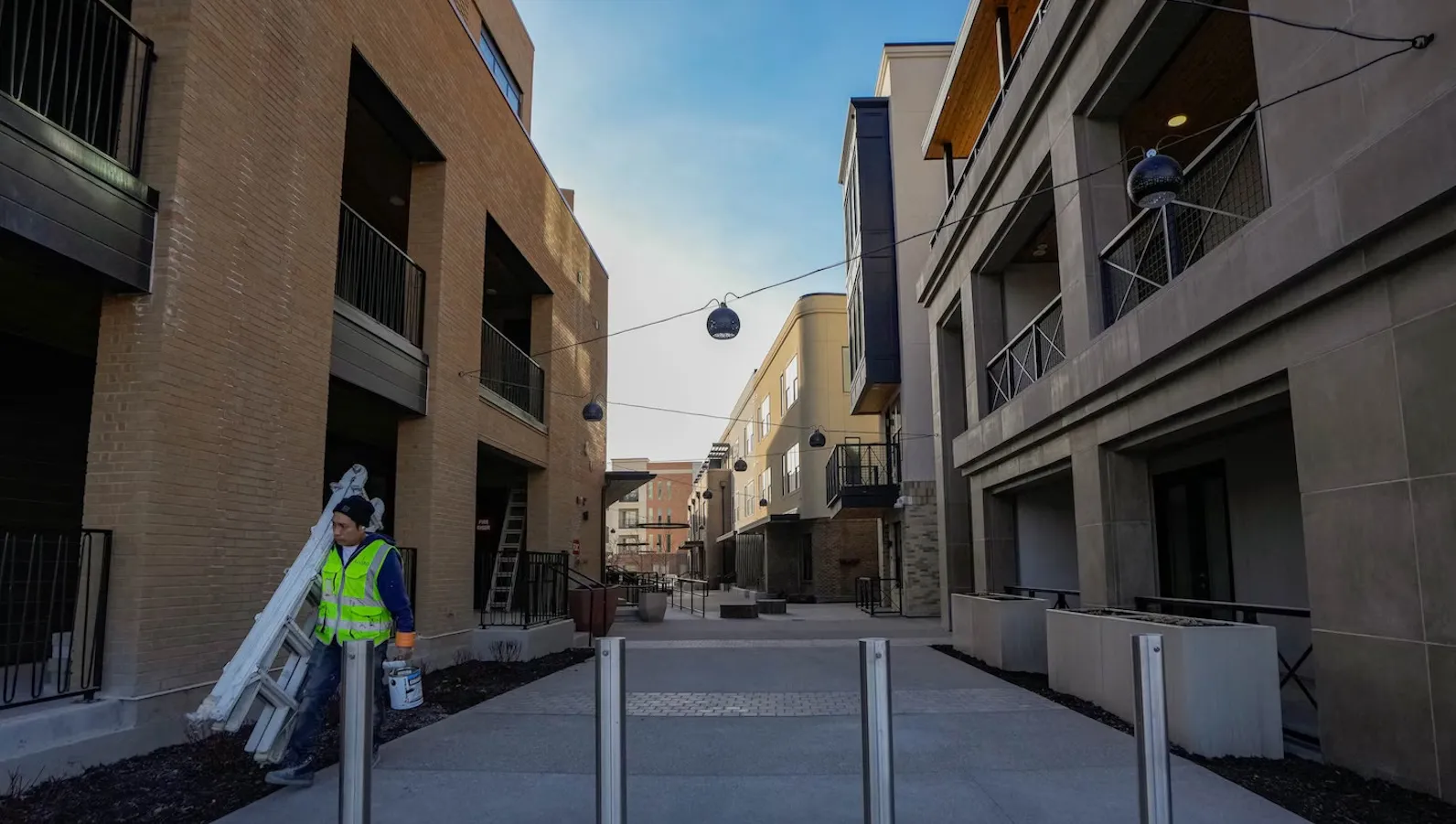
Furthermore, the issue of affordability has become a flashpoint. While developers initially promised "attainable" units—defined as costing 30 percent or less of a household’s income—the current reality is a luxury-leaning rental market. Studio apartments in Utah City start at $1,325, while two-bedroom units can exceed $2,500. For a region grappling with a housing affordability crisis—where the average home price reached approximately $585,000 in mid-2026—critics argue that Utah City is not solving the problem for the working-class families it once claimed it would serve.
Looking Toward the Future
Despite the criticism, the project is moving forward, and there are signs of tangible success. As of November, the first phase of rental units has seen "ahead of pace" leasing, and the developers are actively planning the next stages of the site. A significant milestone is scheduled for 2028, when the Huntsman Cancer Institute opens a major research and clinical facility on the site. The move is expected to bring 450 high-skilled jobs to the area, serving as a critical anchor for further development.
Additionally, the potential for a Utah Valley University satellite campus and future light industrial and biomedical facilities could diversify the site’s economic base, potentially shifting the conversation from a pure "luxury rental" model to a more sustainable, mixed-use hub.
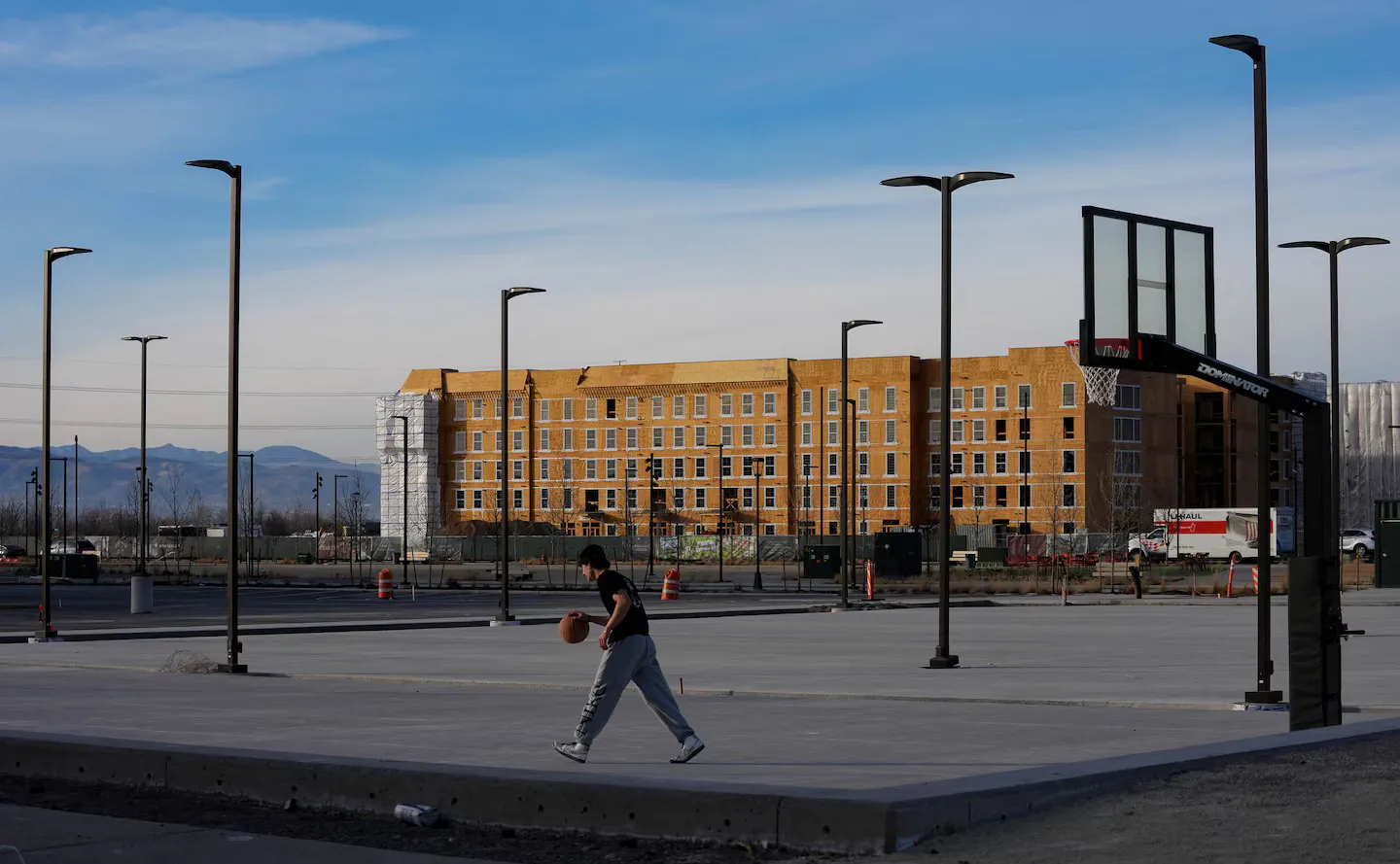
For the developers, the project is a long-term play against the inevitable costs of regional growth. "The question isn’t getting Americans to give up their cars," says urban designer Jeff Speck, who has been tapped for the project. "It’s creating an environment in which they just want to use them less."
As Utah’s population continues to surge, the state faces a multi-billion dollar question: continue pouring tax revenue into the expansion of Interstate 15, or invest in the transit-oriented density that Utah City represents? Hutchinson argues that the infrastructure for transit—the FrontRunner train—is already here. The challenge, he maintains, is building the destination that makes people want to use it.
Whether Utah City succeeds as a model for the future or becomes a cautionary tale of municipal overreach remains to be seen. What is clear is that the project has forced a necessary, if contentious, conversation about how the rapidly expanding Wasatch Front will accommodate its future citizens. For now, the "rad" and "vibey" lifestyle celebrated by early residents like the Larsens serves as the primary marketing tool for a vision that is still very much in flux, caught between the high-minded ambitions of planners and the pragmatic, and often car-dependent, realities of the American West.