Historic Weather Conditions Force Unprecedented Postponement of the 100th Macy’s Thanksgiving Day Parade to Saturday November 28

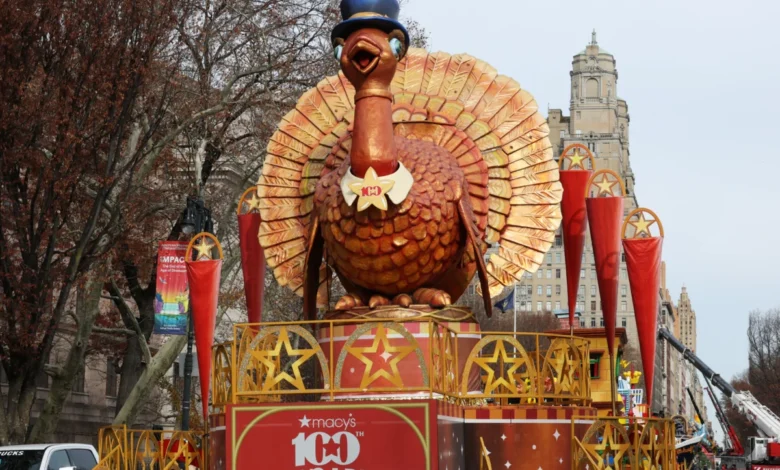
For the first time in its century-long history, the Macy’s Thanksgiving Day Parade has been officially postponed due to severe weather, shifting the highly anticipated centennial celebration from its traditional Thursday morning slot to Saturday, November 28. The decision follows urgent warnings from meteorologists regarding a powerful storm system sweeping across the Eastern Seaboard, which is expected to bring heavy rainfall, localized flooding, and dangerous wind gusts that pose a significant risk to the parade’s iconic giant balloons and large-scale float structures.
The announcement, released by Macy’s executive leadership in coordination with New York City municipal agencies, marks a watershed moment for one of the nation’s most enduring cultural fixtures. While the parade has faced cancellations in the past—most notably during the height of the Second World War—it has never before been delayed specifically due to atmospheric conditions, highlighting the severity of the incoming storm.
The Meteorological Threat
The current weather system, identified by the National Weather Service as a rapidly intensifying low-pressure front, is projected to bring sustained winds in New York City ranging between 25 and 35 mph, with gusts likely exceeding 45 mph in open corridors like Sixth Avenue. For the parade organizers, these figures cross the threshold of safety protocols established following several high-profile incidents involving balloon handling in windy conditions.
Beyond the wind, the storm is expected to deliver significant precipitation, complicating the logistics for the massive television production teams, thousands of performers, and the millions of spectators who typically line the 2.5-mile route. The decision to postpone is viewed by urban planners and public safety officials as a necessary precaution to avoid crowd-control complications and the potential for structural failures in a densely populated urban environment.
A Century of Tradition and Challenges
Since its inception in 1924, the Macy’s Thanksgiving Day Parade has served as a symbol of American resilience and holiday cheer. Initially dubbed the "Macy’s Christmas Parade," the event was designed to celebrate the store’s expansion and the holiday season. Over the last 100 years, the parade has become a global spectacle, drawing millions to the streets of Manhattan and tens of millions more to television screens worldwide.
However, the event’s history is not without interruptions. During the years 1942, 1943, and 1944, the parade was suspended entirely. At that time, the United States was deeply involved in the global effort of World War II, and the government mandated the conservation of helium and rubber—the primary materials required for the parade’s signature giant balloons—for military use.
For decades following the war, the parade operated without interruption, even through rain, snow, and cold. However, the modern era of the parade has seen an increased focus on balloon safety, particularly after the late 1990s and early 2000s, when several high-profile incidents led to strict municipal regulations.
Lessons from Previous Weather Encounters
The decision to postpone this year’s event is firmly rooted in a history of near-misses and safety adjustments. In 1997, a particularly windy day resulted in the partial destruction of the Barney the Dinosaur balloon, which tore after striking a lamppost, and the errant movement of the Cat in the Hat balloon, which caused injuries to a spectator.
In 1998, the debut of the "Where The Wild Things Are" balloon ended in a similar collision, prompting organizers to retire the balloon from the route mid-procession. These events forced the city to implement rigorous balloon safety guidelines, including the 2006 and 2019 mandates that required balloons to be flown at lower altitudes or tethered more securely to prevent them from becoming airborne hazards in high-wind corridors. The current forecast suggests that even with these protocols, the potential for harm remains too high to proceed on Thursday.
Logistics and Programming Adjustments
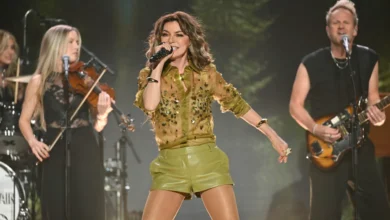
The postponement to Saturday creates a complex logistical puzzle for the organizers. Macy’s has confirmed that while the date has shifted, the fundamental programming remains intact. The star-studded lineup, which includes a high-profile opening performance by Grammy-nominated artist Raye alongside her sisters, Amma and Absolutely, will proceed as scheduled on Saturday.
Other scheduled performers, including Wyclef Jean, Smash Mouth, Natasha Bedingfield, Icona Pop, JoJo, McKenna Grace, and Queen Latifah, are expected to fulfill their obligations on the new date. However, the delay creates significant ripple effects for the millions of tourists who had already booked travel to New York City for the holiday weekend. Hotel occupancy rates, travel logistics, and the scheduling of local law enforcement are currently being adjusted to accommodate the shift.
"The safety of our participants and spectators is our top priority," a spokesperson for Macy’s stated during a press conference on Wednesday. "After close consultation with our city and agency partners, we have made the decision to move this year’s celebration. We recognize the disappointment this may cause, but we are committed to providing the same level of magic and pageantry our fans expect, just 48 hours later."
Economic and Social Implications
The economic impact of the Macy’s Thanksgiving Day Parade is substantial. The event generates hundreds of millions of dollars in tourism revenue for New York City, and the local retail sector relies heavily on the influx of visitors during the holiday week. The postponement introduces a degree of uncertainty for local businesses, though city officials are optimistic that the rescheduled date will allow for a high turnout.
From a broadcasting perspective, the move represents a significant challenge for NBC, which has historically televised the event. The network must now navigate contractual agreements and programming blocks to ensure the parade receives its customary prime-time exposure.
Public Safety and Crowd Control
The New York City Police Department (NYPD) has announced that security protocols remain unchanged for the Saturday event. "We are treating the parade with the same level of security and vigilance as we would on a Thursday," said a department spokesperson. "Our priority is to ensure that the 2.5-mile route is secure for the public, regardless of the calendar shift."
As the city braces for the incoming storm, the mood among New Yorkers is one of pragmatic acceptance. In an era where climate patterns are becoming increasingly unpredictable, the decision to postpone the centennial parade is being cited by meteorologists as a prudent move. The combination of saturated ground and high wind speeds creates a high risk of tree falls and street-level hazards, making the decision to keep the streets clear on Thursday a necessary public safety measure.
Looking Ahead: The Centennial Milestone
Despite the change in schedule, the 100th anniversary remains a historic milestone. The parade has evolved from a small, local march into a massive technical undertaking involving hundreds of balloon handlers, thousands of volunteers, and sophisticated engineering to manage the flight patterns of the balloons.
For many, the Saturday event will serve as a delayed but highly anticipated celebration of American tradition. Organizers are encouraging spectators to check official Macy’s channels for updates regarding transit, arrival times, and potential changes to the starting time. As the city prepares to pivot, the focus remains on ensuring that the 100th Macy’s Thanksgiving Day Parade—even if it occurs on a Saturday—remains a safe and memorable experience for all.