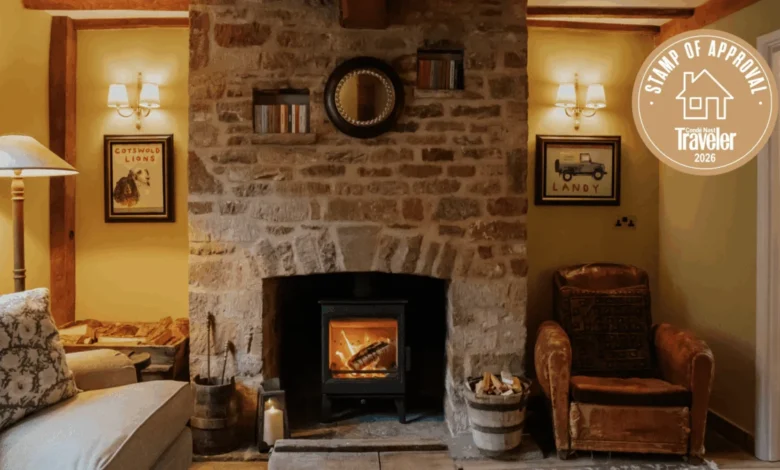
Finding an ideal rural retreat within a manageable distance from urban centers has become a priority for travelers seeking respite from fast-paced professional lives. Amid an increasingly competitive domestic tourism market in the United Kingdom, historic properties that balance centuries-old architectural heritage with contemporary luxury amenities are experiencing a surge in demand. This trend is vividly illustrated by the recent popularity of Strawtop Cottages, a pair of 16th-century, Grade II-listed thatched-roof properties located in the Oxfordshire village of Adderbury.
Main Facts and Property Overview
Situated within a brief two-hour drive from northwest London, Strawtop Cottages represent a masterclass in historical preservation coupled with upscale hospitality. The development comprises two adjacent, centuries-old structures—Strawtop One and Strawtop Two—that retain their foundational medieval and Tudor-era characteristics while offering interiors curated to rival elite boutique hotels.
The property is owned and curated by prominent digital content creators and entrepreneurs Josie Irons and Charlie Irons. Since acquiring the site, the couple has undertaken extensive, meticulous renovations designed to protect the integrity of the original timber frames, low-beamed ceilings, and exposed stone hearths. At the same time, the integration of high-end modern comforts—such as bespoke Bamford bath products, Dyson hair styling tools, and integrated smart-home climate features—addresses the modern traveler’s expectation for seamless indulgence.

Chronology of a Countryside Stint
The typical guest experience at Strawtop Two begins with a streamlined, contactless arrival following a Friday evening transit from the capital. Upon unlocking the heavy timber front doors, visitors are greeted by pre-warmed living spaces illuminated by strategically placed ambient lighting and a ready-to-ignite wood-burning fireplace.
Provisions left by the hosts set an immediate tone of bespoke hospitality. The kitchen, characterized by its butter-yellow cabinetry and classic Aga stove, typically features artisanal sourdough bread, organic local eggs, Daylesford butter, and chilled rosé wine.
Saturday mornings often commence with local audio broadcasts via retro Roberts Radio units, followed by exploratory excursions into the surrounding Oxfordshire countryside. Rather than relying on independent travel planning, guests frequently utilize the localized concierge guidance provided by Charlie Irons. Recommendations include breakfast at The Yurt at Nicholsons, known for inventive pastries and locally sourced full English breakfasts, and evening dining at established regional venues such as The Norman Knight.
Sunday itineraries generally feature traditional country pub lunches, exemplified by offerings at The Duke of Cumberland’s Head, before a late-afternoon departure back to urban residences.

Supporting Data and Regional Tourism Trends
The rise of high-end domestic staycations in regions like the Cotswolds reflects broader shifts in consumer travel behavior across the United Kingdom. According to recent tourism data from VisitBritain, rural destinations within a two-to-three-hour radius of London have sustained high occupancy rates as travelers prioritize low-emission, short-haul travel over international transit.
Furthermore, the Historic England registry notes that Grade II-listed residential properties account for a significant fraction of the nation’s architectural heritage. Converting these protected structures into short-term luxury accommodations presents unique economic and logistical challenges, requiring specialized conservation approvals and continuous artisan maintenance, particularly for traditional thatched roofing materials.
Industry analysts observe that properties managed directly by individual owners or micro-hospitality operators often outperform standardized corporate rentals in guest satisfaction metrics. This success is primarily attributed to hyper-personalized touches, such as tailored dining itineraries, locally sourced welcome hampers, and proprietary home-fragrance amenities.
Ownership and Operational Strategy
The integration of digital creator influence into boutique real estate represents a burgeoning operational model within the European hospitality sector. By documenting the renovation and curation phases across social media platforms, proprietors Josie and Charlie Irons established a pre-qualified audience of prospective guests before the cottages officially opened to the market.

This direct-to-consumer digital marketing strategy reduces reliance on traditional third-party booking agencies while fostering a sense of relational intimacy between the hosts and the clientele. Guests arrive not merely as transient consumers, but as informed participants in the property’s ongoing narrative. Operational logistics, managed closely by Charlie Irons, function as an informal concierge service, successfully bridging the gap between independent self-catering rentals and full-service hotel experiences.
Broader Economic and Market Implications
The success of properties like Strawtop Cottages underscores the economic interdependence between historic rural accommodations and local micro-economies. By channeling visitors toward nearby independent businesses—including farm-to-table restaurants, neighborhood bakeries, and regional pubs—such rentals distribute tourism revenue directly into rural communities.
As municipal planners across the Cotswolds area grapple with the balance between heritage preservation and tourism management, projects that prioritize the adaptive reuse of existing historic structures are generally favored over new suburban developments. These initiatives protect the distinct aesthetic vernacular of English villages while supporting sustainable, low-impact local commerce.
Ultimately, the enduring appeal of destinations like Adderbury lies in their capacity to offer psychological detachment from contemporary urban stressors. By synthesizing centuries of architectural craftsmanship with uncompromising modern amenities, boutique heritage properties continue to redefine the benchmark for domestic leisure travel in the United Kingdom.
Related posts: