The Ultimate Guide to America’s Best Mountain Cities for Year-Round Outdoor Adventures and Cultural Escapes

The American landscape is defined by its dramatic elevations, boasting over 100 distinct mountain ranges that stretch from the mist-veiled ridges of the East to the jagged, snow-draped peaks of the West. While mountain destinations have historically been characterized by seasonal surges—packed ski chalets in the dead of winter followed by quiet ghost towns during the spring thaw—a profound shift has transformed these communities. Today’s premier mountain cities are thriving, year-round economic and cultural hubs. They successfully bridge the gap between adrenaline-pumping alpine sports and sophisticated urban amenities, offering everything from world-class contemporary art museums and Michelin-caliber dining to high-altitude heli-skiing and immersive cultural festivals.
Travel data from recent tourism quarters indicates a sustained, double-digit increase in year-round visitation to high-elevation municipalities across the United States. Travelers are no longer content with simple weekend ski trips; instead, they are seeking holistic destinations that honor local heritage while providing modern comforts, sustainable outdoor recreation, and vibrant culinary scenes. From the historic mining outposts of the Colorado Rockies to the peaceful river valleys of the Great Smoky Mountains, here is an in-depth look at the top mountain cities to call home for your next getaway, complete with editor-approved accommodations.

Breckenridge, Colorado: Historic Roots Meet Modern Alpine Luxury
Nestled gracefully in the foothills of the Rocky Mountains’ Ten Mile Range, Breckenridge stands as one of the nation’s most treasured historic mountain settlements. Originally established as the crown jewel of Summit County’s 19th-century mining boom, the town’s Victorian-era downtown district retains much of its authentic character. Weathered wooden saloons and brightly painted historic homes line Main Street, serving as a colorful architectural reminder of the town’s storied past.
However, Breckenridge—affectionately known to regulars as "Breck"—has evolved far beyond its prospecting origins. Its primary draw today is its sprawling, lift-served terrain encompassing nearly 3,000 acres spread across five distinct peaks, catering to winter sports enthusiasts of all skill levels. Beyond the slopes, Breckenridge has cultivated a dynamic cultural ecosystem. The town features a thriving arts district complete with studio spaces, public galleries, and performance venues that draw creators year-round. Furthermore, a burgeoning craft brewery and artisanal distillery scene provides ample options for sophisticated après-ski relaxation.
Where to Stay: For travelers seeking a contemporary, design-forward basecamp, Gravity Haus Breckenridge reimagines the traditional ski lodge. Tailored specifically for modern outdoor enthusiasts, this dog-friendly boutique property offers a diverse range of accommodations—ranging from efficient, social bunk rooms to expansive two-bedroom suites. Guests can unwind after a rigorous day on the mountain in the Japanese-inspired onsen, utilize private ski lockers, and consult an in-house expert team dedicated to curating customized outdoor itineraries.

Crested Butte, Colorado: Intimate Charm Without the Pretense
Located just 24 miles down the road from its high-profile neighbor, Aspen, Crested Butte maintains a fiercely independent spirit and an intimate scale that sets it apart in the Colorado Rockies. The town’s historic downtown area looks as though it was lifted directly from a holiday snow globe, featuring colorful, historic false-front buildings that are protected as a national historic district.
Despite its small-town aesthetic, Crested Butte easily rivals larger resorts when it comes to world-class recreation. In the winter, it offers legendary extreme skiing and deep powder stashes, while the summer months transform the valley into the official "Wildflower Capital of Colorado," accompanied by an extensive network of world-class mountain biking trails. Unlike some of its hyper-exclusive neighbors, Crested Butte pairs its natural beauty and vibrant nightlife with a remarkably unpretentious, welcoming atmosphere.
Where to Stay: Positioned just minutes from the recreational hubs of Lake Grant and Peanut Lake, the Old Town Inn places guests within comfortable reach of the town’s historic core while maintaining a peaceful ambiance. The property offers convenient logistical support for travelers, including a complimentary shuttle service providing direct access to the base area of Mount Crested Butte.

Whitefish, Montana: A Wild West Gateway to Glacier National Park
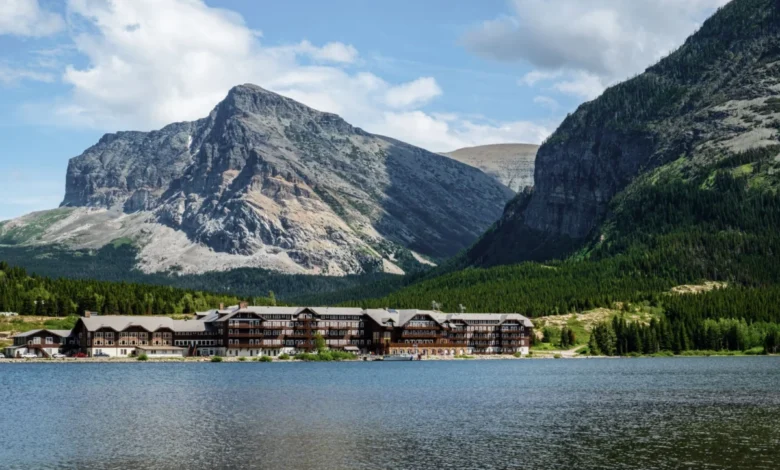
Mountain municipalities located immediately adjacent to federally protected national parks possess an inherent geographic advantage, but Whitefish elevates the formula through a unique blend of rugged frontier history and contemporary refinement. Situated just minutes from the pristine wilderness of Glacier National Park, Whitefish grants visitors immediate access to glacial lakes, towering alpine peaks, and miles of undisturbed backcountry trails.
In town, the historic Railway District anchors a vibrant downtown area lined with saloons, independent boutiques, and farm-to-table eateries that capture the essence of the historic American West. While winter brings exceptional downhill skiing to the nearby Whitefish Mountain Resort, the summer season introduces a robust calendar of warm-weather pursuits, ranging from alpine hiking and mountain biking to zip-lining over forested canopies.
Where to Stay: Reflecting the town’s ongoing evolution, the Larch House represents a new chapter in local hospitality. As the first design-forward boutique hotel of its kind in Whitefish, this 39-key property is situated right in the heart of the historic Railway District, placing guests within easy walking distance of the downtown core’s culinary and cultural offerings.

Aspen, Colorado: The Quintessential Mountain Metropolis
Aspen’s global reputation precedes it. Founded in 1879 as a silver-mining camp originally named Ute City, Colorado’s premier mountain city has spent over a century refining its identity as an international cultural and recreational capital. The surrounding natural geography remains breathtakingly dramatic, featuring snow-capped peaks that transition seamlessly into ideal hiking terrain as the snow melts.
Aspen’s compact, highly walkable urban footprint ensures that visitors can easily navigate between world-famous ski slopes, international designer boutiques, and award-winning dining establishments. In recent years, Aspen has transcended its traditional reputation as a playground exclusively for skiers and winter sports enthusiasts. Institutions like the Aspen Art Museum anchor a diverse cultural calendar that attracts families, culinary connoisseurs, and international art collectors throughout all four seasons.
Where to Stay: Operating since 1889, Hotel Jerome stands as an enduring historical landmark that encapsulates the romantic spirit of Aspen. Blending rustic heritage with high-fashion interior design, this legendary property occupies a prime downtown location. It offers guests the ultimate convenience of complimentary hotel-to-mountain transportation alongside immediate proximity to the city’s finest retail and dining destinations.

Asheville, North Carolina: The Creative Heart of Appalachia
Proof that America’s premier mountain destinations extend far beyond the Rocky Mountains, Asheville serves as the vibrant cultural anchor of the Southern Appalachian region. Renowned for its resilient community spirit and progressive artistic identity, the city has long drawn painters, sculptors, glassblowers, and musicians to its historic neighborhoods.
Centering around repurposed industrial and architectural spaces—most notably the historic River Arts District—Asheville operates as a living gallery where visitors can watch artisans at work in open studios. Local creative leaders often describe the city’s relationship with art as comparable to New Orleans’ profound connection to music. Beyond its thriving creative scene, Asheville offers immediate access to the Blue Ridge Parkway, providing endless opportunities for scenic drives, waterfall hikes, and deep woodland immersion.
Where to Stay: For an immersion in historic opulence, the Inn on Biltmore Estate places guests directly on the grounds of America’s largest private home. The property successfully evokes the hospitality experienced by guests of the Vanderbilt family during the late 19th century, seamlessly integrated with contemporary luxury amenities and world-class service.

Ouray, Colorado: The Undisputed Capital of Alpine Exploration
Self-proclaimed as the "Outdoor Recreation Capital of Colorado," Ouray occupies a dramatic position at the head of a steep box canyon in the heart of the San Juan Mountains. Surrounded on three sides by towering, sheer rock walls, the town is renowned for its mineral hot springs and unparalleled access to vertical terrain.
A primary highlight for active travelers is the Perimeter Trail, a 6.5-mile loop that hugs the perimeter of the canyon. Navigating this trail rewards hikers with sweeping panoramic views of the entire valley, cascading waterfalls such as Cascade Falls, and geological formations like the carved rock pools known locally as the "Baby Bathtubs." Because the trail remains in close proximity to the town center, hikers can easily tailor their routes to match their physical conditioning.
Where to Stay: After a demanding day of hiking, ice climbing, or exploring the surrounding alpine passes, the adults-only Beaumont Hotel and Spa offers an ideal restorative sanctuary. Operating since 1886, the property features historic thermal soaking pools specifically designed to soothe tired muscles and promote total relaxation.

Salt Lake City, Utah: An Evolving Urban-Outdoor Metropolis
Salt Lake City has firmly established itself as a dynamic cultural and economic powerhouse in the Intermountain West. Long celebrated for its proximity to world-class winter recreation—boasting some of the lightest, deepest snowpacks in North America—the city has recently experienced a culinary and cultural renaissance.
Food enthusiasts now travel specifically to Salt Lake City to experience its inventive dining scene, which ranges from sophisticated speakeasies to precise, high-end omakase counters. Concurrently, the city plays host to eclectic, large-scale events such as the indie-forward Kilby Block Party Music Festival and the traditional winter skijoring competitions where athletes are towed through snow-covered streets by horses. A thriving independent gallery scene and expanding boutique retail sector ensure that downtown SLC offers an engaging, walkable urban experience.
Where to Stay: The Downtown Hyatt Regency SLC serves as a premier anchor for the city’s urban core. Offering spacious, modern accommodations and direct access to convention facilities and cultural attractions, the hotel delivers consistent service and reliable amenities tailored to both business and leisure travelers.

Telluride, Colorado: Down-to-Earth Luxury in the San Juans
Telluride balances a distinct, quirky small-town personality with some of the most dramatic mountain topography in North America. Housed within a tight glacial gorge carved by the San Juan Mountains, this historic mining community transitions effortlessly from a premier winter ski destination into a bustling warm-weather cultural hub.
As the snow gives way to vibrant wildflower meadows, Telluride comes alive with a celebrated summer events calendar, hosting renowned film festivals and world-class bluegrass gatherings. Despite attracting high-profile residents and international travelers, the community has fiercely protected its unpretentious, historic character, maintaining an authentic, down-to-earth atmosphere that keeps visitors returning generation after generation.
Where to Stay: Situated at the base of the Telluride Ski Resort in Mountain Village, the Madeline Hotel & Residences, Auberge Resorts Collection serves as an exceptional alpine basecamp. Surrounded by soaring peaks on three sides, the property features an expansive outdoor terrace equipped with a heated pool, oversized hot tubs, fire pits, and sophisticated al fresco dining options.

Jackson Hole, Wyoming: Big Sky Country at Its Best
Jackson Hole epitomizes the grandeur of the American West, offering vast, open valleys framed by the dramatic, jagged peaks of the Teton Range. Drawing over 2.6 million visitors annually despite Wyoming’s sparse statewide population, this legendary mountain destination acts as the primary southern gateway to both Grand Teton and Yellowstone National Parks.
Renowned for decades among serious alpine skiers and mountaineers for its challenging terrain and deep snowpacks, Jackson Hole has concurrently developed a sophisticated culinary and arts infrastructure. Whether visitors are tracking wildlife across the National Elk Refuge, exploring historic downtown Jackson with its iconic elk antler arches, or skiing the legendary slopes of Teton Village, the region delivers an unmatched standard of alpine adventure.
Where to Stay: Positioned at the base of the Jackson Hole Mountain Resort, the Four Seasons Resort Jackson Hole remains the premier luxury property in Teton Village. As the area’s only true ski-in/ski-out resort, it provides unobstructed mountain views, a full-service alpine spa, year-round heated outdoor pools, and dedicated ski concierge services designed to elevate every aspect of the guest experience.

Silverton, Colorado: High-Altitude History and Backcountry Mastery
Resting at a breathtaking elevation of 9,300 feet above sea level, Silverton preserves its industrial 19th-century mining heritage more palpably than almost any other town in Colorado. Designated entirely as a National Historic Landmark District, the town’s grid of unpaved streets and brightly painted Victorian storefronts often greet passengers arriving on the historic, steam-powered Durango & Silverton Narrow Gauge Railroad.
While summer visitors utilize the town as a base for high-altitude fishing and hiking in the surrounding San Juan National Forest, winter transforms Silverton into a legendary mecca for experienced backcountry skiers and avalanche-savvy mountaineers seeking untouched powder bowls.
Where to Stay: For an authentic immersion in Victorian architecture, The Bent Elbow Hotel places guests directly into the historic atmosphere of Silverton’s boomtown era. While the exterior nods to 19th-century design standards, the interior guest rooms are fully updated with modern comforts, including high-speed streaming services and white noise machines, ensuring a restful night’s sleep at high altitude.

Townsend, Tennessee: The Peaceful Side of the Smokies
Rounding out the nation’s premier mountain communities is Townsend, affectionately known as the "peaceful side of the Smokies." Offering a stark, tranquil contrast to the commercialized hubs typically found near major national parks, Townsend provides a quiet, riverside alternative centered along the banks of the Little River.
The town serves as an ideal launchpad for exploring the Great Smoky Mountains National Park, providing rapid access to exceptional waterfalls such as Meigs Falls and Spruce Flats Falls. Anglers frequent the area to navigate the park’s extensive network of trout streams with local outfitters like Little River Outfitters, while food enthusiasts gather at regional culinary anchors to sample seasonal, Appalachian-inspired cuisine.
Where to Stay: Located just down the road in Walland, Blackberry Farm represents the pinnacle of luxury hospitality in the American Southeast. Spread across 4,000 acres of pristine pastoral land, this world-renowned Relais & Châteaux resort features exceptional accommodations and award-winning dining institutions like The Barn, cementing its status as one of the country’s most revered mountain retreats.