Conservative Legal Advocates Warn of ‘Lawfare’ and Financial Risks as Lawmakers Plot Potential Post-Election Investigations

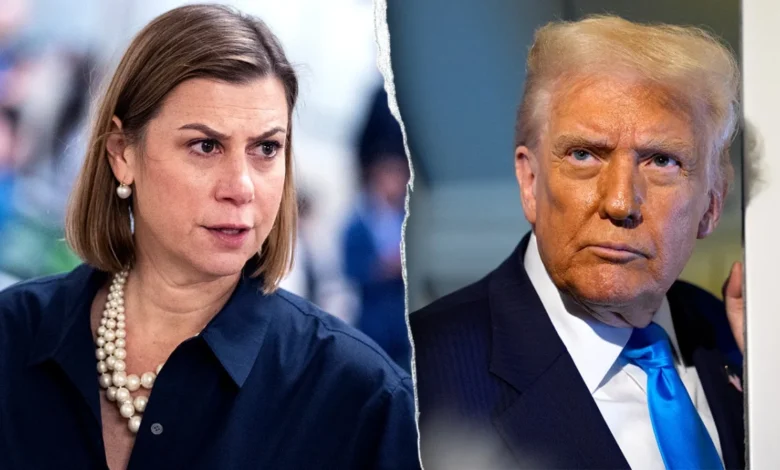
The shifting landscape of modern American politics has elevated concerns among conservative organizations and legal scholars regarding the expanding scope of congressional oversight and special counsel investigations. As Democratic lawmakers openly discuss aggressive investigative strategies targeting President Donald Trump and his administration, critics argue that the mechanics of modern political oversight have evolved into a form of financial and reputational pressure. At the center of this debate are warnings from conservative advocacy groups that routine administrative compliance, sweeping subpoenas, and calls for deterrence could disproportionately impact young professionals considering public service, raising profound questions about the constitutional boundaries of congressional investigations.
The Genesis of the Controversy: Special Counsel Precedents and Conservative Apprehensions
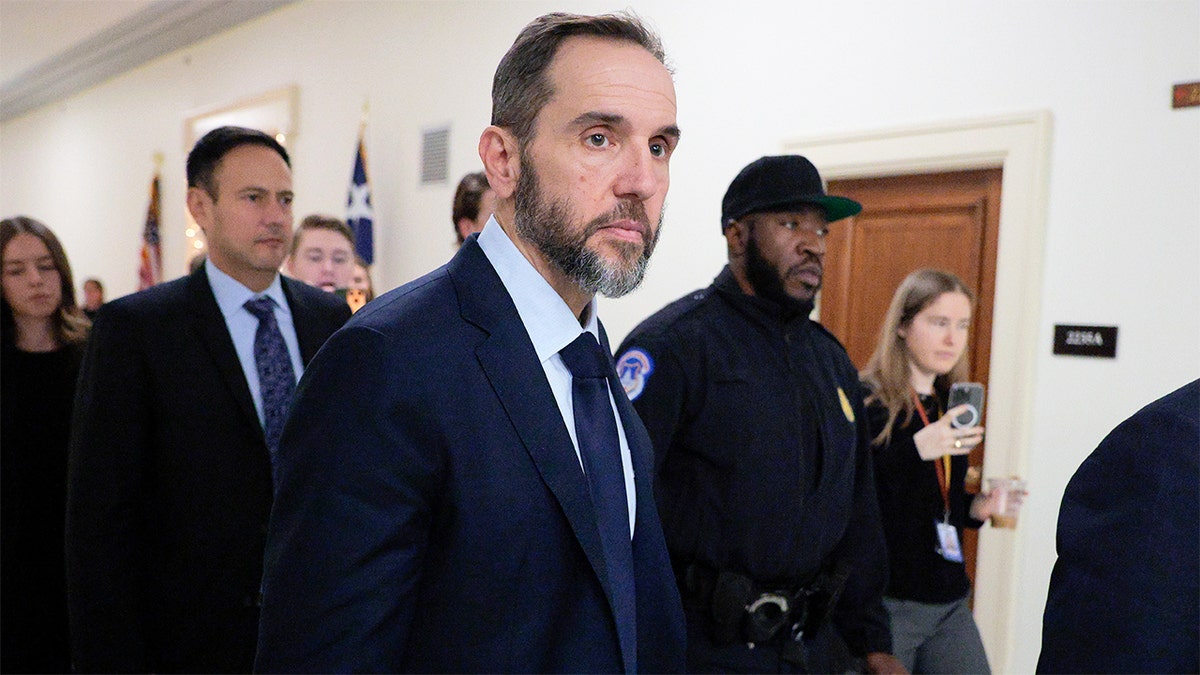
The current debate finds its roots in the investigative tactics utilized during previous federal inquiries, most notably the 2020 election interference probe led by former Biden-appointed Special Counsel Jack Smith. Conservative organizations that found themselves swept up in the vast net of Smith’s subpoenas report facing severe financial burdens simply to achieve legal compliance. Among them is the Conservative Partnership Institute (CPI), a prominent Washington-based advocacy group.
According to Rachel Bovard, vice president of programs at CPI, the organization was forced to expend millions of dollars in legal and administrative fees during the Smith investigation. Bovard characterized the special counsel’s expansive document requests—which included deeply granular corporate data such as health coverage and employee benefit structures—as an investigative overreach designed to map the conservative ecosystem rather than pursue targeted criminal conduct.
“Jack Smith was a test run in how to do this,” Bovard noted, reflecting on the enduring nature of the digital records compiled during the probe. In her view, the repository of information collected by federal law enforcement agencies remains active, creating a blueprint that future administrations or congressional majorities could leverage to target political opponents.
Escalating Rhetoric: The Debate Over Deterrence Messages

Fears of a renewed investigative blitz gained momentum following public remarks made earlier this month by Senator Elissa Slotkin, D-Mich., during an appearance at the University of Chicago’s Institute of Politics. During the event, Slotkin articulated a desire for Democratic lawmakers to establish a clear "deterrence message" directed at prospective staffers and young professionals contemplating service within a Trump administration. Slotkin emphasized that accountability measures should extend beyond the president himself to encompass the individuals who facilitate policy execution.
The remarks drew swift condemnation from conservative groups, who interpreted the call for deterrence as an explicit threat to weaponize government oversight mechanisms against mid-level and junior personnel. Bovard argued that the objective of such rhetoric is not necessarily securing convictions, but rather subjecting individuals to the grinding, expensive machinery of congressional and judicial investigations.
“They literally just want to use the government as a political weapon,” Bovard stated, emphasizing that many of the targeted individuals and entities were never formally or credibly accused of criminal wrongdoing.
Constitutional Boundaries and the Limits of Congressional Oversight
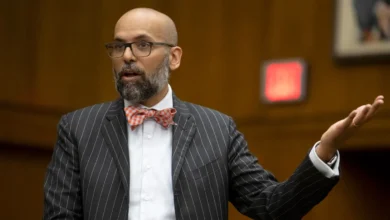
Legal experts offer diverse perspectives on the constitutional and statutory limitations governing congressional inquiries. Abhishek Kambli, a former federal prosecutor and partner at Holtzman Vogel, points out that the constitutional authority of Congress to issue subpoenas is strictly tethered to its legislative functions. According to Kambli, legislative bodies lack the constitutional mandate to conduct general law enforcement operations.
Furthermore, Kambli suggests that public statements made by lawmakers regarding an "accountability agenda" or punitive deterrence could serve as vital evidentiary material for defense attorneys seeking to quash congressional subpoenas in federal court. If litigants can demonstrate that a subpoena’s primary motivation is political retribution rather than legitimate legislative fact-finding, courts may be more inclined to intervene.
“You had multiple members of the House and the Senate that talk about the accountability agenda and holding the Trump administration accountable for wrongdoing,” Kambli observed. He added that boilerplate assertions of legislative purpose included within subpoena documents may ring hollow when juxtaposed with explicit public commentary from lawmakers.

At the same time, academic observers emphasize the breadth of Congress’s constitutional powers. Michael Morley, a law professor at the Florida State University College of Law, notes that while public threats of political retaliation run counter to traditional norms of governance, Congress retains broad latitude to investigate the executive agencies and administrative structures it creates by statute.
“I don’t think that is consistent with our norms, and I certainly don’t think it’s something that we’d like to see become a routine part of our discourse,” Morley remarked. However, he cautioned against automatically equating controversial rhetoric with unconstitutional legislative overreach, noting that the judiciary traditionally affords the legislative branch significant deference in structuring its inquiries.
The Mechanics of Compliance and the Risk of "Process as Punishment"
Beyond constitutional theory, legal scholars highlight practical challenges associated with congressional and executive branch inquiries. Hans von Spakovsky, a senior legal fellow at Advancing American Freedom, notes that while Congress possesses the constitutional mechanism to hold uncooperative individuals in criminal contempt, the ultimate decision to prosecute rests entirely with the Department of Justice. Historical precedent, such as the DOJ’s decision not to prosecute former Attorney General Eric Holder following a House contempt citation during the Obama administration, demonstrates that executive agencies frequently decline to pursue contempt charges against political allies.
Nevertheless, legal practitioners warn that the absence of a formal criminal prosecution does not insulate targets from severe personal and financial hardship. The investigative process itself—characterized by months or years of document collection, depositions, and specialized legal representation—frequently functions as a severe deterrent.
“There is no doubt that some members of Congress intend to use that process to bankrupt people who cannot afford legal representation,” Kambli asserted. “That is a real threat, regardless of whether anyone is ultimately prosecuted.”
The Prospect of Preemptive Pardons and Long-Term Implications
As both political parties position themselves for future legislative majorities and presidential cycles, the dialogue surrounding investigative oversight has intersected with discussions regarding executive clemency. Earlier this month, in an interview with Time magazine, President Trump addressed the possibility of issuing preemptive pardons to members of his administration prior to leaving office, drawing a parallel to President Joe Biden’s pardon of Dr. Anthony Fauci.
Conservative advocates view the contemplation of mass preemptive pardons as a regrettable yet rational response to what they describe as an era of normalized "lawfare." While acknowledging that widespread preemptive pardons represent an extraordinary departure from traditional norms, Bovard suggested that future executive administrations may view such measures as necessary defensive shields against politically motivated inquiries.
“This is how we’re going to have to live: mass pardons of your political parties on either side, and that’s obviously a terrible outcome,” Bovard said. “If the Slotkin theory is put to the test, I don’t think Trump’s going to have a choice. I think he’s going to have to do that.”
As the political debate continues to unfold, legal analysts emphasize that the tension between legislative oversight and executive branch staffing will likely remain a defining feature of modern American governance. Whether through court challenges to congressional subpoenas, shifting Department of Justice policies, or evolving strategies regarding executive clemency, the mechanisms of accountability and investigation will continue to shape how individuals assess the risks and rewards of federal public service.