The Surprising Impact of Sauna Bathing on Human Immune System Function and White Blood Cell Mobilization


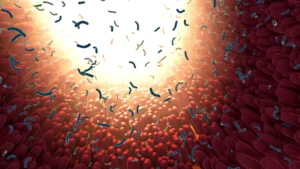
A singular, 30-minute excursion into the intense heat of a sauna, punctuated by a brief cold-water intervention, acts as a potent physiological catalyst for the human immune system. New research originating from Finland—a nation where sauna culture is deeply woven into the fabric of daily life—reveals that this specific thermal stress protocol triggers a rapid and significant mobilization of white blood cells into the circulatory system. These cells, the primary sentinels of the human body, are responsible for identifying, tracking, and neutralizing pathogens, including bacteria and viruses, that threaten physiological homeostasis.
The Dynamics of Immune Surveillance
The study, published in the scientific journal Temperature, underscores a phenomenon known as immune surveillance. Under normal conditions, a significant portion of the body’s white blood cell population remains sequestered within various tissues and organs. However, the application of heat stress, followed by a sudden drop in temperature, acts as a mobilizing signal.
"This may indicate that sauna bathing mobilizes additional white blood cells into the bloodstream from tissues, where they are then redeposited after the session," explains Ilkka Heinonen, an Academy Research Fellow at the University of Turku. "This kind of periodic release of white blood cells into the bloodstream is beneficial, as once they leave their storage sites, they are better able to patrol the body and respond to pathogens."
During the observation phase, researchers noted a systematic increase in nearly every measured category of circulating white blood cells. This included a surge in neutrophils—the body’s "first responders" that are typically the first to arrive at the site of an infection—and lymphocytes, which are critical for the adaptive immune response, antibody production, and long-term immunological memory.
Chronology of the Physiological Response
The researchers tracked 51 adult participants with an average age of 50 to document the precise timeline of these immune shifts. The protocol was standardized: participants underwent a 30-minute sauna session, which included a brief cold shower halfway through the duration.
The data indicated that the spike in white blood cell count was immediate upon completion of the session. However, the body’s return to a baseline state was equally rapid. Within 30 minutes of exiting the sauna, the elevated levels of neutrophils and lymphocytes had reverted to their original pre-session counts. This transient nature suggests that the sauna serves as a "stress test" for the immune system, forcing a temporary expansion of surveillance capacity without inducing a chronic state of inflammation.
The Influence of Thermal Signaling
While the study observed a clear surge in cell counts, it also delved into the molecular signaling pathways of the immune system, specifically focusing on cytokines. These small, signaling proteins are the architects of the immune response, directing traffic and modulating the severity of inflammatory processes.
The findings regarding cytokines were nuanced. On average, the researchers found little change in total cytokine levels in the blood. However, a deeper analysis revealed a correlation between specific cytokine fluctuations and the degree of internal body temperature rise. As Professor Jari Laukkanen, the lead investigator from the University of Eastern Finland, noted, "Interestingly, the levels of several cytokines changed in relation to how much body temperature rose during sauna bathing. No similar association was observed between white blood cell counts and changes in body temperature."
This distinction is significant. It implies that sauna bathing operates through a dual-mechanism pathway: one that triggers mechanical mobilization of immune cells (likely through sympathetic nervous system activation or blood flow changes) and another that triggers molecular signaling based on thermal intensity.
Comparative Physiology: Exercise vs. Heat Stress
To provide context, the researchers drew comparisons to physical exercise, a well-documented driver of immune cell mobilization. During intense physical activity, the body experiences a similar "flush" of white blood cells into the bloodstream. This is widely considered an evolutionary adaptation meant to prepare the body for potential injury or infection during high-stress scenarios.
The new data suggests that sauna bathing may mimic this aspect of exercise-induced immune mobilization. While the researchers caution that a sauna session cannot replace the cardiovascular or metabolic benefits of physical exercise, the overlap in immune response is striking. It suggests that the body recognizes both heat stress and physical exertion as signals to "deploy" its defenses. This is particularly relevant for populations who may be physically limited in their ability to perform high-intensity exercise but can tolerate the passive thermal load of a sauna.
Broader Implications and Public Health Considerations
For decades, the health benefits of regular sauna use have been touted in both folklore and peer-reviewed literature. Previous longitudinal studies have linked consistent sauna bathing to lower risks of cardiovascular disease, dementia, and hypertension. This study provides a mechanistic hypothesis to explain some of these long-term findings. By regularly "training" the immune system to mobilize its cells through heat exposure, individuals may effectively keep their immune surveillance machinery in a state of high readiness.
However, the medical community maintains a stance of measured optimism. "The results do not establish whether sauna bathing produces lasting improvements in immune function or reduces the risk of illness," the researchers noted in their summary. Because the study focused on the acute effects of a single session, the long-term clinical outcomes—such as a decrease in the incidence of the common cold or a reduction in systemic inflammation—remain the subject of future inquiry.
Furthermore, the integration of a cold shower in the protocol is a critical variable. Cold exposure is known to stimulate the release of norepinephrine and activate brown adipose tissue, both of which have their own metabolic and immunological impacts. Consequently, the observed results likely reflect the synergistic effect of the heat-cold contrast rather than the isolated influence of heat.
Methodological Rigor and Future Research
The study involved a cohort of 51 individuals, a size sufficient to establish clear statistical trends but one that highlights the need for larger, more diverse demographic samples in the future. By focusing on middle-aged adults, the research captures a population that is often interested in longevity and health optimization, yet the effects of such protocols on younger or immunocompromised populations remain unknown.
The publication of these findings in Temperature serves as an important bridge between traditional lifestyle practices and modern physiological science. As global interest in "biohacking" and thermal therapy grows, understanding the precise mechanisms of how heat affects our biological systems becomes essential.
Summary of Key Findings
- Rapid Mobilization: A 30-minute sauna session with a cold-shower break induces a temporary surge in circulating white blood cells.
- Transient Effect: Immune cell counts return to baseline within 30 minutes of exiting the sauna, suggesting a non-damaging, acute mobilization.
- Dual Pathway: Heat intensity directly correlates with cytokine signaling changes, while white blood cell mobilization appears to operate independently of the absolute increase in core temperature.
- Immune Surveillance: The practice likely improves the body’s ability to patrol for pathogens by shifting cells from tissue storage into the vascular system.
As the scientific community continues to map the interactions between thermal stress and the human body, the sauna remains a compelling subject. While it is not a cure-all, the ability of a 30-minute session to fundamentally alter the behavior of our immune cells suggests that we are only beginning to understand the biological potential of this ancient practice. Future research will likely focus on whether these acute, repetitive bouts of immune stimulation translate into a lower burden of chronic illness over the lifespan, potentially validating the sauna not just as a tool for relaxation, but as a viable, low-impact intervention for maintaining immune fitness.